
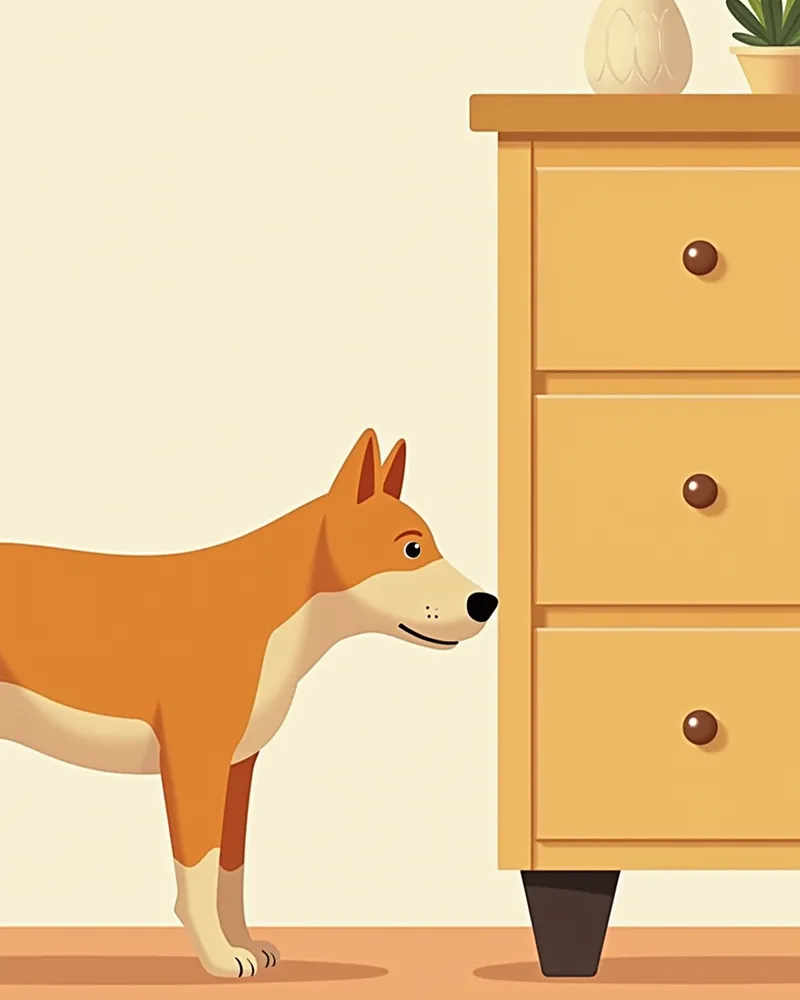
What are indoor elimination accidents in dogs? — Why do they recur and how can they be corrected?
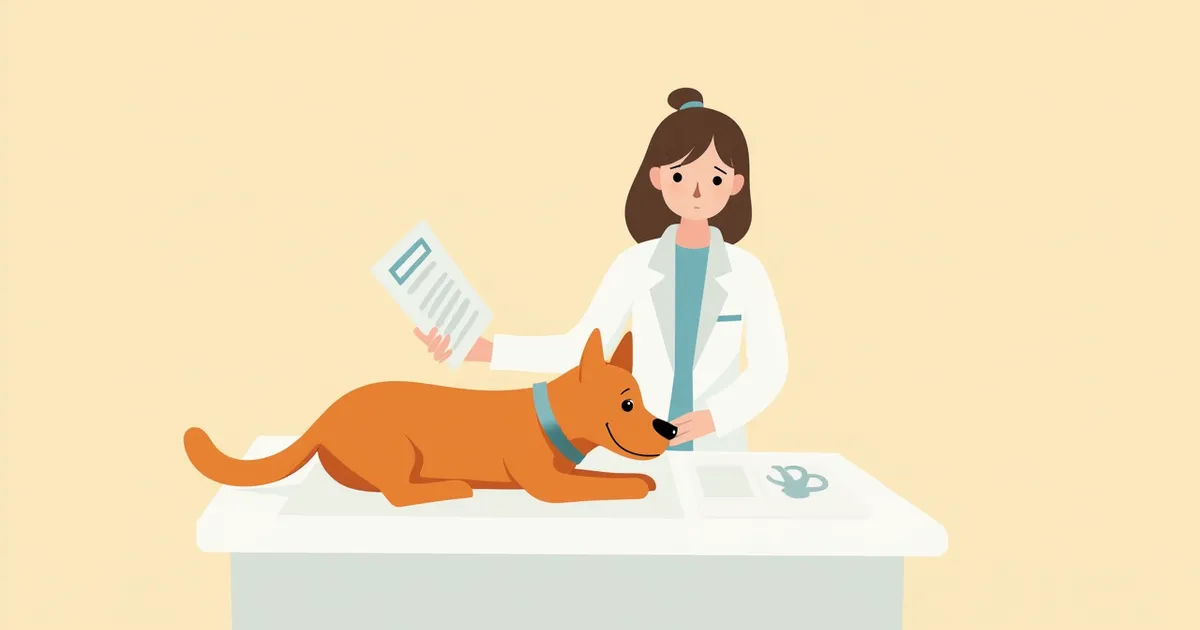
If a house-trained puppy suddenly starts having repeated indoor accidents, it’s important to first determine whether the cause is medical or behavioral. We’ve compiled the most commonly asked questions from pet owners about causes, solutions, and when to visit the vet in a Q&A format.
Why do indoor elimination accidents in dogs suddenly occur?
Main causes of elimination accidents — Medical vs. Behavioral
Checklist for signs suggesting a medical cause
Signs requiring immediate emergency veterinary care
If you notice blood in your pet’s urine (hematuria) or if they strain to urinate with little to no output, immediate emergency veterinary care is required. When the bladder cannot empty properly, waste products can build up behind the kidneys—a condition known as postrenal azotemia—which can lead to vomiting, loss of appetite, and lethargy. This is a life-threatening emergency. If your pet also experiences hind limb paralysis or severe pain, take them to a 24-hour emergency animal hospital immediately.
Proper retraining methods — When the issue is behavioral
Removing odor from accident sites — Key to preventing recurrence
Elimination accidents in senior dogs — Do not scold
Sudden accidents in dogs aged 10 and older may be an early sign of cognitive dysfunction. As their spatial awareness declines, they may forget where the potty pad is. Scolding or forcing intense retraining can increase their anxiety. It’s best to have a cognitive function evaluation at a veterinary clinic to determine an appropriate management plan.
How to distinguish marking from elimination accidents?
Reviewed by a veterinarian

Dr. Tony — Punnawat Phongkittirak
VeterinarianA veterinarian who majored in veterinary medicine at Khon Kaen University, Thailand, and completed the IVSA program at North Carolina State University in the United States. Drawing on clinical experience at animal hospitals, he works in the pet healthcare field and is dedicated to building a digital care environment that connects pet parents with veterinarians.
Reviewed 2026-06-01
Frequently Asked Questions
Your puppy was fully house-trained, but suddenly started having accidents. Why might this be happening?
Should you scold your pet when you find an accident spot?
My pet suddenly refuses to use the pee pad. What should I do?
My dog eliminates properly during walks but refuses to do so at home. Is this a problem?
My puppy is urinating small amounts frequently. Is this a training issue, or should I take him to the vet?
Share
Related Guides
7 Behavioral Enrichment Strategies for Mental Stimulation Recommended by Veterinarians

Top 5 Calming Supplements for Dogs and Cats in 2026

L-Theanine Effects and Calming Support
What is SDMA for early kidney screening in cats? — A test to catch issues before symptoms, and when to get it
What to Do If Your Cat Suddenly Stops Urinating? — Causes of Acute Kidney Failure and Emergency Response
What Is Feline Acute Kidney Injury (AKI)? — A Summary of Symptoms and Emergency Response
Why Use ACE Inhibitors and ARBs for Cats? — Kidney Protection Effects and Side Effects Q&A
What Is Ventricular Tachycardia in Dogs? — Warning Signs of Collapse and Sudden Death, and How to Respond
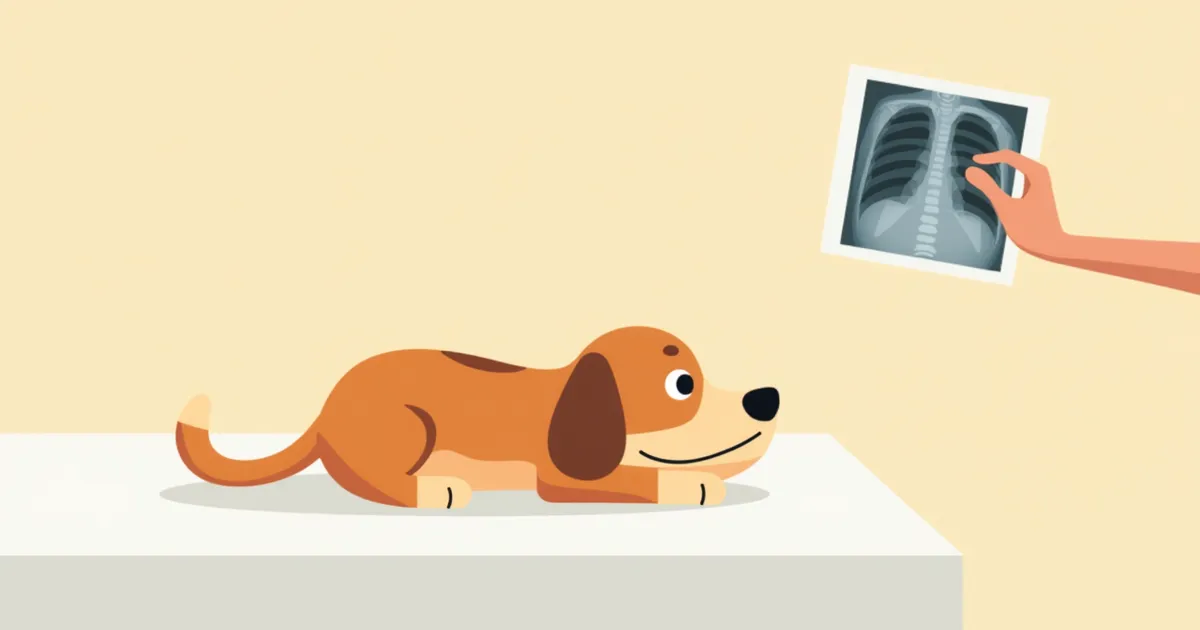
How to Assess Heart Size on a Dog’s Chest X-ray — Key Q&A on Reading VHS Scores
What is Taurine-Deficient Cardiomyopathy in Dogs? — The Link Between Diet and Heart Health
References
[1] Beaver, B.V. (2009). Canine Behavior: Insights and Answers. Philadelphia, PA: Saunders.
[2] Côté E. Clinical Veterinary Advisor: Dogs and Cats. 3rd ed. St. Louis, MO: Elsevier Mosby; 2015.
[3] Ettinger SJ, Feldman EC, Côté E. Textbook of Veterinary Internal Medicine: Diseases of the Dog and the Cat. 8th ed. St. Louis, MO: Elsevier; 2017.
[4] Tilley LP, Smith FWK. The 5-Minute Veterinary Consult: Canine and Feline. 3rd ed. Lippincott Williams & Wilkins; 2004.