Like
Share
멍실장
강아지 물기 교정 자주 묻는 질문 Q&A — 보호자가 꼭 알아야 할 핵심

How to Correct Puppy Biting — When Will the Biting Habit Disappear?

Brain & CognitionQ&AMeongsiljang Veterinary Advisory Board

We’ve compiled the key points about correcting biting behavior in dogs into a Q&A format, covering everything from why dogs bite to age-appropriate correction methods and when to seek professional advice.

What Is Bite Correction for Puppies? Key Points to Know First
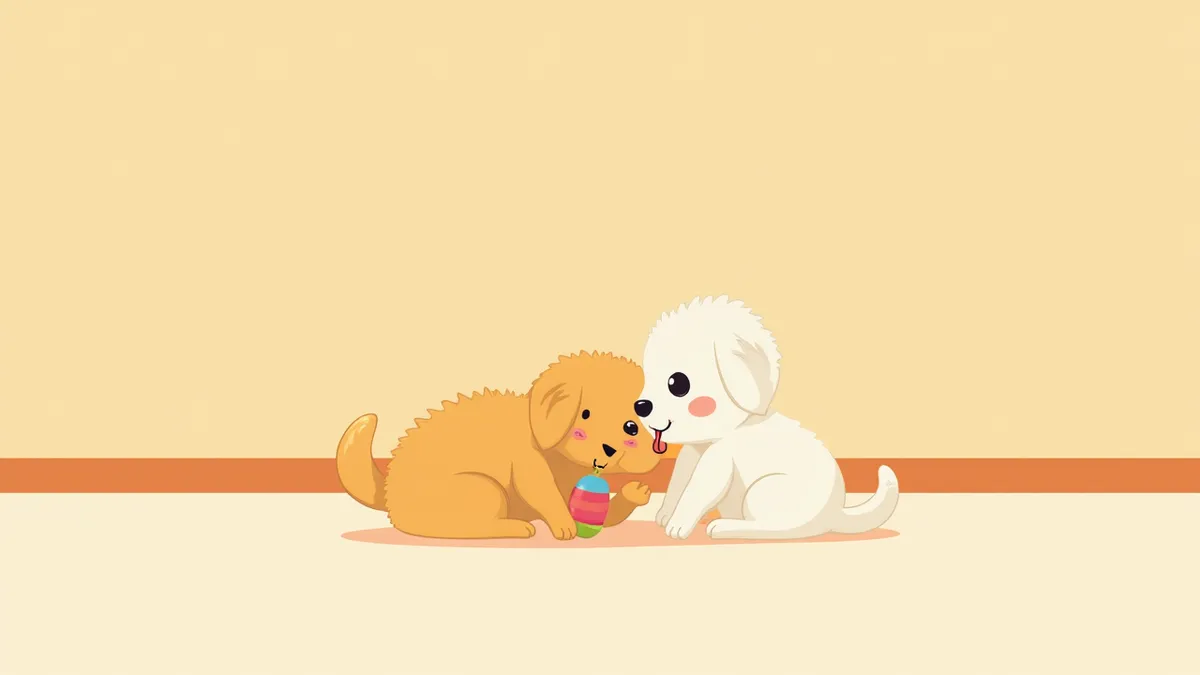
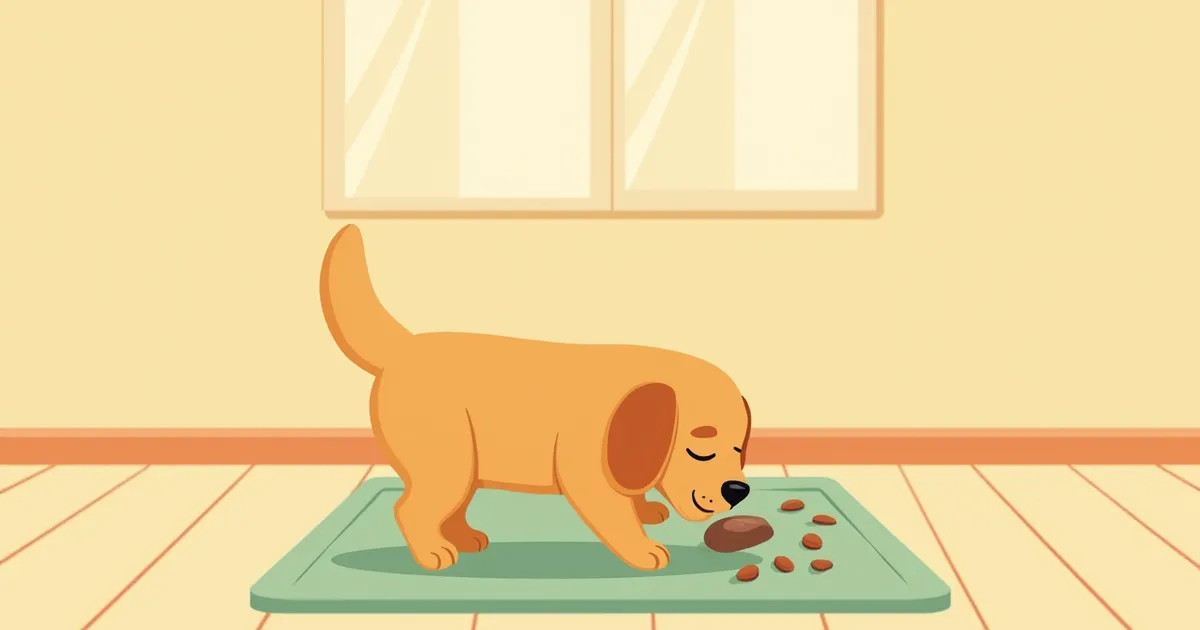
A puppy undergoing bite-inhibition training by chewing on a toy.
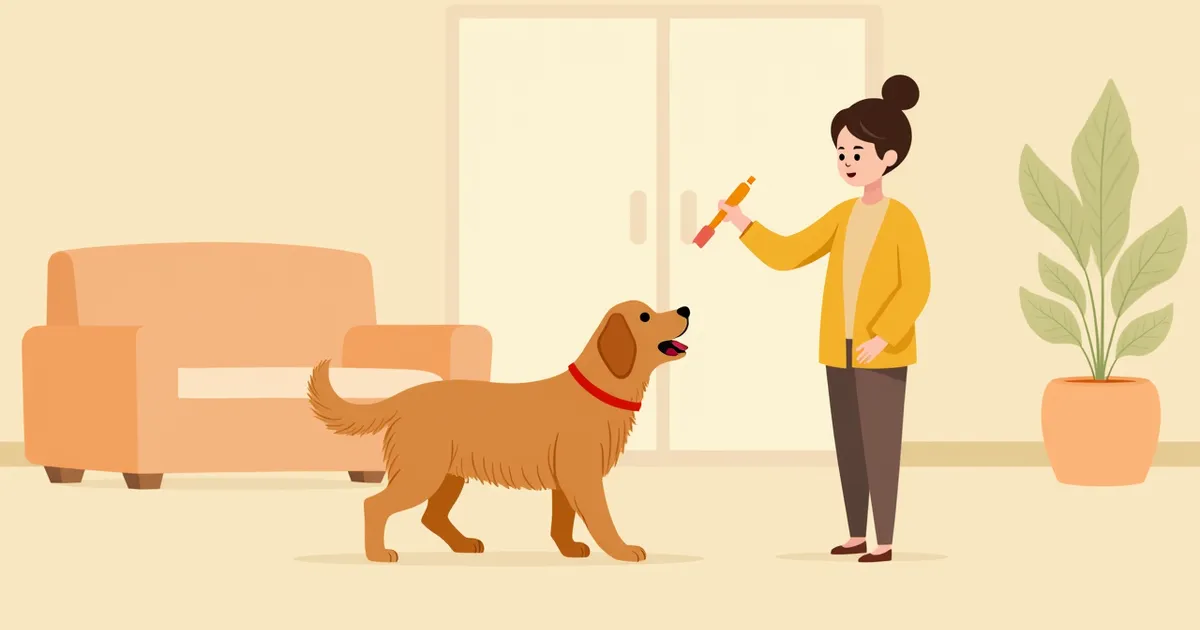
Bite correction for puppies is a behavioral training process designed to gradually reduce biting or mouthing behaviors toward people or other animals. While biting is an instinctive form of communication for puppies, failing to correct it can pose a risk of injury to owners or visitors. The most critical factors are timing and consistency. If you do not respond immediately and consistently when biting occurs, your puppy will learn that the behavior is acceptable. Although it is easier to start training from a young age, adult dogs can also be successfully trained with consistent effort. Positive reinforcement, which rewards the dog for not biting rather than punishing them for biting, is widely recognized as the most effective approach.

Why Do Puppies Bite? You Must Identify the Cause to Correct It
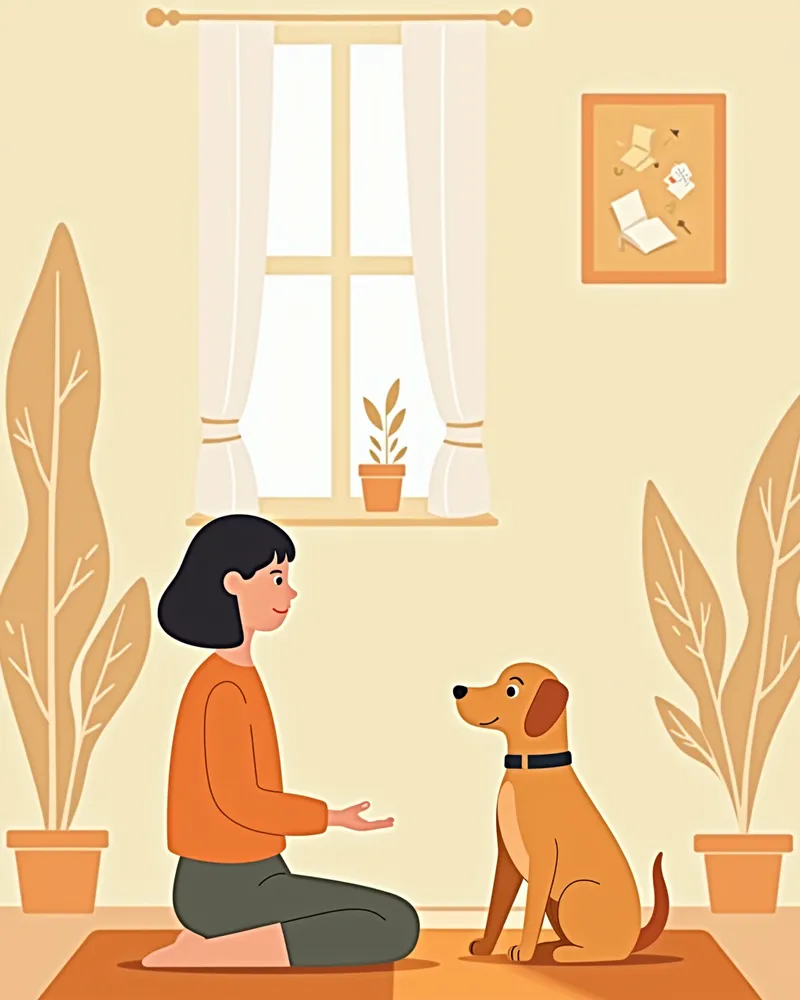
There are many reasons why dogs bite. Identifying the underlying cause is essential to choosing the right correction method.
Play excitement: This is the most common cause. Puppies learn to control their bite pressure while playing with their littermates, and they often apply that same intensity when interacting with people.
Teething (3–6 months of age): Puppies may bite because their gums feel itchy during this stage. Providing chew toys is an effective solution.
Fear or threat: Dogs may bite as a defensive response to unfamiliar people or situations.
Pain or discomfort: If aggressive behavior has started suddenly, a veterinary examination should be the first step.
Resource guarding: This is an instinctive behavior where a dog bites to protect food or toys from being taken away.
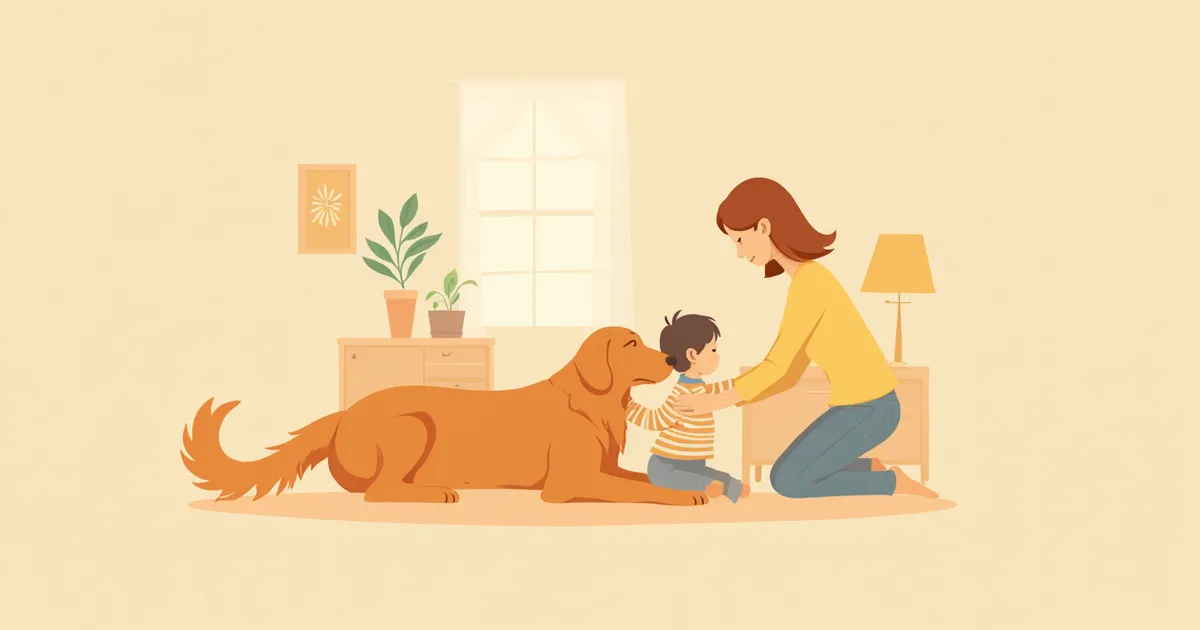
A guardian who understands the causes of their puppy's biting behavior

6 Stages of Bite Severity — Which Stage Is My Puppy At?

The severity and appropriate response to a bite vary significantly depending on its intensity. In veterinary behavior, a staging framework is commonly used to assess bite severity, generally categorized as follows:
StageDescriptionResponse
Stage 1Air bite, no skin contactBegin basic correction
Stage 2Skin contact without bruisingImmediately stop play
Stage 3Single bleeding woundConsult a professional
Stage 4Deep wound with shaking motionSeek immediate professional advice
Stage 5Repeated multiple bitesConsult a veterinary behaviorist
Stage 6Fatal severityConsult a veterinary behaviorist
Most dogs exhibit low-level bites that do not break the skin (inhibited bites). Cases showing only inhibited signals, such as growling, generally have a relatively good prognosis. However, bites that cause repeated or deep wounds are serious warning signs. In such cases, it is difficult for owners to correct the behavior alone, and assistance from professionals, such as a veterinary behaviorist, is necessary.

The Most Effective Bite Correction Method — Basic Principles
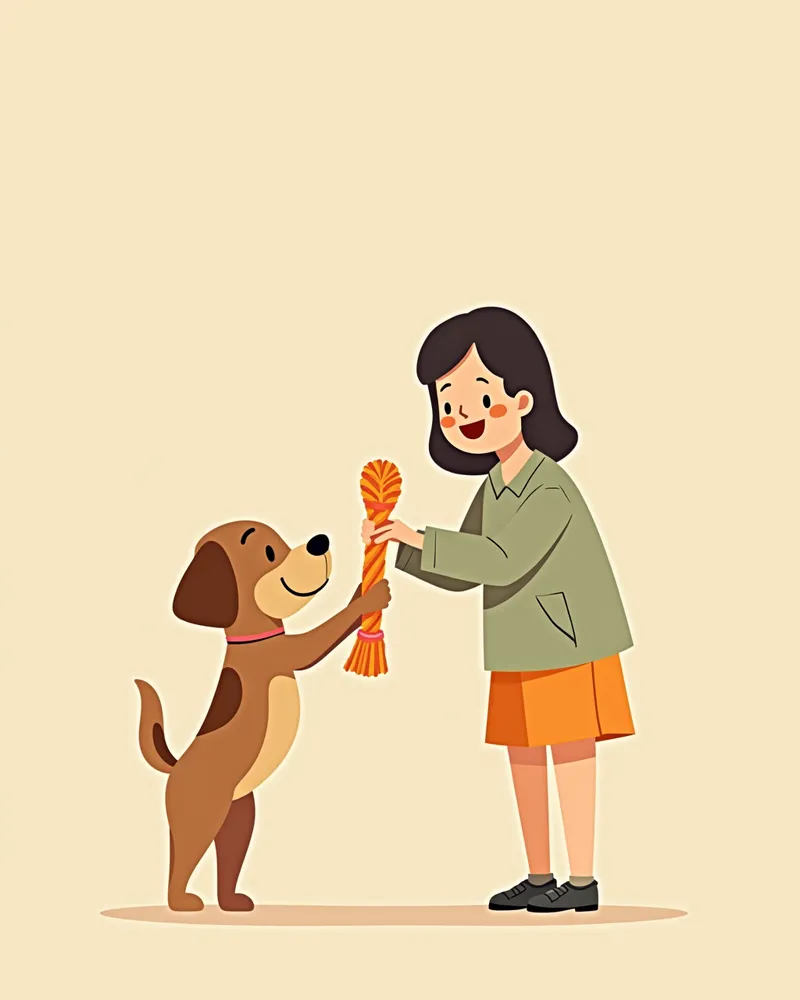
In veterinary behavior science, the most highly recommended core principle is not punishment, but positive reinforcement. When your dog remains calm and refrains from biting, generously reward this behavior with praise and treats. This naturally reinforces the desired behavior. For mouthing during play, respond with a brief "Ouch!" and then ignore the dog or withdraw your attention for 30 to 60 seconds. This teaches the dog that biting ends the fun. As soon as mouthing begins, immediately redirect the behavior by offering a chew toy. Conversely, punitive or aversive methods such as hitting the dog or forcibly holding its mouth shut are not recommended, as they can increase fear, anxiety, and stress, potentially worsening aggression. Punishment-based methods are also no more effective than reward-based approaches.
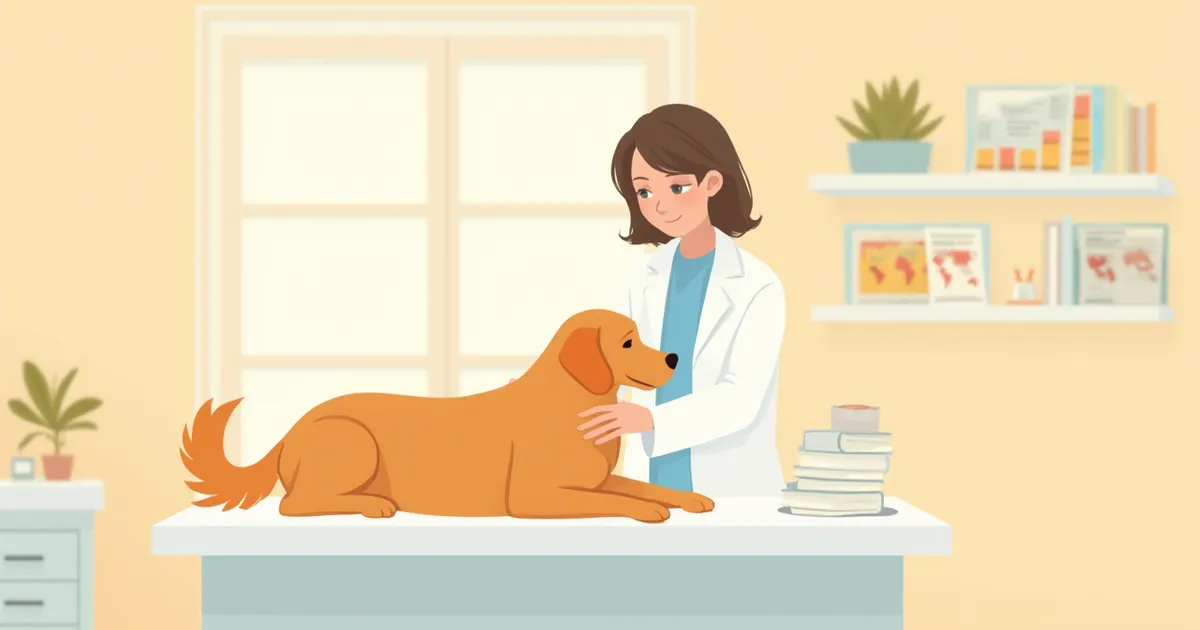
A scene of a guardian correcting a puppy's biting behavior through training with a toy

In These Cases, Consult a Professional Before Training

If your dog growls while biting, causes injury to people or other animals (level 3 or higher), shows sudden onset of aggression (especially in adult dogs), or shows no improvement after 2–4 weeks of corrective training, consult a veterinary behaviorist or a certified pet behavior specialist. If pain is the underlying cause, medical treatment should take priority over training.

Age-Specific Correction Approaches — Methods Vary by Stage
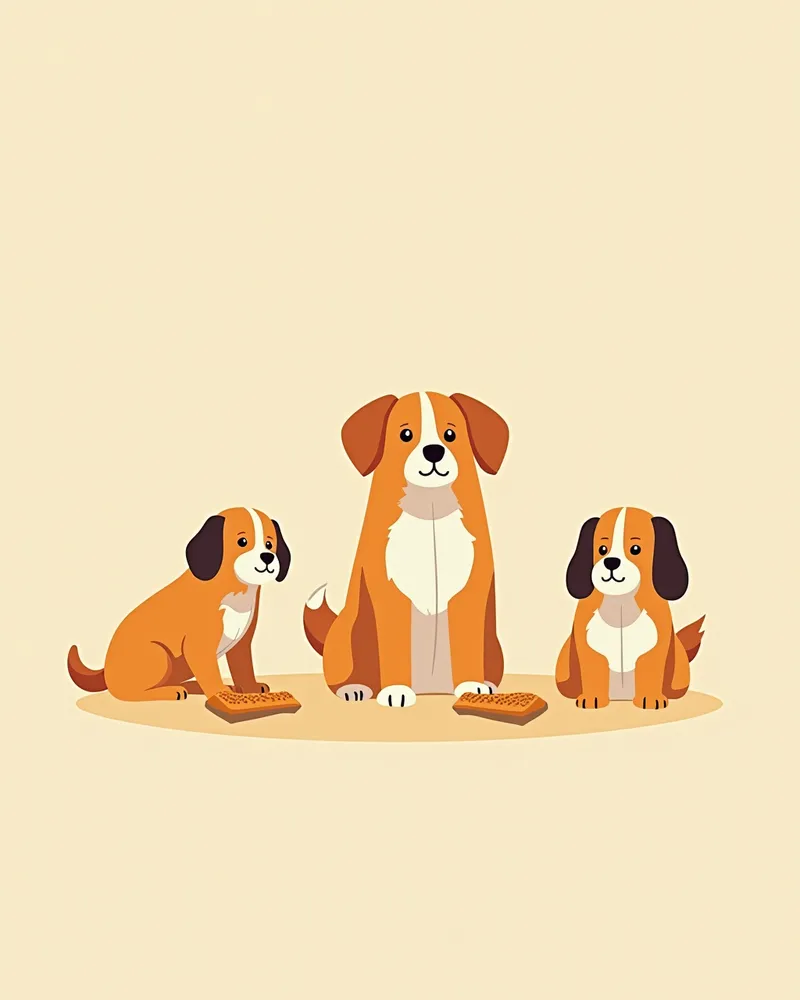
8 weeks to 3 months of age: This is the time when puppies naturally learn bite inhibition through play with their littermates. Teach them that if they bite a human hand too hard, playtime ends.
3 to 6 months of age (teething period): Itchy gums make them want to chew on everything. Frozen carrots or specialized teething toys can help.
Adult dogs (6 months and older): Correction takes longer but is certainly possible. Consistent responses and patience are key. If your dog suddenly becomes aggressive at this stage, rule out medical causes first.
Bite Correction Stages for Dogs by Age — Puppyhood, Teething, and Adulthood

Do Not Use These Methods — Incorrect Correction Techniques

Here are some common but ineffective approaches:
Hitting the nose: This simultaneously increases fear and aggression.
Forcibly holding the mouth: This often triggers a stronger biting response.
Alpha rolling (dominance pinning): This is not recommended by modern veterinary behaviorists.
Scolding long after the incident: Dogs cannot connect the punishment with a behavior that happened in the past.
Spraying water or startling with loud noises: For some dogs, this can actually increase aggression.
Rewarding your dog generously when they choose not to bite is far more effective than any form of punishment.

All Family Members Must Respond in the Same Way

If one person allows a behavior while another scolds the dog, it creates confusion. Make sure everyone in the household follows the same correction rules, and inform guests in advance. Inconsistent responses can leave the dog unsure of what is acceptable, making training take longer and become more difficult. Consistency is the foundation of all behavior modification.

Reviewed by a veterinarian

Dr. Tony — Punnawat Phongkittirak

Dr. Tony — Punnawat Phongkittirak

Veterinarian

A veterinarian who majored in veterinary medicine at Khon Kaen University, Thailand, and completed the IVSA program at North Carolina State University in the United States. Drawing on clinical experience at animal hospitals, he works in the pet healthcare field and is dedicated to building a digital care environment that connects pet parents with veterinarians.

Frequently Asked Questions About Puppy Bite Correction

At what age should bite correction begin for the best results?
The ideal window is between 8 weeks and 3 months of age, as this is when puppies most rapidly develop bite inhibition. However, adult dogs can also be successfully corrected with consistent training.
What should I do if my dog bites me during training?
When your dog lets out a short "Ouch!", ignore them or step away for 30 to 60 seconds. Continuing to interact while they're excited can actually reinforce the behavior. It's best to approach them again once they've calmed down.
Is it really necessary to hire a professional trainer or a behavior modification specialist?
Mild play-biting can be corrected by the owner directly. However, if the biting is at stage 3 or higher, accompanied by aggression, or shows no improvement after 2–4 weeks of correction, seeking help from a certified behavior modification specialist will yield faster results.
The biting has suddenly become more severe. What could be the reason?
Sudden changes in aggression can be caused by pain or underlying medical conditions. Issues like joint pain, ear infections, or vision loss may manifest as aggressive behavior. It’s important to have your pet examined by a veterinarian to rule out any medical causes before starting behavioral training.
Wearing gloves can help prevent bites, right?
Gloves may offer temporary protection, but they don’t correct the behavior. In fact, they might signal to your dog that biting is acceptable. Consistent training is far more effective in the long run than relying on protective gear.

Share

Related Guides

References

[1] Overall KL. Manual of Clinical Behavioral Medicine for Dogs and Cats. 1st ed. Elsevier Mosby; 2013.

[2] Landsberg G, Hunthausen W, Ackerman L. Behavior Problems of the Dog and Cat. 3rd ed. Saunders Elsevier; 2012.

[3] Dunbar I. After You Get Your Puppy. James & Kenneth Publishers; 2001.

This information is based on veterinary literature and does not replace diagnosis or treatment. Please consult a veterinarian for specific health concerns.

Metapet Co., Ltd. | CEO: Park Sung-yong | Business Reg. No. 417-88-02562 | Seoul, South Korea | Customer Center

How to Correct Puppy Biting — When Does It Stop? | Meongsiljang