Like
Share
멍실장
고양이 만성 치은구내염 자주 묻는 질문 Q&A — 보호자가 꼭 알아야 할 핵심

Feline Chronic Gingivostomatitis FAQ — Key Information for Pet Owners

Oral HealthQ&AMeongsiljang Veterinary Advisory Board

Feline chronic gingivostomatitis is a chronic inflammatory condition that causes severe oral pain, potentially leading to difficulty eating and weight loss. Early detection and proper management are essential.

What is Feline Chronic Gingivostomatitis?
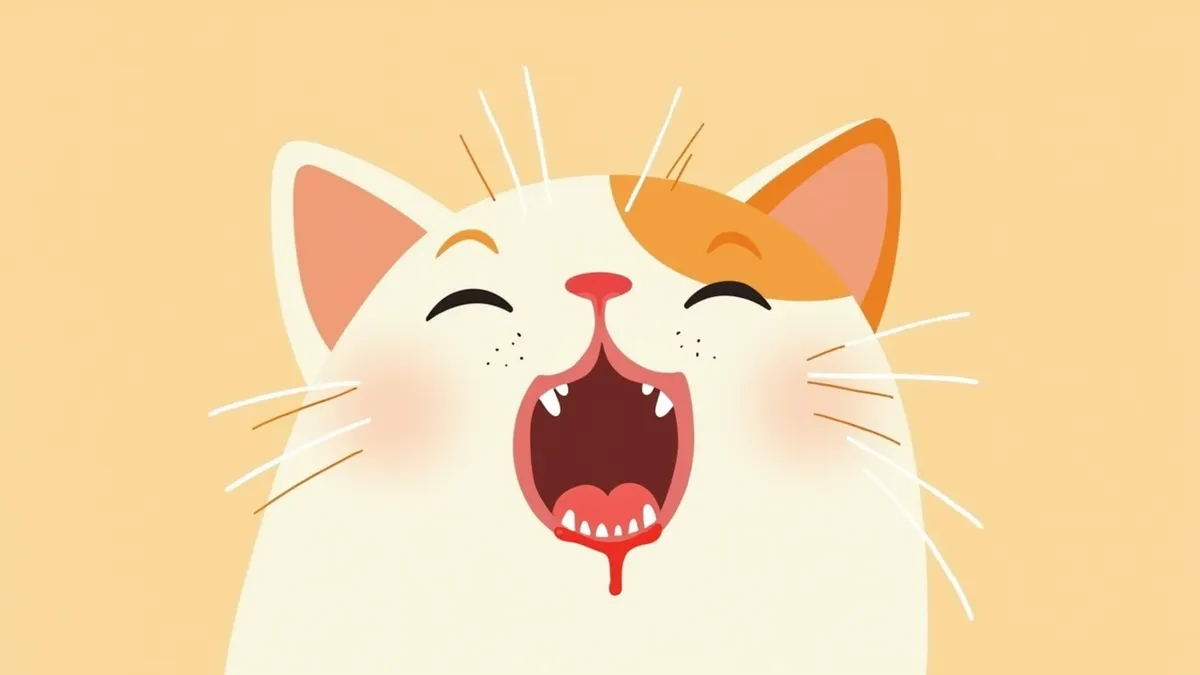
A cat’s severely inflamed gums and oral mucosa
Feline chronic gingivostomatitis is a condition in which persistent inflammation develops in the gums around the teeth and the oral mucosa, causing severe pain in the mouth and making even eating distressing. - Chronic gingivostomatitis: This is a long-standing chronic inflammatory state that tends to worsen over time, potentially leading to decreased appetite and weight loss. - Causes of inflammation: An excessive immune response to dental plaque is known to be the primary cause, though calicivirus infection and changes in immune status can also play a role. - Symptom characteristics: Affected cats often exhibit severe bad breath, difficulty swallowing food, frequent drooling, and behaviors such as pawing at their face. - Importance of early detection: Early diagnosis and appropriate management are crucial for relieving pain and improving quality of life. - Prerequisites for treatment: Accurate diagnosis requires basic blood and biochemical tests to rule out other diseases, followed by a biopsy if necessary to confirm the diagnosis before establishing a treatment plan.

What are the main causes of this condition?

The exact cause of chronic feline stomatitis is not yet fully understood, but it is likely due to a combination of factors. The most commonly cited cause is an excessive inflammatory and immune response to dental plaque. Additionally, infections with feline calicivirus or Bartonella henselae are known to be associated with the condition. This disease is more frequently observed in cats with altered immune status or underlying immune system abnormalities.
The process of an immune response occurring in a cat's mouth

What symptoms appear?

Feline chronic gingivostomatitis can manifest through various signs. Difficulty opening the mouth or eating is the most common symptom. You may notice severe bad breath and frequent drooling. In severe cases, cats may refuse food or experience rapid weight loss. The inside of the mouth may appear red and swollen, with possible bleeding. Your cat might also frequently lick its mouth or scratch its face. If these symptoms persist, it is essential to consult a veterinarian.
A cat showing signs of oral pain

Signs requiring immediate veterinary visit

If your cat refuses to eat or drink for more than 24 hours, seek veterinary care immediately. A noticeable decline in appetite and water intake accompanied by lethargy, or persistent bleeding from the mouth, also requires urgent attention. Reduced food and water consumption can quickly lead to dehydration and malnutrition. These situations demand prompt evaluation and treatment by a veterinarian.

Comparison of responses by symptom severity

ItemMildModerateSevere
Main SymptomsSlight bad breath, occasional refusal to eatPersistent drooling, difficulty eatingRefusal of food, rapid weight loss, bleeding
How to RespondEnhanced oral care, veterinary consultationAnti-inflammatory prescription, teeth cleaningTooth extraction required under general anesthesia
Treatment ExpectationsGoodFairUncertain (high chance of recurrence)

As symptoms worsen, treatment becomes more complex and it can take a long time to achieve a full recovery.

What are the treatment methods?
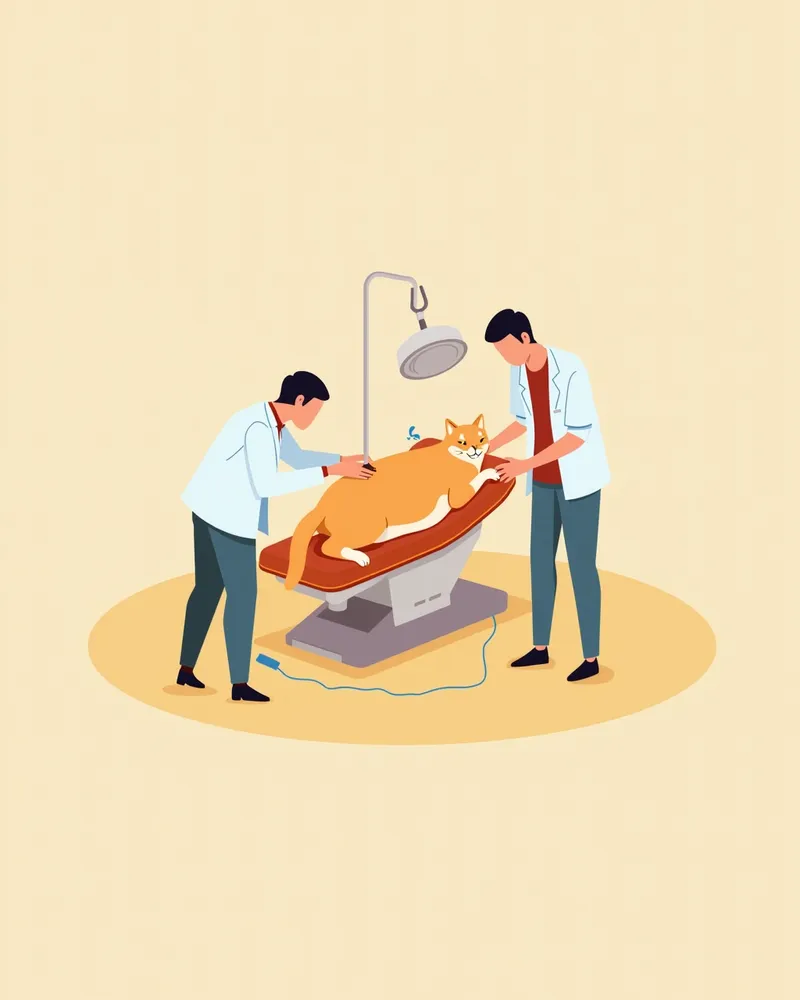
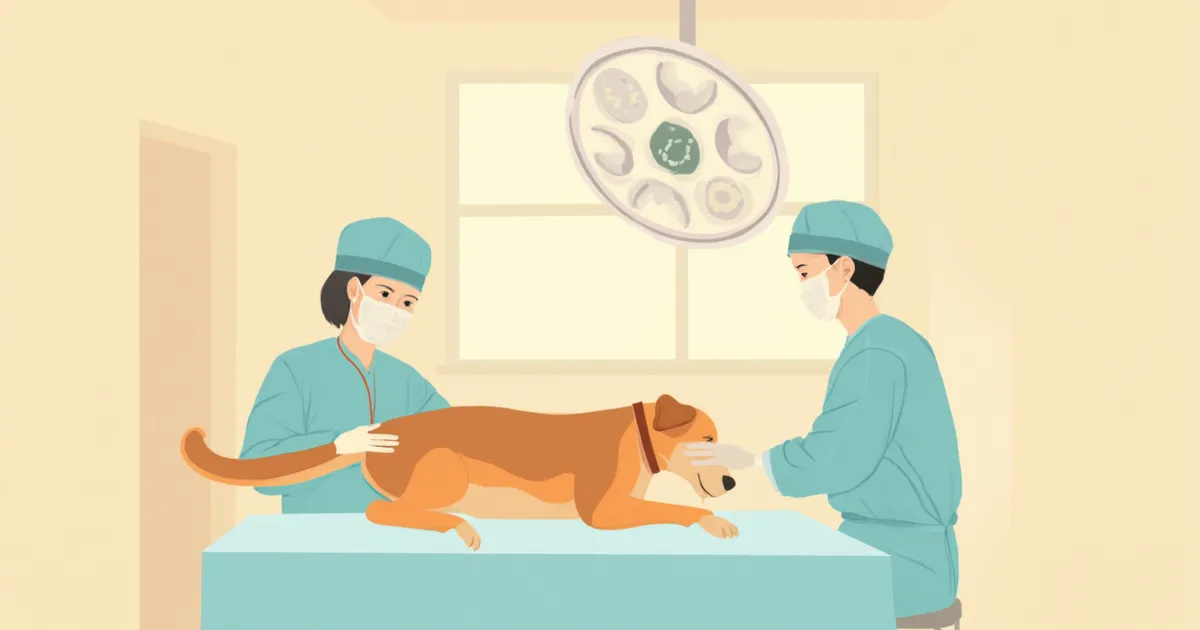
Treatment is carried out in stages, depending on the patient’s condition. - Initial treatment: Plaque and tartar are removed through oral cleaning, and anti-inflammatory or immunosuppressive medications are administered to control inflammation. - Mid-term management: If pain is severe or teeth are damaged, tooth extraction surgery may be necessary. Removing some or all affected teeth can significantly reduce pain and improve quality of life. - Post-surgical care: Regular oral care and continued medication are essential even after surgery. - Keys to successful treatment: Early intervention leads to better outcomes, and consistent cooperation with your veterinarian is crucial. - Treatment goals: The main objective is to help your cat return to normal daily life by relieving pain and preventing recurrence.
During a cat’s tooth extraction surgery under anesthesia

Management methods you can do at home

Maintaining your cat’s oral health at home requires consistent care. - Daily brushing: Using cat-specific toothpaste and a toothbrush, brushing daily is the most effective way to reduce plaque buildup. - Use oral care supplements: Help reduce plaque with veterinarian-recommended dental treats or wipes. - Regular professional cleanings: In addition to home care, professional scaling and polishing under anesthesia every 3–4 months can be beneficial. - Diet management: Provide soft, easily digestible food and maintain regular meal times. - Environmental adjustments: Keep the environment quiet to minimize stress and respect your cat’s habits. - Ongoing monitoring: Regularly check for changes in your cat’s mouth and consult your veterinarian immediately if you notice any abnormal signs.
The owner gently brushing their cat’s teeth

Points to note: Improper care can worsen the condition

When a cat’s mouth hurts, it often licks or scratches the area frequently. If left untreated, the wound can deepen. Never attempt to pull out your cat’s teeth at home or administer strong medications on your own. Improper care can worsen the pain and prolong recovery. Always follow your veterinarian’s instructions for proper management.

Reviewed by a veterinarian

Dr. Tony — Punnawat Phongkittirak

Dr. Tony — Punnawat Phongkittirak

Veterinarian

A veterinarian who majored in veterinary medicine at Khon Kaen University, Thailand, and completed the IVSA program at North Carolina State University in the United States. Drawing on clinical experience at animal hospitals, he works in the pet healthcare field and is dedicated to building a digital care environment that connects pet parents with veterinarians.

Frequently Asked Questions

My cat won’t open its mouth. Could this be stomatitis?
Refusing to open the mouth is a common sign of stomatitis, as the pain inside the mouth triggers a reflex to avoid further irritation. Your pet should be examined by a veterinarian immediately.
Will my cat have trouble eating if all of its teeth are extracted?
Removing teeth does not significantly impair a cat’s ability to eat. In fact, by eliminating the source of pain, tooth extraction often reduces discomfort and can actually improve appetite. Some cats experience relief from their discomfort only after having some or nearly all of their teeth removed.
Can this condition recur?
These conditions often recur or respond poorly to treatment. Because they are challenging to manage, a multifaceted approach combining medical and surgical interventions is typically necessary. Regular check-ups, diligent oral care, and a long-term management plan developed in partnership with your veterinarian are essential.
Can it be cured with medication alone?
Medications can help alleviate symptoms, but they do not guarantee a cure. In many cases, extraction is the most effective long-term treatment strategy, and ongoing management alongside medical therapy is necessary. Relying on medication alone may allow inflammation to persist.
Can young kittens also develop this disease?
Kittens can also develop inflammation in their mouths. However, "juvenile gingivitis and periodontitis" occurring in cats under one year of age is a distinct condition separate from chronic stomatitis. If left untreated, it can lead to tooth loss, but with appropriate professional treatment combined with home care, symptoms may improve by around two years of age. Early detection is crucial, so regularly check your cat's oral health.

Share

Related Guides

References

[1] Clinical Medicine of the Dog and Cat, 4th Ed. (2023). Chapter 5: Diseases of the Oral Cavity and Teeth.

[2] The Cat, Clinical Medicine and Management, 2nd Edition. (2021). Section on Feline Gingivostomatitis.

[3] Harvey, C.E. (2019). Stomatitis in Cats: Diagnosis and Management. Journal of Feline Medicine and Surgery, 21(5), 345–356.

This information is based on veterinary literature and does not replace diagnosis or treatment. Please consult a veterinarian for specific health concerns.

Metapet Co., Ltd. | CEO: Park Sung-yong | Business Reg. No. 417-88-02562 | Seoul, South Korea | Customer Center

Cat Chronic Gingivostomatitis Q&A: Symptoms to Treatment | Meongsiljang