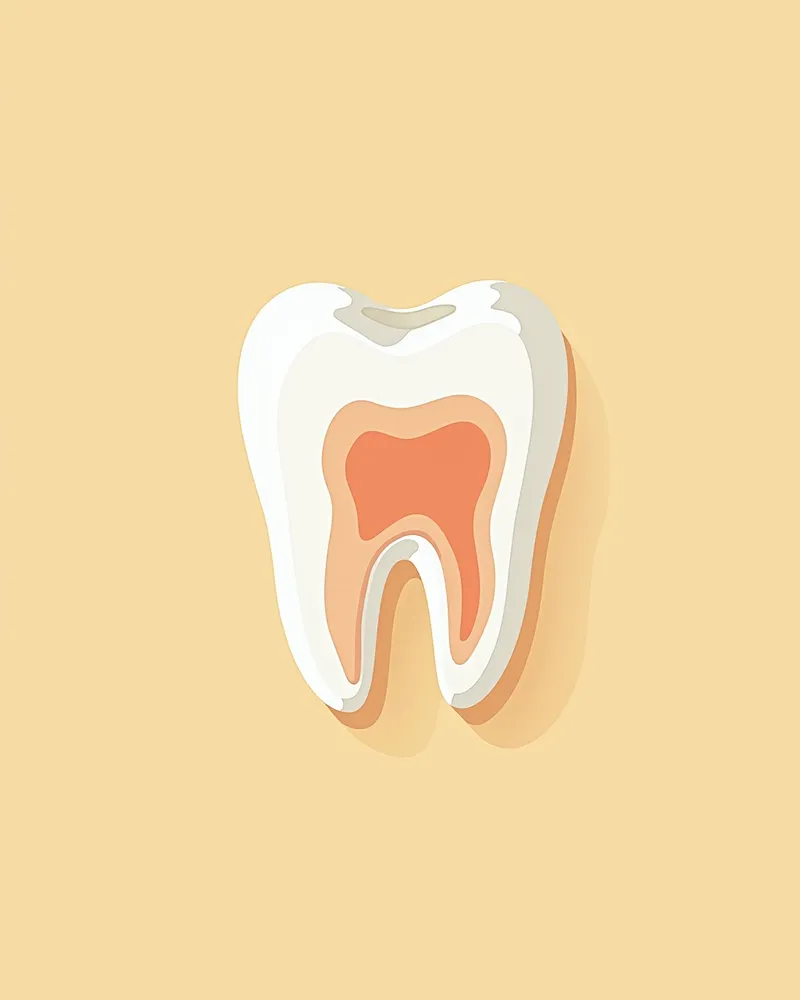
Like
Share
멍실장
고양이 법랑질 저형성 자주 묻는 질문 Q&A — 보호자가 꼭 알아야 할 핵심

Feline Enamel Hypoplasia FAQ — Key Information Every Pet Owner Should Know

Oral HealthQ&AMeongsiljang Veterinary Advisory Board

Feline enamel hypoplasia is a genetic condition present at birth in which the tooth enamel fails to develop properly, causing the teeth to appear with white or brown spots and cracks. Pet owners should be familiar with the early signs and proper care methods.

What is feline enamel hypoplasia?
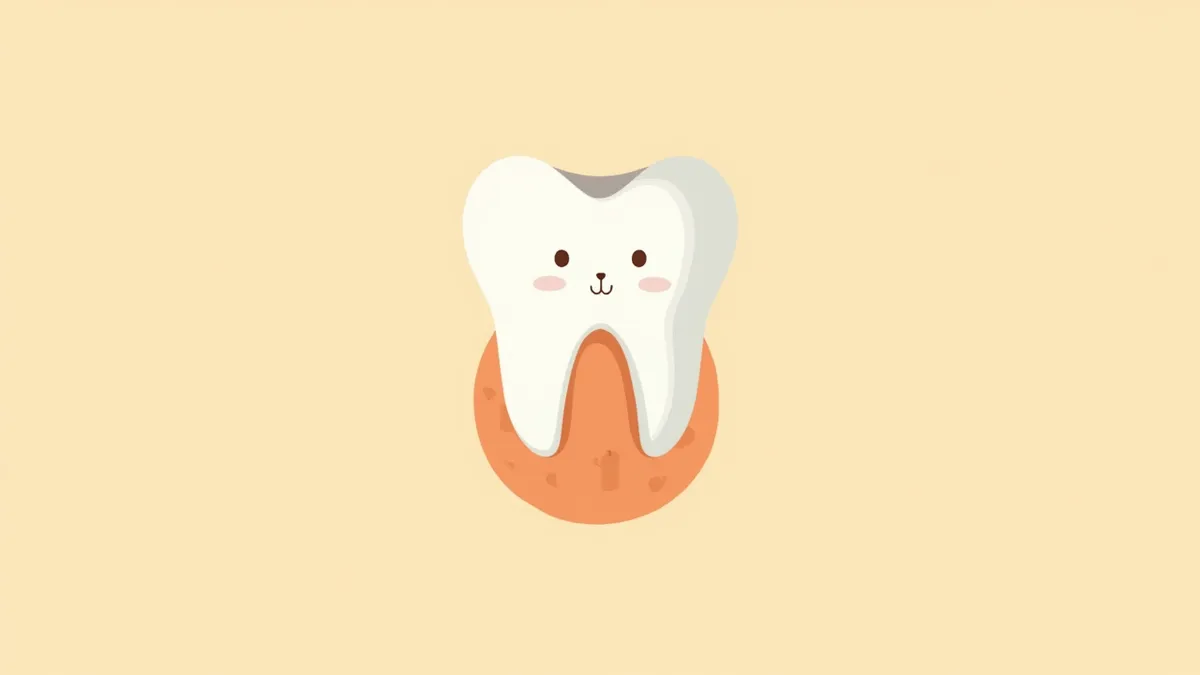
Abnormal tooth structure caused by enamel hypoplasia
Feline enamel hypoplasia is a condition in which the enamel, the outermost layer of the tooth, fails to develop fully during formation. When the enamel is thin or incomplete, the tooth surface may show white or brown discoloration, roughness, or small defects, exposing the weaker underlying tissue and making it more susceptible to bacteria and irritation. This can lead to easy tooth damage, food impaction, and oral discomfort that may reduce appetite or cause the cat to chew on only one side. Early changes can be subtle and hard to notice, so consistent monitoring for shifts in breath odor or eating habits is essential. Careful observation by the owner to detect changes in dental health early on greatly aids management. Since enamel that has already formed cannot be restored, a complete cure is often difficult; however, appropriate care such as daily tooth brushing for plaque control and regular oral examinations can help minimize complications and maintain quality of life.

What are the main causes of this condition?

Enamel hypoplasia occurs when the formation of tooth enamel is disrupted during the developmental stage when enamel is being produced. Various factors, such as infections or systemic health issues during this critical period, can affect enamel development. In cats, viral infections during the fetal or neonatal stages are known to cause underdevelopment of growing tissues, making health care during these early stages particularly important. There is no clear evidence that this condition is more common in specific breeds, and similar feline dental diseases have not shown a strong predisposition based on sex, breed, or neuter status. For accurate diagnosis and risk assessment, consult with a veterinarian, and diagnostic tools such as genetic testing may be used when necessary. Understanding the underlying causes and maintaining consistent oral care from an early age can help prevent complications.
Enamel formation gene mutation

What symptoms appear?

Enamel hypoplasia is characterized by visible changes such as white or brown discoloration on the tooth surface, a rough texture, and small defects. As the condition progresses, teeth become prone to damage, and food impaction can lead to oral discomfort or pain, causing your pet to avoid eating. You may notice a decreased appetite, dropping food from the mouth, chewing on only one side, or actively avoiding meals. Bad breath (halitosis), gum inflammation, and oral bleeding may also be observed. These signs can indicate oral pain or disease. If you suspect even mild symptoms, regular dental check-ups for early detection and consultation with a veterinarian are recommended.
Abnormalities in the tooth surface due to enamel hypoplasia

How is this condition diagnosed?

The veterinarian begins by directly examining your cat’s mouth and teeth, checking for any abnormalities such as discoloration or missing tooth structure. If a thorough examination is necessary, the vet may perform a complete oral inspection under sedation. When needed, dental X-rays are taken to evaluate the internal tooth structure and root condition, helping to distinguish between different dental diseases. Basic tests, such as blood work, may also be conducted to identify systemic illnesses or underlying causes, and genetic testing may be used in certain cases. Regular dental check-ups are especially important for young cats, as early diagnosis plays a key role in preventing complications and developing a tailored care plan.
A scene of a cat undergoing an oral examination

Comparison of Stage-Specific Symptoms and Management for Enamel Hypoplasia

ItemMain SymptomsResponse
MildOnly white spots or slight discoloration on the teethConsistent plaque management such as daily brushing, regular oral check-ups
ModerateBrown discoloration, surface roughness, small defects occurVeterinary examination, professional dental treatment (scaling/polishing), pain management if needed
SevereTooth damage, pain, accompanied by gum inflammationExtraction of affected areas, pain management, ongoing professional care

Stage-by-stage management is important for maintaining dental health.

What are the treatment methods?

Treatment and management depend on the severity of symptoms. The most fundamental step is consistent plaque control through daily tooth brushing, making regular at-home care by the owner essential. In addition, periodic professional dental treatments performed by a veterinarian, such as scaling and polishing under anesthesia, help maintain dental health. If discomfort or pain is present, pain-relieving treatments can be provided, and teeth that are severely damaged or difficult to clean may require extraction. Treatment is not a one-time event; ongoing management is essential, with regular check-ups and daily care being key. It is important to work closely with your veterinarian to maintain long-term oral health.
The process of dental treatment for cats

Signs Requiring Immediate Veterinary Visit

If your cat refuses to eat, drops food from its mouth, chews on only one side, or if you notice bad breath or bleeding in the mouth, these could be signs of oral pain or disease, so it’s important to visit a vet as soon as possible. Severe pain can lead to a significant loss of appetite and a rapid decline in health. Early intervention can greatly aid in treatment and management.

What are the daily care tips?

- Daily brushing: The most effective way to maintain your pet’s oral health is to brush their teeth daily with a soft toothbrush to reduce plaque buildup. - Consistent at-home oral care: If your pet is resistant to brushing, gradually help them get used to it and ensure they receive daily, thorough care. - Regular professional dental care: Schedule regular check-ups with your veterinarian for professional cleanings, including scaling and polishing. - Monitor eating habits: Keep an eye out for food getting stuck or difficulty chewing. If your pet seems uncomfortable, consult your vet about adjusting their diet. - Check oral health: Look for signs such as tooth discoloration or loss, gum inflammation, or changes in breath odor. - Observe behavior: Pay close attention to any changes in eating habits, such as chewing on one side only or a decrease in appetite.
Regular dental cleanings for cats

Reviewed by a veterinarian

Dr. Tony — Punnawat Phongkittirak

Dr. Tony — Punnawat Phongkittirak

Veterinarian

A veterinarian who majored in veterinary medicine at Khon Kaen University, Thailand, and completed the IVSA program at North Carolina State University in the United States. Drawing on clinical experience at animal hospitals, he works in the pet healthcare field and is dedicated to building a digital care environment that connects pet parents with veterinarians.

Frequently Asked Questions

Can enamel hypoplasia in cats improve as they grow?
Enamel hypoplasia is a developmental defect that occurs during tooth formation, so once the enamel has fully formed, it cannot regenerate or heal on its own. However, consistent plaque control and regular veterinary check-ups can help prevent complications.
Can this condition be transmitted to other cats?
Enamel hypoplasia itself is not a contagious disease that spreads to other cats like bacteria. However, if you want to know the exact cause or risk level, consult your veterinarian, who may recommend tools such as genetic testing when necessary.
Are kittens at a higher risk?
Enamel hypoplasia is a condition that occurs during tooth development, so discoloration or defects may become visible as soon as the affected teeth begin to erupt. Therefore, it is important to regularly check your pet's oral health from a young age to detect the issue early.
Can changing your pet’s food improve their dental health?
Changing your pet’s food alone won’t cure enamel hypoplasia. The most important step is daily toothbrushing to control plaque buildup, and if chewing seems uncomfortable, consult your veterinarian to adjust their diet accordingly.
Do cats with enamel hypoplasia need to have their teeth extracted?
If the pain is severe, the tooth damage is significant, or the affected area is difficult to clean, extraction may be necessary. In many other cases, consistent plaque management and regular check-ups are sufficient for ongoing care.

Share

Related Guides

References

[1] The Cat, Clinical Medicine and Management, 2nd Edition. Elsevier, 2023.

[2] Buckley RM, Gandolfi B, Creighton EK, et al. Werewolf, there wolf: variants in hairless associated with hypotrichia and roaning in the Lyk. Vet Dermatol. 2021;32(3):e13987.

[3] Genetic testing is an important diagnostic tool for the veterinarian, breeder, and owner. Genetic tests are not foolproof, but can identify carriers of enamel hypoplasia. In: The Cat, Clinical Medicine and Management, 2nd Edition. Elsevier, 2023.

This information is based on veterinary literature and does not replace diagnosis or treatment. Please consult a veterinarian for specific health concerns.

Metapet Co., Ltd. | CEO: Park Sung-yong | Business Reg. No. 417-88-02562 | Seoul, South Korea | Customer Center

Feline Enamel Hypoplasia: 5 Frequently Asked Questions | Meongsiljang