

Feline Oral Bacteria and Systemic Diseases FAQ — Key Information for Pet Owners
Oral bacteria in cats can lead to systemic diseases such as heart disease and kidney disorders, going beyond just bad breath. Here’s a summary of essential information that pet owners should know.
What is the relationship between feline oral bacteria and systemic diseases?

What is the mechanism by which oral bacteria affect the whole body?

5 Key Signs That Oral Bacteria Are Causing Systemic Diseases

Signs Requiring an Immediate Veterinary Visit
If your cat develops bad breath, loses its appetite, drools excessively, frequently scratches around its mouth, or shows noticeable weight loss, it’s best to visit a veterinarian as soon as possible. Advanced periodontal disease can cause pain and tooth loss, and in rare cases, even jaw fractures. Additionally, oral inflammation may stem from systemic conditions, so a comprehensive evaluation including blood and urine tests might be necessary. Delaying treatment can lead to further damage, making early intervention crucial. Regular dental check-ups are especially important for older cats.
Comparison of the Severity of Oral Bacteria and Systemic Diseases

5 Oral Care Methods You Can Do at Home
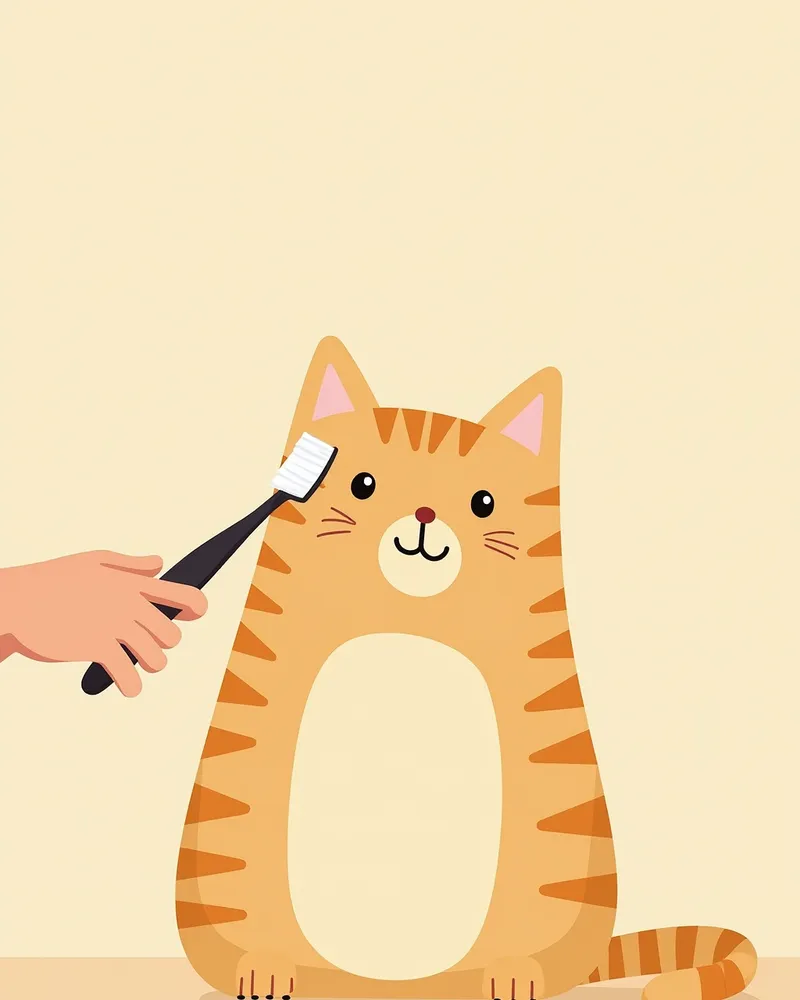
4 Supplemental Ingredients That Help Manage Oral Bacteria

Precautions: Risks of Improper Care
Using human toothpaste or toothbrushes on cats can be dangerous. Human products are toxic if swallowed. Additionally, suddenly introducing a toothbrush can cause stress, often leading to the cat refusing to open its mouth. Start care gradually and create positive experiences. Forcing the process can actually worsen oral health.
Reviewed by a veterinarian

Dr. Tony — Punnawat Phongkittirak
VeterinarianA veterinarian who majored in veterinary medicine at Khon Kaen University, Thailand, and completed the IVSA program at North Carolina State University in the United States. Drawing on clinical experience at animal hospitals, he works in the pet healthcare field and is dedicated to building a digital care environment that connects pet parents with veterinarians.
Reviewed 2026-06-07
Frequently Asked Questions
My cat has bad breath. Could it be a serious problem?
I’ve heard that oral bacteria can cause heart disease. Is that true?
Should I clean my cat's teeth?
When should I start giving my pet oral health supplements?
Is there a connection between oral bacterial issues and a cat's age?
Share
Related Guides

7 Best Cat Dental Chews for Tartar Prevention Recommended by Veterinarians and Selection Criteria

Top 5 Recommended Dental Treats for Dogs in 2026 — VOHC Certification Criteria

7 Criteria for Choosing Dog Tartar Prevention Dental Chews Recommended by Veterinarians

Complete Guide to Stages 1-4 of Feline Cognitive Dysfunction
Feline Hyperthyroidism vs. Hypothyroidism: What’s the Difference?

What Is a Feline Food Allergy Trial? — From Elimination Diet Procedure to Interpretation

Understanding Feline Idiopathic Cystitis (FIC) in Detail

How to Separate Territories in a Multi-Cat Household?

Can Cats Be Walked Too? — Key Points and Precautions for Harness Training

How to Use a Cat Puzzle Feeder: Nosework Benefits and How to Start
References
[1] Frymus T, Addie DD, Boucraut-Baralon C, et al. Streptococcal infections in cats: ABCD guidelines on prevention and management. J Feline Med Surg. 2015;17:620–625.
[2] Le Boedec K. A systematic review and meta-analysis of the association between Mycoplasma spp. and upper and lower respiratory tract disease in cats. J Am Vet Med Assoc. 20...
[3] Pesavento PA, Bannasch MJ, Bachmann R, et al. Fatal Streptococcus canis infections in intensively housed shelter cats. Vet Pathol. 2007;44(2):218–221.