
Like
Share
멍실장
고양이 신장 기능 보조제(오메가3 등) 자주 묻는 질문 Q&A — 보호자가 꼭 알아야 할 핵심

Can Cats with Poor Kidney Function Take Omega-3? — A Complete Guide to Effects and Feeding Precautions

KidneyQ&AMeongsiljang Veterinary Advisory Board

We’ve compiled frequently asked questions about feline kidney support supplements, focusing on omega-3 ingredients. Here’s a quick overview of the key information every pet owner should know.

Feline Kidney Support Supplements: Does Omega-3 Really Help?

A microscopic image showing the inflammatory state of a cat's kidney cells, with omega-3 reducing inflammation
Omega-3 fatty acids (EPA and DHA) are used as a supportive component in feline kidney care and are commonly added to renal prescription diets alongside antioxidants. - Inflammation control: EPA and DHA help reduce excessive inflammatory responses by decreasing the production of pro-inflammatory eicosanoids. - Proteinuria management: Studies have shown that fish oil (Omega-3) supplementation can help reduce protein loss in urine (proteinuria). - Renal diet composition: Kidney-specific diets are formulated with increased levels of Omega-3s and antioxidants. - Support for slowing progression: Omega-3s are recommended as an adjunctive therapy for managing kidney disease, playing a supportive role rather than serving as a standalone treatment. - Individual response: The degree of effectiveness varies from cat to cat. However, since a safe upper limit has not been established for cats, veterinary guidance is necessary to determine whether to start supplementation and what dosage to use.

When Should You Start Omega-3 Supplements?

If your cat has been diagnosed with chronic kidney disease (CKD) or shows early signs of declining kidney function, you may discuss the use of omega-3 supplements with your veterinarian. The progression of CKD varies significantly among individual cats, and earlier detection and management of progression-related factors such as anemia, proteinuria, and hyperphosphatemia are associated with better outcomes. Therefore, early diagnosis and timely intervention are crucial. Your veterinarian will determine the appropriate timing and dosage for supplement use by comprehensively evaluating your cat’s weight, overall health status, and blood and urine test results. Because the ideal start time varies greatly from cat to cat, professional veterinary assessment is essential.
An elderly cat is resting comfortably while the veterinarian reviews its blood test results.

5 Main Benefits of Omega-3 Supplements
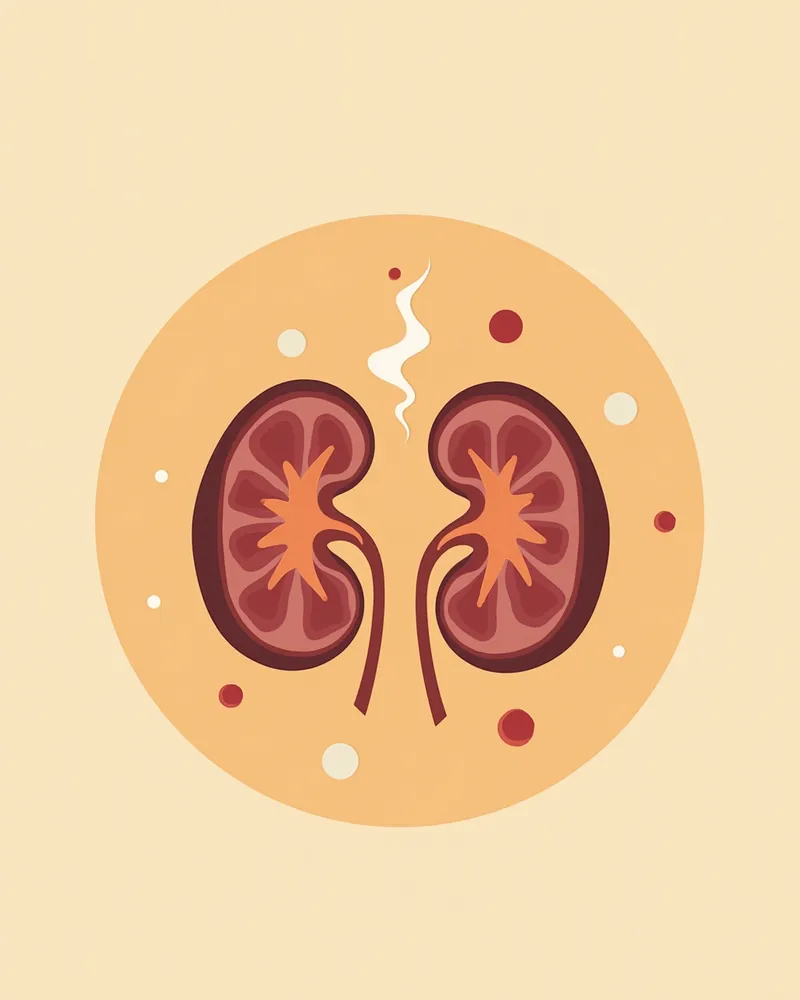
In feline kidney care, the expected benefits of omega-3 fatty acids can be summarized as follows:
Inflammation modulation: EPA and DHA help mitigate excessive inflammatory responses by reducing the production of inflammatory eicosanoids.
Proteinuria management: Studies suggest that fish oil supplementation can help reduce the amount of protein excreted in urine.
Enhanced therapeutic diet components: Prescription renal diets are formulated with increased levels of omega-3 fatty acids and antioxidants.
Support for slowing disease progression: Omega-3s are recommended as an adjunctive measure in managing kidney disease.
Individual variation: Efficacy and appropriate dosage vary from cat to cat.
These mechanisms are based on research into fish oil supplementation and the formulation rationale for prescription diets. However, it is important to understand that omega-3s serve as a supportive aid rather than a standalone treatment.
An image comparing healthy kidney cells with damaged ones, showing omega-3 molecules surrounding the cells.

How to Administer Omega-3 Supplements and Precautions

Omega-3 supplements are typically given with meals, and the exact dosage should be determined by your veterinarian based on your cat’s weight and health condition. Since the safe upper limit for omega-3 fatty acids (EPA + DHA) in cats has not been clearly established, it is important to avoid increasing the dose arbitrarily and to stick to the recommended amount. Additionally, you should adjust the supplement dose by considering the omega-3 content already present in your cat’s current diet, so please inform your veterinarian if your cat is on a prescription diet. When administering omega-3 supplements alongside other medications, consult your veterinarian due to potential drug interactions. If you notice any adverse reactions such as diarrhea or vomiting after administration, stop giving the supplement and seek veterinary care.
A cat enjoying a treat mixed with omega-3 capsules.

What to Check Before Starting Omega-3 Supplements

If your cat already has severe kidney dysfunction or is in poor overall health, a veterinarian’s assessment is essential before starting any supplement. In cats, the safe upper limit for omega-3 fatty acids (EPA + DHA) has not been established, so caution is needed with high doses. Do not start supplementation on your own; instead, have your cat diagnosed first and let your veterinarian determine whether to use supplements and at what dosage.

Comparison Table of Omega-3 Supplement Types

ItemProduct AProduct BProduct C
Main IngredientsEPA 200mg, DHA 150mgEPA 180mg, DHA 120mgEPA 250mg, DHA 200mg
FormulationLiquidCapsuleJelly
Additional IngredientsVitamin EPropolisNone
Daily Dosage1 tablet1 tablet1 tablet
Price (based on 30 days)$10$10$10

Product C is specialized for kidney protection with high-dose omega-3, but it is expensive. Product B is an inexpensive and stable choice.

Ingredients to Take Alongside Omega-3 Supplements
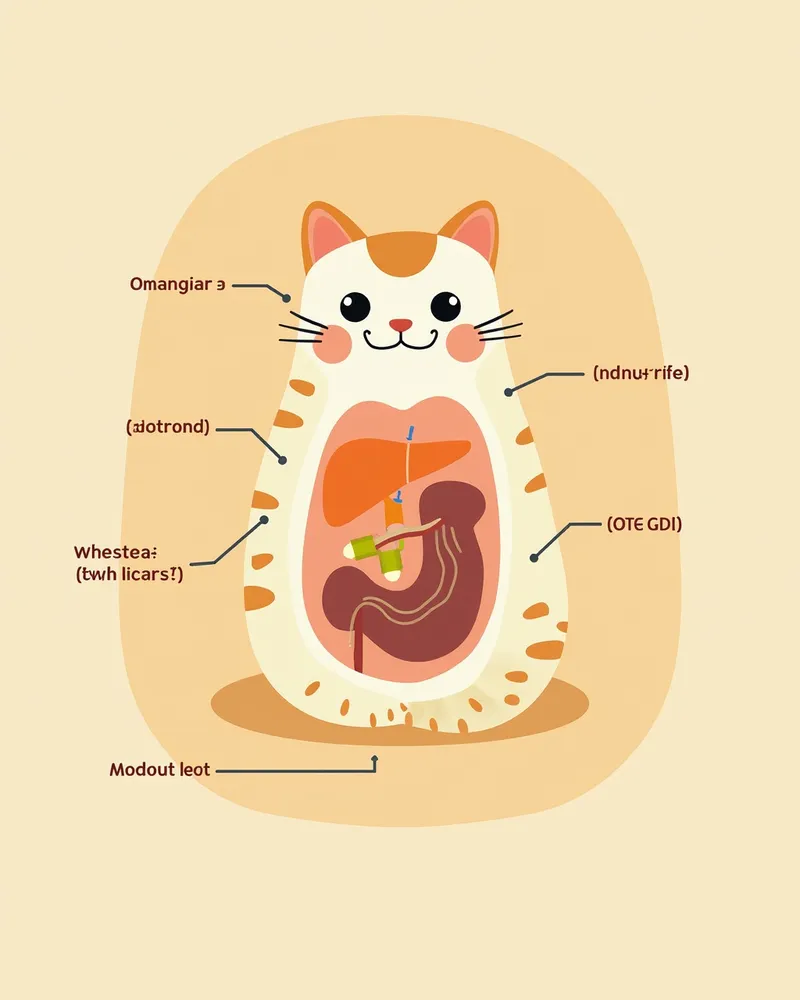
Here are some ingredients and care considerations to keep in mind alongside omega-3 supplements: - Vitamin E: As an antioxidant, vitamin E has been studied for its potential to slow the progression of kidney disease by helping manage proteinuria and damage to the renal tubules and interstitium. - Antioxidants (such as vitamin C and beta-carotene): These may help reduce oxidative stress, which is commonly observed in chronic kidney disease. - Prescription renal diets: Diets specifically formulated for kidney health, often enriched with omega-3s and antioxidants, provide an excellent nutritional foundation. - Muscle mass maintenance: Preserving muscle mass and body condition is recommended in chronic kidney disease, making proper nutritional management essential. While these elements complement the use of omega-3s, always consult your veterinarian to determine the best combination for your pet.
A diagram illustrating how omega-3 and other supplements act on the kidneys, liver, and intestines of cats.

Precautions When Taking Omega-3 Supplements

Omega-3 supplements are generally used as an adjunctive treatment, but since a safe upper limit has not been established for cats, exceeding the recommended dosage can cause gastrointestinal reactions such as diarrhea and vomiting. Cats with pre-existing gastrointestinal issues or unstable overall health should be evaluated by a veterinarian before starting supplementation. If any abnormal symptoms appear after administration, stop giving the supplement immediately and consult your veterinarian.

Reviewed by a veterinarian

Dr. Tony — Punnawat Phongkittirak

Dr. Tony — Punnawat Phongkittirak

Veterinarian

A veterinarian who majored in veterinary medicine at Khon Kaen University, Thailand, and completed the IVSA program at North Carolina State University in the United States. Drawing on clinical experience at animal hospitals, he works in the pet healthcare field and is dedicated to building a digital care environment that connects pet parents with veterinarians.

Frequently Asked Questions

Are omega-3 supplements essential for cats?
While not essential for every cat, it can be beneficial as a supplement for older cats or those at high risk of chronic kidney disease. Your veterinarian will determine whether it’s appropriate for your pet.
Will giving omega-3 supplements improve kidney function?
While it may not lead to a complete recovery, studies show that fish oil supplementation can help reduce proteinuria and alleviate inflammatory responses. The earlier the diagnosis and management begin, the better the prognosis.
How long should I continue giving my pet omega-3 supplements?
Once your pet’s kidney function stabilizes, your veterinarian can adjust the dosage and duration as needed. It’s often used long-term as part of ongoing kidney care.
Can I give omega-3 supplements alongside other medications?
Although it is most often used as a supplementary treatment, there is a potential for interactions with other medications, so please always consult your veterinarian before use. If your pet is taking multiple medications, dosage adjustments may be necessary.
Which form of omega-3 supplement is the best?
The ease of administration varies depending on the formulation (liquid, capsule, or jelly). Choose a form that your cat will readily accept, and consult your veterinarian to select the most appropriate option, taking into account the omega-3 content already present in your cat’s current diet.

Share

Related Guides

References

[1] BSAVA Manual of Canine and Feline Dermatology, 4th Ed, 2023

[2] Clinical Medicine of the Dog and Cat, 4th Ed, 2021

[3] NRC (National Research Council). Nutrient Requirements of Cats, 2006

This information is based on veterinary literature and does not replace diagnosis or treatment. Please consult a veterinarian for specific health concerns.

Metapet Co., Ltd. | CEO: Park Sung-yong | Business Reg. No. 417-88-02562 | Seoul, South Korea | Customer Center

Can Cats With Kidney Issues Take Omega-3? Effects and Cautions | Meongsiljang