Like
Share
멍실장
비타민B12·엽산 검사는 언제 해야 할까요?

When should you perform a Vitamin B12 and folate test?

Brain & CognitionQ&AMeongsiljang Veterinary Advisory Board

A B12 test is a blood test used to screen for intestinal malabsorption and chronic intestinal diseases. Veterinarians recommend it when a pet experiences persistent diarrhea, weight loss, and loss of appetite.

What is a B12 and folate test?

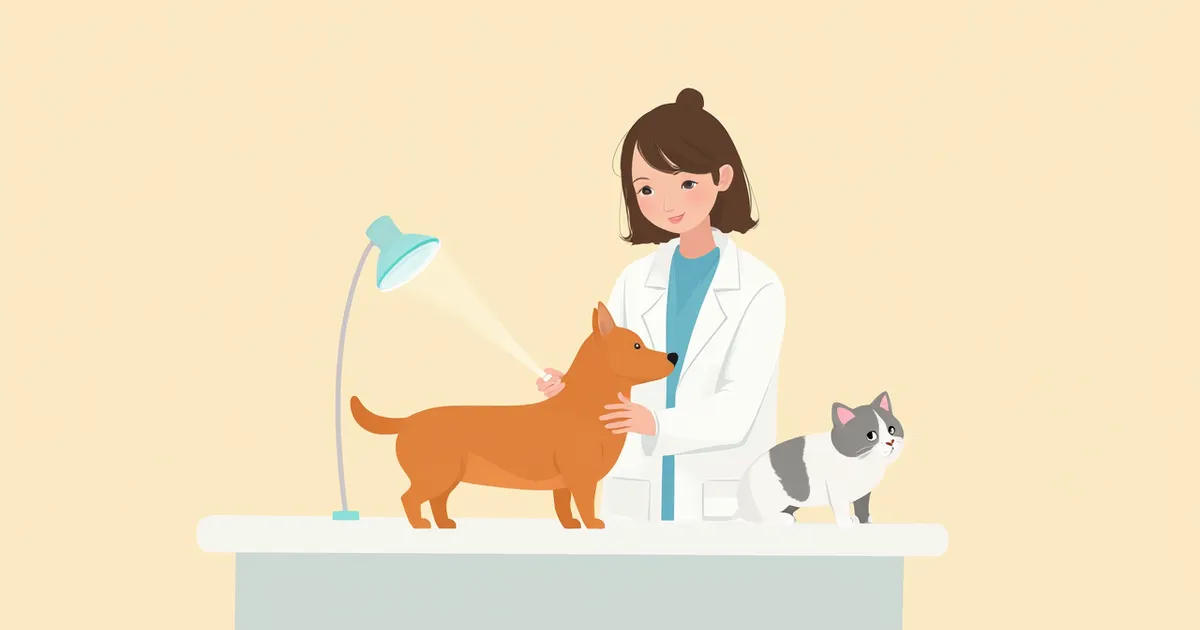
A veterinarian prepares for blood tests on dogs and cats.
Vitamin B12 (cobalamin) and folate testing is a blood test that indirectly assesses small intestinal absorption function and the presence of chronic intestinal disease. Timing is crucial. If chronic diarrhea, weight loss, and decreased appetite persist, it can be difficult to narrow down the cause with routine blood work alone, so B12 and folate levels are often checked together. Veterinary internal medicine textbooks also recommend measuring these markers alongside TLI and PLI when intestinal disease is suspected.

Why evaluate B12 and folate together?

Vitamin B12 and folate are absorbed in different parts of the intestine. Folate is mainly absorbed in the proximal small intestine, while vitamin B12 is primarily absorbed in the distal ileum. By evaluating both levels together, we can infer which segment of the intestine may be affected. For instance, if only vitamin B12 is low, we suspect an issue in the ileum; if only folate is low, we suspect a problem in the proximal small intestine. If both are low, it suggests a widespread malabsorption disorder affecting the entire small intestine.

When is the best time to test?

If you notice any of the following signs, consult your veterinarian about testing for vitamin B12 and folate levels.
Chronic diarrhea: Persistent loose stools or watery feces
Weight loss: Gradual weight loss despite a normal appetite
Decreased appetite: Refusal to eat even favorite foods
Poor coat condition: Dry, brittle fur with noticeable thinning or hair loss
Recurrent vomiting: Frequent, unexplained vomiting episodes
Suspected exocrine pancreatic insufficiency (EPI) in cats: Accompanied by loss of appetite, vomiting, and weight loss

Suspected conditions based on B12 and folate levels

ItemB12 levelFolate levelSuspected condition
Pattern 1LowNormal/highIleal (distal small intestine) malabsorption
Pattern 2NormalLowProximal (upper small intestine) abnormality
Pattern 3LowLowExtensive small intestinal disease/EPI
Pattern 4LowHighSuspected small intestinal bacterial overgrowth

Actual interpretation is comprehensively judged by the veterinarian along with clinical signs and other tests.

The testing procedure is not difficult

The procedure is just like a routine blood draw. A small amount of blood is collected from a vein in the front or hind leg and sent to an external laboratory. Since B12 and folate tests are typically performed on serum samples taken while fasting, it’s a good idea to check with your vet or the lab in advance to see if fasting is required. Results usually take a few days, depending on the clinic or lab. Because cats are sensitive to stress, having their owner stay nearby during the blood draw can be very helpful.
Blood sample tubes placed in a veterinary laboratory

Seek immediate veterinary care for these symptoms

Before considering lab values that might suggest a B12 or folate deficiency, the following symptoms require immediate veterinary care, regardless of whether testing has been done: bloody diarrhea, inability to drink water for more than 24 hours, severe lethargy with weak response to calling, noticeable rapid weight loss over a short period, and signs of dehydration (dry gums, reduced skin elasticity) due to repeated vomiting. These could be signs that a chronic intestinal disease has acutely worsened.

What to do if B12 levels are low?

A low B12 level doesn’t necessarily mean your pet has a serious illness. Typically, we treat the underlying condition—such as inflammatory bowel disease, exocrine pancreatic insufficiency, or small intestinal bacterial overgrowth—while simultaneously supplementing B12. Supplementation can be administered via injection or oral medication. Your veterinarian will determine the appropriate dosage and schedule based on your pet’s weight and specific lab values. Recent studies have shown that oral supplementation can also be effective, providing a welcome alternative for owners who prefer to avoid injections.
A guardian giving a supplement to a puppy

Post-test management points

If you have your test results, be sure to keep track of these key points:
Recheck Schedule: Have your vet recheck your pet’s values at the recommended intervals based on their treatment progress.
Diet Log: Keep a daily record of what and how much your pet ate, along with their stool condition.
Weight Log: Weigh your pet once a week at the same time.
Supplement Schedule: Stick strictly to the prescribed supplement schedule—do not stop or change it without consulting your vet.
Stress Management: Avoid sudden changes in food or environment to minimize stress.

Pay closer attention to cats

Cats with underlying conditions that cause vitamin B12 deficiency—such as exocrine pancreatic insufficiency or inflammatory bowel disease—often experience severe loss of appetite. Because prolonged fasting can lead to hepatic lipidosis (fatty liver disease), it is crucial to closely monitor your cat’s eating habits. Since vitamin B12 levels are frequently checked alongside diagnoses like exocrine pancreatic insufficiency, inflammatory bowel disease, and small intestinal lymphoma, we recommend requesting B12 and folate tests along with routine blood work if your cat is experiencing chronic vomiting or weight loss.

Reviewed by a veterinarian

Dr. Tony — Punnawat Phongkittirak

Dr. Tony — Punnawat Phongkittirak

Veterinarian

A veterinarian who majored in veterinary medicine at Khon Kaen University, Thailand, and completed the IVSA program at North Carolina State University in the United States. Drawing on clinical experience at animal hospitals, he works in the pet healthcare field and is dedicated to building a digital care environment that connects pet parents with veterinarians.

Frequently Asked Questions

How much does a B12 test cost?
Costs vary depending on the clinic, location, and specific tests performed. We recommend visiting the clinic for a consultation to receive an accurate estimate. Relying on unverified price information can lead to misunderstandings.
Should healthy pets also have their B12 levels checked regularly?
Not at all. For healthy pets without symptoms, a routine wellness checkup is sufficient. This test is recommended by veterinarians when there are chronic gastrointestinal symptoms.
Does a normal result mean there’s no intestinal issue?
Not necessarily. B12 and folate tests are screening tools, so even if the results are normal, your pet could still have another intestinal disease. If the symptoms persist, an endoscopy and biopsy may be necessary.
Do supplements need to be given for life?
It depends on the underlying condition. If malabsorption is resolved, supplementation may be discontinued; however, chronic conditions may require long-term support. Your veterinarian will determine the appropriate course of action through follow-up examinations.
Which is better, oral B12 or injectable B12?
It depends on the individual pet and the situation. Injections offer more reliable absorption, while oral medications are more convenient to administer at home. Your veterinarian will choose the best option based on how the pet’s condition progresses.

Share

Related Guides

References

[1] Ettinger S.J. et al., Textbook of Veterinary Internal Medicine, 8th Ed

[2] Mooney C.T. et al., Notes on Canine Internal Medicine, 4th Ed

[3] Drobatz K.J. et al., Feline Emergency and Critical Care Medicine, 2nd Ed

This information is based on veterinary literature and does not replace diagnosis or treatment. Please consult a veterinarian for specific health concerns.

Metapet Co., Ltd. | CEO: Park Sung-yong | Business Reg. No. 417-88-02562 | Seoul, South Korea | Customer Center

Vitamin B12 and Folate Test: When Does Your Pet Need It? | Meongsiljang