

Guide to Canine Diabetes Insulin Costs by Type and Lifelong Management Expenses
We’ve compiled a breakdown of the costs associated with managing canine diabetes, including prices for different types of insulin, additional expenses for syringes and blood glucose monitors, and the monthly and annual costs required for lifelong care, based on real-life cases.
What is Canine Insulin and How Much Does Lifelong Management Cost?

There Are Three Main Types of Insulin Used for Dogs
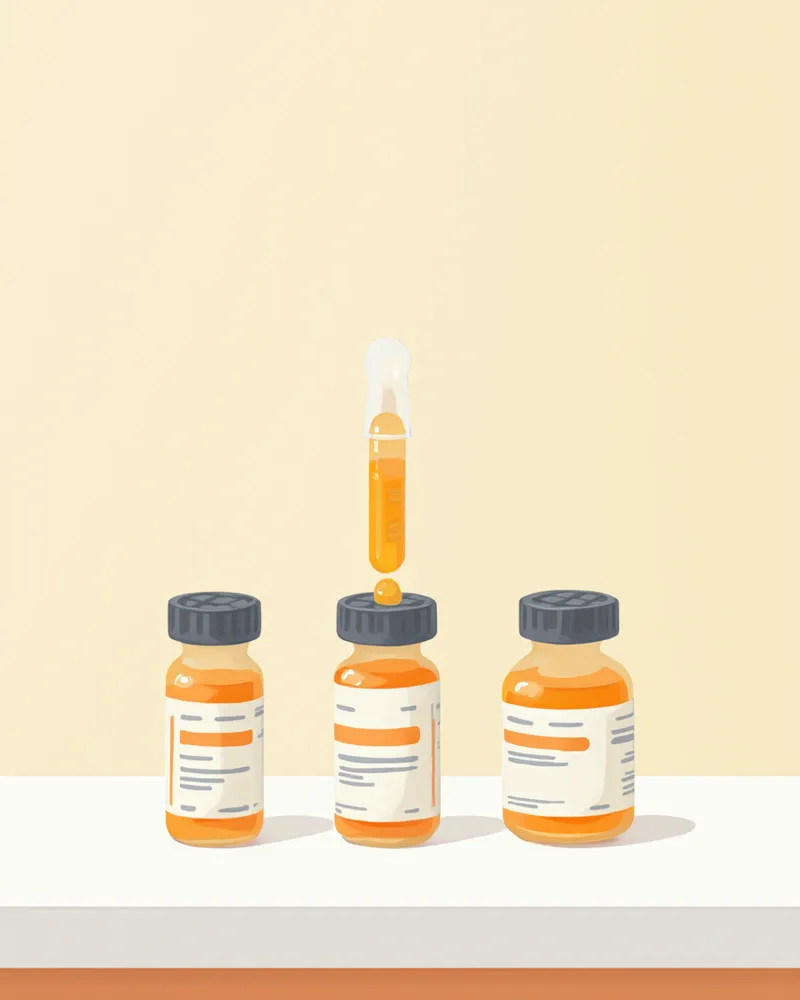
Comparison of Insulin Types by Price and Features (2026 Estimates)
| Item | Caninsulin 2.5 ml | Humulin N 10 ml | Lantus SoloStar pen 3 ml |
|---|---|---|---|
| Price per vial/pen | About $20 to $30 | About $20 to $20 | About $60 to $80 |
| Dosing frequency | Twice a day | Twice a day | Once or twice a day |
| Shelf life (after opening) | About 42 days | About 28 days | About 28 days |
| Frequency of use in dogs | Most commonly prescribed | Common | Varies by individual |
| Storage | Refrigerated | Refrigerated | Refrigerated |
Prices vary by animal hospital and pharmacy. A prescription is required to purchase at a pharmacy.
Do Not Arbitrarily Switch to Human Insulin
Insulin types vary in concentration (40 IU/mL vs. 100 IU/mL) and duration of action, so even the same unit dose can result in different actual amounts administered. Changing insulin without veterinary guidance can lead to hypoglycemic shock and emergency situations. Always consult your veterinarian before making any changes, and monitor blood glucose curves closely for one week after switching to ensure safety.
Looking Only at Monthly Medication Costs Is a Trap — You Must Calculate Additional Expenses Too

Monthly and Annual Lifelong Management Cost Simulation

Three Things You Should Never Do to Cut Costs
1) Continuing to use insulin after its expiration date once opened—its effectiveness declines, causing blood sugar levels to spike again. 2) Reusing syringes—the needle becomes dull, increasing the risk of pain and subcutaneous abscesses. 3) Switching to regular commercial pet food—blood sugar spikes remain uncontrolled, ultimately requiring higher insulin doses and increasing medication costs.
Practical Tips for Reducing Costs Reasonably
Reviewed by a veterinarian

Dr. Tony — Punnawat Phongkittirak
VeterinarianA veterinarian who majored in veterinary medicine at Khon Kaen University, Thailand, and completed the IVSA program at North Carolina State University in the United States. Drawing on clinical experience at animal hospitals, he works in the pet healthcare field and is dedicated to building a digital care environment that connects pet parents with veterinarians.
Frequently Asked Questions
Can I buy insulin for my dog without a prescription?
Do I have to keep using it for life once I start?
Can I manage my pet’s diabetes based on symptoms alone without using a blood glucose meter?
What should I do if it seems like insulin isn’t working?
Should cataract surgery also be included in the lifetime care costs?
Share
Related Guides

7 Key Points for Canine Thyroid T4 Testing by Veterinarians — From Timing to Result Interpretation

7 Key Tips from Veterinarians for Managing Thyroid Nodules and Cysts in Dogs

7 Key Symptoms and Management Essentials for Canine Thyroid Cancer, Explained by Veterinarians

Protein Deficiency Symptoms and Assessment

Fluid Therapy vs. Oral Water Supplementation: Which Method Is Needed When?

Complete Guide to AAFCO Label Meanings and Nutritional Adequacy Standards

Guide to Avoiding Allergen-Containing Dog Food

Freeze-Dried vs. Cooked vs. Dry Food: Which Is Right for Your Pet?

The Complete Guide to Calculating Pet Food Calories (RER & DER)

A Complete Guide to Dog Tail Types and Their Meanings
References
[1] Nelson RW, Reusch CE, Animal models of disease: Classification and etiology of diabetes in dogs and cats, Journal of Endocrinology, 2014
[2] Behrend E et al., 2018 AAHA Diabetes Management Guidelines for Dogs and Cats, Journal of the American Animal Hospital Association, 2018
[3] Notes on Canine Internal Medicine, 4th Ed — Endocrine Disorders 챕터
[4] The Dog Care Handbook — Practical Home Nursing of Your Dog, 2024