Like
Share
멍실장
강아지 양파 먹으면 어떻게 되나요? 증상과 응급 대처법

What Happens If a Dog Eats Onions? Symptoms and Emergency Response

Emergency/ToxicityQ&AMeongsiljang Veterinary Advisory Board

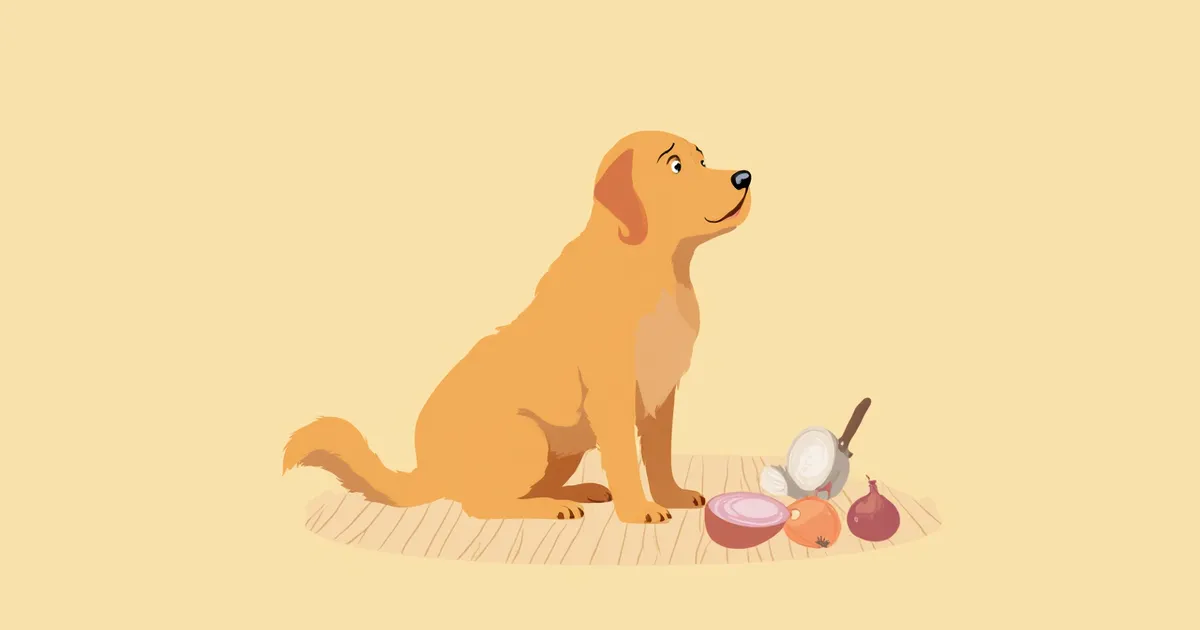
Onion poisoning in dogs occurs when thiosulfate compounds in onions damage red blood cells, leading to hemolytic anemia. Ingesting as little as 15–30 grams of onion per kilogram of body weight can cause toxicity. Symptoms may not appear for 12 to 72 hours after ingestion, making this condition particularly dangerous.

What Happens If a Dog Eats Onions?
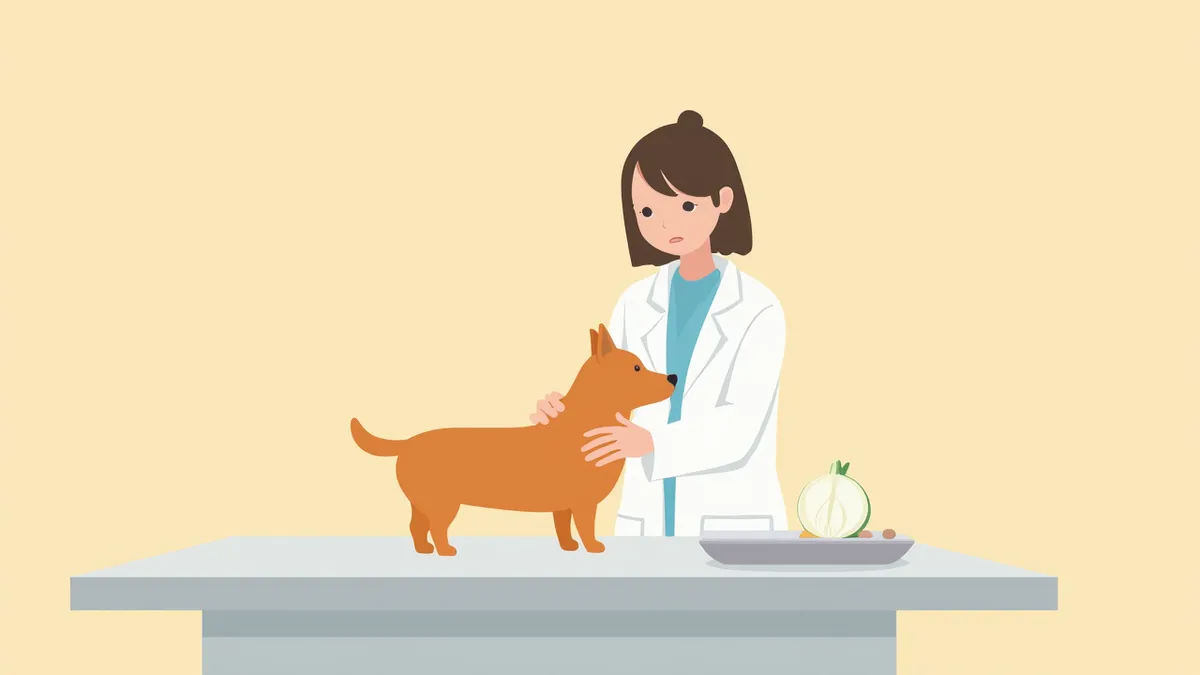
A veterinarian examining a dog that has eaten onions on the examination table.
Onion poisoning in dogs occurs when thiosulfate and disulfide compounds in onions are metabolized in the body, oxidizing red blood cells and leading to Heinz body formation and hemolytic anemia. Time is of the essence. Gastrointestinal symptoms such as vomiting and diarrhea may appear within a day of ingestion, but the more dangerous signs of anemia typically develop later, often taking several days to a week to manifest. Therefore, even if your dog seems perfectly fine immediately after eating onions, do not let your guard down. If you confirm or suspect onion ingestion, seek veterinary care as soon as possible, even in the absence of symptoms, to safely administer early decontamination treatments such as induced vomiting or activated charcoal.

Why Are Onions Dangerous for Dogs?

Allium vegetables such as onions, garlic, chives, and green onions contain compounds like N-propyl disulfide and thiosulfates (alkenyl sodium thiosulfate). As these substances are metabolized in a dog’s body, they transform into agents that oxidize hemoglobin in red blood cells. This oxidized hemoglobin forms denatured protein clumps known as Heinz bodies, leading to red blood cell destruction alongside methemoglobinemia and resulting in hemolytic anemia. Additionally, certain Japanese breeds, such as the Akita, are known to have a genetic predisposition that makes them more sensitive to onions, potentially causing more severe reactions even at the same dosage.

Onion Toxic Dose by Weight — How Much Is Dangerous?

ItemCaution dose (15g/kg)Toxic dose (30g/kg)
3kg (small dog)Approx. 45gApprox. 90g (about 1/2 of a medium onion)
5kgApprox. 75gApprox. 150g (about 1 medium onion)
10kg (medium dog)Approx. 150gApprox. 300g
20kg (large dog)Approx. 300gApprox. 600g

Veterinary toxicology textbooks report that hematologic changes occur when a dog eats 15–30 g/kg, and toxicity is consistently reported when they eat more than 0.5% of body weight. Any form — heated, boiled, dried, powdered, juiced — is all toxic, and cooking does not eliminate the toxicity. Dried and powdered forms are especially more dangerous because water has been removed and they are concentrated, so the same weight is more hazardous. Onion soup, curry, and jjajangmyeon broth are also dangerous foods.

Onion Poisoning Symptom Checklist
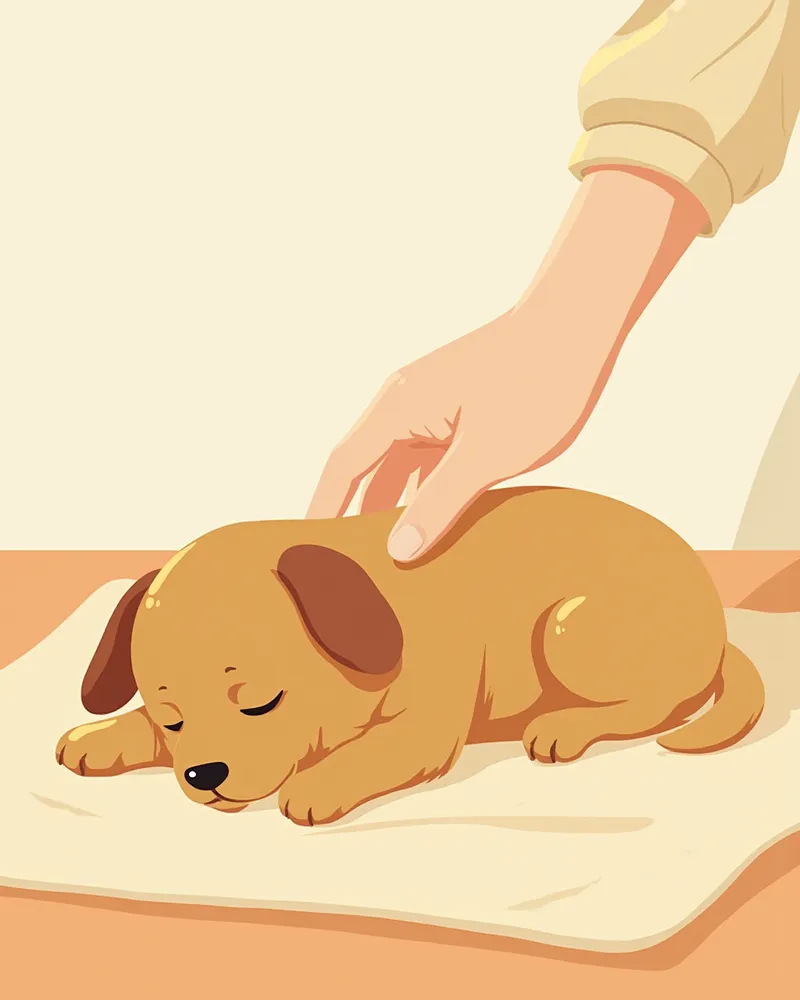
Symptoms tend to appear gradually in stages. Knowing which signs to look for at each time frame can help you make quick decisions in an emergency. - Within 24 hours of ingestion (gastrointestinal signs): Vomiting, diarrhea, drooling, abdominal pain, and decreased appetite. - Several days to one week (hematologic signs): Pale or yellowish gums (jaundice), rapid breathing, lethargy, and reluctance to move. - Advanced anemia stage (severe): Brown or red urine (hemoglobinuria), stumbling, decreased consciousness, and collapse. - Overall warning signs: Increased heart rate (tachycardia), abnormal gum color, and a sudden drop in energy levels.
A pet owner checking the gums of a lethargic, lying-down dog

Go to the Emergency Room Immediately If You See These Signs

If your pet’s gums turn pale, yellow, or blue, if they pass brown or red urine, if they’re breathing rapidly, or if they seem disoriented, don’t wait even a minute—head straight to a 24-hour emergency animal hospital. At this stage, they may need a blood transfusion or oxygen therapy. Write down when they ate the onion, how much, and in what form (raw, cooked, or powdered), and bring that information with you to help speed up treatment.

What Treatment Is Provided at the Hospital?
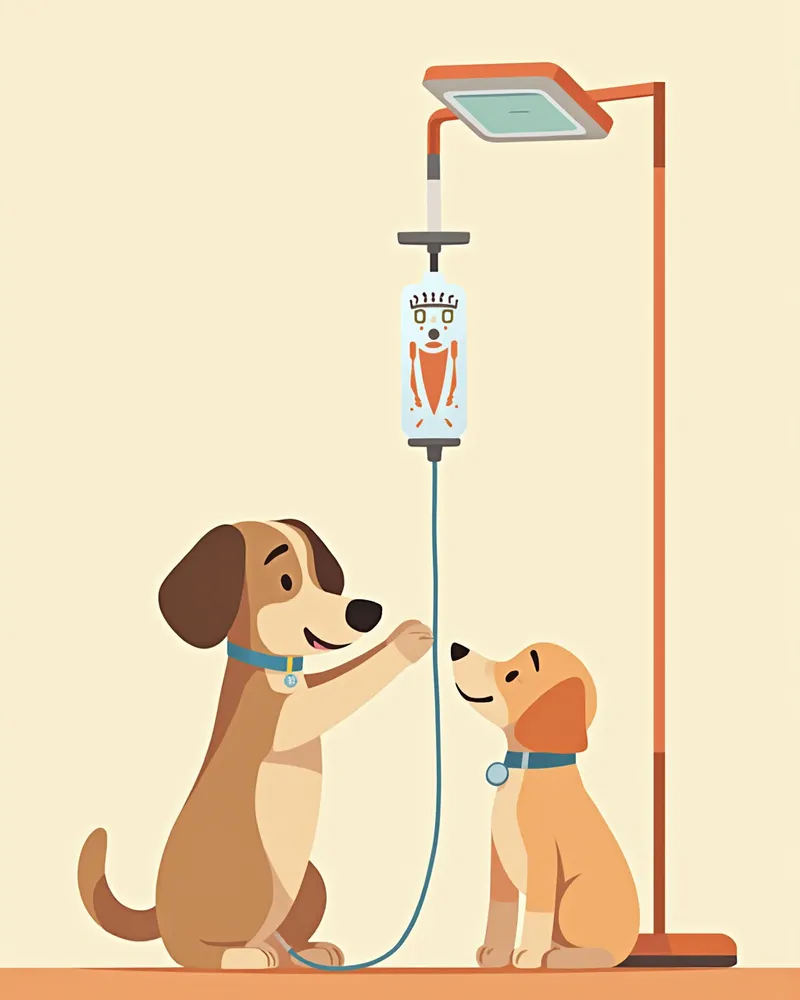
Treatment depends on when the ingestion occurred. If your pet arrives relatively soon after ingestion, we can reduce absorption through decontamination measures such as inducing vomiting and administering activated charcoal. If more time has passed or anemia has already begun, we provide supportive care including intravenous fluids to protect the kidneys and oxygen therapy. In cases of severe anemia, a blood transfusion may be necessary, which might require transfer to a hospital equipped to handle blood products. Since anemia can peak several days after ingestion, hospitalization for a few days of monitoring is often recommended, followed by a recheck of red blood cell levels (PCV/CBC) 5–7 days after recovery. For more details on the examination process, please refer to our Dog Emergency Vet Visit Guide.
A puppy receiving intravenous fluid therapy at a veterinary clinic

What You Must Never Do at Home

If you discover your dog has eaten onions, improper first aid can actually worsen their condition. The following actions are strictly prohibited: - Do not induce vomiting: Forcing your dog to vomit with vinegar, salt water, or hydrogen peroxide increases the risk of esophageal damage and aspiration pneumonia. Only induce vomiting under the direct guidance of a veterinarian. - Do not give milk: Milk does not slow down absorption and may instead worsen diarrhea. - Do not assume "a small amount is fine": Even small quantities can trigger severe reactions in certain sensitive breeds, such as Akitas, or in small dogs. - Do not feel reassured by the absence of symptoms: Remember that anemia can develop several days to a week later, even if gastrointestinal symptoms are not present.

Other Dangerous Foods Like Onions

All plants in the Allium genus, including onions, are dangerous to pets. Garlic is up to five times more toxic than onions, so even small amounts can cause poisoning in small-breed dogs. Chives, green onions, scallions, spring onions, and chives all damage red blood cells through the same mechanism. Commonly overlooked hazards include onion powder, garlic powder, onion soup base, jjajangmyeon broth, curry, dumpling fillings, galbi marinades, and Korean-style soups. Processed foods such as commercially available rotisserie chicken, powdered soup mixes, and baby food may also contain these ingredients, so please make it a habit to check labels for terms like "onion powder" and "garlic extract."

Post-Recovery Care and Prevention of Recurrence

About a week after treatment, red blood cell counts typically hit their lowest point before beginning to recover. During this time, avoid strenuous exercise and allow your pet to rest while providing the recovery diet or balanced nutrition recommended by your veterinarian. In cases of severe anemia, follow-up blood tests may be needed every 5 to 7 days to monitor progress until red blood cell counts return to normal. To prevent recurrence, block access to food on tables and countertops, and make sure all family members follow the rules of not feeding table scraps and avoiding foods containing chives, onions, or garlic. If you’re curious about other dangerous foods, check out our list of 30 Foods Dogs Should Never Eat.
A healthy puppy eating recovery prescription food

Reviewed by a veterinarian

Dr. Tony — Punnawat Phongkittirak

Dr. Tony — Punnawat Phongkittirak

Veterinarian

A veterinarian who majored in veterinary medicine at Khon Kaen University, Thailand, and completed the IVSA program at North Carolina State University in the United States. Drawing on clinical experience at animal hospitals, he works in the pet healthcare field and is dedicated to building a digital care environment that connects pet parents with veterinarians.

Frequently Asked Questions

My dog ate just one slice of onion—do I really need to take him to the vet?
Even small amounts of onion can be dangerous for small dogs weighing 5 kg or less. Japanese breeds like the Akita are physiologically more sensitive, so extra caution is especially important. Anemia symptoms may not appear for several days to a week after ingestion, so if you confirm your dog has eaten onion, it’s best to consult a veterinarian as soon as possible—even if no symptoms are present.
Is cooked onion or onion broth also dangerous?
Yes, it is dangerous. Cooking does not eliminate the toxic components, and onions are toxic in all forms—raw, cooked, dried, powdered, or juiced. Dishes like jajangmyeon, curry, galbitang, and other broths often contain minced onions or onion-infused stock, so even licking the broth can lead to poisoning. Onion powder is especially hazardous because it is concentrated with the water removed, making even small amounts dangerous.
If there are no symptoms, is it okay to just monitor the situation?
No. The most significant characteristic of onion toxicity is delayed-onset anemia. Even if gastrointestinal symptoms are absent or the pet appears normal initially, signs of anemia typically emerge several days to a week after ingestion, potentially leading to sudden collapse. If ingestion is confirmed, it is safest to visit a veterinary clinic immediately for testing regardless of whether symptoms are present, and to have red blood cell counts rechecked a few days later.
Is it safe to keep activated charcoal at home and give it to my pet?
Do not give activated charcoal to your dog without a veterinarian’s guidance. Human-grade activated charcoal may be inappropriate in dosage or formulation for dogs, and it is largely ineffective if administered after absorption has already begun. For safety, activated charcoal should only be used when prescribed by a veterinary clinic at the proper dose.
Does recovery from one episode of onion poisoning make subsequent episodes more severe?
Onion toxicity is not a condition where sensitivity builds up with repeated exposure, unlike allergies. However, in the 1 to 2 weeks following recovery, red blood cells remain weakened, so re-exposure during this period can lead to a more rapid progression of anemia. It is essential to completely avoid onions, garlic, and chives for the rest of your pet's life.

Share

Related Guides

References

[1] Blackwell's Five-Minute Veterinary Consult Clinical Companion, Small Animal Toxicology, 3rd Edition — Allium spp. Toxicosis

[2] Guitart R, Mateu C, Agullo AL, Alberola J. Heinz body anaemia in two dogs after Catalan spring onion ingestion: a case reports. Veterinarni Medicina 2008;53(7):392–395.

[3] Lee K, Yamato O, Tajima M et al. Hematologic changes associated with the appearance of eccentrocytes after intragastric administration of garlic extract to dogs. American Journal of Veterinary Research 2000;11:1446–1450.

[4] The Dog Care Handbook, Things I Wish My Vet Had Told Me — Alliums chapter

This information is based on veterinary literature and does not replace diagnosis or treatment. Please consult a veterinarian for specific health concerns.

Metapet Co., Ltd. | CEO: Park Sung-yong | Business Reg. No. 417-88-02562 | Seoul, South Korea | Customer Center

What Happens If a Dog Eats Onions? Symptoms & First Aid | Meongsiljang