Like
Share
멍실장
강아지 배에 물이 찼다면 — PLE 진단부터 저지방 식이 관리까지

If Your Dog Has Fluid in the Abdomen — From PLE Diagnosis to Low-Fat Dietary Management

DigestiveQ&AMeongsiljang Veterinary Advisory Board

I’ve compiled a comprehensive overview of protein-losing enteropathy in dogs, covering its causes, symptoms, diagnostic methods, and low-fat dietary management, all based on veterinary medical resources.

If Your Dog Has Fluid in the Abdomen — Should You Go to the Vet Now?

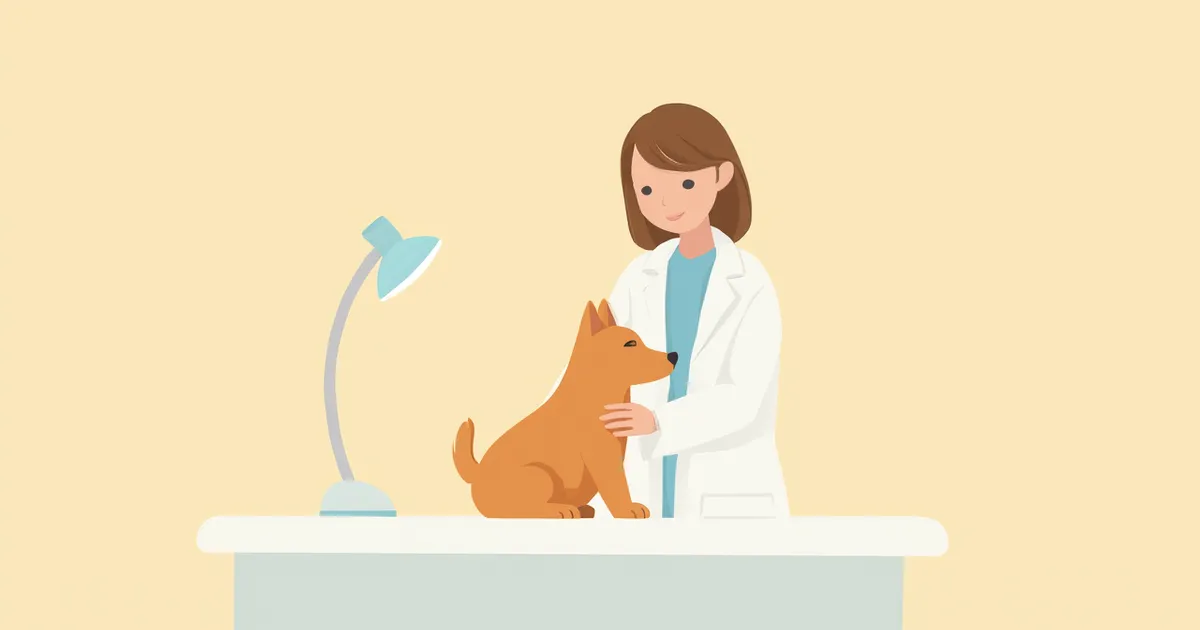
A puppy sitting on the examination table at the animal hospital while a veterinarian palpates its abdomen.
If your pet has chronic diarrhea along with a distended, bloated abdomen, protein-losing enteropathy (PLE) should be suspected. Delayed diagnosis can lead to worsening conditions such as ascites and pleural effusion, so immediate blood testing is essential. Protein-losing enteropathy is a condition in which excessive amounts of blood proteins leak through the intestinal mucosa. As serum albumin levels drop, symptoms such as ascites, edema, and chronic diarrhea may appear. With early identification of the underlying cause, appropriate treatment, and a low-fat diet, PLE can be effectively managed. However, delayed diagnosis increases the risk of nutritional imbalances and complications. Therefore, if you notice chronic diarrhea or weight loss, it is important to have your pet undergo blood testing promptly.

Main Causes of Protein-Losing Enteropathy

Protein-losing enteropathy isn’t a single disease, but rather a term used to describe various conditions that cause protein to leak out of the intestines.
Lymphangiectasia: The lymphatic vessels in the intestines become abnormally dilated, allowing protein-rich lymphatic fluid to leak into the intestinal lumen. According to veterinary clinical pathology textbooks, this is one of the most common causes.
Chronic inflammatory bowel disease: Infiltration of lymphocytes and plasma cells into the intestinal mucosa damages the mucosal barrier, leading to protein loss.
Intestinal lymphoma: Tumors developing in the intestines destroy the mucosal structure, resulting in severe protein loss.

Suspect This If You Notice These Symptoms
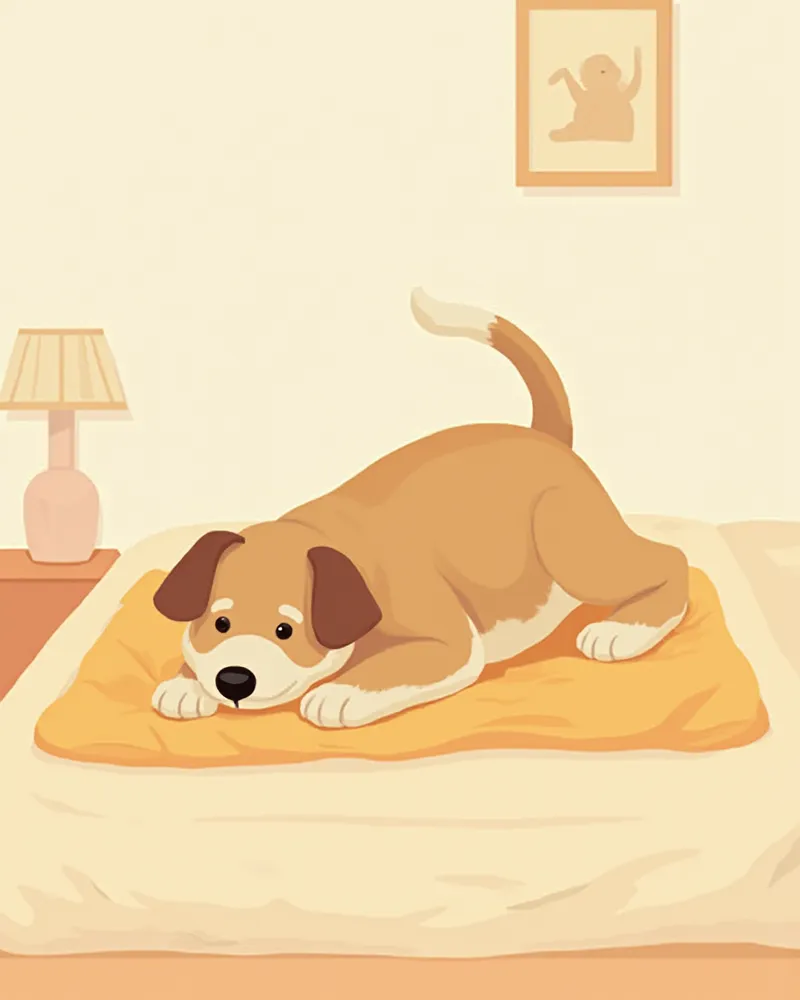
If you notice any of the following symptoms, protein-losing enteropathy should be considered.
Chronic diarrhea: Diarrhea is considered chronic if loose or watery stools persist for more than three weeks, or if they recur repeatedly over a period of four weeks or longer.
Weight loss: The pet loses weight and muscle mass despite maintaining a good appetite.
Distended abdomen: Low albumin levels can lead to fluid accumulation in the abdomen (ascites), causing the belly to appear swollen.
Leg swelling: Swelling is most commonly observed around the hind legs, particularly near the ankles.
Vomiting and decreased appetite: Severe damage to the intestinal lining can be accompanied by nausea and vomiting.
A concerned pet owner looking at their dog with a swollen belly

Diagnostic Process at the Veterinary Clinic
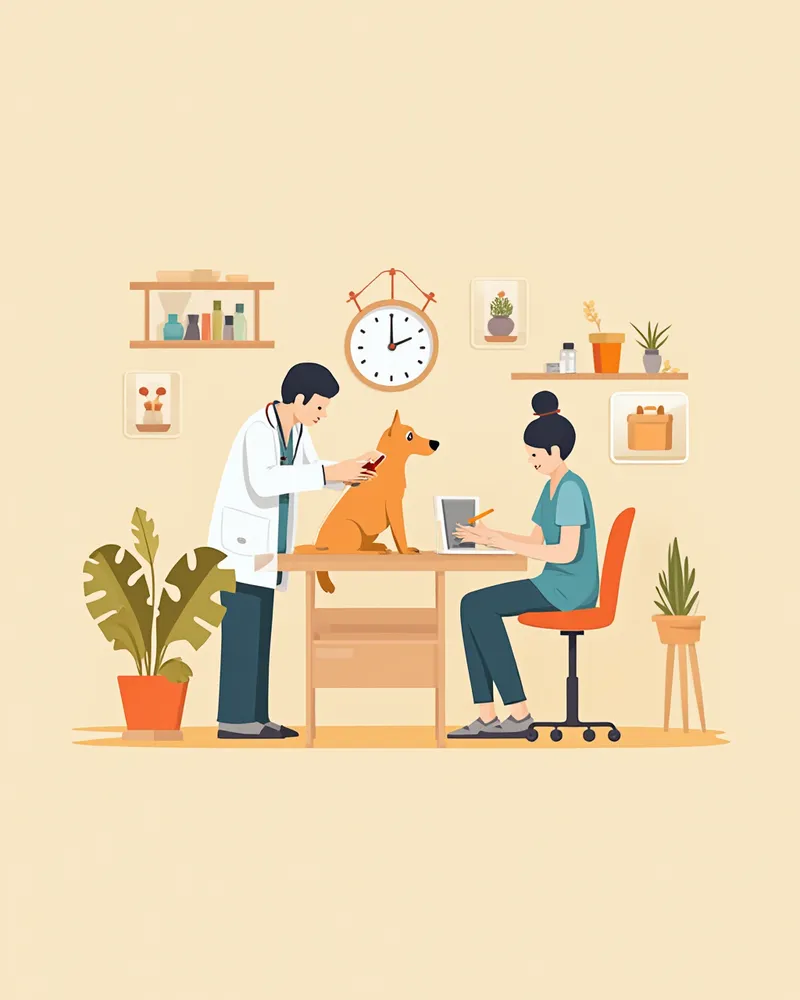
If protein-losing enteropathy is suspected, your veterinarian will proceed with a stepwise diagnostic workup. First, a blood test is performed to check albumin and globulin levels. If both values are low, it is highly likely that protein is being lost through the intestines. Next, a urinalysis and liver function tests are conducted to rule out other potential causes, such as kidney or liver disease. A definitive diagnosis is made through intestinal biopsy via endoscopy or surgery. According to veterinary clinical pathology textbooks, it is common to find concurrent lymphangiectasia and lymphoplasmacytic enteritis.
A veterinarian drawing blood from a puppy and diagnostic equipment

Go to the Vet Immediately in These Cases

If your pet’s abdomen suddenly swells significantly, their breathing becomes rapid, or their gums turn pale, it may indicate severe hypoproteinemia. When fluid accumulates in the abdomen and causes difficulty breathing, it’s a medical emergency. Extremely low albumin levels increase the risk of various systemic complications, so if these symptoms worsen suddenly or are accompanied by extreme lethargy or complete loss of appetite, seek emergency veterinary care immediately.

Dietary Management Is the Key to Treatment

The cornerstone of managing protein-losing enteropathy is a low-fat diet. High-fat foods place strain on the lymphatic vessels and can worsen symptoms, particularly when lymphangiectasia is the underlying cause.
Fat content: An ultra-low-fat diet, which is much stricter than standard commercial low-fat diets, is recommended. In fact, homemade ultra-low-fat diets based on peeled potatoes and skinless chicken or turkey breast have been reported to elicit partial or complete responses in some cases. However, specific fat targets and recipes must always be determined in consultation with your veterinarian.
High-quality protein supplementation: It is essential to adequately supplement with highly digestible hydrolyzed proteins or novel protein sources to compensate for the protein lost through the intestines. If there is no response to the initial diet, switching to another novel protein or a hydrolyzed diet may be attempted.
Omega-3 fatty acid supplementation: Supplementing with fish oil to maintain an omega-3 to omega-6 ratio of less than 2:1 may be recommended as an adjunctive therapy.
Always consult your veterinarian before making any changes to your pet’s diet.
A dog food bowl filled with low-fat prescription diet food

Medication and Long-Term Management

Alongside dietary management, medication tailored to the underlying condition is administered. If inflammatory bowel disease is the cause, the veterinarian will prescribe immunosuppressants or anti-inflammatory drugs based on the pet’s weight and condition. It is essential to strictly follow the veterinarian’s instructions regarding dosage and duration; stopping medication without professional guidance significantly increases the risk of relapse. During treatment, it is important to undergo regular blood tests at intervals recommended by the veterinarian to monitor changes in albumin levels. If the levels stabilize and rise, the medication may be gradually tapered. For long-term management, it is necessary to consistently maintain a low-fat diet and develop the habit of daily monitoring of weight and stool condition.

Breeds Requiring Special Attention

Yorkshire Terriers are reported in veterinary literature to have an increased risk of developing intestinal diseases associated with protein-losing enteropathy. Although breeds such as the Soft-Coated Wheaten Terrier, Shar-Pei, and Norwegian Lundehund are also clinically noted as breeds to watch, genetic risk has not been clearly confirmed based solely on the textbook evidence provided. If you are an owner of one of these breeds or have a dog with chronic gastrointestinal symptoms, it is advisable to request that blood albumin levels be checked during routine health examinations.

Reviewed by a veterinarian

Dr. Tony — Punnawat Phongkittirak

Dr. Tony — Punnawat Phongkittirak

Veterinarian

A veterinarian who majored in veterinary medicine at Khon Kaen University, Thailand, and completed the IVSA program at North Carolina State University in the United States. Drawing on clinical experience at animal hospitals, he works in the pet healthcare field and is dedicated to building a digital care environment that connects pet parents with veterinarians.

Frequently Asked Questions

Can protein-losing enteropathy be cured?
It depends on the underlying cause. If the issue is structural, such as lymphangiectasia, long-term management through diet and medication is often more realistic than aiming for a complete cure. However, if the cause is inflammatory bowel disease (IBD), and the patient responds well to treatment, the medication can be gradually reduced to maintain stable, long-term control.
Is it okay to keep feeding regular pet food?
If a diagnosis has been made, it’s important to switch from regular food to a low-fat prescription diet or a special diet recommended by your veterinarian. High-fat foods can worsen symptoms.
Can I make homemade meals for my pet?
It’s possible to create a nutritionally balanced recipe by consulting with a veterinary nutrition expert. However, making it on your own can lead to nutritional imbalances, so be sure to get professional guidance.
Can it spread to other dogs?
Protein-losing enteropathy itself is not a contagious disease. However, since certain breeds may have a genetic predisposition, we recommend regular check-ups for dogs from the same lineage.
Is the treatment expensive?
Ongoing costs include endoscopy and biopsies for diagnosis, routine blood tests, prescription diets, and medications. Since expenses vary significantly between clinics, it’s best to discuss the estimated costs with your veterinarian while developing a treatment plan.

Share

Related Guides

References

[1] Stockham SL & Scott MA. Fundamentals of Veterinary Clinical Pathology, 3rd Edition. Wiley-Blackwell, 2008.

[2] Schaer M & Gaschen F. Clinical Medicine of the Dog and Cat, 4th Edition. CRC Press, 2022.

[3] Dossin O & Lavoué R. Protein-losing enteropathies in dogs. Veterinary Clinics of North America: Small Animal Practice, 41(2), 399-418, 2011.

[4] Washabau RJ & Day MJ. Canine and Feline Gastroenterology. Elsevier Saunders, 2013.

[5] Peterson PB & Willard MD. Protein-losing enteropathies. Veterinary Clinics of North America: Small Animal Practice, 33(5), 1061-1082, 2003.

This information is based on veterinary literature and does not replace diagnosis or treatment. Please consult a veterinarian for specific health concerns.

Metapet Co., Ltd. | CEO: Park Sung-yong | Business Reg. No. 417-88-02562 | Seoul, South Korea | Customer Center

Protein-Losing Enteropathy (PLE) in Dogs: Diet & Care | Meongsiljang