

Not Eating After Scaling? Recovery Care and Signs to Visit the Vet
We’ve put together the key care points pet owners need to know after their pet’s dental scaling, including the recovery period, dietary management, when to resume brushing, and emergency warning signs.
What Is Post-Scaling Care?

The First 24 Hours After Waking from Anesthesia
Recovery Stage-by-Stage Care Points
| Item | 0–24 hours | 1–3 days | 4–7 days | After 7 days |
|---|---|---|---|---|
| Diet | Soft wet food | Wet food or soaked kibble | Can return to regular food | Normal diet |
| Tooth brushing | Prohibited | Prohibited | Gently with gauze | Resume toothbrush |
| Treats | Prohibited | Soft ones only | Regular treats allowed | Dental chews OK |
| Exercise | Complete rest | Short walks | Normal activity | Normal activity |
There are differences depending on the individual and tooth condition, so follow your veterinarian's guidance first
Dietary Management — What Should You Feed?

⚠️ Signs Requiring Immediate Veterinary Care
Seek immediate veterinary care if your pet refuses water for more than 24 hours, experiences persistent bleeding from the gums, suffers from severe vomiting or diarrhea, has a purulent odor emanating from the mouth, or shows facial swelling or unilateral jaw swelling. Abnormally prolonged recovery from anesthesia or labored breathing are also emergency signs that must be reported to your veterinarian immediately. Additionally, contact your clinic right away if bleeding from the extraction site fails to stop and continues unabated.
When and How to Resume Tooth Brushing
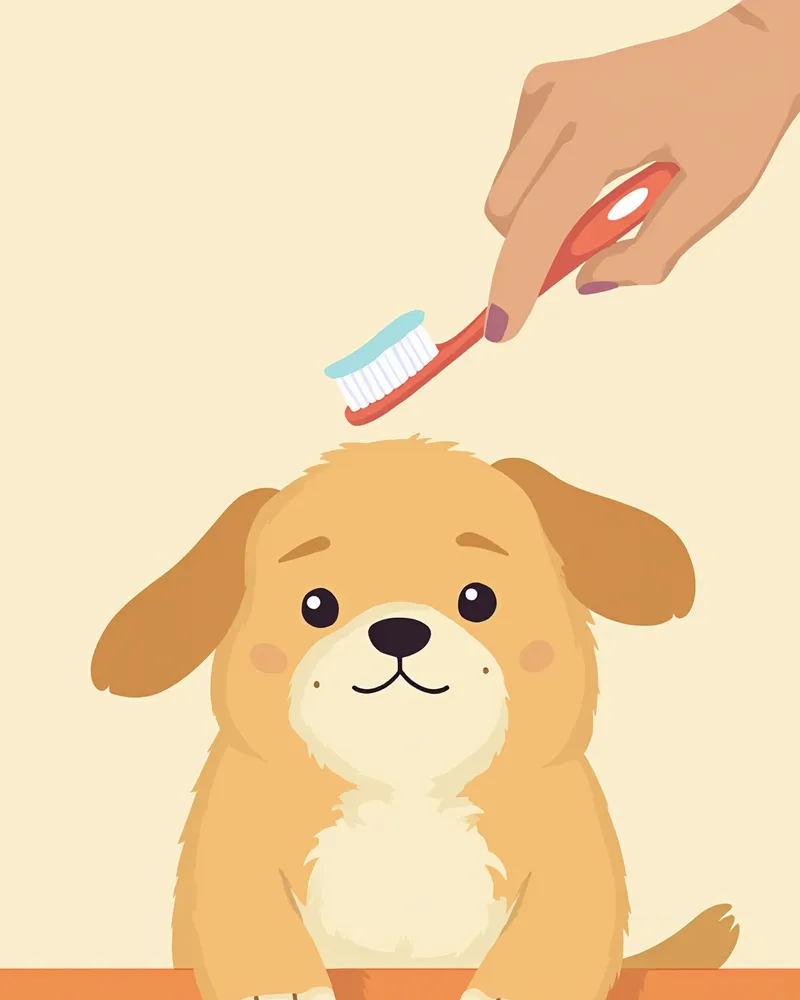
Home Care Checklist to Prevent Recurrence
When Is the Next Scaling Due?
According to veterinary literature, pets with severe periodontal disease or a high risk of recurrence may require professional anesthesia-assisted scaling and polishing every three to four months. Your veterinarian will determine the optimal scaling interval based on individual factors such as the stage of periodontal disease, the speed of bad breath and tartar reaccumulation, and breed (e.g., small breeds, brachycephalic breeds). Consistent home care helps maintain oral health, and for safety, the exact scaling schedule should always be determined in consultation with your veterinarian. If you’re concerned about oral health, learn more in our Dog Periodontal Disease Guide.
Reviewed by a veterinarian

Dr. Tony — Punnawat Phongkittirak
VeterinarianA veterinarian who majored in veterinary medicine at Khon Kaen University, Thailand, and completed the IVSA program at North Carolina State University in the United States. Drawing on clinical experience at animal hospitals, he works in the pet healthcare field and is dedicated to building a digital care environment that connects pet parents with veterinarians.
Reviewed 2026-04-19
Frequently Asked Questions
How many days should I avoid walking my pet after scaling?
If my pet had teeth extracted, when can I start feeding them again?
My cat really hates having its teeth brushed. What should I do?
My pet still has bad breath after a dental cleaning. Is this normal?
Is scaling without anesthesia safe?
Share
Related Guides

7 Best Cat Dental Chews for Tartar Prevention Recommended by Veterinarians and Selection Criteria

Top 5 Recommended Dental Treats for Dogs in 2026 — VOHC Certification Criteria

7 Criteria for Choosing Dog Tartar Prevention Dental Chews Recommended by Veterinarians
How to Brush Your Cat’s Teeth and Get Them Used to It
Symptoms and Prevention of Feline Panleukopenia

Symptoms and Management of Feline Hypertrophic Cardiomyopathy (HCM)

Rescue Dog Adoption Procedures and Precautions – What You Must Know Before Adopting

The Ultimate Guide to Preparing for Cat Adoption
Pet Health Checkup Timing and Examination Items

How Much Do Veterinary Clinic Fees Cost? A Guide by Category
References
[1] The Dog Care Handbook, Things I Wish My Vet Had Told Me — Dental Scaling and Polishing
[2] Clinical Medicine of the Dog and Cat, 4th Ed — Periodontal Disease Management
[3] The Cat, Clinical Medicine and Management, 2nd Edition — Feline Dentistry Chapter