Like
Share
멍실장
강아지 치주질환 단계별 관리 증상과 원인, 진단·치료와 관리 포인트 총정리

Comprehensive Guide to Canine Periodontal Disease: Stage-Specific Management, Symptoms, Causes, Diagnosis, Treatment, and Care Points

Oral HealthDiseasesMeongsiljang Veterinary Advisory Board

Periodontal disease in dogs is a condition that causes inflammation in the tissues surrounding the teeth, making early detection and stage-specific management crucial. Don’t overlook warning signs such as tooth mobility, bleeding, or bad breath, and work closely with your veterinarian to manage your dog’s oral health.

Canine periodontal disease is a condition in which inflammation of the tissues surrounding the teeth progressively worsens.

Healthy gums and teeth in dogs
Canine periodontal disease is a condition in which the gums, bone, and periodontal ligaments surrounding the teeth become inflamed. It is often difficult to detect in the early stages because there are few visible symptoms. However, redness and swelling of the gums are typically the first external signs, while bleeding during brushing or probing is the earliest clinical indicator. If left untreated, the condition can progress to tooth mobility and eventual tooth loss. - Plaque is the root cause: The direct cause of periodontal disease is plaque, a biofilm of bacteria that accumulates in the mouth. While plaque hardens into tartar (calculus), the amount of tartar present does not necessarily reflect the severity of the disease. - Risk in small breeds: Breeds with crowded teeth are more susceptible to periodontal disease because plaque adheres more readily to the roughened surfaces of tightly packed teeth. - Importance of early detection: Do not overlook signs such as gum bleeding, bad breath, or changes in eating habits. Regular veterinary check-ups are essential for early identification. - Staged management is essential: Treatment is carried out in stages. Early intervention directly impacts the prevention of recurrence, preservation of teeth, and improvement of the dog’s quality of life.

The main causes of periodontal disease are the accumulation of tartar and plaque.

The direct cause of periodontal disease in dogs is plaque, which forms on the tooth surface. Plaque is a biofilm created by the accumulation of oral bacteria and serves as the root cause of periodontal disease. - Plaque Formation: Plaque is a sticky biofilm that develops when bacteria multiply on the tooth surface after eating. It begins with the formation of a pellicle, followed by bacterial attachment and colonization, leading to maturation. - Tartar Hardening: Plaque combines with minerals to harden into tartar, which is difficult to remove through regular brushing alone. - Progression of Inflammation: Plaque is what triggers the disease; the amount of accumulated tartar does not necessarily indicate the severity of the condition. Roughened tooth surfaces allow plaque to adhere more easily, worsening inflammation. - Risk Factors: Factors that create rough surfaces, such as crowded teeth, enamel defects, tooth fractures, and malocclusion, can increase plaque retention and elevate the risk of disease. - Key to Prevention: Regular professional cleanings and consistent home care are essential to reduce plaque and tartar buildup.
Plaque and tartar buildup on your dog’s teeth

Carefully check for the main symptoms and early warning signs of periodontal disease.

Periodontal disease presents with a variety of symptoms depending on its stage, but in most cases, there are very few outward signs in the early stages. - Early signs: The first visible external sign is usually redness and swelling of the gums, while bleeding from the gums during brushing or probing is practically the earliest indicator. - Progressive symptoms: As inflammation advances, teeth may begin to loosen, and your pet might show reluctance to eat. - Advanced stages: In advanced periodontal disease, symptoms can include bad breath, drooling, pain, pawing at the mouth, tooth loss, and even pathological jaw fractures. - Importance of recognizing signs: Noticing these changes promptly and consulting with a veterinarian immediately marks the beginning of treatment. - Benefits of early intervention: The earlier the condition is detected, the easier it is to manage and the higher the likelihood of preserving the teeth.
Mid-stage periodontal disease symptoms in dogs: bad breath, swollen gums, loose teeth

Symptoms Requiring Immediate Veterinary Visit

If your dog refuses to open its mouth, won’t eat, or shows signs of pain, take it to the vet immediately. Severely loose teeth, bleeding from the mouth, or facial swelling may indicate a serious infection. These symptoms can lead to bone damage or bloodstream infections, so prompt veterinary care is essential.

Veterinarians perform dental X-rays for accurate diagnosis.
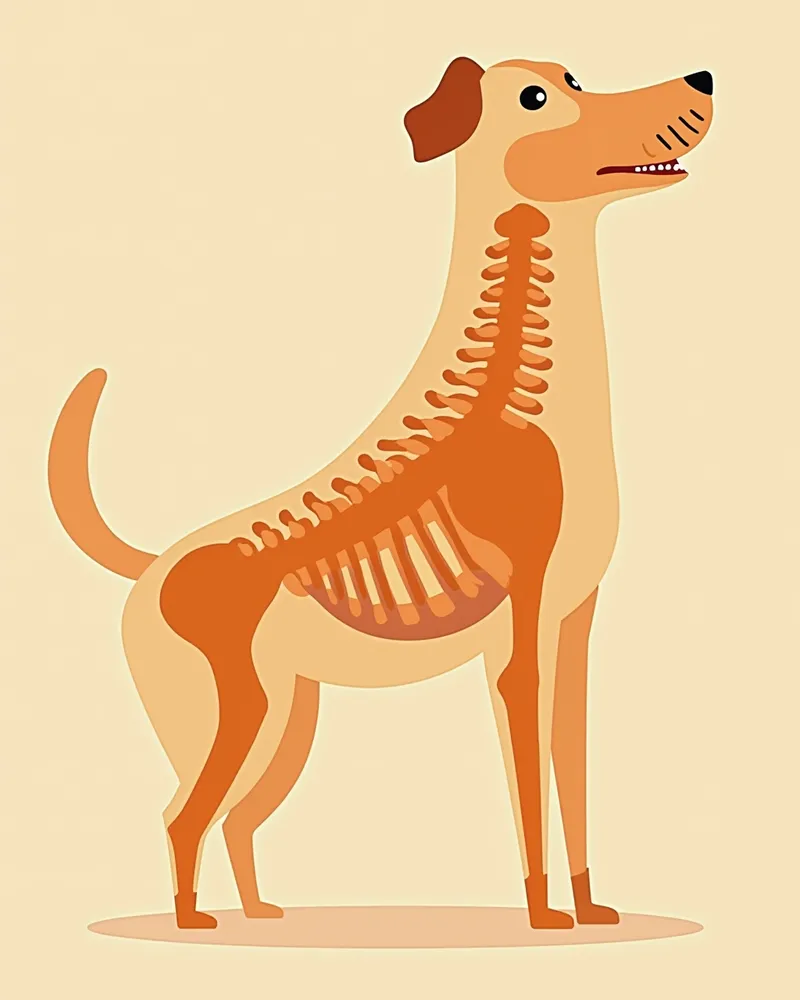
To accurately assess the severity of periodontal disease, dental X-rays are essential. Periodontal disease is most accurately diagnosed during a comprehensive oral examination under anesthesia, using a periodontal probe and intraoral dental radiographs. - Assessing bone loss: External signs alone cannot reveal whether bone loss has occurred around the tooth roots. - Precise evaluation: Radiographs allow for detailed assessment of radiolucencies around the roots, root damage, and changes in the space surrounding the teeth. - Developing a treatment plan: Based on the radiographic findings, the veterinarian determines the appropriate course of treatment, such as scaling, surgery, or tooth extraction. - Checking systemic health: Basic tests, including a complete blood count, serum chemistry, and urinalysis, are performed before treatment to evaluate overall health and ensure a safe procedure. - Regular check-ups recommended: It is important to detect problems early through regular oral examinations and dental X-rays.
Dog Dental X-rays: Checking for Bone Loss and Root Damage

Decide on stage-specific treatment methods together with your veterinarian.

Periodontal disease treatment is carried out in stages, tailored to each patient’s condition. - Initial treatment: Professional scaling and polishing are performed to remove plaque and tartar. - Intermediate treatment: If bone loss is present, bone regeneration surgery or suturing may be necessary. - Advanced treatment: If teeth are severely loose or damaged, extraction may be considered. - Individualized treatment: The veterinarian will comprehensively evaluate the pet’s dental condition, age, and overall health to recommend the most appropriate treatment plan. - Post-treatment care: Ongoing care is essential after treatment to prevent recurrence.
A veterinarian performs a dental scaling on a dog under anesthesia.

Home care and prevention are key to successful treatment.

Periodontal disease can recur even after treatment, so consistent home care is essential. - Daily brushing: The most effective way to maintain oral health is to brush your pet’s teeth regularly using a toothbrush and toothpaste specifically designed for pets. - Oral health treats: Appropriately incorporate chew toys and treats that support dental health. - Use professional products: Consistently use veterinarian-recommended pet-specific toothpaste, wipes, and other oral care products. - Maintain regular check-ups: Continue to consult with your veterinarian and have your pet’s oral health checked regularly, even after treatment. - Owner responsibility: Your pet’s dental health depends on your care habits. Steady attention and diligent home care are the most effective ways to prevent periodontal disease.
A pet owner brushing their dog's teeth

Small Breeds Are at Higher Risk for Periodontal Disease

Small breeds such as Chihuahuas, Pekingese, and Maltese are more susceptible to periodontal disease due to their crowded teeth and thin jawbones. Regular dental check-ups are recommended starting at age three. Early care is crucial before tooth loss occurs, so it's best to work with your veterinarian to create a preventive care plan.

Reviewed by a veterinarian

Dr. Tony — Punnawat Phongkittirak

Dr. Tony — Punnawat Phongkittirak

Veterinarian

A veterinarian who majored in veterinary medicine at Khon Kaen University, Thailand, and completed the IVSA program at North Carolina State University in the United States. Drawing on clinical experience at animal hospitals, he works in the pet healthcare field and is dedicated to building a digital care environment that connects pet parents with veterinarians.

Frequently Asked Questions

Can periodontal disease in dogs be cured?
Early detection and appropriate treatment can alleviate symptoms, but bones that have already been damaged will not heal. Ongoing management is necessary.
Please teach me how to brush my pet's teeth at home.
Use a toothbrush and toothpaste designed specifically for pets to gently brush from the back of the jaw to the front teeth once or twice a day. As your dog gets used to it, the process will become easier.
Is bad breath a sign of periodontal disease?
Bad breath can be a sign of periodontal disease, but it often becomes noticeable only in advanced stages. The earliest signs are redness and swelling of the gums, along with bleeding during brushing or probing.
Is it necessary to extract the teeth?
If a tooth is severely loose, or if there is significant root fracture, deep periodontal pockets, or advanced bone loss, extraction may be necessary. Your veterinarian will make the accurate diagnosis.
Can I use human toothpaste for my pet?
It’s best to always use toothpaste specifically formulated for pets rather than human toothpaste. Since dogs tend to swallow toothpaste while brushing, it’s important to use a pet-safe product designed to be harmless if ingested.

Comparison of Stage-Specific Management Methods for Periodontal Disease

ItemMain SymptomsMain Treatment MethodsManagement Points
Early (gingivitis)Red gums, bleeding on probing/brushingProfessional scaling, polishingDaily tooth brushing, use of dedicated treats
Intermediate (periodontitis)Loose teeth, swollen gumsPeriodontal surgery, root planingRegular checkups, X-ray imaging
Late (tooth loss)Tooth loss, facial swellingTooth extraction, surgical interventionDietary adjustment, pain management

The treatment method may vary depending on the individual situation. Make the decision after consulting your veterinarian.

Share

Related Guides

References

[1] Clinical Medicine of the Dog and Cat, 4th Ed. (2023). Elsevier.

[2] 100 Top Consultations in Small Animal General Practice. (2022). Wiley-Blackwell.

[3] American Veterinary Dental College (AVDC). Guidelines for Periodontal Disease Management in Dogs. (2021). AVDC.org.

This information is based on veterinary literature and does not replace diagnosis or treatment. Please consult a veterinarian for specific health concerns.

Metapet Co., Ltd. | CEO: Park Sung-yong | Business Reg. No. 417-88-02562 | Seoul, South Korea | Customer Center

Canine Periodontal Disease: Stage-by-Stage Care Guide | Meongsiljang