Like
Share
멍실장
산책 시 당기기 교정법

Leash Pulling Correction Method

ImmunityQ&AMeongsiljang Veterinary Advisory Board

We’ve put together a comprehensive guide covering why dogs pull on the leash during walks, the step-by-step correction method that actually works, and how to choose the right harness or head halter.

What Is Leash Pulling? Key Points to Know
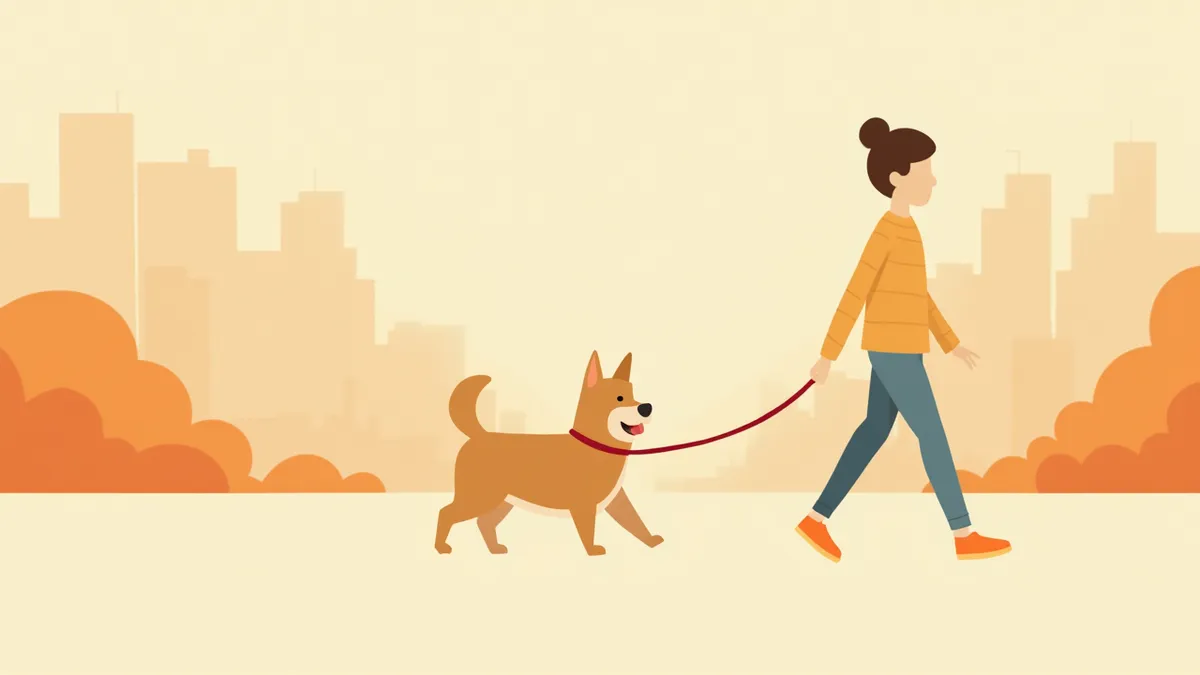
A puppy walking beside its owner with a loose leash.
Pulling on the leash during walks is a common behavioral issue in which your dog forcefully tugs forward on the leash or harness. The key is not to scold your dog when pulling occurs, but to reward them when the leash is loose. Consistently repeat this method: stop immediately when the leash becomes taut, and offer strong rewards such as treats and praise once the leash slackens again. This approach helps reduce pulling over time. Punishment or neck-pressure corrections are not recommended, as they can trigger fear or aggression.

The Real Reasons Your Dog Pulls on the Leash

Leashing isn’t about a “bad temperament”; it usually stems from frustration or anxiety. Pulling can occur when a dog’s basic needs—such as adequate exercise, mental stimulation, and a consistent routine—aren’t met, and the use of pressure-based tools like prong collars, choke chains, or electronic shock collars can exacerbate the behavior. Inconsistent responses from the owner can further reinforce pulling. Veterinary behavior textbooks emphasize that repetitive leash pulling should be addressed not as a simple walking issue, but as a complex problem involving frustration and anxiety, making it essential to identify underlying unmet needs and contributing environmental factors.

Comparison of Pulling Control Features by Walk Tool

ItemRegular collarH-shaped harnessFront-clip harnessHead halter
Pull controlLowLowHighHigh
Neck injury riskHighLowLowLow
Acclimation difficultyEasyEasyModerateHard
Recommended situationFully trained dogsSmall dogs, regular walksDuring pull correctionStrong pulling, large dogs

No tool makes pulling disappear 'on its own.' The tool that veterinary behavior textbooks especially recommend for correcting pulling is the front-clip harness, which, when the dog starts to pull, redirects its movement toward the owner and reduces leash pulling. The head halter is a tool that requires ample gradual acclimation, so in every case it must be combined with reward-based training to be effective.

4-Step Correction Sequence That Actually Works
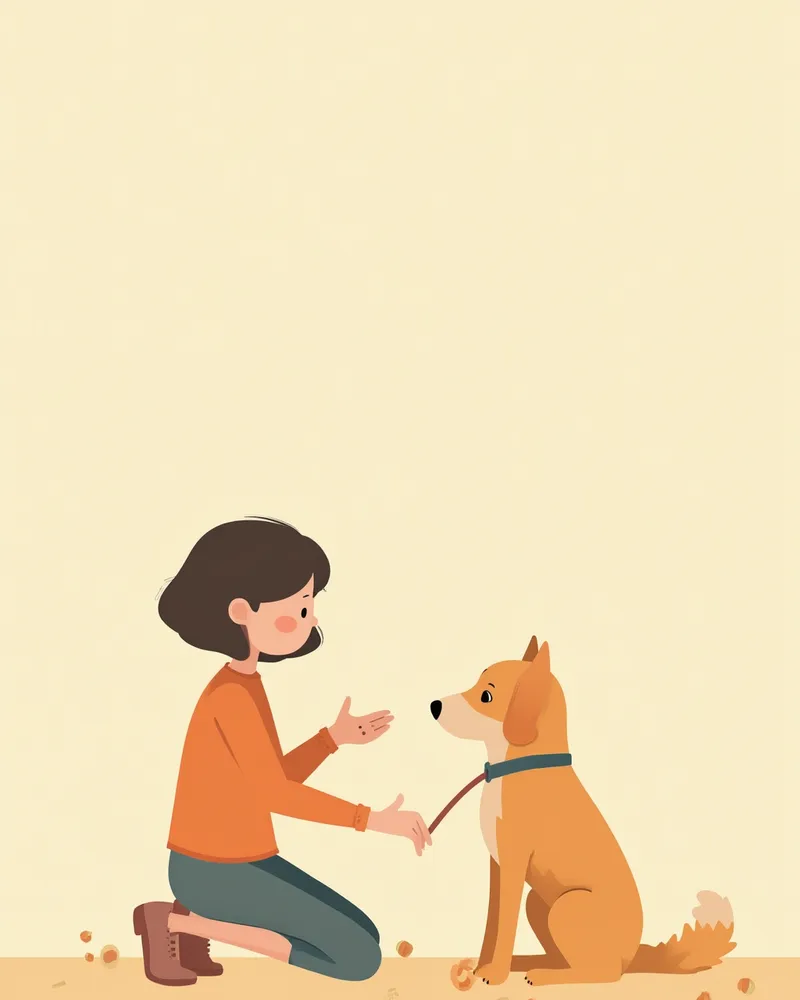
The key to training is to start in a low-distraction environment and gradually increase the difficulty.
Step 1: Reward your dog with treats simply for standing next to you in a distraction-free area like your home or yard.
Step 2: With a loose leash, reward your dog every 1–2 steps.
Step 3: Stop immediately if the leash tightens, and resume walking once it becomes loose again (Stop & Go).
Step 4: Gradually expose your dog to environments with people and other dogs.
Keep each session short, lasting 5–10 minutes, and aim for 2–3 sessions per day.
A pet owner rewarding their puppy with treats during walk training

Correction Methods to Avoid

Choke chains, prong collars, and leash jerking can trigger fear, anxiety, and stress while exacerbating aggression, so current veterinary behavior guidelines strongly advise against using them for walks. Tools that apply pressure to the neck can have negative physical and emotional effects; therefore, harnesses are recommended as a safer option, especially for dogs prone to respiratory strain, such as small breeds and brachycephalic breeds. Electronic shock collars should also be avoided, as they may increase anxiety and aggression rather than suppress problematic behaviors. Positive reinforcement-based training is an approach that safeguards your pet’s emotional well-being while being equally or more effective than punishment-based methods.

How to Choose the Right Tool for Your Dog
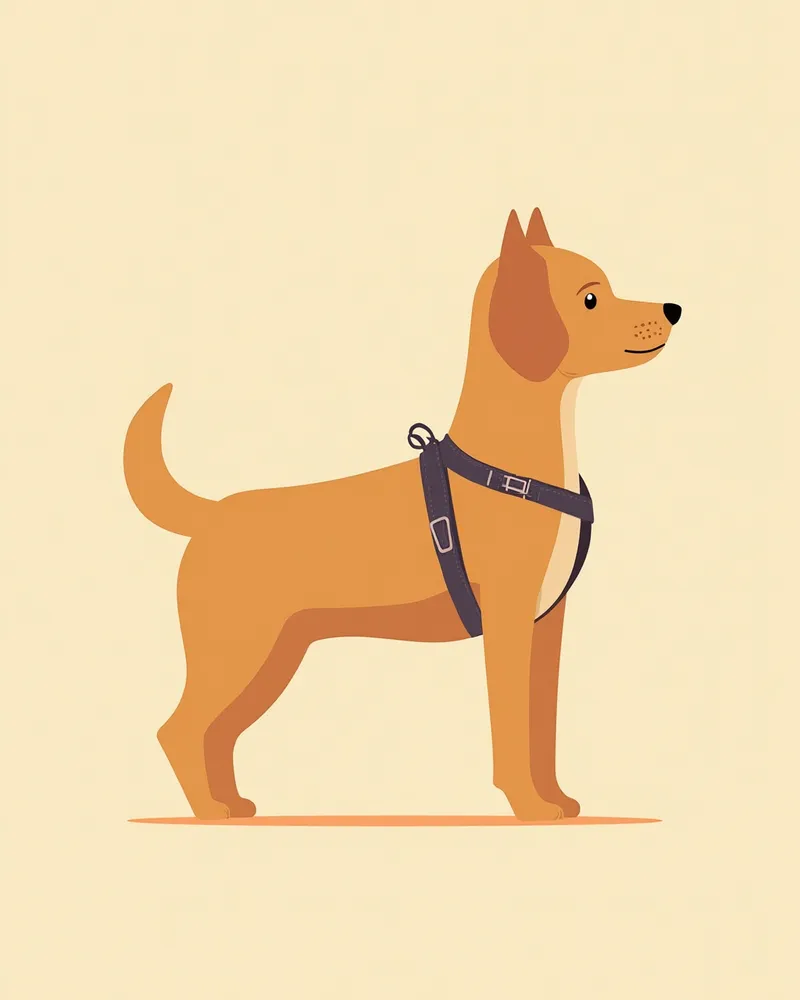
The right tool depends on your dog’s size, pulling intensity, and breed.
Small breeds and brachycephalic dogs: Start with a basic H-style harness that avoids pressure on the neck.
Medium breeds undergoing pulling correction: A front-clip harness (with the leash attachment on the chest) is the most effective.
Large breeds and strong pullers: Consider a head halter (such as a Gentle Leader), but gradual adaptation over 2–3 weeks is essential.
Running and sport dogs: Use a back-clip harness.
Don’t assume that tools alone will solve pulling; they must always be combined with reward-based training.
A front-clip harness properly fitted on a dog’s chest

Practical Tips for Building Consistency

Short and frequent: Repeat 5- to 10-minute training sessions often rather than taking long walks. High-value rewards: Use special treats like cheese or boiled chicken breast instead of regular kibble. Consistency in one direction: Always stop when the leash is tight, and always move forward when it’s loose—no exceptions. Burn energy before walks: Calm your dog’s excitement with yard play or nosework before heading out. Unified family rules: If other family members allow pulling, it undermines the training. The speed at which training takes effect varies greatly from dog to dog. Consistently repeating reward-based training is the most important factor in establishing loose-leash walking, and it may take additional time for your dog to remain calm in highly stimulating environments.

Cases Where Training Alone Is Not Enough

If your dog lunges uncontrollably at specific triggers—such as other dogs, cars, or bicycles—or exhibits aggression like barking or biting, it may not be simple pulling but rather leash reactivity or an anxiety disorder. In such cases, home training alone has its limitations, so it’s safest to work with a veterinary behaviorist or an experienced canine behavior trainer to implement a structured desensitization and counterconditioning program.

Reviewed by a veterinarian

Dr. Tony — Punnawat Phongkittirak

Dr. Tony — Punnawat Phongkittirak

Veterinarian

A veterinarian who majored in veterinary medicine at Khon Kaen University, Thailand, and completed the IVSA program at North Carolina State University in the United States. Drawing on clinical experience at animal hospitals, he works in the pet healthcare field and is dedicated to building a digital care environment that connects pet parents with veterinarians.

Frequently Asked Questions

At what age can you start leash training?
It is recommended to understand your dog’s developmental stages and begin consistent, reward-based training starting from the socialization period. Puppies tend to form good habits more easily at a young age, but even adult dogs can benefit positively from reward-based training, so it’s never too late to start—begin today.
Shouldn't I pull the leash sharply to scold my dog when it pulls?
I don’t recommend it. Pressure-based methods can intensify fear, anxiety, and aggression, and veterinary behavior textbooks explicitly state that choke chains and prong collars are absolutely unsuitable for walks. The “Stop & Go” technique combined with loose-leash rewards is much safer and more effective.
Aren't head halters cruel?
Veterinary behavior textbooks especially recommend front-clip harnesses with a ring on the chest for leash-pull correction. If you use a head halter, gradual adaptation rather than force is key; putting it on for long periods right away can cause resistance, so it’s essential to slowly acclimate your dog over time using treats and plenty of patience.
Is it true that a harness can actually encourage pulling?
Front-clip harnesses, with the leash attachment on the chest, are better suited for correcting pulling behavior than back-clip harnesses, which have the attachment on the back. Textbooks state that front-clip harnesses are effective in reducing pulling by redirecting the dog’s movement toward the handler when it starts to pull.
How long does it take to see results from training?
The speed at which training results appear varies from dog to dog, so it’s difficult to guarantee a specific timeframe. The most important thing is to consistently repeat short training sessions multiple times a day, and it may take even longer for your dog to achieve calmness in highly stimulating environments. If your dog shows leash reactivity or anxiety, a desensitization and counterconditioning program guided by a professional may be necessary.

Share

Related Guides

References

[1] Horwitz D., Mills D., BSAVA Manual of Canine and Feline Behavioural Medicine, 2nd Edition, Chapter on Leash Reactivity and Walking Problems

[2] Landsberg G., Hunthausen W., Ackerman L., Behavior Problems of the Dog and Cat, 4th Edition, Chapter: Pulling on Lead and Loose-Leash Walking

[3] Shaw J., Martin D., Canine and Feline Behavior for Veterinary Technicians and Nurses, Chapter: Basic Training and Loose-Leash Walking

[4] Introduction to Animal Behavior and Veterinary Behavioral Medicine, Chapter 15 & 17: Arousal, Anxiety and On-Leash Behavior

This information is based on veterinary literature and does not replace diagnosis or treatment. Please consult a veterinarian for specific health concerns.

Metapet Co., Ltd. | CEO: Park Sung-yong | Business Reg. No. 417-88-02562 | Seoul, South Korea | Customer Center

Stop Leash Pulling: Causes, Training Steps & Gear Guide | Meongsiljang