Like
Share
멍실장
강아지 개 페로몬 치료 자주 묻는 질문 Q&A — 보호자가 꼭 알아야 할 핵심

What is dog pheromone therapy? — A guide to calming puppy anxiety and usage instructions

Brain & CognitionQ&AMeongsiljang Veterinary Advisory Board

Dog-appeasing pheromone (DAP) therapy is a safe behavioral treatment adjunct that synthesizes the calming signals of a mother dog to help alleviate separation anxiety and noise phobias. We’ve compiled everything you need to know, from how to choose the right product format to the veterinary research behind it and proper usage instructions.

First, let’s understand what puppy pheromone therapy is
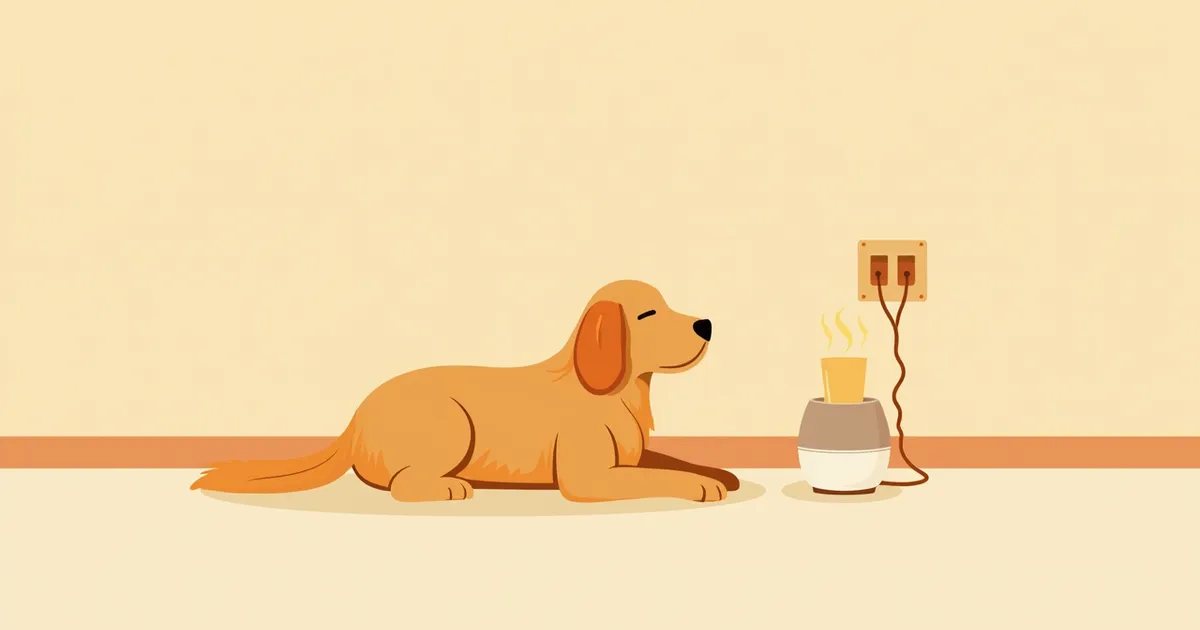
A dog resting comfortably next to a pheromone diffuser.
Puppy pheromone therapy is a behavioral treatment adjunct that uses synthetic dog appeasing pheromones (DAP)—a series of natural chemical signals released by mother dogs to calm their puppies—to help alleviate anxiety and fear-related behaviors. What’s truly important is that veterinary pharmacology textbooks classify pheromone products not as prescription medications, but as "pheromone behavior modifiers." Therefore, they are considered a relatively safe option that can be tried first, alongside behavior modification, without the need for prescription drugs in situations such as separation anxiety, noise phobias, or stress from veterinary visits. Because pheromones are species-specific signals that act on a dog’s olfactory receptors, they do not work in the same way on humans, meaning their calming effects are limited to dogs.

What pheromone products are available? A quick overview of product types

Adaptil is the most widely used dog pheromone product in Korea, available in three formats.
Diffuser: Plugged into an electrical outlet to disperse pheromones throughout the room, it is ideal for separation anxiety and helping dogs adjust during the early stages of adoption.
Spray: Apply to carriers, car seats, or specific items. For best results, spray 30 minutes before use.
Collar: Worn around the clock to provide continuous effects even when outdoors, it needs to be replaced every four weeks.

In what situations is pheromone therapy helpful?
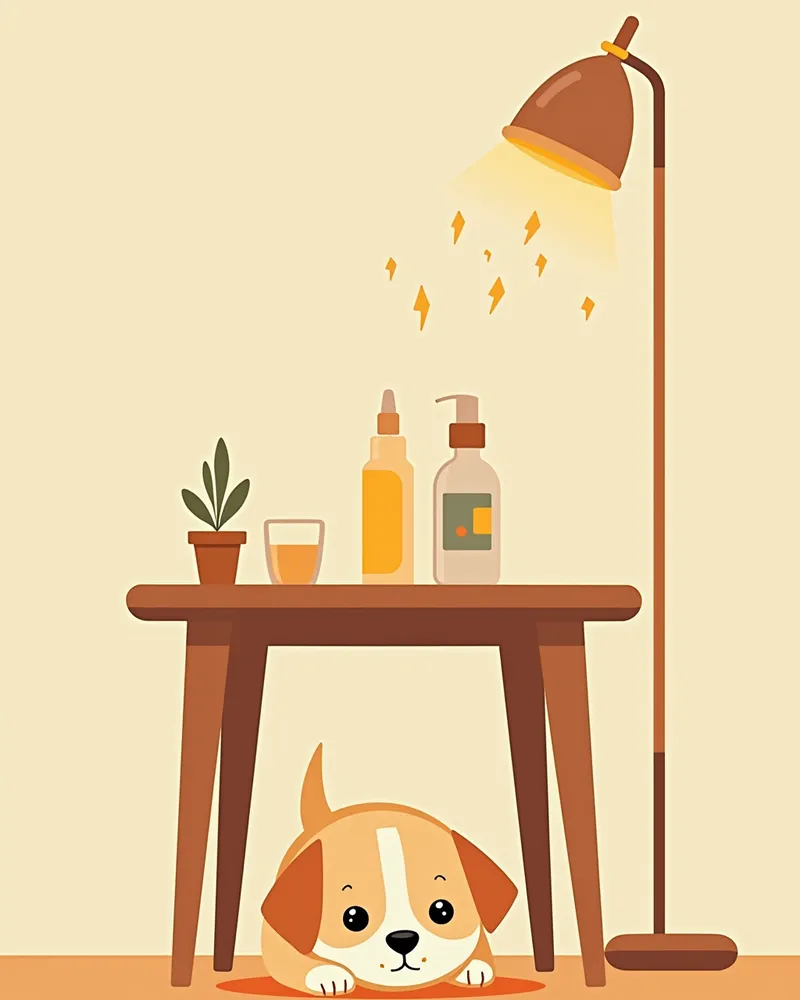
According to veterinary behavior textbooks, pheromone therapy is particularly effective in the following situations:
Separation anxiety: If your dog barks or exhibits destructive behavior when left alone, start by using a diffuser in the living room.
Noise phobia: For dogs that hide or tremble at the sound of fireworks or thunder, apply the spray 30 minutes before the anticipated noise.
Visits to the vet or groomer: Spraying the carrier in advance can help reduce travel-related stress.
Early adoption period: Keeping a diffuser running during the initial adjustment period in a new home can be helpful.
A pet owner preparing a pheromone spray for their dog, which gets anxious around loud noises.

Adaptil product format comparison — A guide to choosing by situation

ItemDiffuserSprayCollar
Coverage rangeIndoor 50~70㎡Localized areaWearing radius
DurationAbout 4 weeks4~5 hoursAbout 4 weeks
Main situationsSeparation anxiety/early adoptionTravel/vet visitsFrequent outings/travel
Replacement cycleRefill every 4 weeksWhen used upEvery 4 weeks

Based on manufacturer product specifications / may vary depending on the usage environment

Important things to check about pheromone therapy

Pheromone products are safe, but they’re not a cure-all. For moderate to severe separation anxiety or aggression, pheromones alone won’t solve the problem. They must be used alongside behavior modification training, and in severe cases, prescription medication from a veterinarian is necessary. Also, never spray pheromone products directly on your dog—always apply them only to objects or the environment.

Proper usage — How to get the maximum effect
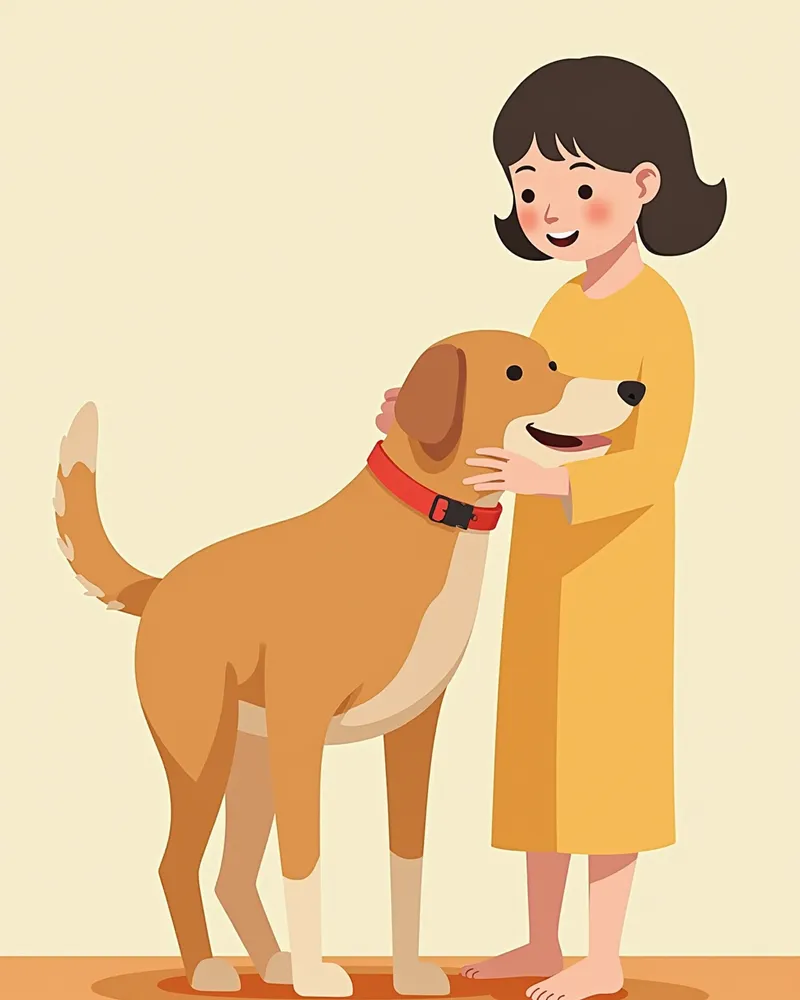
Plug the diffuser into an outlet in the room where your dog spends most of its time, but keep it away from furniture and walls to ensure a wide dispersion range. For the spray, shake well before use, apply it to a space where your dog is not present, and allow the dog to enter only after 15–30 minutes. The collar should be worn in direct contact with the skin, and it can be used alongside your dog’s regular collar. Mark the product replacement schedule on a calendar to maintain consistent effectiveness.
A pet owner putting a pheromone collar on their dog

How effective is it according to veterinary research?

According to research and clinical literature in veterinary behavior, DAP (Dog Appeasing Pheromone) products have been shown to have a calming effect compared to placebos in situations such as noise and firework phobias, early adoption anxiety, and stress from veterinary visits. Mills and colleagues (2006) reported in a triple-blind, placebo-controlled study that DAP reduced anxiety-related behaviors in dogs with behavioral issues in veterinary clinics, and also confirmed that this synthetic pheromone reduced signs of fear and anxiety in the veterinary environment. However, responses vary significantly among individual dogs, so the effect is not uniform across all dogs. For severe separation anxiety, combining pheromone therapy with behavior modification training and medication is recommended rather than using pheromones alone.

If there’s no effect after 4 weeks of use, the next step is needed

If there’s no change in behavior after consistently using pheromone therapy for four weeks or more, consult a veterinarian or a veterinary behavior specialist. The 2015 AAHA Guidelines for Canine and Feline Behavior Management also recommend a multimodal approach—combining behavior modification training with medication—rather than relying on pheromones alone for severe behavioral issues. Seek professional advice before symptoms worsen.

Home care methods to use alongside pheromone therapy

Maintain a consistent routine: Keeping walk, meal, and bedtime schedules fixed creates a predictable environment that helps reduce anxiety.
Create a safe hiding spot: Spraying a crate or blanket tent with calming spray can encourage your dog to go inside and feel secure.
Practice being alone: Minimize excessive greetings before and after outings, and gradually increase the time you're away, starting with short absences.
Prepare ahead for firework season: Start using a calming diffuser 1–2 weeks before holidays or year-end fireworks to help your dog adjust.
A dog resting comfortably inside a carrier.

Reviewed by a veterinarian

Dr. Tony — Punnawat Phongkittirak

Dr. Tony — Punnawat Phongkittirak

Veterinarian

A veterinarian who majored in veterinary medicine at Khon Kaen University, Thailand, and completed the IVSA program at North Carolina State University in the United States. Drawing on clinical experience at animal hospitals, he works in the pet healthcare field and is dedicated to building a digital care environment that connects pet parents with veterinarians.

Frequently Asked Questions

Do pheromone products affect humans or cats as well?
DAP is a species-specific (dog-only) chemical signal that acts on dogs' olfactory receptors and does not work in the same way on humans. For safety around people and other animals, please follow the product instructions and your veterinarian's guidance. Additionally, Feliway for cats and Adaptil for dogs are separate products that use different pheromones, so be sure to use the correct one for your pet. In multi-species households, it is best not to mix these products.
Is it possible for a dog to show no response to pheromones at all?
Yes, responses can vary significantly from one dog to another. Studies have shown that the effect is minimal in some individuals. If you see no change in behavior after 2–4 weeks of use, consult your veterinarian about alternative approaches, such as behavior modification training or medication.
Does the dog need to be in the room with the diffuser on at all times for it to be effective?
You don’t need to have it on at all times. As the pheromones disperse throughout the space, your dog will be naturally exposed to them as they move around. Installing one in the room where your dog spends most of their time is usually sufficient. If you’d like to cover multiple rooms, you can use several diffusers.
Can I use the spray and diffuser at the same time?
Yes, it’s safe to use them together. For everyday home maintenance, the diffuser works best, while the spray can be used to supplement in situations involving travel or special circumstances. There have been no reports of side effects due to overuse so far.
Can this be used for young puppies and senior dogs as well?
Yes, it can be used safely with no age restrictions. It is especially helpful for puppies adopted at eight weeks of age or older to adjust to their new environment, and it can also be used as a supportive measure for anxiety-related behaviors in senior dogs caused by cognitive decline. However, please consult your veterinarian for severe symptoms.

Share

Related Guides

References

[1] Mills, D.S., Ramos, D., Estelles, M.G. et al. (2006). A triple blind placebo-controlled investigation into the assessment of the effect of dog appeasing pheromone (DAP) on anxiety related behavior. Appl. Anim. Behav. Sci. 101(3-4): 363-382.

[2] Taylor, K. and Mills, D.S. (2007). A placebo-controlled study to investigate the effect of dog appeasing pheromone and other environmental and management factors on the reports of disturbance and house soiling during the night in recently adopted puppies.

[3] Hammerle, M., Horst, C., Levine, E. et al. (2015). 2015 AAHA canine and feline behavior guidelines. J. Am. Anim. Hosp. Assoc. 51(4): 205-221.

[4] Horwitz, D.F. and Mills, D.S. (eds.). Introduction to Animal Behavior and Veterinary Behavioral Medicine, Chapter 11. BSAVA.

[5] Plumb, D.C. Plumb's Veterinary Drug Handbook, 10th Ed. Pheromones (Feliway, D.A.P., Adaptil, Comfort Zone). Wiley-Blackwell.

This information is based on veterinary literature and does not replace diagnosis or treatment. Please consult a veterinarian for specific health concerns.

Metapet Co., Ltd. | CEO: Park Sung-yong | Business Reg. No. 417-88-02562 | Seoul, South Korea | Customer Center

What Is Dog Pheromone Therapy? Calming Anxiety & How to Use | Meongsiljang