Like
Share
멍실장
고양이 신장 식이 처방 사료 자주 묻는 질문 Q&A — 보호자가 꼭 알아야 할 핵심

Should I definitely feed my cat prescription renal food? — A guide to its effects and proper feeding methods

KidneyQ&AMeongsiljang Veterinary Advisory Board

We’ve compiled the most frequently asked questions from pet owners about prescription diets for managing feline kidney disease. Here’s how to make the right choice and properly manage your cat’s condition.

What is prescription renal diet for cats?
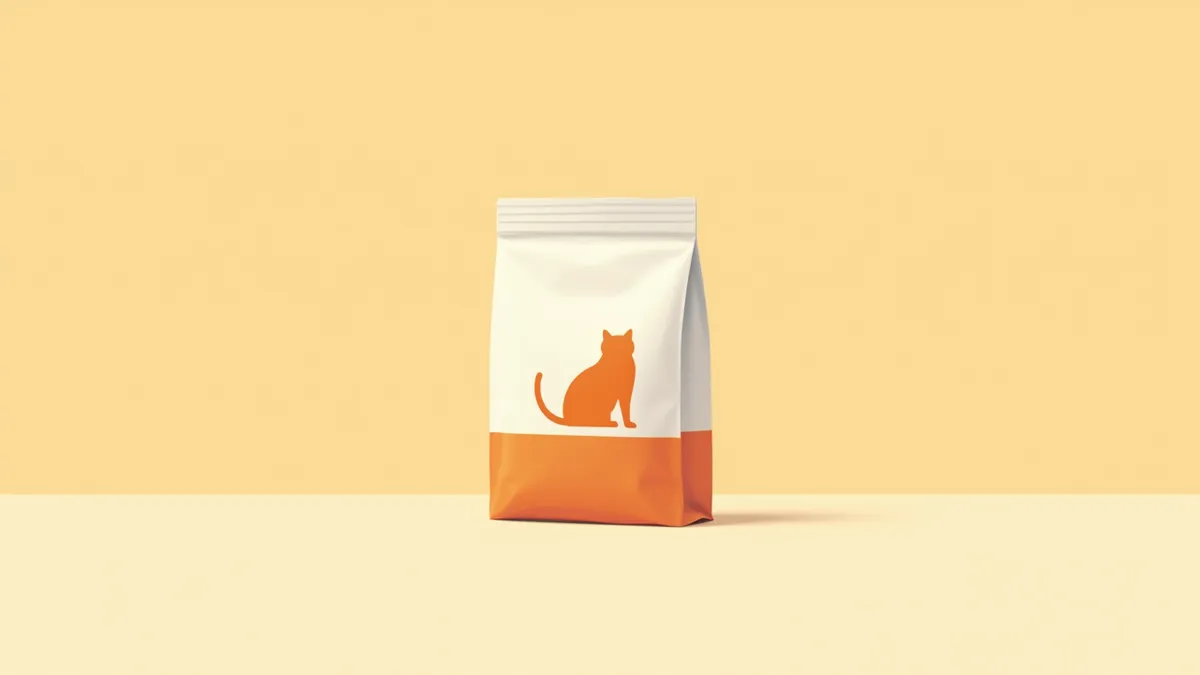
Packaging box for prescription renal diet cat food
Prescription renal diets for cats are specially formulated to manage the nutritional needs of felines with chronic kidney disease (CKD). The primary goal of dietary management is to extend survival time and improve quality of life. These diets are designed to reduce kidney strain by moderately lowering protein levels compared to standard foods, restricting phosphorus and sodium, and enhancing omega-3 fatty acids and antioxidants. Phosphorus restriction is a key recommendation from the International Renal Interest Society (IRIS). Controlled protein intake helps minimize the buildup of nitrogenous waste products in the blood. These diets require a veterinarian’s prescription and recommendation, and should be purchased through veterinary clinics or authorized channels. Regular monitoring and re-evaluation through veterinary check-ups are essential for effective management.

Why isn't regular cat food sufficient?

Standard cat foods are formulated for healthy cats and tend to be relatively high in protein and phosphorus, which can place additional strain on the kidneys of cats with chronic kidney disease. - Renal prescription diet: These diets are specifically designed to support kidney health by appropriately reducing protein levels, limiting phosphorus and sodium content, and supplementing with omega-3 fatty acids and antioxidants. - Benefits: This helps reduce the workload on the kidneys and can improve both survival time and quality of life through proper dietary management. - Waste product management: By controlling protein intake, the production of nitrogenous waste products is reduced, which may help alleviate uremic symptoms. - Feeding precautions: Regular blood and urine tests are essential to monitor your cat’s condition. - Long-term care: Prescription renal diets are not just regular food—they are a key component of maintaining your cat’s health.
Comparison of regular pet food and renal prescription diet

Which cats need prescription renal diets?

This diet is primarily recommended for cats diagnosed with chronic kidney disease, those suspected of having reduced kidney function, or senior cats showing abnormalities in urinalysis. Kidney function is assessed through blood and urine tests. Prescription renal diets are especially advised when creatinine and BUN levels are elevated. A veterinarian’s evaluation is essential, and early intervention is key. Starting treatment early is most effective in slowing the progression of kidney dysfunction.
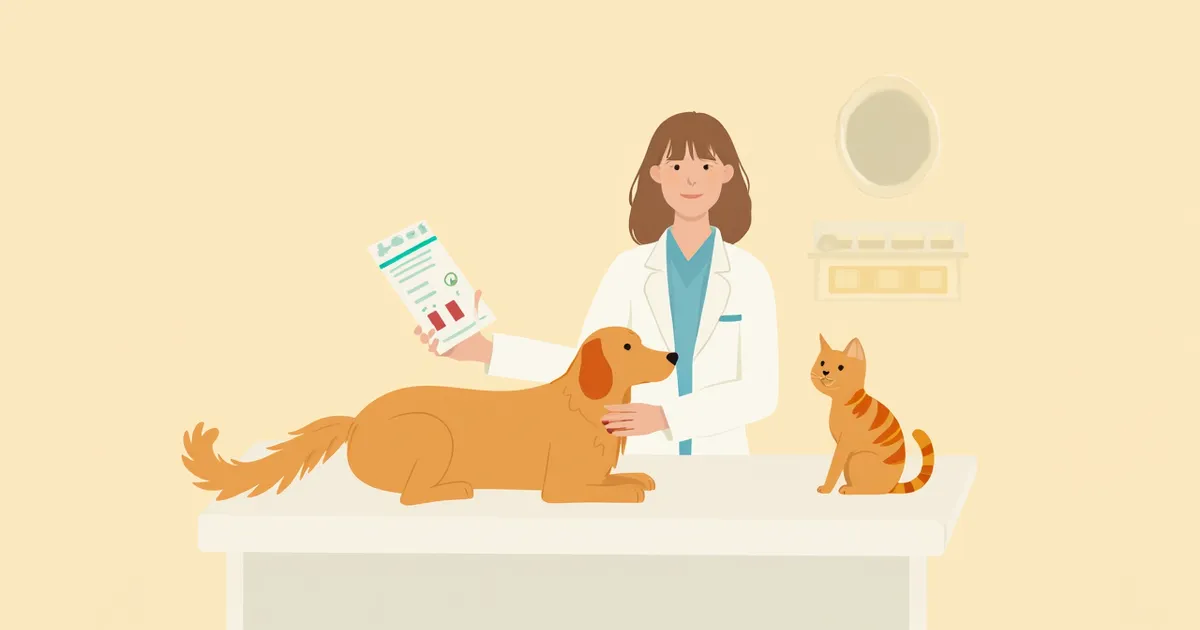
A veterinarian reviewing a cat’s test results.

Comparison of prescription renal diets for cats by type

ItemProtein ContentPhosphorus ContentPotassium Content
Royal Canin Renal Support18%0.3%0.5%
Hill's Prescription Diet k/d18%0.3%0.6%
Purina Pro Plan Veterinary Diets NF17%0.4%0.5%

All products are manufactured according to veterinary prescription standards, and the feeding amount varies depending on the cat's weight and condition.

How should I feed prescription renal diets?
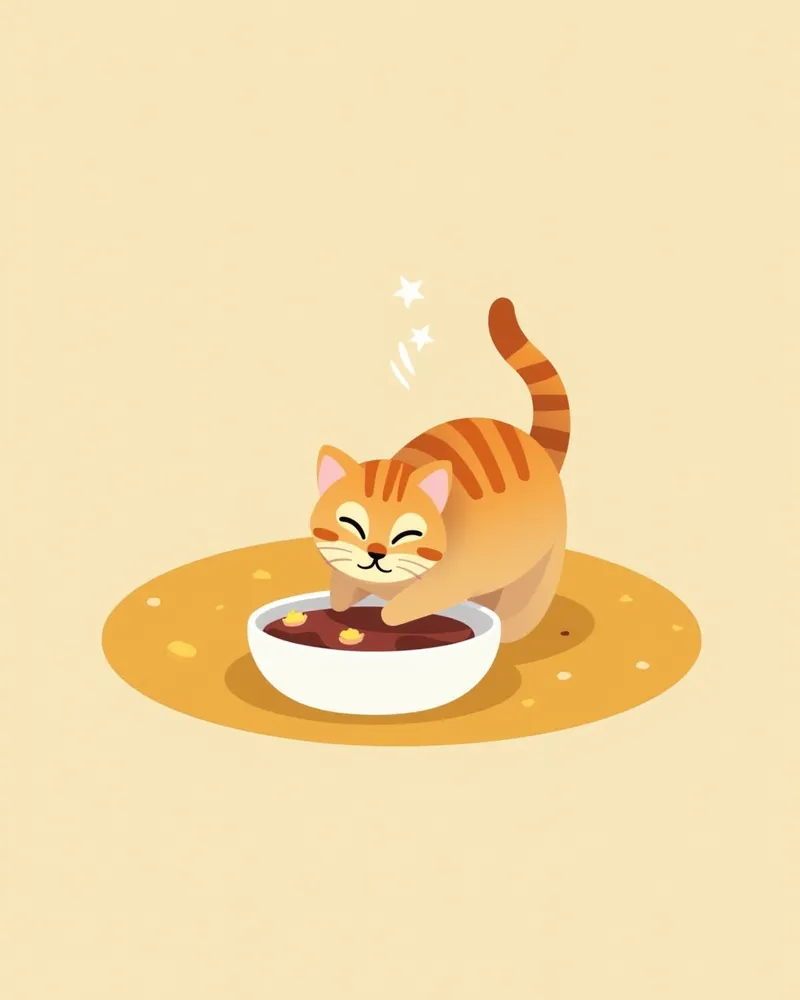
It’s best to transition to prescription food gradually. Start by mixing the new food with the old at a 1:3 ratio, and over 3–5 days, slowly increase the proportion of the new food until it makes up 100% of the diet. Sudden changes can cause loss of appetite or diarrhea. It’s important to monitor your cat’s response and allow plenty of time for adjustment. Carefully observe any changes within 1–2 weeks after starting the new food. Working with your veterinarian to create a management plan is the safest approach.
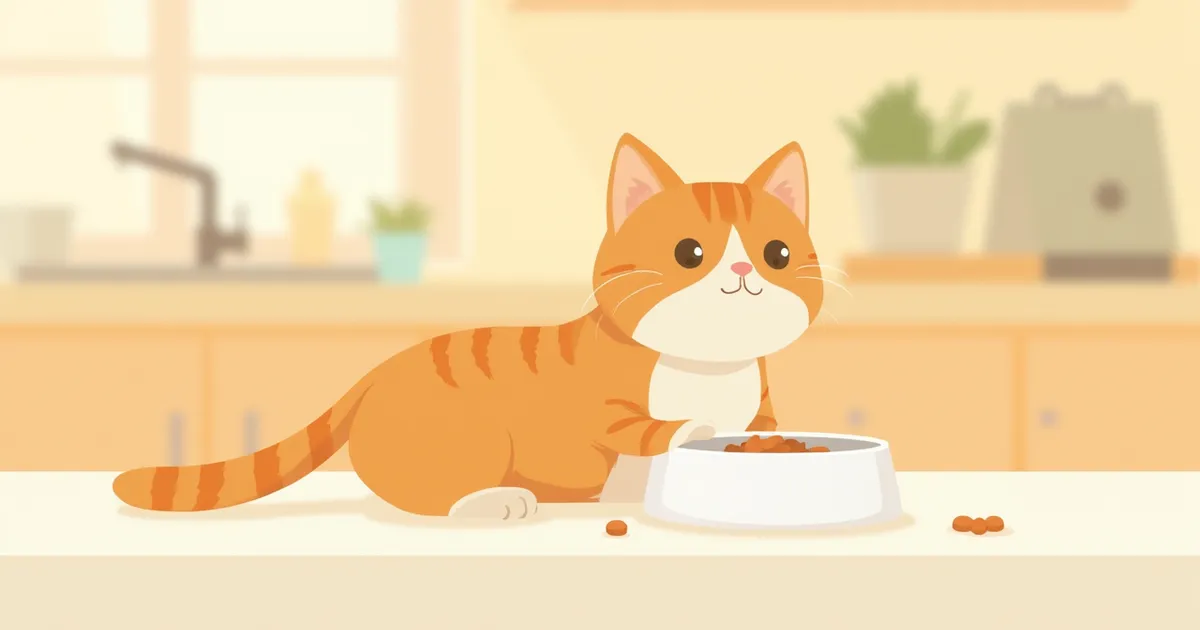
A cat eating the transitional food.

Caution: Visit the vet immediately if abnormal symptoms occur during feeding

If your pet shows symptoms such as loss of appetite, vomiting, diarrhea, lethargy, or difficulty breathing, please consult a veterinarian immediately. These signs may indicate an allergic reaction to the food or a worsening of an underlying condition.

What supplements are good to give with prescription renal diets?

Under your veterinarian’s guidance, you can supplement your pet’s diet with omega-3 fatty acids and other supportive nutrients. Omega-3 fatty acids are commonly included in prescription renal diets and may help protect kidney function. Antioxidants such as vitamins E and C, and beta-carotene, have been reported to reduce oxidative stress and potentially slow the progression of chronic kidney disease. However, evidence supporting the renal benefits of other supplements, such as B-complex vitamins and L-carnitine, is limited, so they should be used cautiously. Always consult your veterinarian before giving any supplements, as excessive intake can place additional strain on the kidneys.
Supplements for cats

4 Frequently Asked Questions

Do I need to feed prescription food for life? Chronic kidney disease is a progressive and irreversible condition, so most cats require long-term dietary management. Please do not change your cat’s food without consulting your veterinarian. My cat won’t eat the food. Try warming the food slightly with warm water or broth to enhance the aroma, or break it into smaller pieces to make it easier to eat. Prescription food is expensive. In the long run, maintaining kidney function can help reduce veterinary costs. Consult your veterinarian to create a sustainable long-term management plan. Can I feed it to my other cats as well? It is acceptable if your other cats also have kidney disease, but it is best to feed healthy cats separately.
A worried pet owner seeing their cat refuse to eat

Reviewed by a veterinarian

Dr. Tony — Punnawat Phongkittirak

Dr. Tony — Punnawat Phongkittirak

Veterinarian

A veterinarian who majored in veterinary medicine at Khon Kaen University, Thailand, and completed the IVSA program at North Carolina State University in the United States. Drawing on clinical experience at animal hospitals, he works in the pet healthcare field and is dedicated to building a digital care environment that connects pet parents with veterinarians.

Frequently Asked Questions

Where can I purchase prescription renal diet food for cats?
This medication can only be purchased with a veterinarian’s prescription and is available exclusively at veterinary clinics or authorized online pharmacies.
My pet’s weight has decreased after starting the prescription diet. Is this normal?
Cats with chronic kidney disease often experience weight and muscle loss (cachexia). Therefore, it is important to ensure they consume enough calories and to regularly monitor their weight, body condition, and muscle mass. If your cat continues to lose weight, consult your veterinarian.
My pet suddenly developed an appetite while eating prescription food. Why is that?
An overall improvement in condition accompanied by an increased appetite can be a positive sign. However, since chronic kidney disease requires ongoing management, it’s best to consult your veterinarian if you notice any sudden changes.
My pet’s urine output increased after starting the prescription diet. Is this normal?
Cats with chronic kidney disease often experience polyuria and polydipsia—increased urination and excessive thirst—because their kidneys struggle to concentrate urine. Therefore, an increase in urine output doesn’t necessarily mean kidney function is improving. Always provide fresh water, and consult your veterinarian if you notice significant changes in your cat’s urination patterns.

Share

Related Guides

References

[1] Fascetti, A.J. & Delaney, S.J. (2023). Applied Veterinary Clinical Nutrition, 2nd Ed. Wiley-Blackwell.

[2] Plumb's Veterinary Drug Handbook, 9th Ed. (2022). Wiley-Blackwell.

[3] AAFCO (2023). Official Publication of the Association of American Feed Control Officials. Nutrient Profiles for Pet Foods.

This information is based on veterinary literature and does not replace diagnosis or treatment. Please consult a veterinarian for specific health concerns.

Metapet Co., Ltd. | CEO: Park Sung-yong | Business Reg. No. 417-88-02562 | Seoul, South Korea | Customer Center

Do Cats Really Need Prescription Renal Food? Effects and Feeding | Meongsiljang