Like
Share
멍실장
고양이 영역 스트레스 자주 묻는 질문 Q&A — 보호자가 꼭 알아야 할 핵심

Why Has My Cat Become So Sensitive? — Causes of Territorial Stress and When to Intervene

Brain & CognitionQ&AMeongsiljang Veterinary Advisory Board

We’ve compiled the causes, symptoms, and step-by-step solutions for feline territorial stress in a Q&A format. It also includes tips for improving multi-cat home environments and introducing new cats.

What Is Feline Territorial Stress?
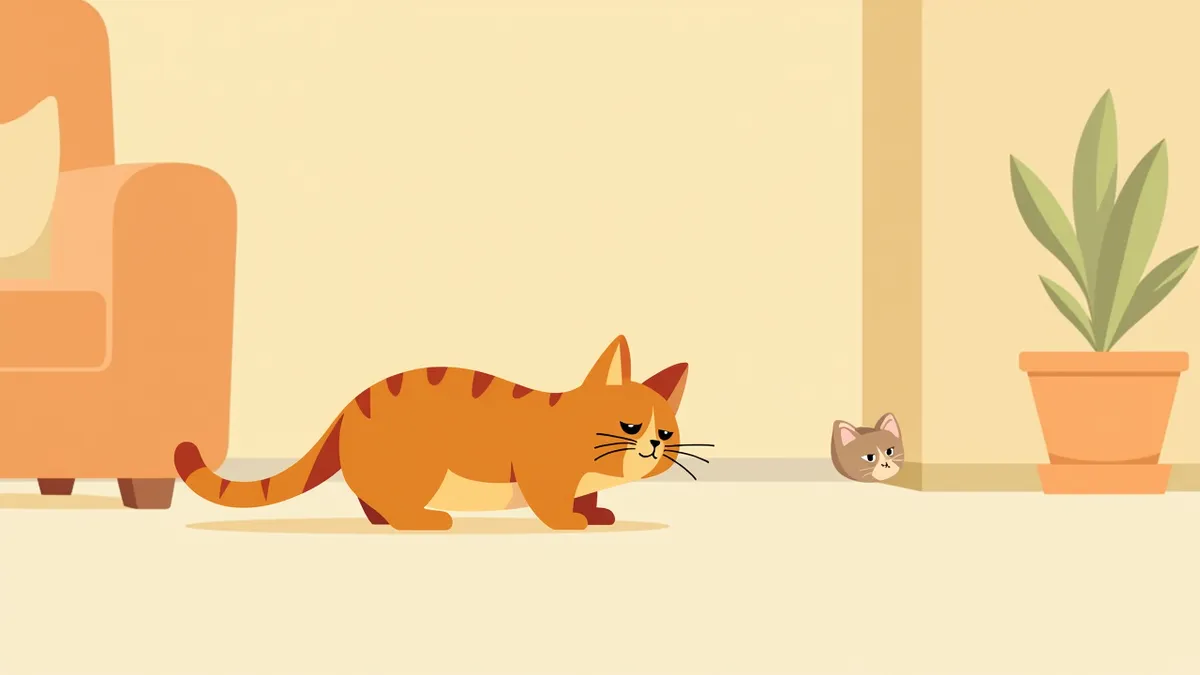
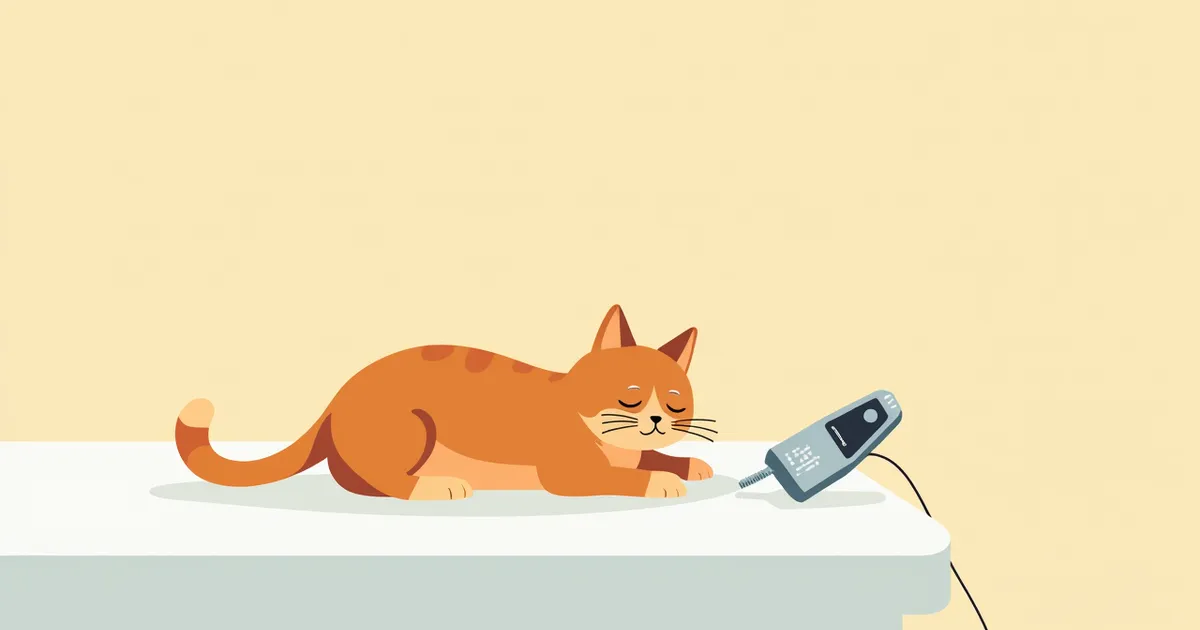
A cat curled up, stressed by its surroundings
Feline territorial stress is a behavioral and physiological response that occurs when a cat feels its living space or resources—such as food bowls, litter boxes, or resting areas—are under threat. The key point is that this reaction is not simply a sign of a sensitive temperament, but a normal response rooted in the cat’s survival instincts. Therefore, the solution lies in environmental management rather than punishment. If left unaddressed, it can lead to aggression, spraying, chronic stress, and even physical health issues such as lower urinary tract disease.

What Are the Main Causes of Feline Territorial Stress?

Environmental changes are the most common cause of territorial stress in cats. Typical triggers include adopting a new cat or other pet, moving to a new home, rearranging furniture, or having outdoor cats enter the area. As solitary hunters and feeders by nature, cats seek security by managing their own resources—such as food and water bowls, litter boxes, resting spots, and elevated perches. They may exhibit stress responses if they perceive these resources as insufficient or feel forced to share them. Territorial conflicts are especially likely to escalate when the number of cats living together exceeds the environment’s capacity. In multi-cat households, a fundamental preventive measure is to provide ample, separately distributed resources so each cat has its own food and water bowls, litter boxes, and resting areas, minimizing face-to-face encounters and competition over shared items.

Territorial Stress Symptom Checklist

If you notice any of the following signs, your cat may be experiencing territory-related stress.
Increased aggression: Your cat may suddenly hiss, growl, scratch, or bite at other cats in the household or at people.
Spray marking: This involves spraying urine on vertical surfaces to mark territory, a behavior that can occur in situations of territorial stress.
Prolonged hiding: Unlike their usual behavior, your cat may hide for extended periods in corners or confined spaces and be reluctant to come out.
Decreased appetite: Your cat may go through several days of eating very little.
Excessive grooming: Your cat may repeatedly lick a specific area, leading to redness or hair loss. However, many such cases also have underlying physical causes, such as skin conditions. Therefore, it is important to have a veterinarian rule out medical causes before attributing the behavior solely to stress.

Criteria for Stages of Territorial Stress Severity

ItemMild (Stage 1)Moderate (Stage 2)Severe (Stage 3)
Main SymptomsSlightly flattened ears, reduced tail movementHissing, increased grooming, decreased appetitePersistent aggression, spray marking, prolonged hiding
Duration PatternShort and temporaryContinues for several daysPersists for a long time or recurs
Recommended ResponseCheck the environment and replenish resourcesRearrange resources + use pheromone productsVeterinary visit recommended

If it corresponds to the severe stage or is accompanied by urination abnormalities or blood in the urine, do not assume it is a behavioral problem — have the medical cause checked at the hospital first.

Go to the Vet If These Symptoms Appear

If your cat suddenly starts spray-marking, goes more than three days with little to no food intake, or shows blood in the urine or difficulty urinating, it may not be simple territorial stress. Medical conditions such as feline lower urinary tract disease (cystitis, urolithiasis) or hyperthyroidism can present alongside behavioral changes. Even if only behavioral symptoms are present, it’s advisable to consult a veterinarian if they persist for more than five days.

Why Are Cats So Sensitive to Territory?
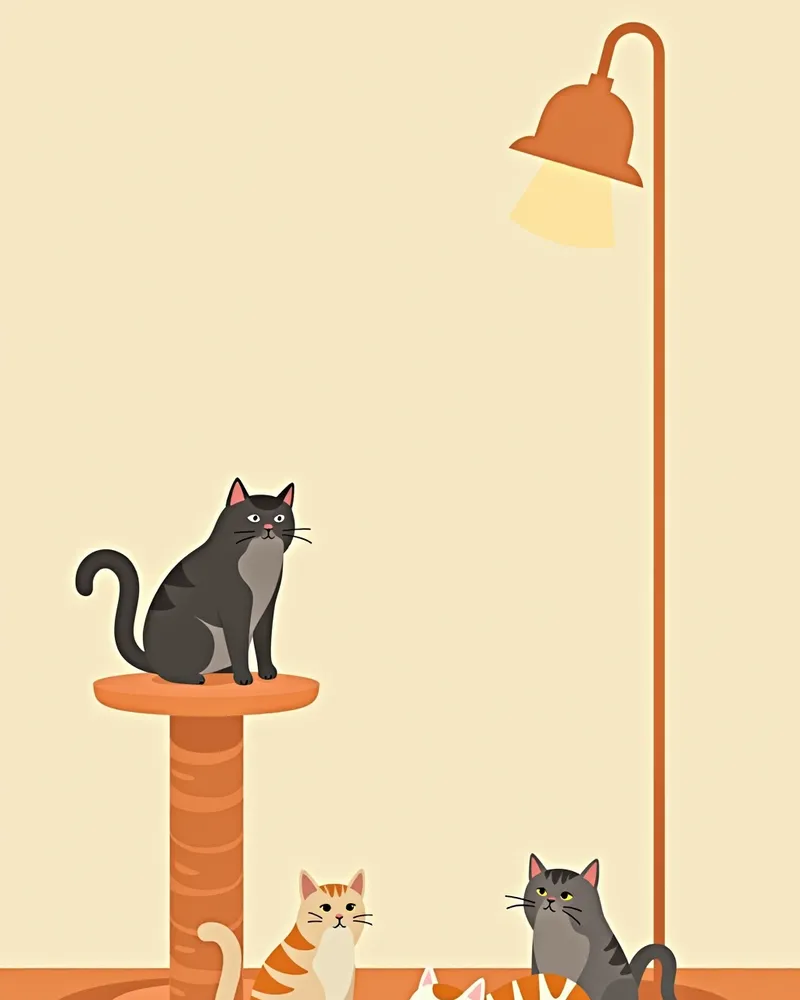
Cats are naturally solitary animals. In the wild, they survived by defending their own food, water, and shelter, which led to an evolutionary sensitivity to resource sharing and intruders. Indoor cats often live with multiple cats in confined spaces, resulting in territorial conflicts at much higher densities than in their natural environment. Understanding this background helps explain why environmental enrichment, rather than punishment, is key to resolving these issues.
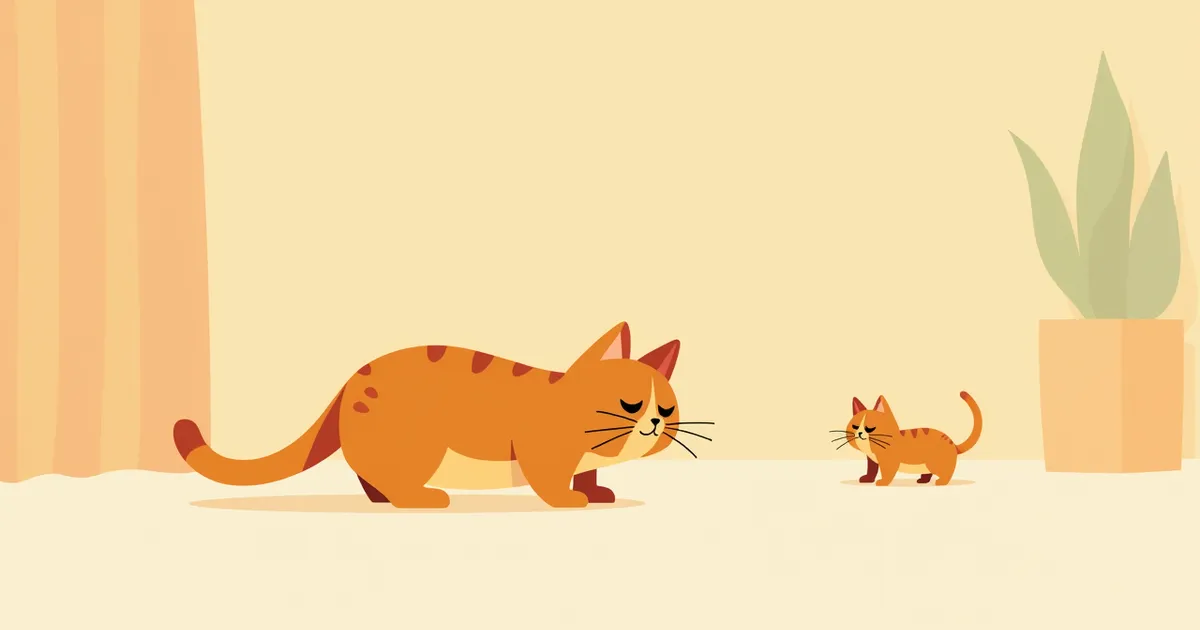
Cats experiencing territorial conflicts in multi-cat households

Environmental Management to Reduce Territorial Stress
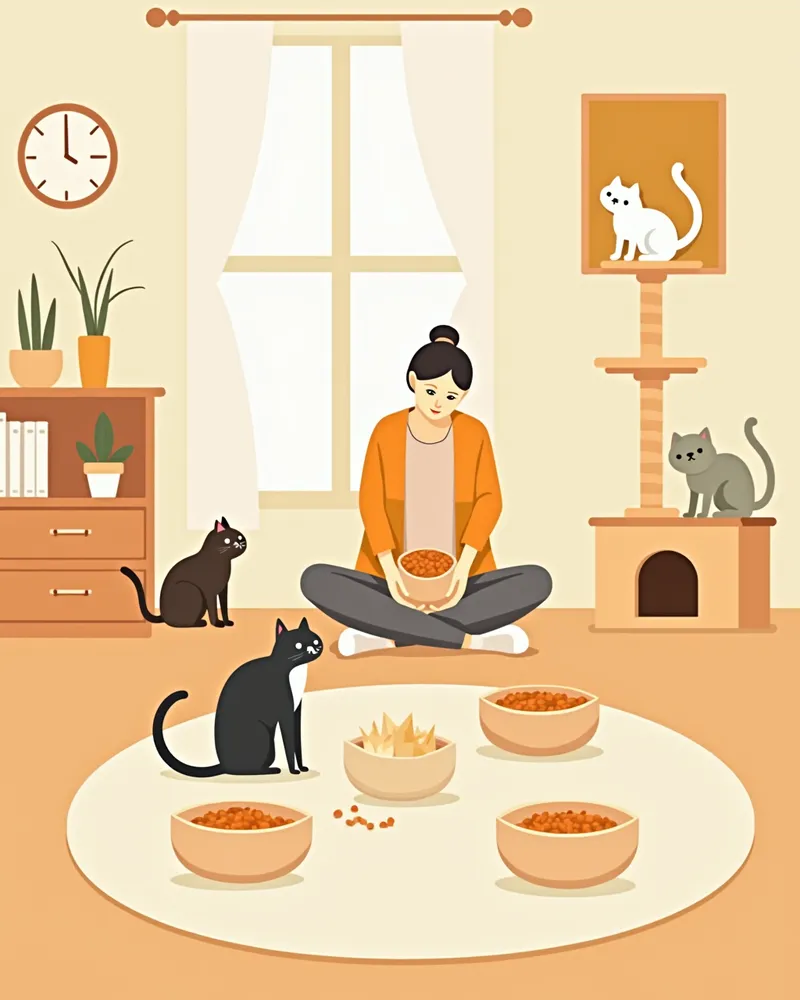
The key to resolving territorial stress is providing ample resources and distributing them throughout the home.
Resource Placement Principles: Place food bowls, water bowls, and litter boxes in multiple, spacious locations so each cat has its own and doesn’t have to encounter or compete with others in one spot.
Vertical Space: Use cat trees and wall shelves to create independent, elevated perches for each cat.
Hiding Spots: Each cat needs at least one quiet retreat, such as a box or cat bed, where it can rest alone.
Pheromone Products: Synthetic feline calming pheromone diffusers (like Feliway) can help reduce stress-related behaviors in some cats. They are most effective when used alongside environmental improvements, rather than as a standalone solution.
A cat owner who distributes resources strategically

How to Prevent Territorial Conflict When Adopting a New Cat

When bringing home a new cat, a "slow introduction" is the most important step. Avoid forcing an immediate meeting; instead, proceed gradually, moving on to the next stage only when both cats appear comfortable.
Step 1: Keep the new cat in a separate room equipped with its own food and water bowls, litter box, and resting area. Allow them to become accustomed to each other’s scent first (swapping blankets or alternating their use of spaces can help).
Step 2: Once they are sufficiently adjusted to each other’s sounds and smells through an opaque door, begin with brief visual contact.
Step 3: Arrange short, direct meetings in a neutral space while offering treats. If they remain calm, gradually extend the duration of these interactions.
The pace of each stage varies from cat to cat. Rushing this process can actually prolong territorial conflicts.

Things Multi-Cat Household Owners Often Overlook

Your actions can inadvertently escalate territorial conflicts. Physically separating fighting cats by hand can intensify the aggression and put you at risk of injury. Rather than shouting or using physical contact to intervene, quietly separating the cats into different spaces is more effective. Additionally, focusing attention on only one cat can increase stress levels in the others.

Reviewed by a veterinarian

Dr. Tony — Punnawat Phongkittirak

Dr. Tony — Punnawat Phongkittirak

Veterinarian

A veterinarian who majored in veterinary medicine at Khon Kaen University, Thailand, and completed the IVSA program at North Carolina State University in the United States. Drawing on clinical experience at animal hospitals, he works in the pet healthcare field and is dedicated to building a digital care environment that connects pet parents with veterinarians.

Frequently Asked Questions

Do neutered cats also spray to mark their territory?
Yes, it’s possible. While neutering helps reduce hormone-driven marking, your cat may still mark when stressed about territorial issues. This behavior often emerges after environmental changes, such as outdoor cats gaining access to your home or the introduction of a new feline companion.
My cat is hiding and won’t come out. Could this be due to territorial stress?
Hiding behavior can stem not only from stress but also from pain or illness. If your pet stops eating or shows changes in bathroom habits, it’s important to rule out medical causes first. We recommend visiting the vet if the hiding persists or if other abnormal signs appear.
Do pheromone diffusers really work?
This can be helpful for some cats. Synthetic pheromone products, such as Feliway, are known to help reduce stress-related behaviors. They tend to be more effective when used alongside environmental enrichment rather than as a standalone solution.
My cats were getting along fine at first, but suddenly they started fighting. Why is that happening?
When one cat has been ill or visited the vet, its scent may change, causing the other cat to perceive it as unfamiliar despite previously getting along. Changes in furniture or the owner’s routine can also contribute to this issue. In such cases, separating the cats again and gradually reintroducing them can help.
How long does it take for stress-related behavioral issues to improve?
Recovery time varies significantly depending on the individual cat and the specific circumstances. In mild cases, improving the environment can lead to relatively quick signs of improvement, but if the conflict is severe or long-standing, it may take much longer. The key is to progress through the steps at a pace that keeps both cats comfortable. If you see no improvement or if the situation worsens, consulting a veterinary behavior specialist can be very helpful.

Share

Related Guides

References

[1] Amat, M., Camps, T. and Manteca, X. (2015) 'Stress in owned cats: Behavioural changes and welfare implications', Journal of Feline Medicine and Surgery, 18(8), pp. 577–586.

[2] Behnke, A.C., Vitale, K.R. and Udell, M.A.R. (2021) 'The effect of owner presence and scent on stress resilience in cats', Applied Animal Behaviour Science, 243, p. 105444.

[3] Griffin B, Hume KR. Recognition and management of stress in housed cats. In: August J, ed. Consultations in Feline Internal Medicine. 5th ed. St. Louis: Saunders; 2006:717–734.

[4] Beata C et al. Effect of alpha-casozepine (Zylkene) on anxiety in cats. J Vet Behav. 2007;2:40–46.

This information is based on veterinary literature and does not replace diagnosis or treatment. Please consult a veterinarian for specific health concerns.

Metapet Co., Ltd. | CEO: Park Sung-yong | Business Reg. No. 417-88-02562 | Seoul, South Korea | Customer Center

Why Is My Cat So Sensitive? Territorial Stress Causes & Tips | Meongsiljang