Like
Share
멍실장
고양이 사냥 본능 과도 발현 자주 묻는 질문 Q&A — 보호자가 꼭 알아야 할 핵심

Is Your Cat’s Hunting Instinct Too Strong? — Just Play or Does It Need Management?

Brain & CognitionQ&AMeongsiljang Veterinary Advisory Board

We’ve compiled a Q&A on the causes, symptoms, and management of excessive hunting instincts in indoor cats. It covers everything from designing a daily play routine to recognizing warning signs, focusing on the essentials.

What Is Excessive Expression of a Cat’s Hunting Instinct?
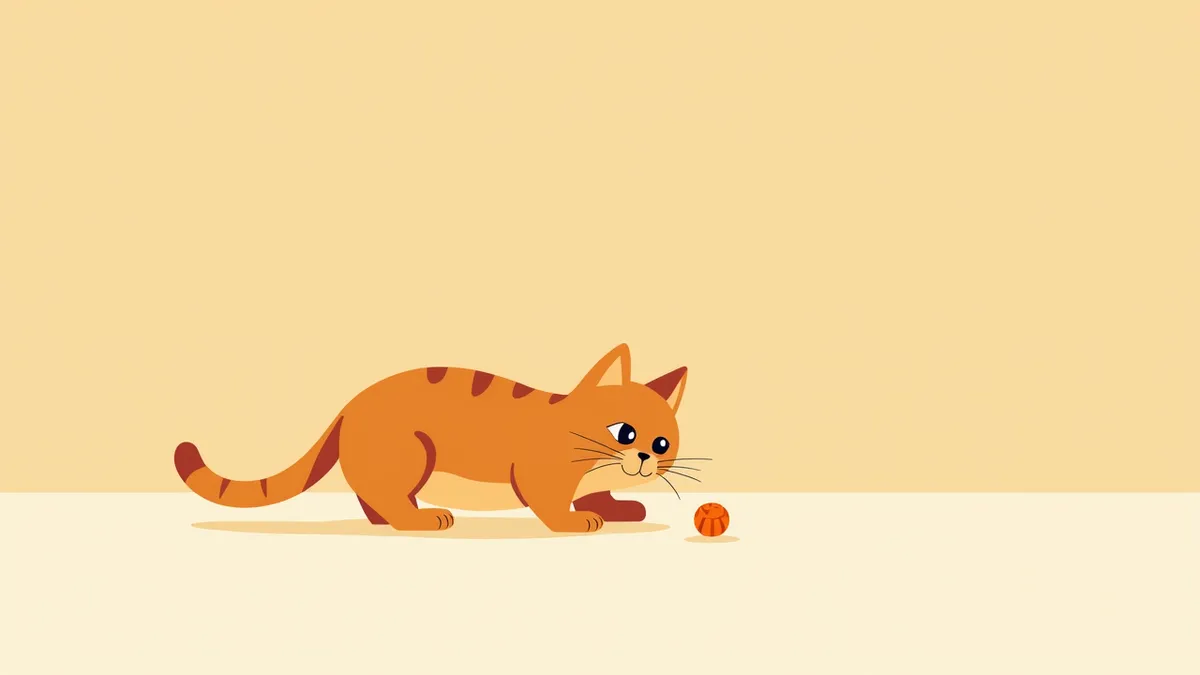
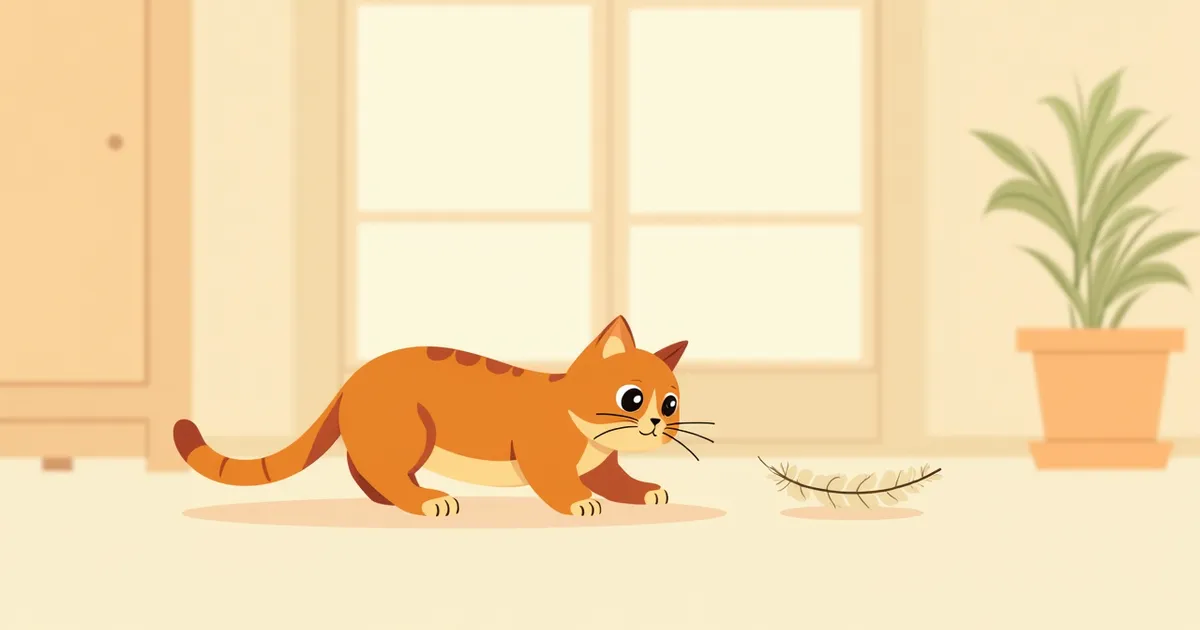
An indoor cat in a hunting stance
Excessive expression of a cat’s hunting instinct occurs when its predatory drive isn’t properly channeled in an indoor environment, leading to misplaced aggression toward owners or other animals. This isn’t a personality flaw; rather, it’s a normal response as suppressed instincts seek an outlet. Veterinary behavior textbooks note that when cats lack opportunities to engage in their innate predatory behaviors, it can lead to obesity, frustration, stress-related illnesses, and misdirected aggression. Therefore, the key to management is providing consistent, structured play sessions that allow cats to fully expend their built-up energy. A primary risk factor is an environment lacking safe outlets for instinctual expression, such as one devoid of toys or cat trees.

Why Does Excessive Hunting Instinct Occur in Indoor Cats?

Hunting is a powerful instinctual drive in cats. According to veterinary behavior textbooks, cats feel the urge to hunt even when they are not hungry, and since a single successful hunt provides only about 8% of their daily caloric needs, hunting is a behavior they repeat frequently. However, indoor cats have very few opportunities to satisfy this drive. The textbook explains that when cats are unable to perform their innate predatory behaviors, it can lead to frustration and displaced aggression. As a result, this pent-up energy often manifests as attacks on their owner’s ankles, other cats in the household, or moving objects. A monotonous environment lacking toys and cat trees can also significantly exacerbate this behavior.

Symptom Checklist to Confirm Excessive Expression
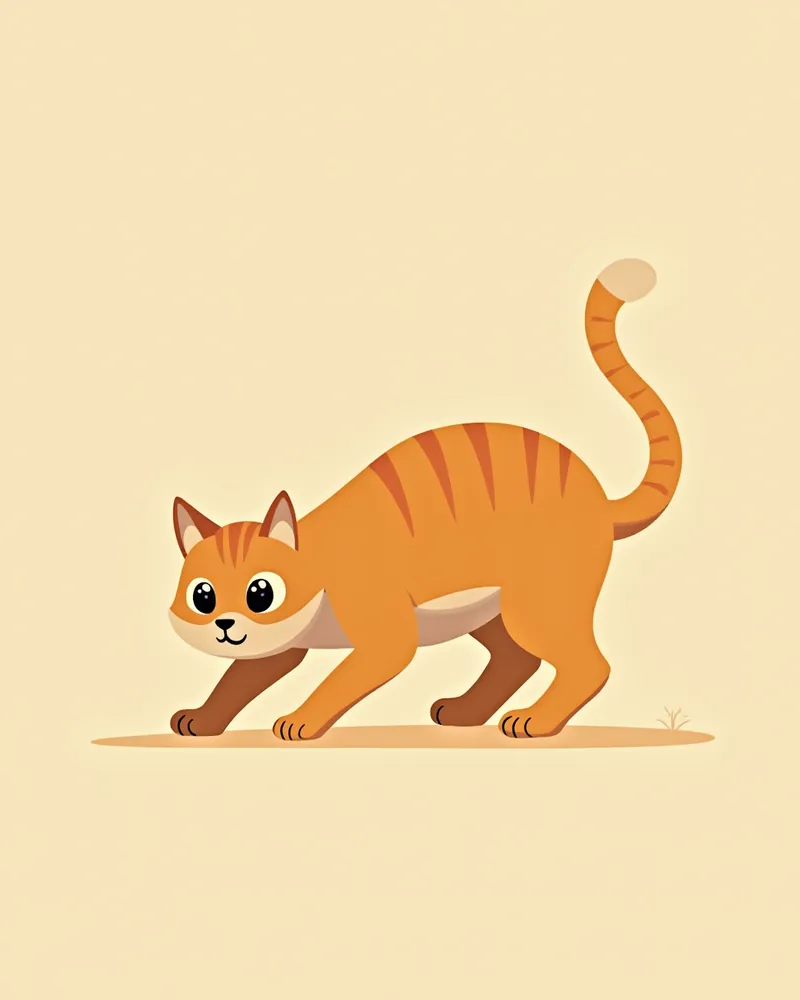
Sudden ankle attacks: The cat lunges at you while you’re walking, scratching or biting. Ambush from hiding: It lies in wait behind furniture and pounces on people or animals passing by. Tail flicking followed by an attack: The tail swishes rapidly, then the cat suddenly bites. Dilated pupils and a lowered posture: The belly is pressed to the floor and the ears are flattened sideways. Chattering: It clicks its teeth while watching birds or insects through a window. If three or more of these behaviors occur repeatedly, it is likely an overexpression of hunting instinct.
Cats in a pounce-ready stance — dilated pupils, lowered body

When to Consult a Veterinary Behavior Specialist

If you're dealing with deep bite wounds that penetrate the skin, a situation where your cat is relentlessly chasing another cat in the household causing extreme stress, sudden severe aggression (which requires ruling out pain or neurological conditions), or if there's no improvement after two weeks of management, don't try to handle it alone—consult a veterinary behavior specialist. Behavioral changes can sometimes signal an underlying medical condition, so it's important to rule out any physical health issues first.

Completing the Hunting Sequence — Designing a Play Routine
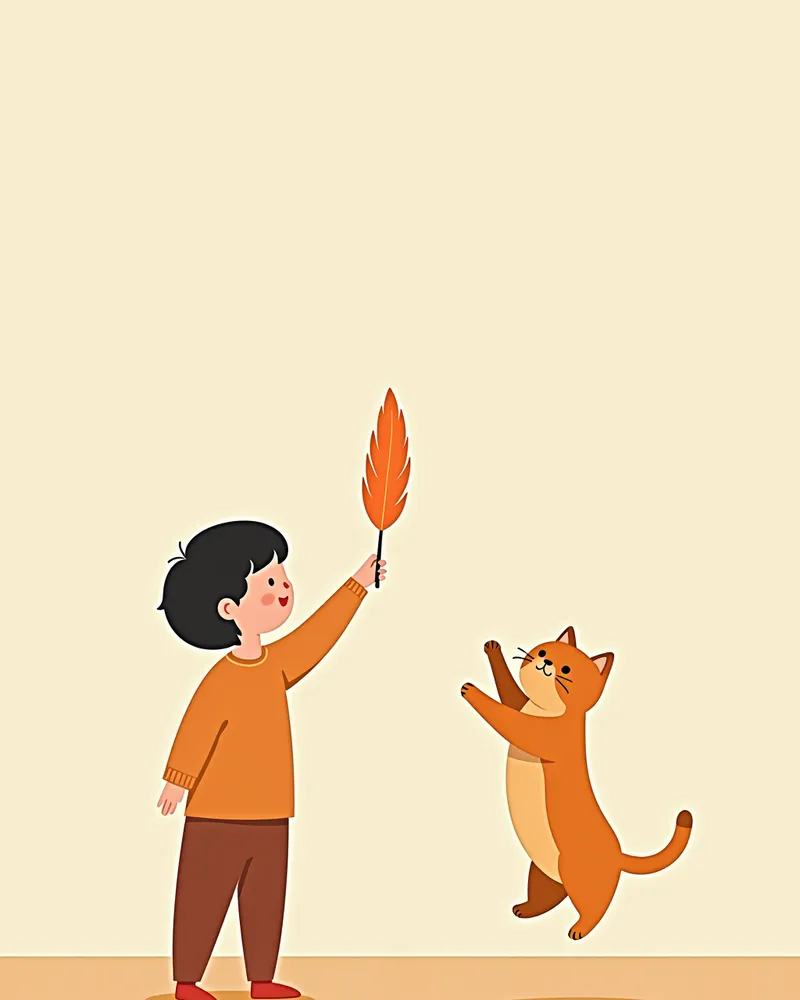
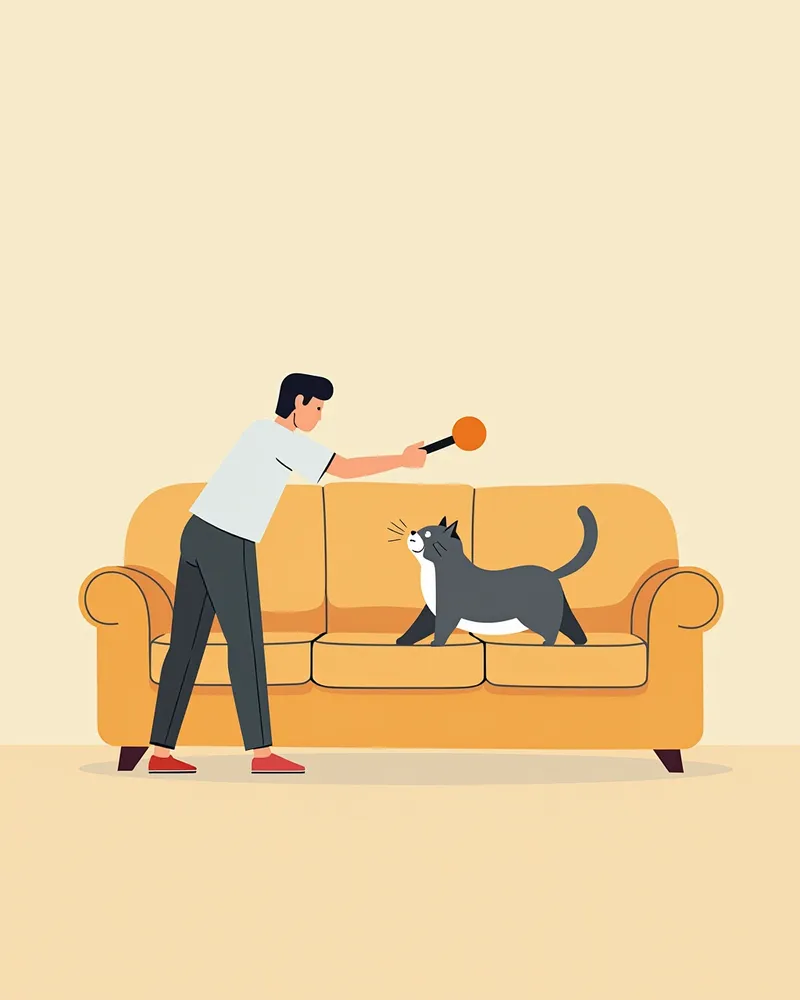
The most effective approach is to help your cat complete its natural hunting sequence. Hunting typically follows a pattern of stalking, ambushing, pouncing, capturing, and eating. Use a wand toy to mimic this by moving it slowly at first, then quickly, to give your cat the experience of a successful hunt. At the end of playtime, offer a treat or meal to complete the "eating" phase. Experts recommend filling your cat's day with appropriate behaviors through consistent, scheduled play sessions and interactive feeding using meals. The key is to repeat these activities regularly at set times.
A pet owner playing with their cat using a fishing rod toy

Environmental Enrichment — Turning Your Home Into a Hunting Ground

Beyond playtime, you can also enrich your cat’s environment to help channel their hunting instincts into everyday activities.
Install cat trees or high shelves: Observing their surroundings from above is a natural part of feline hunting behavior.
Window bird feeders: Allowing your cat to watch birds outside helps satisfy their urge to chatter and stalk.
Puzzle feeders: Requiring your cat to work for their food helps fulfill their desire to capture prey.
Hideaway beds and tunnels: Providing ambush spots can reduce the impulse to pounce unexpectedly.
Implementing just these four elements often leads to a noticeable decrease in aggressive behavior.

Wrong Responses to Absolutely Avoid

Playing with your hands: This teaches your cat that your body is prey, which can increase aggressive behavior.
Yelling or punishing: Cats don’t understand punishment and may respond with fear-based aggression instead.
Completely ignoring play: When energy builds up, it can lead to more intense and frequent attacks.
Using a spray bottle: This only temporarily stops the behavior and damages trust between you and your cat.
Incorrect responses can worsen behavior and harm your relationship. The key is to redirect behavior using toys.
The correct way to redirect your cat’s behavior from using your hands to playing with toys

Extra Care Is Needed in Multi-Cat Households

If you have two or more cats, their hunting instincts may become overactive, leading to severe conflicts between them. When a cat is chased and experiences extreme stress, it can develop physical conditions such as idiopathic cystitis (also known as Pandora syndrome). To prevent this, provide each cat with separate playtime to satisfy their hunting instincts. If conflicts occur frequently, it may be necessary to temporarily separate the cats and gradually reintroduce them.

Reviewed by a veterinarian

Dr. Tony — Punnawat Phongkittirak

Dr. Tony — Punnawat Phongkittirak

Veterinarian

A veterinarian who majored in veterinary medicine at Khon Kaen University, Thailand, and completed the IVSA program at North Carolina State University in the United States. Drawing on clinical experience at animal hospitals, he works in the pet healthcare field and is dedicated to building a digital care environment that connects pet parents with veterinarians.

Frequently Asked Questions

Does an overactive hunting instinct naturally decrease as a pet gets older?
Hunting is a strong, innate instinct in cats that never completely disappears. Even textbooks explain that cats feel the urge to hunt even when they’re not hungry. That’s why it’s important to maintain a consistent play routine as they age, allowing them to safely satisfy this instinct.
Which gender, male or female, has a stronger hunting instinct?
The hunting instinct is strongly present in all cats, regardless of sex, and individual differences are much more significant than any gender-based ones. While hormones can influence aggression and neutering may help mitigate this, it’s difficult to definitively say that one sex has a stronger hunting instinct than the other.
Is a cat chasing its own tail also a sign of excessive behavior?
If your dog occasionally engages in this behavior while playing, it’s likely normal. However, if the behavior becomes compulsive or involves biting at the tail, it could be a sign of stereotypic behavior (compulsive disorder). Since compulsive disorders are diagnosed only after ruling out other medical conditions, it’s a good idea to consult with a veterinarian in this case.
How should I treat a wound from a cat bite?
Cat bite wounds may look small on the surface, but they carry a high risk of bacterial infection. For safety, rinse the area immediately with running water, disinfect it, and then have a veterinarian treat the wound. In particular, any bite wounds on your hands require a veterinary examination.
When should you consult a veterinary behavior specialist?
If consistent play routines don’t improve the behavior, or if repeated aggression causes serious injuries to people or other animals, it’s best to consult a veterinary behavior specialist. In some cases, medication may be used alongside behavioral therapy.

Share

Related Guides

References

[1] Ahola, M.K., Vapalahti, K., and Lohi, H. (2017). Early weaning increases aggression and stereotypic behaviour in cats. Nature Scientific Reports, 7: 10412.

[2] Overall, K.L., Rodan, I., Beaver, B.V. et al. (2005). Feline behavior guidelines from the American Association of Feline Practitioners. Journal of the American Veterinary Medical Association, 227(1): 70–84.

[3] Barrett, P. and Bateson, P. (1978). The development of play in cats. Behaviour, 66: 106.

[4] Seksel, K. (2023). A Professional's Guide to Feline Behaviour: Understanding, Improving and Resolving Problems. CABI.

[5] Bain, M.J. (2015). Introduction to Animal Behavior and Veterinary Behavioral Medicine. Wiley-Blackwell.

This information is based on veterinary literature and does not replace diagnosis or treatment. Please consult a veterinarian for specific health concerns.

Metapet Co., Ltd. | CEO: Park Sung-yong | Business Reg. No. 417-88-02562 | Seoul, South Korea | Customer Center

Is Your Cat's Hunting Instinct Too Strong — Play or Problem? | Meongsiljang