
Why Is My Cat Constantly Licking and Losing Hair? — Causes and Management of Psychogenic Alopecia
Feline psychogenic alopecia is a behavioral hair loss condition caused by excessive licking due to stress or anxiety. We’ve compiled the most frequently asked questions from pet owners—covering causes, diagnosis, treatment, and environmental improvements—based on veterinary evidence.
What Is Psychogenic Alopecia in Cats?
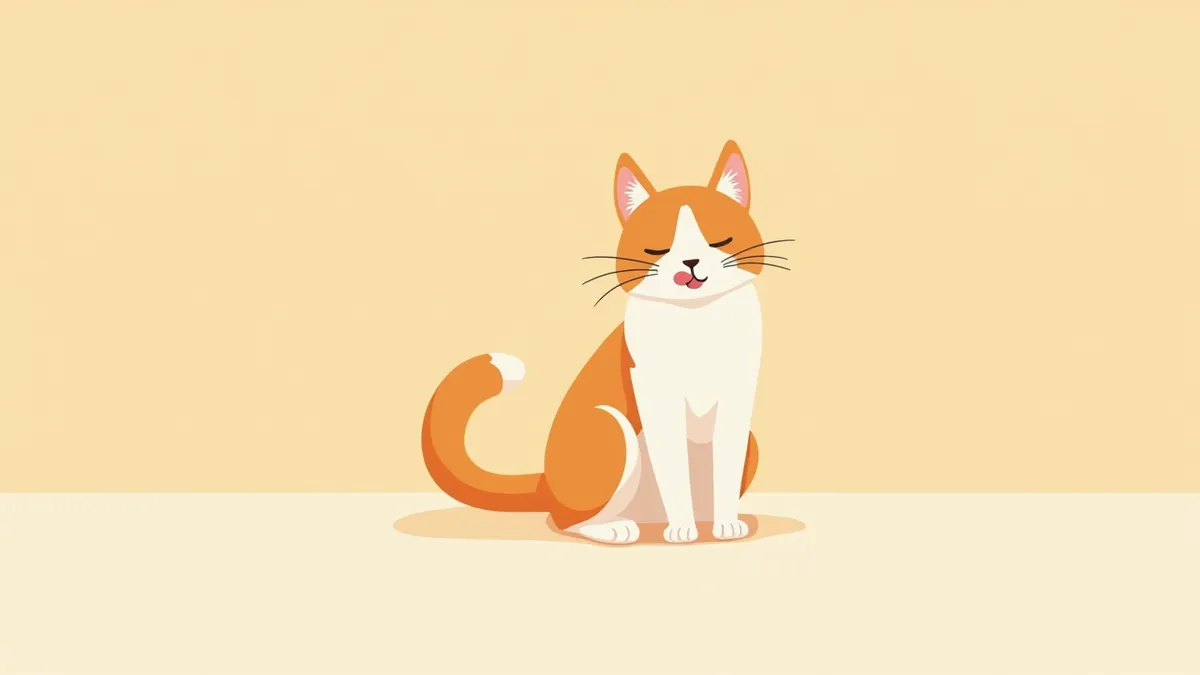
Symptoms to Watch For
Medical Alopecia vs. Psychogenic Alopecia — What’s the Difference?
| Item | Medical Hair Loss | Psychogenic Hair Loss |
|---|---|---|
| Main Cause | Allergies, parasites, fungi, hormonal abnormalities | Stress, anxiety, compulsive behavior |
| Hair Loss Symmetry | Varies by cause — allergic cases are symmetrical, primary follicular disorders are patchy and asymmetrical | Bilateral symmetry is common, but it can also appear asymmetrically |
| Skin Lesions | Relatively common with redness, scabs, and oozing | Relatively clean, but excessive licking can cause abrasions and scabs |
| Accompanying Itch | Often licks due to itching (pruritus) | Itching from skin disease is absent or mild |
| Confirmation Method | Microscopic hair exam, skin scraping, blood test, allergy test | Diagnosed after ruling out all medical causes |
The symmetry of hair loss alone cannot distinguish medical from psychogenic hair loss. Actual differential diagnosis must always be done by a veterinarian.
Main Stress Triggers for Hair Loss in Cats

Psychogenic Alopecia Is a Diagnosis of Exclusion — Do Not Self-Diagnose
Psychogenic alopecia is a diagnosis of exclusion, meaning it can only be confirmed after all other medical causes have been ruled out. Veterinary textbooks emphasize the importance of first checking for and excluding medical conditions such as allergies, parasites (e.g., Demodex gatoi and ear mites), skin infections, and hyperthyroidism in senior cats. Assuming the cause is simply "stress" can lead to missing the true underlying issue and delaying proper treatment. It is essential to first rule out medical causes through microscopic hair examination to assess self-trauma, along with skin scrapings, blood tests, and allergy testing.
Treatment — A Step-by-Step Approach
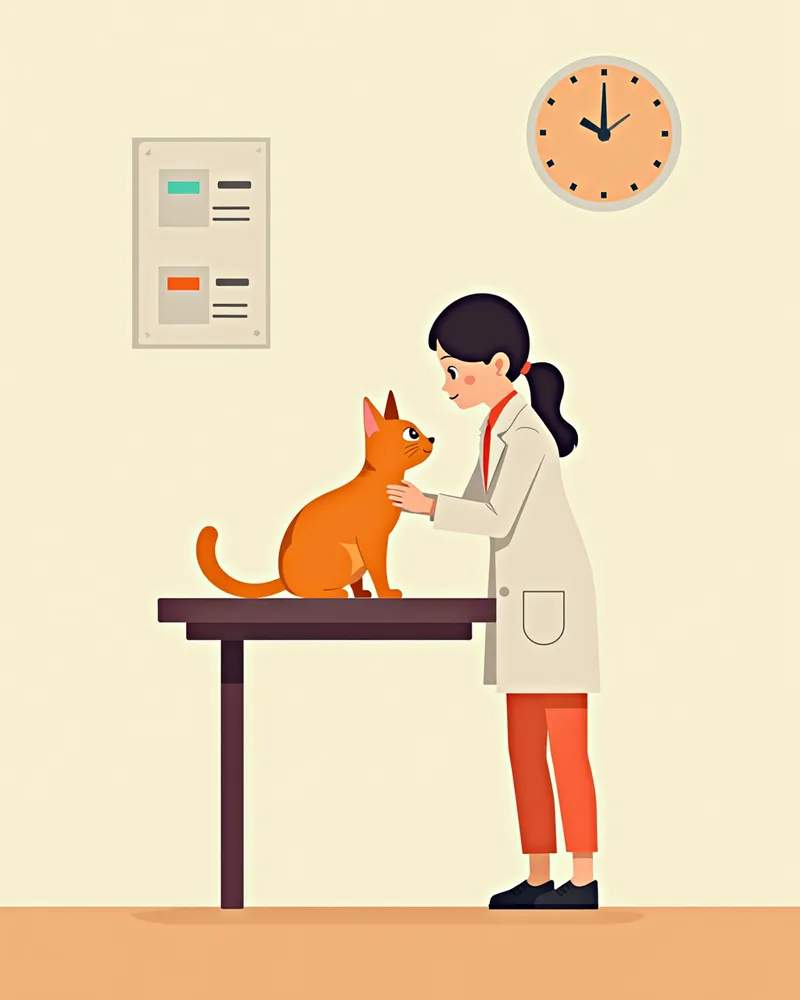
Reducing Stress Through Environmental Enrichment

When to See a Veterinarian Immediately
If you notice redness, oozing, or scabs in the hairless areas, if your cat has barely eaten for more than two days, if vomiting and diarrhea are present, if the hair loss has spread rapidly over a few days, or if your cat has chewed its skin severely enough to cause wounds, these signs strongly suggest an underlying medical cause. Please visit a veterinary clinic immediately.
Reviewed by a veterinarian

Dr. Tony — Punnawat Phongkittirak
VeterinarianA veterinarian who majored in veterinary medicine at Khon Kaen University, Thailand, and completed the IVSA program at North Carolina State University in the United States. Drawing on clinical experience at animal hospitals, he works in the pet healthcare field and is dedicated to building a digital care environment that connects pet parents with veterinarians.
Reviewed 2026-06-01
Frequently Asked Questions
Can I tell at home whether my pet’s hair loss is caused by stress or not?
I’ve identified the source of my pet’s stress, but it’s hard to eliminate. What should I do?
Can psychogenic alopecia resolve on its own?
Why does my cat excessively groom only at night?
Can young cats (under 1 year old) also develop psychogenic alopecia?
Share
Related Guides

7 Behavioral Enrichment Strategies for Mental Stimulation Recommended by Veterinarians

Top 5 Calming Supplements for Dogs and Cats in 2026

L-Theanine Effects and Calming Support

Indoor Safety Checks for Cats: Frequently Asked Questions — Key Points Every Owner Must Know
Cat External Parasite Prevention (Ticks & Fleas) FAQ — Key Information for Pet Owners
Cat Ear Cleaning FAQ — Key Points Every Owner Must Know

Frequently Asked Questions on Choosing Dry, Wet, and Raw Cat Food — Key Points Every Pet Owner Should Know

Cat Dental Preventive Care FAQ — Key Points Every Pet Owner Should Know

Cat Water Intake Monitoring FAQ — Key Essentials Every Pet Owner Should Know

Cat Annual Deworming Schedule FAQ — Key Points Every Pet Owner Should Know
References
[1] Waisglass SE, Landsberg GM, Yager JA, Hall JA. Underlying medical conditions in cats with presumptive psychogenic alopecia. J Am Vet Med Assoc. 2006;228(11):1705-9.
[2] Meredith A et al. BSAVA Manual of Canine and Feline Dermatology, 4th Ed. BSAVA Press, 2019.
[3] Overall KL. Clinical Behavioral Medicine for Small Animals. Mosby, 1997.