Like
Share
멍실장
갈색강아지 품종 모음 — 초콜릿·리버·탄 대표 견종 총정리

Collection of Brown Dog Breeds — A Complete Guide to Chocolate, Liver, and Tan Breeds

ImmunityQ&AMeongsiljang Veterinary Advisory Board

Explore popular brown-coated dog breeds—from small to large, including Chocolate Labradors, Retrievers, and Dachshunds—and learn about the genetics behind brown fur and key health care tips.

What Breeds of Brown Puppies Are There?
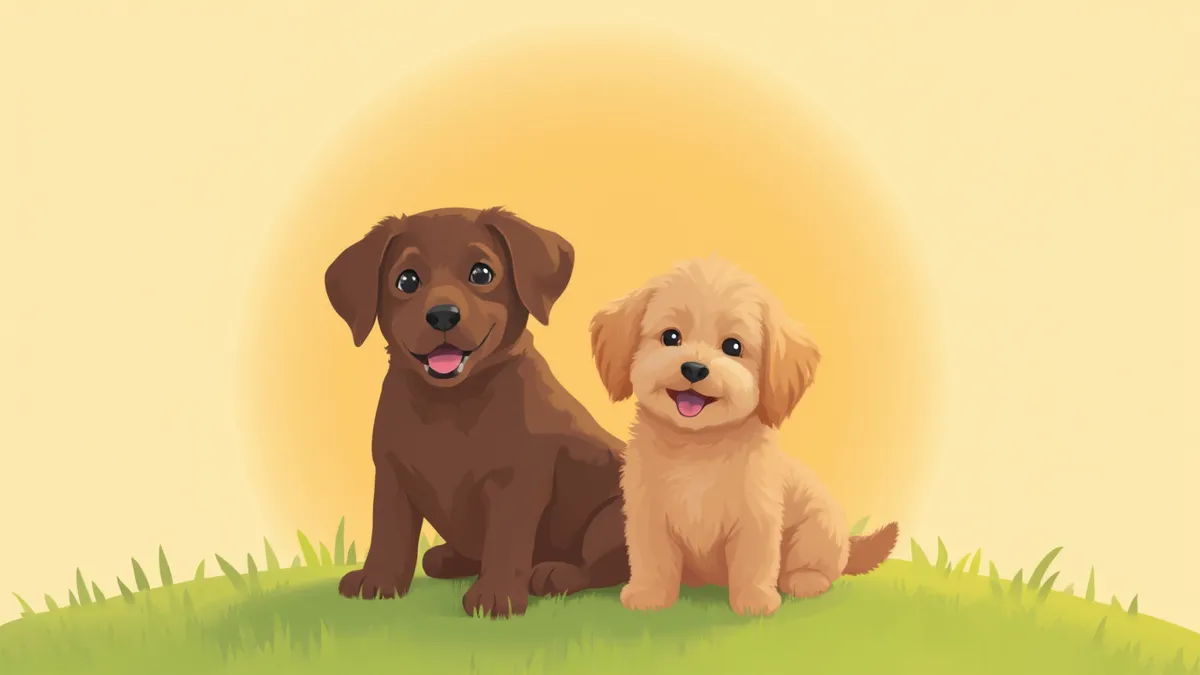
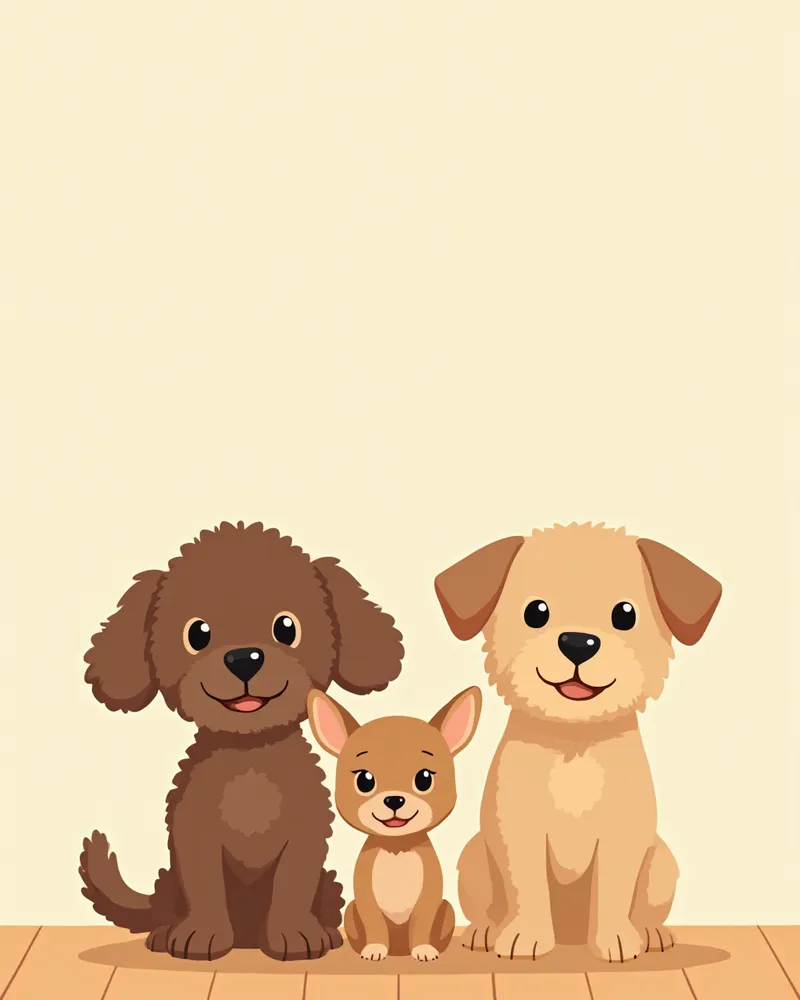
A chocolate Labrador Retriever puppy and a brown Toy Poodle sitting side by side on the grass.
The term “brown puppy” broadly refers to any breed with a brown coat, including shades like chocolate (dark brown), liver (reddish-brown), and tan (light brown). What’s truly important is that even within the brown spectrum, each breed has its own distinct color intensity and pattern. The range spans from deep chocolate to light tan, and health care needs vary by breed. Here’s a complete guide to popular brown-coated breeds, their coat characteristics, and care tips.

Why Brown Fur Develops

A dog’s coat color is determined by two types of pigments: eumelanin and pheomelanin. Eumelanin produces black-based pigments, while pheomelanin creates brown-based pigments ranging from yellow to reddish-brown. Melanin produced in melanocytes (pigment cells) is transferred to keratinocytes in the epidermis, where it determines the color of the fur and skin. Melanin also plays a role in blocking ultraviolet rays and neutralizing free radicals. The specific mechanisms and genetic patterns behind brown coat color can vary by breed and color lineage, and the intensity of brown can differ among individuals depending on the distribution and density of pigment particles. If you’re interested in precise genetic information, we recommend consulting a veterinarian or a genetic testing facility.

Popular Small-Breed Brown Dogs

Toy Poodle: Brown Toy Poodles are the most popular brown small-breed dogs. Their curly brown coats are charming, and the color often lightens as they age.
Dachshund: Chocolate tan Dachshunds have a rich brown base coat with lighter tan markings above the eyes and on the chest. Their short legs and glossy brown coats are key features that make them popular.
Chihuahua: Chocolate Chihuahuas are characterized by their entirely brown pigmentation, including their noses and nails. This brown coloration can appear in both smooth-coated and long-coated varieties.
Pomeranian: Chocolate Pomeranians have a full, luxurious double coat that is entirely brown. This rare color makes them particularly popular.
A Brown Toy Poodle, a Chocolate Dachshund, a Chocolate Chihuahua, and a Chocolate Pomeranian sitting side by side

Popular Medium-to-Large Breed Brown Dogs
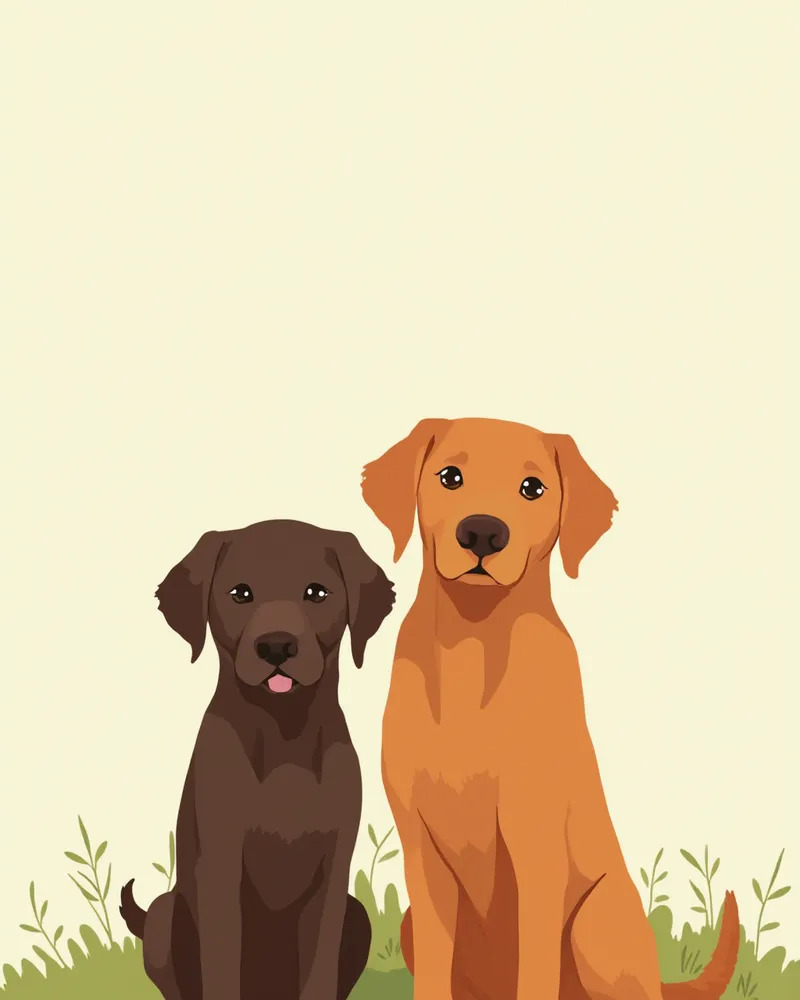
Labrador Retriever: The Chocolate Labrador is one of the world’s most famous brown large-breed dogs. With its uniform dark brown short coat and gentle temperament, it makes an ideal family companion.
Cocker Spaniel: Both American and English Cocker Spaniels come in chocolate shades. Their abundant ear furnishings and soft, wavy brown coats give them an elegant appearance.
Irish Setter: This large breed is characterized by its rich mahogany long coat. They are highly active and require ample space and regular exercise.
Chesapeake Bay Retriever: This hunting breed displays a wide spectrum of brown shades, ranging from deep chocolate to light sedge. They are distinguished by their water-resistant double coat.
A chocolate Labrador Retriever and a mahogany Irish Setter standing together in a meadow

Comparison of Traits by Brown Dog Breed

ItemToy PoodleDachshundLabrador RetrieverCocker SpanielIrish Setter
Adult weight3–4 kg5–15 kg25–36 kg11–15 kg27–32 kg
Brown color nameBrownChocolate and tanChocolateChocolateMahogany
Coat typeCurly single coatShort / long coatShort double coatLong wavy coatLong straight coat
Exercise needsModerateModerateHighModerate–highHigh
Coat color fading tendencyHighLowLowLowLow

Based on breed standards; individual variation may occur

Health Issues to Know for Brown-Coated Dogs

When caring for a brown-coated dog, it’s important to be aware of hereditary skin and coat conditions. In particular, breeds with the “dilution” trait may develop Colour Dilution Alopecia (CDA). This condition is characterized by weakened and broken hairs due to abnormal pigment accumulation within the hair shaft, caused by a defect in melanosomal transport. It is most commonly reported in dogs with diluted coats, such as blue or fawn. However, not all dogs carrying the dilution gene will develop the condition, and risk levels vary by breed. Before adopting a brown puppy, always check the skin and coat health history of the parents, and consult a veterinarian if you notice hair loss or any skin abnormalities.

Coat Care for Brown Dogs
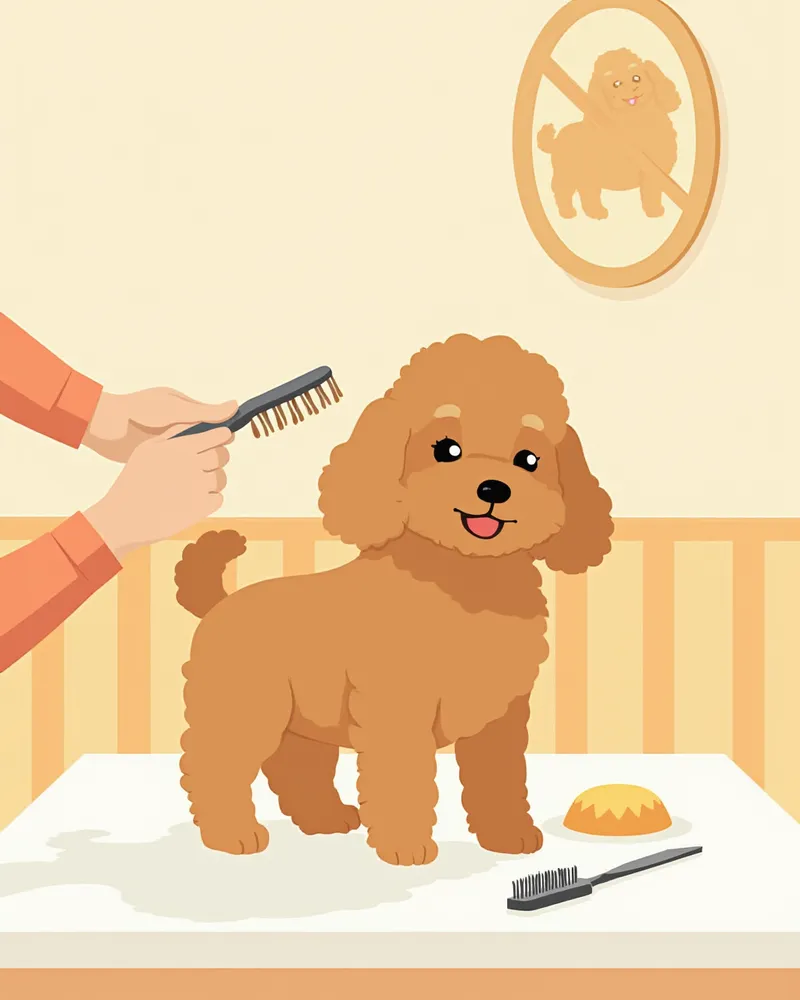
Brushing: Brown coats tend to show dirt and discoloration more easily. Brush your pet two to three times a week to remove dead hair and dust, helping to maintain healthy skin and coat.
Sun Protection: Melanin in the skin and coat absorbs UV rays, providing natural protection. However, areas with lighter pigmentation may have weaker natural UV defense, so extra care is needed. During peak summer months, adjust walking times and make full use of shaded areas.
Shampoo Selection: Using a low-irritation, gentle shampoo can help maintain skin health. If skin issues arise or persist, consult your veterinarian to choose the most suitable product.
Nutritional Care: Support overall skin and coat health with a balanced, complete diet. Whether specific nutrient supplementation is needed should be determined in consultation with your veterinarian, based on your pet’s individual condition.
A brown Toy Poodle being brushed by its owner.

Checklist Before Adopting a Brown Dog

Parental Health History: Check the parents’ records for any genetic conditions linked to brown coats, such as skin disorders or hair loss.
Nose and Nail Color Check: Puppies with pure brown (chocolate) genes will also have brown noses and nails. If the nose is black, it may indicate a different genetic combination.
Potential Coat Color Changes: Poodles and Pomeranians often lighten in color as they mature. Keep in mind that their coat shade may differ from their adult appearance.
Matching Your Living Environment: Choose a breed that fits your home by considering each breed’s exercise needs and adult size.

Reviewed by a veterinarian

Dr. Tony — Punnawat Phongkittirak

Dr. Tony — Punnawat Phongkittirak

Veterinarian

A veterinarian who majored in veterinary medicine at Khon Kaen University, Thailand, and completed the IVSA program at North Carolina State University in the United States. Drawing on clinical experience at animal hospitals, he works in the pet healthcare field and is dedicated to building a digital care environment that connects pet parents with veterinarians.

Frequently Asked Questions

Is it normal for a brown puppy’s coat to gradually lighten in color?
In some breeds, brown fur may gradually lighten as the dog grows. This is due to breed-specific differences in pigment expression, so the coat color in adulthood can differ from that in puppyhood. However, if sudden patchy hair loss or irregular changes in coat color occur, it could indicate a skin condition, so we recommend consulting a veterinarian.
Are chocolate Labrador Retrievers less healthy than Labs of other colors?
Based on current veterinary evidence, it is difficult to definitively conclude that coat color directly impacts health. Labrador Retrievers are predisposed to various skin and ear conditions due to breed-specific traits, so it is important to consistently monitor each dog’s individual health through regular check-ups and consultations with your veterinarian, regardless of coat color.
What’s the difference between chocolate and liver coat colors?
Chocolate is a deep, dark brown, while liver is a medium brown with a slight reddish tint. Although the names differ depending on the breed standard, they both belong to the same basic brown pigment group.
Can mixed-breed dogs have brown fur?
Yes, if a mixed-breed dog inherits brown-related genes from both parents, it can have brown fur. The pattern and intensity of the brown color can vary depending on the combination of genes.
Are there any special things to keep in mind when grooming a brown dog's coat?
Brown coats tend to show discoloration and dirt more noticeably than other colors. Regular brushing, managing sun exposure, and using a gentle, low-irritation shampoo can help maintain coat health. If you notice any skin or coat abnormalities, please consult your veterinarian.

Share

Related Guides

References

[1] BSAVA Manual of Canine and Feline Dermatology, 4th Ed, Chapter 18 — Coat colour dilution and follicular dysplasia

[2] Welle, M. et al., MLPH Genotype — Melanin Phenotype Correlation in Dilute Dogs, Journal of Heredity, 2009

[3] Schmutz, S. M. & Berryere, T. G., Genes affecting coat colour and pattern in domestic dogs: a review, Animal Genetics 38(6), 2007

[4] McGreevy, P. D. et al., Labrador retrievers under primary veterinary care in the UK: demography, mortality and disorders, Canine Genetics and Epidemiology 5:13, 2018

This information is based on veterinary literature and does not replace diagnosis or treatment. Please consult a veterinarian for specific health concerns.

Metapet Co., Ltd. | CEO: Park Sung-yong | Business Reg. No. 417-88-02562 | Seoul, South Korea | Customer Center

Brown Dog Breeds Guide: Chocolate, Liver, and Tan Breeds | Meongsiljang