

The Ultimate Guide to Evaluating Your Dog's Standard Body Shape (BCS)
The Body Condition Score (BCS) for dogs is a standardized body shape index that assesses body fat percentage on a scale of 1 to 9. You can check for abnormal weight at home by feeling your dog's ribcage, waist, and abdominal outline.
What is Dog BCS? How to View Standard Body Shape in Numbers

Why Should You Check Using BCS?
Purina 9-Stage BCS Reference Chart
| Item | 1-3/9 | 4-5/9 | 6/9 | 7/9 | 8-9/9 |
|---|---|---|---|---|---|
| Condition | Underweight | Ideal body condition | Slightly overweight | Overweight | Obese |
| Rib palpation | Bones visible | Easily palpable | Covered with fat | Difficult to palpate | Nearly impalpable |
| Waistline | Very distinct | Distinct when viewed from above | Faintly visible | Absent | Gone |
| Overweight percentage | Normal | +10% | +20% | +30-40% |
Based on the Purina 9-point BCS (Laflamme, 1997)
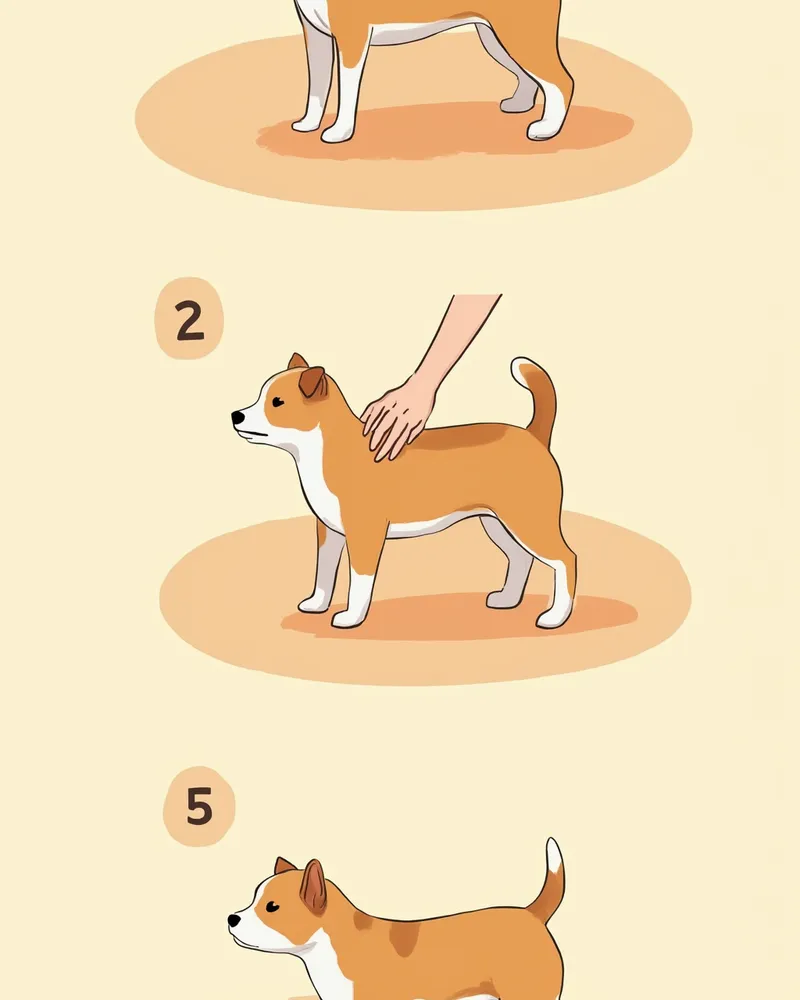
3 Steps to Check BCS at Home
Consult a Vet Immediately If Your Dog Has This Body Shape
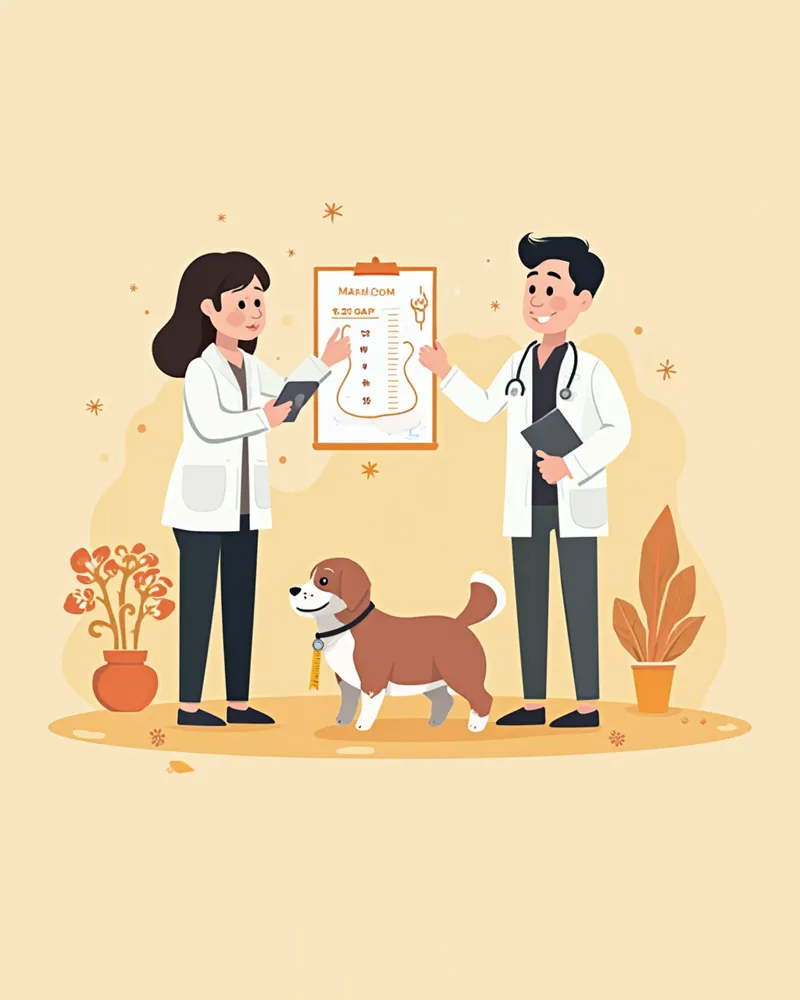
If your pet has a Body Condition Score (BCS) of 1–2/9 (ribs and spine are visibly prominent) or 8–9/9 (waistline is completely absent and the abdomen is pendulous), dietary management alone is unlikely to be sufficient. Underlying causes such as muscle wasting, Cushing’s disease, or thyroid disorders may be present, so a veterinary examination is essential. Sudden weight changes can also signal metabolic disease.
Management Directions by BCS Score
Points to Note When Evaluating BCS by Breed
Key Points Not to Miss When Measuring BCS
For the most accurate results, always conduct assessments under identical conditions—same time of day, posture, and evaluator. Recording changes by measuring once a month using the same method makes it easy to track progress. If your pet is on a diet, check every 2–4 weeks; a drop of one point indicates a weight loss of approximately 10% based on their ideal body weight. This is because, in Purina’s 9-point system, each step above the ideal score of 5 represents roughly a 10% increase in excess weight. Therefore, changes in Body Condition Score (BCS) are a more accurate indicator of success than raw weight numbers.
Reviewed by a veterinarian

Dr. Tony — Punnawat Phongkittirak
VeterinarianA veterinarian who majored in veterinary medicine at Khon Kaen University, Thailand, and completed the IVSA program at North Carolina State University in the United States. Drawing on clinical experience at animal hospitals, he works in the pet healthcare field and is dedicated to building a digital care environment that connects pet parents with veterinarians.
Reviewed 2026-04-27
Frequently Asked Questions
Which is more accurate, the BCS 1-5 system or the 1-9 system?
Can body condition score (BCS) and weight differ from each other?
How often should you assess your dog’s body condition score (BCS)?
Do dogs also have their own Muscle Condition Score (MCS) assessment?
How do you assess a puppy’s body condition score (BCS)?
Share
Related Guides

Chitosan Effects and Obesity/Fat Absorption
Top 5 Weight-Management Dog Food Recommendations for 2026

7 Best Cat Weight-Loss Diets Recommended by Veterinarians and How to Choose

How Much Chocolate Is Dangerous for Dogs? — Lethal Doses by Weight and Emergency Response

How Much Onion Is Dangerous for Dogs? — Toxic Doses by Weight and Anemia Signs
3D-Printed Prosthetic Limbs: Custom Application Possibilities and Case Guide for Dogs and Cats

Deep Dive into Utilizing Genetic Testing

Where is stem cell therapy used for dogs and cats? A complete overview of applications

Can Immunocompromised Individuals Keep Pets? — Infection Risks and Essential Safety Guidelines

Is it safe to keep pets during pregnancy? — Guidelines for preventing toxoplasmosis
References
[1] Englar, R.E., The Veterinary Workbook of Small Animal Clinical Cases, Chapter: The New Puppy Wellness Examination, 2019
[2] Englar, R.E., The Veterinary Workbook of Small Animal Clinical Cases, Case 15: Adult Canine Wellness and Weight Management, 2019
[3] Laflamme, D., Development and validation of a body condition score system for dogs, Canine Practice, 1997