

Holter Monitor (24-Hour ECG)
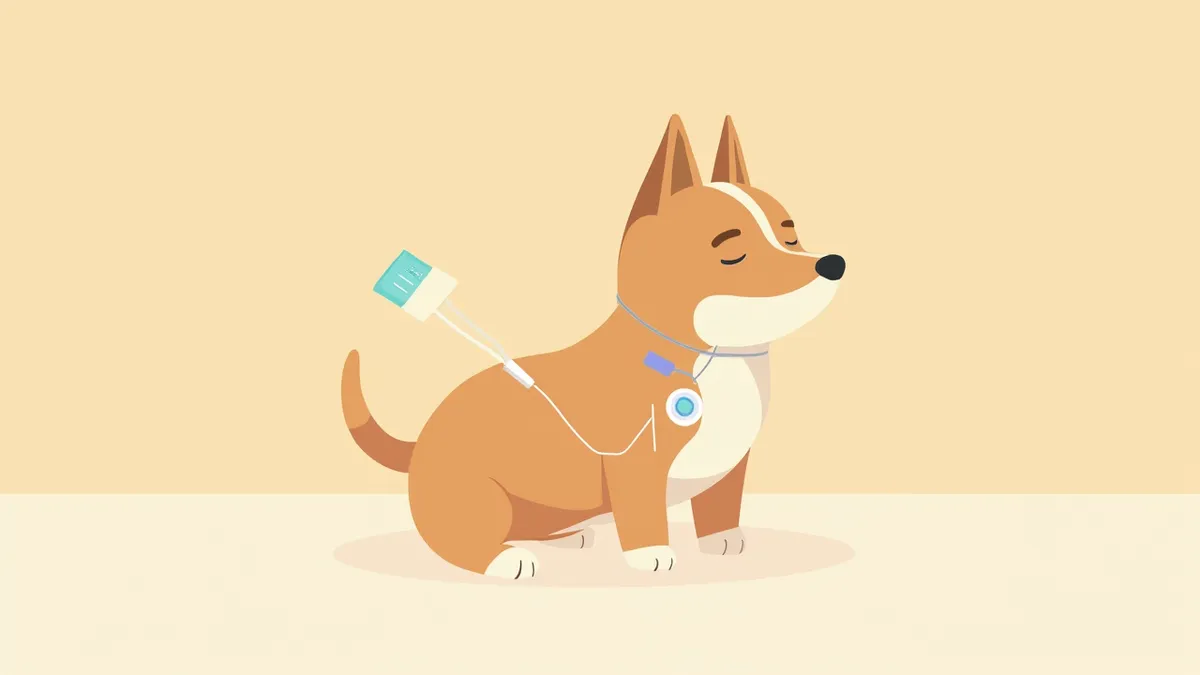
We’ve compiled everything you need to know about Holter monitor (24-hour ECG) testing for dogs and cats, including when it’s necessary, how the procedure is performed, costs, how to interpret the results, and precautions for pet owners.
What Is a Holter Monitor?
When Is a Holter Test Necessary?
Standard ECG vs. Holter Monitor: What’s the Difference?
| Item | Standard Electrocardiogram (ECG) | Holter Monitor |
|---|---|---|
| Recording time | 1–5 minutes | 24–48 hours |
| Diagnosis of intermittent arrhythmia | Difficult | Possible |
| Recording during daily activity | Not possible | Possible |
| Test location | Hospital | Home |
| Cost range (reference) | KRW 20,000–50,000 | KRW 150,000–400,000 |
Cost may vary depending on the hospital and recording duration.
How Is the Test Performed?

Precautions to Follow During the Test
Water must never come into contact with the device. Bathing and swimming are prohibited, and walks should be avoided on rainy days. In some cases, an Elizabethan collar may be used to prevent your pet from chewing off the vest or electrodes. If an electrode becomes detached, data recording stops immediately, which may require restarting the test from the beginning. Contact the clinic right away if you notice the vest is loose or an electrode has come off.
How Are the Results Interpreted?

What Pet Owners Should Do During the Test
Breeds Recommended for Testing Even Without Symptoms
- Doberman Pinscher: Early screening for dilated cardiomyopathy is recommended. - Boxer: At risk for arrhythmogenic right ventricular cardiomyopathy. - Irish Wolfhound and Great Dane: These large breeds are known to have a high incidence of heart disease, so regular cardiac check-ups are advisable. - Maine Coon and Ragdoll: These cat breeds are known to be susceptible to hypertrophic cardiomyopathy. Regular check-ups are especially recommended if there is a family history. Because significant heart damage may already be present by the time symptoms appear in these breeds, it is crucial to detect abnormalities early through screening while they are still asymptomatic and begin management promptly.
Reviewed by a veterinarian

Dr. Tony — Punnawat Phongkittirak
VeterinarianA veterinarian who majored in veterinary medicine at Khon Kaen University, Thailand, and completed the IVSA program at North Carolina State University in the United States. Drawing on clinical experience at animal hospitals, he works in the pet healthcare field and is dedicated to building a digital care environment that connects pet parents with veterinarians.
Reviewed 2026-04-26
Frequently Asked Questions
Is it okay for my pet to run and play as usual while wearing a Holter monitor?
How much does the test cost?
When will the results be available?
Why isn't a standard ECG enough?
Can cats undergo Holter monitoring?
Share
Related Guides

Coenzyme Q10 Benefits and Administration Guide

Dog Pulmonary Edema Warning — 7 Best Diuretics (Furosemide) for Heart Management

7 Best Prescription Diets for Feline Heart Disease Recommended by Veterinarians — Criteria for Choosing Low-Sodium Food

What are hormonal imbalances in pregnant and lactating cats — what signs to watch for after delivery
What is Radioactive Iodine Therapy for Cats? — From Process to Cost and Care

How to Administer Insulin Injections to Cats — How to Adjust the Dosage

My Cat Keeps Collapsing — Is It a Sign of Hypoglycemia? Causes and Emergency Response
What Is Feline Hypocalcemia — Emergency Signs You Shouldn’t Miss

If Your Cat Is Constantly Losing Weight — Symptoms and Diagnosis of Hyperthyroidism

Feline Hypercalcemia FAQ — Key Information Every Pet Owner Should Know
References
[1] Ettinger SJ, Feldman EC, Côté E, Textbook of Veterinary Internal Medicine, 8th Ed, Chapter 248 Electrocardiography
[2] Fox PR, Sisson D, Moïse NS, Textbook of Canine and Feline Cardiology: Principles and Clinical Practice, 2nd Ed
[3] Nelson RW, Couto CG, Small Animal Internal Medicine, 6th Ed, Cardiovascular System Chapter