Like
Share
멍실장
검정 고양이 특징과 성격 총정리 — 미신 팩트체크

Black Cat Traits and Personality Summary — Superstition Fact-Check

ImmunityQ&AMeongsiljang Veterinary Advisory Board

We’ll summarize the genetic traits, personality, and health characteristics of black cats, and scientifically debunk the superstition that they are unlucky.

What Kind of Cat Is a Black Cat?
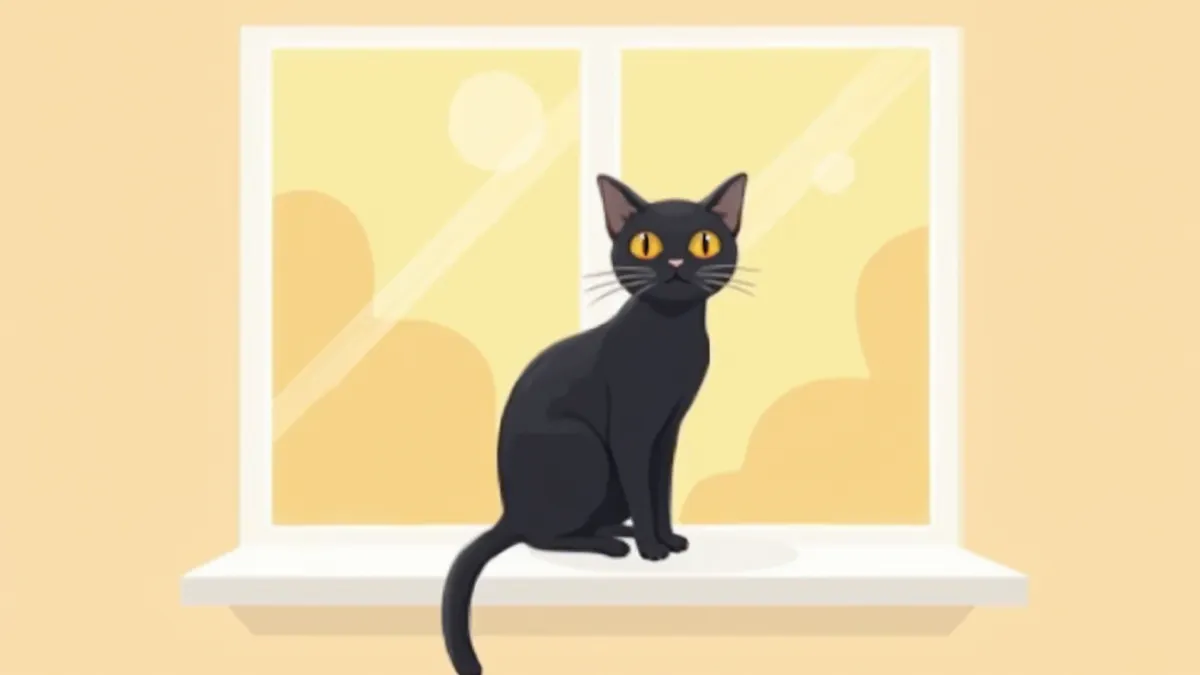
A black cat with golden eyes sitting elegantly by the window.
The term "black cat" refers to cats with a uniform, deep black coat resulting from abundant melanin expression. The most important point is that superstitions about bad luck have absolutely no scientific basis. In fact, the genes responsible for black fur (such as ASIP and TYRP1) are key factors in the melanin synthesis pathway, and research suggests that pigment-related genes may influence physiological functions in various ways. A cat’s personality is also unrelated to coat color; breed, socialization, and individual differences have a far greater impact on behavior.

The Genetic Secrets of Black Fur

A cat’s coat color is determined by the combination of several genes. Here’s a summary of the key factors that produce black fur.
Eumelanin pigment: This pigment is responsible for black and brown shades. When eumelanin is produced abundantly, the coat appears a deep black.
Pattern-determining gene: The Agouti gene controls striped patterns. When this gene is recessive, the cat displays a solid, uniform black coat without any striping.
Color-differentiating gene: A separate gene distinguishes between black and brown. When functioning normally, it results in black; however, if a mutation occurs, the coat color may shift to chocolate or cinnamon.
You might notice a black cat’s coat taking on a reddish tint in sunlight. This is a natural phenomenon caused by the interaction between melanin pigment and light, and it is not related to any health issues.

Superstition vs. Fact: What’s the Truth?

We compared common superstitions surrounding black cats with scientific facts.
SuperstitionFact
They are bad omens.This is a bias stemming from the witch hunts of medieval Europe. There is no scientific basis for this belief.
It’s bad luck if one crosses your path.In the UK and Japan, they are actually considered symbols of good luck.
They have aggressive personalities.Coat color has no correlation with personality. Breed and socialization are the key factors.
They are prone to poor health.Health cannot be judged by coat color alone. Health is far more significantly influenced by breed, care environment, and nutritional status.
They are dangerous because they are hard to see at night.Cats are animals adapted to nighttime environments. Owners simply need to exercise caution.

Do Black Cats Really Have Different Personalities?
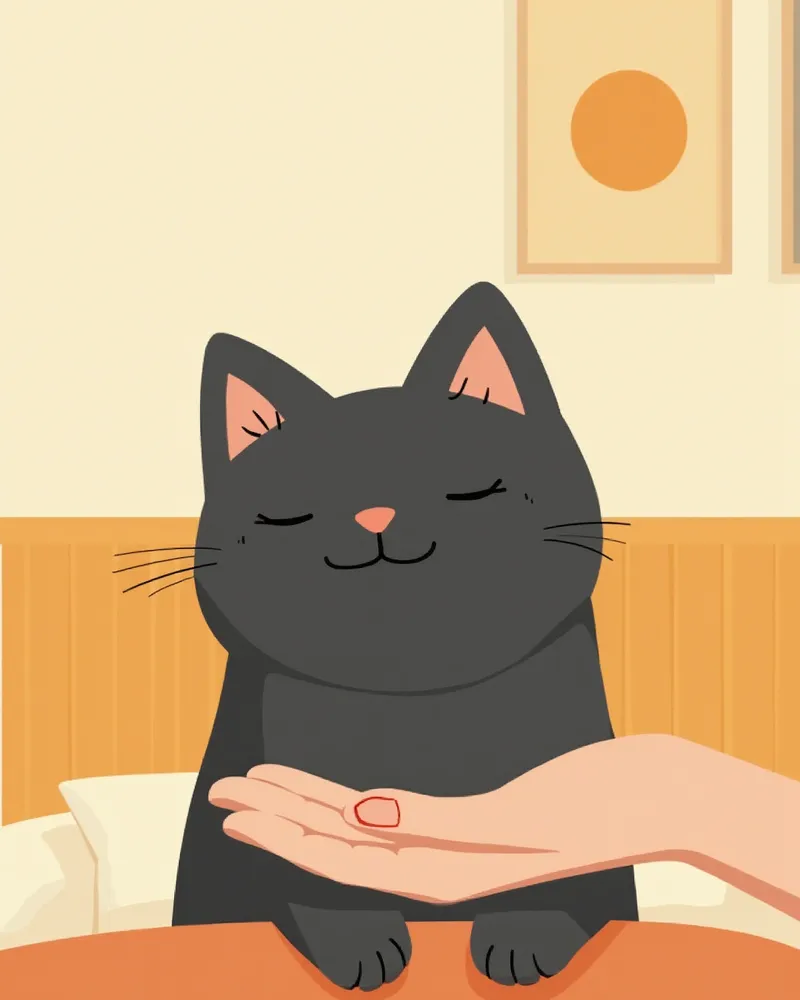
There is no scientific evidence that black cats have different personalities from other cats. The genes that determine coat color and the factors that influence personality are entirely separate. Here is a summary of the traits often shared by cat owners based on their experiences:
Affection: Many owners report that black cats are friendly and enjoy showing affection.
Adaptability: Some owners note that black cats tend to adjust to new environments relatively quickly.
Activity Level: Black cats are often described as playful and curious.
However, these traits can vary significantly depending on individual differences and socialization experiences. Early life experiences and the bond with their owners have a much greater impact on a cat's personality.
An affectionate black cat nuzzling its face against its owner's hand

Black Cats Have the Lowest Adoption Rates

Shelter statistics show that black cats often take longer to be adopted than cats of other coat colors, and they also face higher euthanasia rates. Superstitions and the misconception that they “don’t photograph well” are major contributing factors. If you’re considering adoption, please give a black cat a chance to meet you.

Health Characteristics of Black Cats
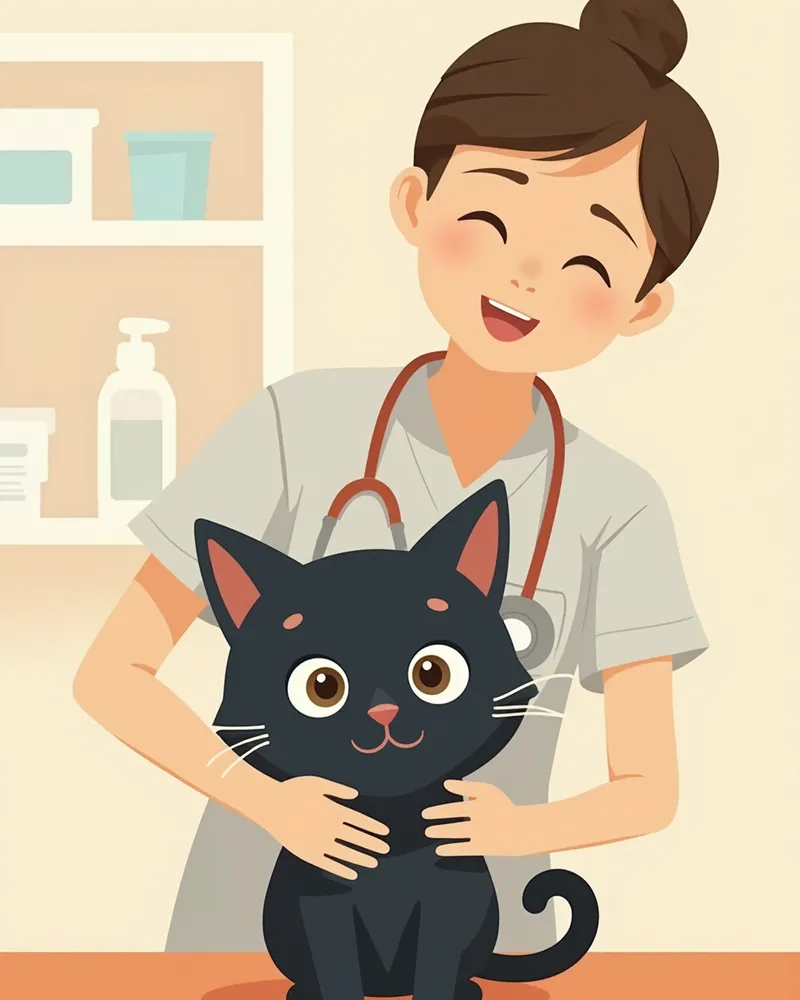
There are no genetic diseases unique to black cats. A cat’s health is far more influenced by its breed than by its coat color. That said, there are some interesting research directions related to black fur.
Melanin and Genes: Key genes responsible for black fur include the agouti signaling protein (ASIP) and tyrosinase-related protein 1 (TYRP1). These genes regulate the melanin synthesis pathway. While research suggests that pigment-related genes may influence other physiological functions, there is currently limited veterinary textbook-level evidence to support the claim that black cats have particularly strong immunity or disease resistance.
Skin and Pigment: Melanin is the key substance responsible for pigmentation in the skin and fur. However, there is no clearly established veterinary evidence that black cats have special resistance to UV damage, so it is best to avoid excessive exposure to direct sunlight.
Watch for Obesity: This applies to all cats, not just black ones, but weight management is important for indoor cats. Please ensure they receive the appropriate amount of food and regular playtime.
A black cat undergoing a health checkup at the veterinary clinic

Representative Black Cat Breeds

Here are some representative cat breeds known for their solid black coats.
Bombay: This is the first breed that comes to mind when thinking of black cats. True to its nickname, the "miniature black panther," it features a sleek, short black coat and striking copper-colored eyes.
British Shorthair: While famous for its blue (gray) coat, this breed also comes in solid black. They have round faces and are known for their calm, independent personalities.
Persian: Characterized by their long black fur and flat faces, Persians require daily brushing to maintain their coat.
Korean Shorthair: Among Korea's native cats, solid black individuals are quite common. They are robust and highly adaptable.
Solid black coats are also very common in mixed-breed cats.

Care Tips for Black Cats

Here are some helpful care tips for keeping a black cat.
Coat Care: Dandruff and dust are more noticeable on black fur. Brush your cat 2–3 times a week to remove dead hair and dandruff.
Skin Checks: It can be difficult to spot skin changes under black fur. While brushing, feel for any lumps, rashes, or bald patches with your hands.
Photography Tips: Natural light brings out the shine in black fur much better. Avoid using flash, as it can cause excessive eye reflection.
Regular Check-ups: Regular health check-ups are important regardless of coat color. The appropriate check-up schedule may vary depending on your cat’s age and health status, so please consult your veterinarian to set a plan.
A sleek black cat being brushed by its owner, with a shiny coat.

Reviewed by a veterinarian

Dr. Tony — Punnawat Phongkittirak

Dr. Tony — Punnawat Phongkittirak

Veterinarian

A veterinarian who majored in veterinary medicine at Khon Kaen University, Thailand, and completed the IVSA program at North Carolina State University in the United States. Drawing on clinical experience at animal hospitals, he works in the pet healthcare field and is dedicated to building a digital care environment that connects pet parents with veterinarians.

Frequently Asked Questions

Are black cats really bad luck?
No, that’s not true. The belief that black cats are unlucky is a superstition that originated during the witch-hunting era in medieval Europe. There is no scientific basis for it, and in countries like the UK and Japan, black cats are actually considered symbols of good luck.
Can a black cat’s coat color change?
Yes, it’s possible to some extent. Melanin, the pigment responsible for hair color, absorbs UV light, so prolonged sun exposure can make black fur appear reddish or brownish. However, since the actual hair color is determined by pigment genes like ASIP and TYRP1, the original color doesn’t completely change. Additionally, as pets age, grooming becomes less effective, which can lead to a loss of shine and a dull, dry appearance in their fur.
Are black cats healthier than other cats?
We can’t say black cats are inherently healthier. Current veterinary science offers limited evidence of a clear link between the genes that determine coat color and immune function. A cat’s health is far more influenced by its breed, living environment, and nutritional status.
Do black cats always have golden eyes?
Not at all. Black cats can have a variety of eye colors, including gold, copper, green, and yellow. While the Bombay breed is known for its distinctive copper eyes, other breeds and mixed-breed cats may have a range of eye colors.
Do you have any tips for taking great photos of black cats?
Natural light is key. Shooting near a window or in the shade outdoors will beautifully capture the shine and detail of black fur. Instead of using a flash, try using a bright background and find an angle that catches the light in your pet’s eyes.

Share

Related Guides

References

[1] Little SE. The Cat: Clinical Medicine and Management, 2nd Edition, Chapter 52 – Feline Genetics. Elsevier, 2023.

[2] Eizirik E, Yuhki N, Johnson WE, Menotti-Raymond M, Hannah SS, O'Brien SJ. Molecular Genetics and Evolution of Melanism in the Cat Family. Current Biology, 2003;13(5):448-453.

[3] Delgado MM, Munera JD, Reevy GM. Human Perceptions of Coat Color as an Indicator of Domestic Cat Personality. Anthrozoös, 2012;25(4):427-440.

This information is based on veterinary literature and does not replace diagnosis or treatment. Please consult a veterinarian for specific health concerns.

Metapet Co., Ltd. | CEO: Park Sung-yong | Business Reg. No. 417-88-02562 | Seoul, South Korea | Customer Center

Black Cat Traits and Personality: A Complete Guide | Debunking Myths | Meongsiljang