
Like
Share
멍실장
고양이 혈액검사 결과 읽는 법

How to Read Your Cat’s Blood Test Results

ImmunityQ&AMeongsiljang Veterinary Advisory Board

We’ve put together a clear, easy-to-understand guide for pet parents on the key items in a cat’s blood test results, including normal ranges and what abnormal values may indicate.

How to Read Your Cat’s Blood Test Results Sheet

A veterinarian reviewing a blood test report next to a cat.
A feline blood test is a basic health screening that quantifies blood cell counts, organ function, and electrolyte balance. The first thing to check on the results sheet is the normal reference range listed next to each parameter. The initial step is to see whether your cat’s values fall outside these ranges. Most importantly, you should never judge your pet’s health based on a single number alone. A comprehensive interpretation of multiple parameters is essential to accurately assess your cat’s overall health status.

Two Types of Blood Tests

Blood tests at veterinary clinics are generally divided into two main types. Complete Blood Count (CBC): This test checks the number and condition of blood cells, such as red blood cells, white blood cells, and platelets. It is essential for determining whether your pet has anemia or if there is an infection or inflammation in the body. Serum Chemistry Panel: This test provides numerical values to show whether organs like the liver, kidneys, and pancreas are functioning properly. It also allows us to check blood sugar, electrolyte, and protein levels. These two tests are usually performed together, and depending on your cat’s age or symptoms, we may add thyroid hormone tests or urinalysis.

Key Items in a Complete Blood Count at a Glance

ItemNormal range (reference)Suspected when highSuspected when low
Red blood cells (RBC)5.0–10.0 M/μLPossible dehydrationAnemia
White blood cells (WBC)5,500–19,500/μLInfection & inflammationWeakened immunity & bone marrow problems
Platelets (PLT)200,000–500,000/μLInflammatory responseIncreased bleeding risk
Hematocrit (HCT)25–45%DehydrationAnemia

Normal ranges may vary by testing equipment and laboratory. Always check against the reference range shown on your results report.

Serum Chemistry Tests: Check These Items First
Kidney values: Blood urea nitrogen (BUN) and creatinine are the key indicators. When both are elevated, it suggests reduced kidney function. Cats are prone to kidney issues, so regular monitoring of these values is important.
Liver values: Elevated alanine aminotransferase (ALT) may indicate liver cell damage, while high alkaline phosphatase (ALP) can suggest liver dysfunction. Both markers are essential for evaluating liver-related conditions.
Blood glucose: Cats can experience significant spikes in blood sugar due to stress alone, such as from a vet visit. A single high reading does not necessarily mean diabetes.
Total protein & albumin: These levels reflect both nutritional status and liver function.
A veterinarian explaining the results of a blood test.

Abnormal Values Do Not Necessarily Mean a Serious Disease

Even if some values fall outside the normal range on the test results, it doesn’t necessarily mean there’s a serious disease. Dehydration, stress, or whether your pet ate before the test can temporarily affect the numbers. However, if multiple values are abnormal at the same time, or if the same abnormalities appear on repeated tests, further detailed examinations may be necessary. Once you receive the results, be sure to consult with your veterinarian.

Additional Tests Especially Important for Cats
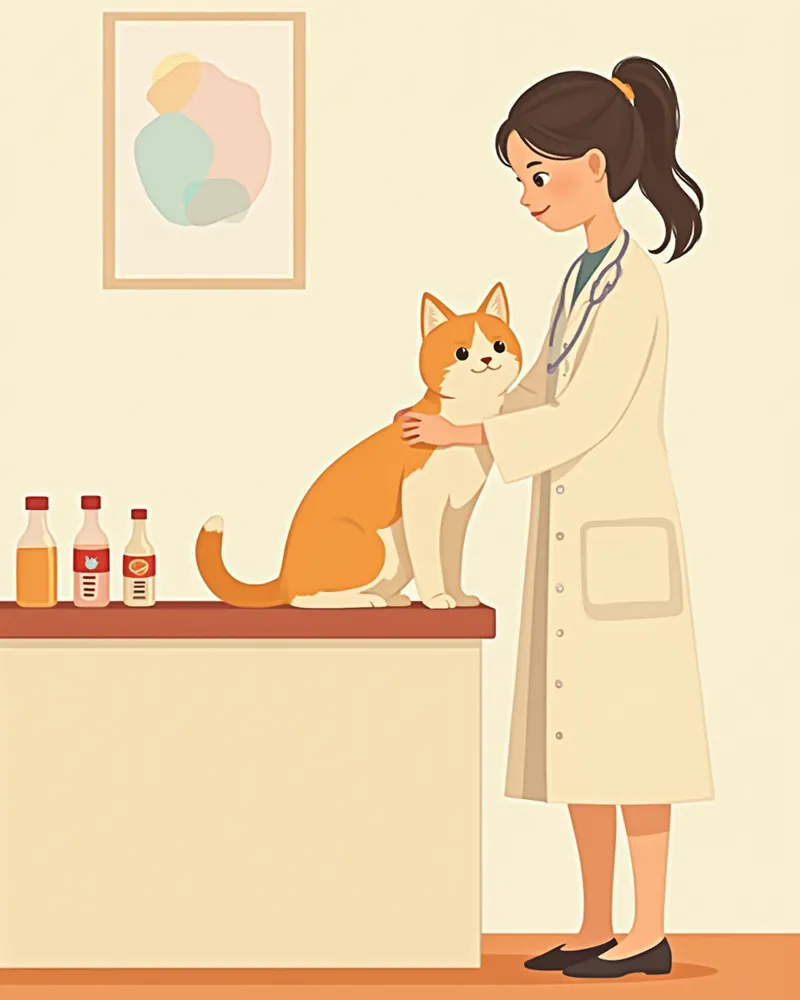
In addition to basic blood tests, there are several essential supplementary tests for cats.
Symmetric dimethylarginine (SDMA): This test can detect kidney function decline at an earlier stage than traditional kidney markers. For cats aged 7 years and older, consider adding SDMA testing alongside creatinine and urinalysis.
Thyroid hormone (T4): Senior cats are at risk for thyroid dysfunction. Cats aged 10 years and older should have T4 testing included in their routine checkups. Be sure to inform your veterinarian if your cat is losing weight while gaining appetite, or if you notice changes in activity levels.
Fructosamine: This test provides a more precise assessment of blood glucose levels when initial results are elevated. Your veterinarian may recommend this test if deemed necessary.
A cat undergoing additional tests at the veterinary clinic

Testing Frequency and Preparation by Age

Ages 1–6: For healthy cats, we recommend a basic blood test once a year. It’s convenient to have it done alongside vaccinations or routine health check-ups.
Ages 7–9: Please shorten the interval to once every six to twelve months. Consider adding tests for kidney function and thyroid hormone levels.
Age 10 and older: Testing at least once every six months is advisable. The goal is the early detection of chronic diseases.
Pre-test preparation is also important. Fasting may be required for serum chemistry tests to ensure accurate results. Fasting requirements and duration can vary depending on the specific tests ordered and the clinic’s protocols, so please confirm with your veterinarian before your visit. It’s also a good idea to ask whether water intake is permitted during the fasting period.
A cat placed in a carrier for a health checkup

When to Rush Your Cat for a Blood Test

If your pet is drinking significantly more water or producing noticeably more urine than usual, if their appetite suddenly drops or they lose weight rapidly, if vomiting or diarrhea persists for more than three days, or if their gums appear pale or yellow, please have them undergo a blood test as soon as possible. These symptoms may be early signs of kidney, liver, or blood disorders.

Reviewed by a veterinarian

Dr. Tony — Punnawat Phongkittirak

Dr. Tony — Punnawat Phongkittirak

Veterinarian

A veterinarian who majored in veterinary medicine at Khon Kaen University, Thailand, and completed the IVSA program at North Carolina State University in the United States. Drawing on clinical experience at animal hospitals, he works in the pet healthcare field and is dedicated to building a digital care environment that connects pet parents with veterinarians.

Frequently Asked Questions

How much does a cat blood test cost?
The cost of a basic blood test (complete blood count plus serum chemistry panel) varies depending on the clinic and the number of tests included. For the most accurate pricing, we recommend contacting the clinic directly before your visit.
Is it okay to have my cat checked even if they haven’t eaten?
Serum chemistry tests yield more accurate results when performed on an empty stomach. Fasting requirements and duration may vary depending on the specific tests being conducted and your clinic’s protocols, so please confirm with your veterinarian before your visit.
Does a normal test result truly mean my pet is completely healthy?
Even if blood test results appear normal, early-stage diseases may not yet be reflected in the numbers. This is particularly true for kidney disease, where changes in standard markers like BUN and creatinine may only become apparent after a significant portion of kidney function has already declined. Adding early-detection indicators such as SDMA can help identify abnormalities at an earlier stage.
Can stress cause the levels to change?
Yes, cats can experience elevated blood sugar and white blood cell counts simply due to the stress of visiting the clinic. Therefore, we don’t make a diagnosis based on a single result; if necessary, we may perform a retest or additional examinations.
Can I interpret my pet’s blood test results on my own at home?
While the normal ranges for each item can serve as a reference, always consult your veterinarian to interpret the results. The same value can have a completely different meaning depending on your pet's age, breed, and any underlying health conditions.

Share

Related Guides

References

[1] Stockham SL, Scott MA. Fundamentals of Veterinary Clinical Pathology, 3rd Edition, Wiley-Blackwell, 2008

[2] Willard MD, Tvedten H. Small Animal Clinical Diagnosis by Laboratory Methods, 5th Edition, Elsevier, 2012

[3] Silverstein DC, Hopper K. Small Animal Critical Care Medicine, 3rd Edition, Elsevier, 2023

[4] International Society of Feline Medicine (ISFM). ISFM Guidelines on Feline Chronic Kidney Disease, Journal of Feline Medicine and Surgery, 2016

This information is based on veterinary literature and does not replace diagnosis or treatment. Please consult a veterinarian for specific health concerns.

Metapet Co., Ltd. | CEO: Park Sung-yong | Business Reg. No. 417-88-02562 | Seoul, South Korea | Customer Center

How to Read Cat Blood Test Results: Normal Ranges and What They Mean | Meongsiljang