Like
Share
멍실장
고양이 고혈압과 단백뇨 관계 자주 묻는 질문 Q&A — 보호자가 꼭 알아야 할 핵심

Feline Hypertension and Proteinuria FAQ — Key Information for Pet Owners

UrinaryQ&AMeongsiljang Veterinary Advisory Board

Feline hypertension can cause proteinuria, which is an early sign of kidney damage. Regular check-ups and management are essential.

Feline Hypertension and Proteinuria Are Closely Related
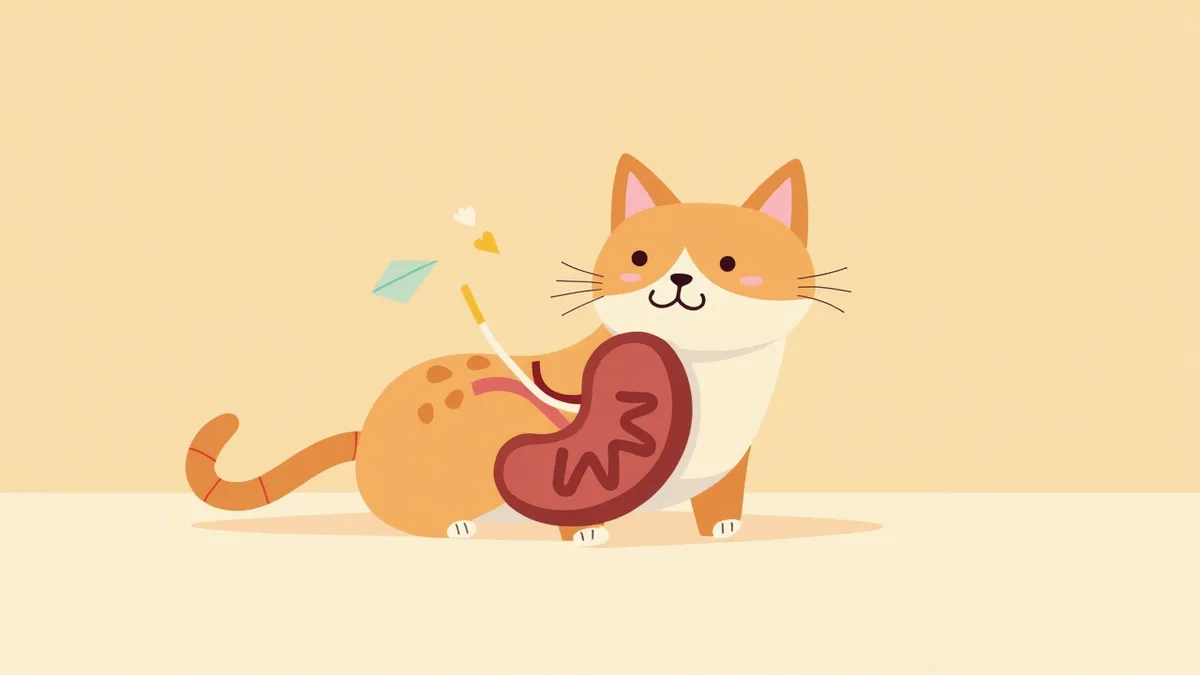
An anatomical image of a cat’s kidney blood vessels damaged by high blood pressure
High blood pressure in cats can damage the tiny blood vessels and glomeruli in the kidneys due to sustained pressure, potentially leading to proteinuria. - High blood pressure: Elevated blood pressure can damage the glomerular filtration membrane, allowing proteins that should normally remain in the blood to leak into the urine. - Proteinuria: While this can be an important sign of kidney damage, it may also result from pre-renal causes such as fever or exercise, or from lower urinary tract issues, making it essential to identify the underlying cause. - Early diagnosis: Regular urine tests and blood pressure monitoring can help detect proteinuria at an early stage. - Importance of treatment: Once proteinuria appears, it is essential to manage high blood pressure while protecting kidney function. - Preventive care: Adjusting lifestyle habits and maintaining ongoing communication with your veterinarian can help support long-term health.

Why Does Hypertension Cause Proteinuria?
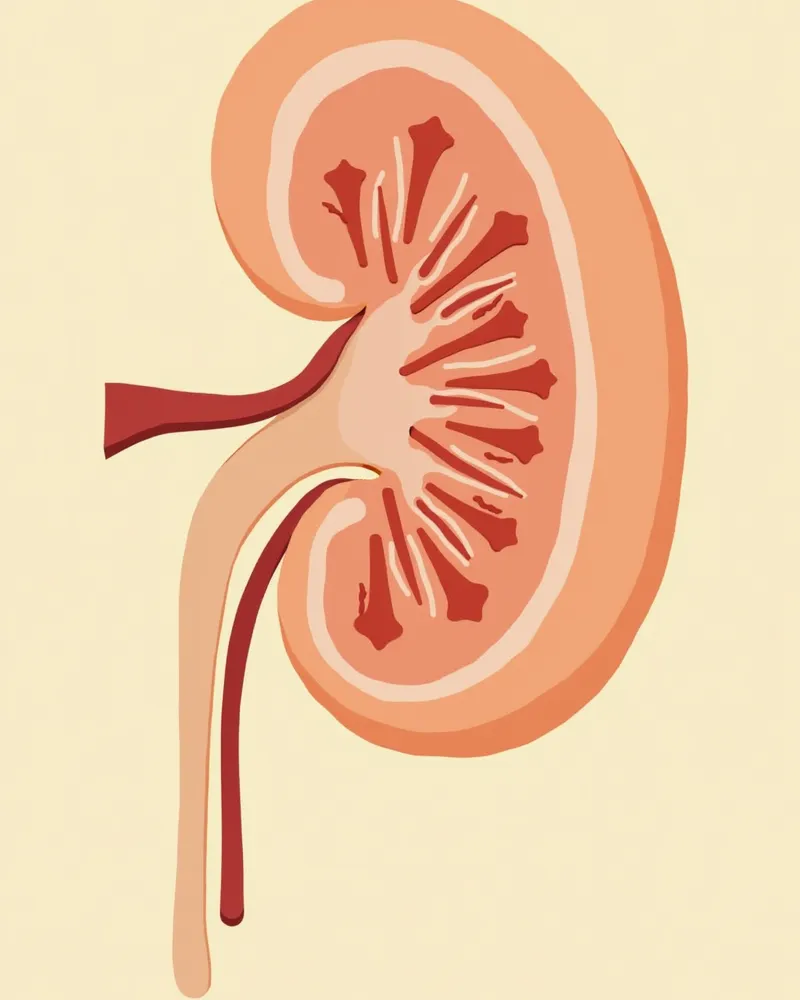
High blood pressure places excessive stress on the tiny blood vessels in the kidneys, damaging the filtration membrane. - Vessel Damage: Elevated blood pressure weakens the walls of the kidney's blood vessels, making it easier for proteins to leak out. - Reduced Filtration Function: The damaged filtration membrane fails to function properly, allowing proteins to escape into the urine. - Significance of Proteinuria: This is a sign that kidney function is declining, indicating the need for early intervention. - Early Detection: Detecting proteinuria early through regular check-ups significantly improves treatment outcomes. - Treatment Approach: Managing high blood pressure alongside kidney-protective care is essential.
An anatomical diagram illustrating the mechanism by which high blood pressure damages the kidney's filtration units

What Are the Main Causes of Proteinuria?
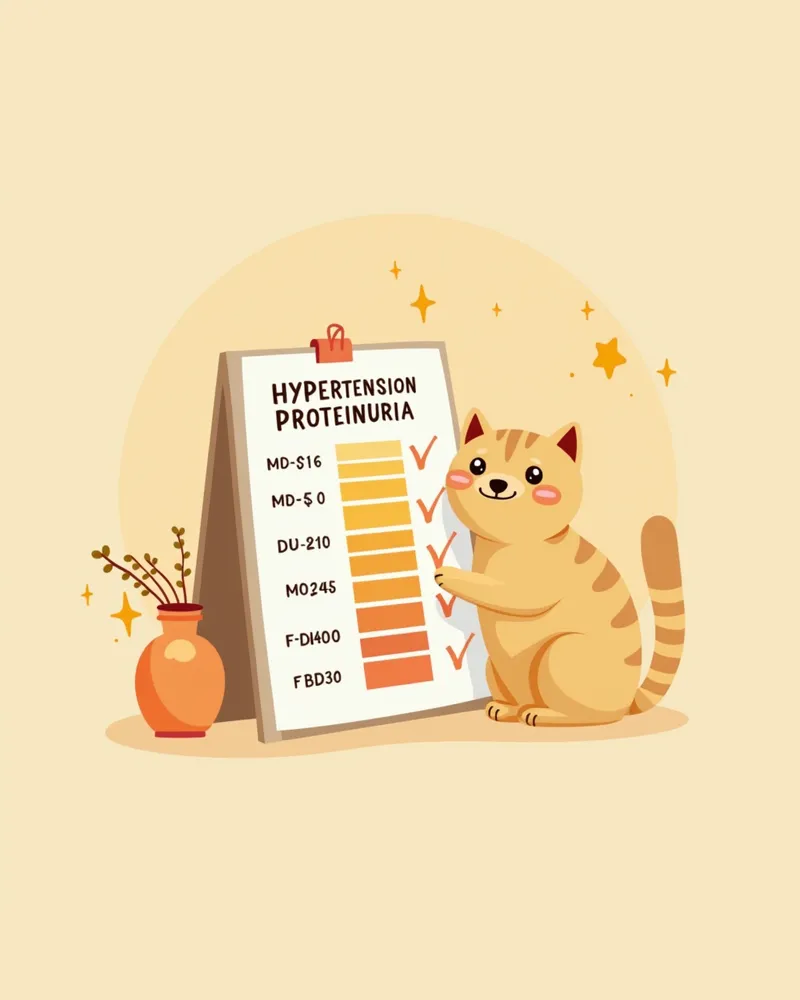
The main causes of proteinuria in cats are hypertension and chronic kidney disease. - Hypertension: High blood pressure puts strain on the glomerular blood vessels in the kidneys, impairing their filtration function and leading to proteinuria. - Chronic Kidney Disease: As kidney function gradually declines, protein leaks into the urine. - Glomerular Disease: Damage to the filtration membrane itself, such as in glomerulonephritis or amyloidosis, can cause proteinuria. - Inflammation and Infection: Inflammation or infection in kidney tissue can damage the filtration membrane, allowing protein to escape into the urine. - Immune-Mediated Diseases: An overactive immune response can damage the kidneys, resulting in proteinuria. - Non-Renal Causes: Proteinuria may also occur due to pre-renal factors like fever or exercise, or lower urinary tract issues. Therefore, identifying the exact cause is key to effective treatment.
An image showing the medical records of a cat with hypertension and proteinuria.

Step-by-Step Comparison of the Relationship Between Hypertension and Proteinuria

ItemSystolic blood pressureProteinuria (UPCR) trendRisk of target organ (kidney) damage
Borderline hypertension140–159 mmHgGenerally normal to mildLow
Hypertension160–179 mmHgMay increase (UPC often 0.5–1.0 or higher)Present
Severe hypertension≥180 mmHgMay increase markedlyHigh

Feline hypertension is defined by a systolic blood pressure of 160 mmHg or higher (severe is 180 mmHg or higher), and proteinuria is assessed by UPCR (urine protein/creatinine ratio). Proteinuria does not necessarily correlate with the degree of hypertension and can also arise from non-renal causes, so the veterinarian must make a comprehensive judgment while considering the cat's age and underlying conditions.

What Should You Do If Proteinuria Is Suspected?

If proteinuria is suspected, the first step is to confirm it through a urinalysis. - Urinalysis: This simple test is the initial step to accurately determine whether protein is present in the urine. - Blood pressure measurement: Since hypertension can contribute to proteinuria, it is essential to measure blood pressure if high blood pressure is suspected. - Kidney function tests: Blood tests are used to assess the extent of kidney damage. - Identifying the cause: Because multiple factors may be involved, a comprehensive diagnosis with your veterinarian is necessary. - Starting treatment: Early detection leads to better treatment outcomes and significantly helps preserve kidney function. - Ongoing management: Depending on the test results, treatment may include medication and dietary adjustments.
A veterinarian examining a cat's urine sample

Immediate Veterinary Visit Is Necessary When Proteinuria and Hypertension Occur Together

When proteinuria and high blood pressure are found together, it is highly likely that kidney damage is progressing. If left untreated, this condition can lead to chronic kidney disease. It is important to consult with a veterinarian immediately and begin testing and treatment.

Tips for Managing Feline Hypertension and Proteinuria

High blood pressure and proteinuria are important health issues that need to be managed together. - Medication: Consistently administer blood pressure medication as directed by your veterinarian. - Regular Check-ups: Schedule regular blood pressure measurements and urine tests. - Low-Sodium Diet: Choose low-sodium food to support blood pressure and kidney health. - Stress Reduction: Maintain a stable environment for your cat and ensure adequate playtime. - Communication with Your Veterinarian: Promptly share any changes in symptoms or reactions to medication. - Monitoring Treatment Response: Confirm the effectiveness of treatment by tracking changes in proteinuria levels. - Long-Term Management: Since proteinuria is a key indicator of treatment response, consistent management is essential.
A cat resting comfortably by a quiet window, enjoying a healthy living environment.

Practical Checklist for Prevention

- Regular check-ups: Cats aged 7 and older should have their blood pressure and urine tested at least once a year. - Low-sodium diet: Choose low-sodium cat food to support blood pressure and kidney health. - Stress management: Keep your cat’s environment stable and ensure they have plenty of playtime. - Communication with your vet: Share any changes in symptoms promptly and work together to adjust the treatment plan. - Lifestyle improvements: Maintain kidney health through regular meals and adequate hydration. - Early detection: Stay vigilant for early signs of proteinuria or high blood pressure. - Ongoing care: Prevention is far more important than treatment, so consistent attention is essential.
A flat layout image showing a preventive checklist for cat health

Reviewed by a veterinarian

Dr. Tony — Punnawat Phongkittirak

Dr. Tony — Punnawat Phongkittirak

Veterinarian

A veterinarian who majored in veterinary medicine at Khon Kaen University, Thailand, and completed the IVSA program at North Carolina State University in the United States. Drawing on clinical experience at animal hospitals, he works in the pet healthcare field and is dedicated to building a digital care environment that connects pet parents with veterinarians.

Frequently Asked Questions

Does protein in a cat’s urine always mean the cat has high blood pressure?
Not all proteinuria is caused by high blood pressure. However, when hypertension is present, kidney damage can progress more rapidly. It’s essential to identify the underlying cause.
Is proteinuria common in cats?
Proteinuria is a common finding in cats, especially senior cats, and is closely linked to chronic kidney disease and hypertension. Early detection is key.
Can protein in the urine decrease with treatment for high blood pressure?
Yes, properly managing blood pressure can reduce the strain on the blood vessels in the kidneys and may also decrease proteinuria. Consistent management is key.
Can I measure blood pressure at home?
Some dedicated blood pressure monitors can be used at home. However, for accurate readings, it’s safest to use them under a veterinarian’s guidance and have your pet’s blood pressure checked regularly at the clinic.
Should I change my pet’s food if proteinuria develops?
For cats with protein in their urine, it’s best to switch to a special diet recommended by your veterinarian. Controlling protein levels and sodium intake is crucial. Never change your cat’s food on your own without professional guidance.

Share

Related Guides

References

[1] Acierno, M.J., Brown, S., Coleman, A.E. et al. (2018). ACVIM consensus statement: guidelines for the identification, evaluation, and management of systemic hypertension in dogs and cats. J. Vet. Intern. Med. 32: 1803–1822.

[2] Taylor, S.S., Sparkes, A.H., Briscoe, K. et al. (2017). ISFM consensus guidelines on the diagnosis and management of hypertension in cats. J. Feline Med. Surg. 19(3): 28–43.

[3] Nakamura, K., Kondo, T., Ohtsuka, H. et al. (2020). Association between systemic hypertension and proteinuria in cats with chronic kidney disease. Vet. J. 258: 105423.

This information is based on veterinary literature and does not replace diagnosis or treatment. Please consult a veterinarian for specific health concerns.

Metapet Co., Ltd. | CEO: Park Sung-yong | Business Reg. No. 417-88-02562 | Seoul, South Korea | Customer Center

Feline Hypertension and Proteinuria: 5 Key Questions Answered | Meongsiljang