Like
Share
멍실장
파보 SNAP 검사 가이드 — 원리·결과 해석·한계까지

What is the Puppy Parvo SNAP Test? — From Principles to Result Interpretation

ImmunityQ&AMeongsiljang Veterinary Advisory Board

We’ve put together everything pet owners need to know about the Parvo SNAP test, from how it works to interpreting positive and negative results, the possibility of false negatives, and post-test care.

What is the Parvo SNAP Test?
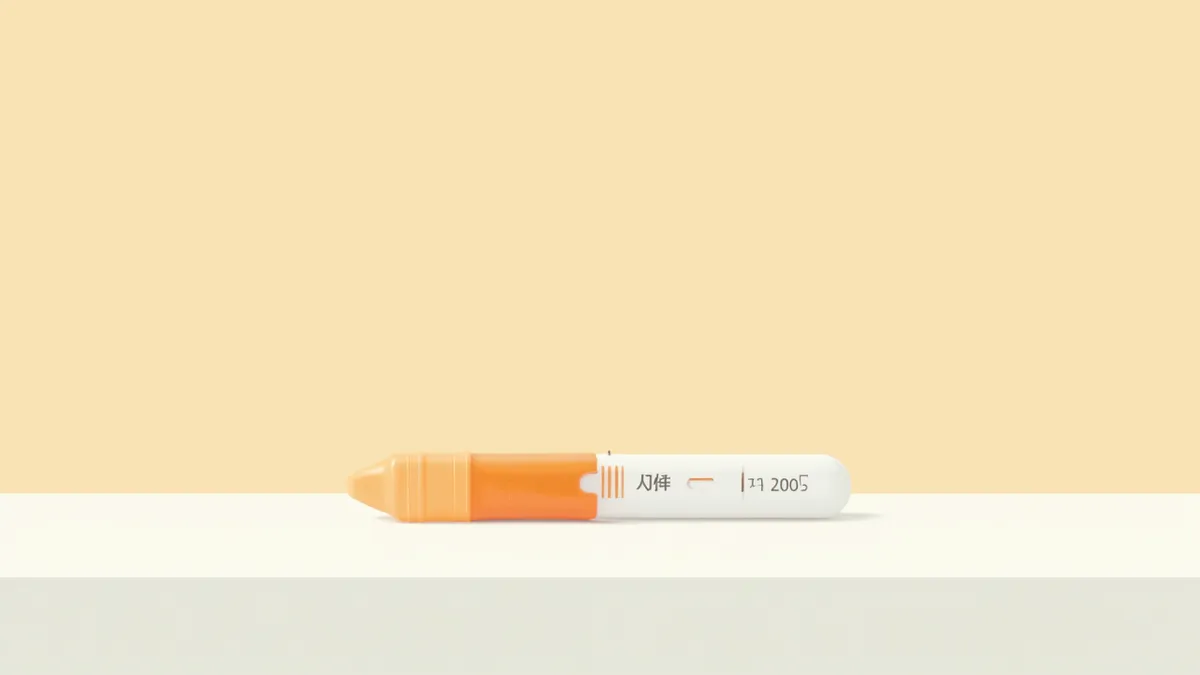
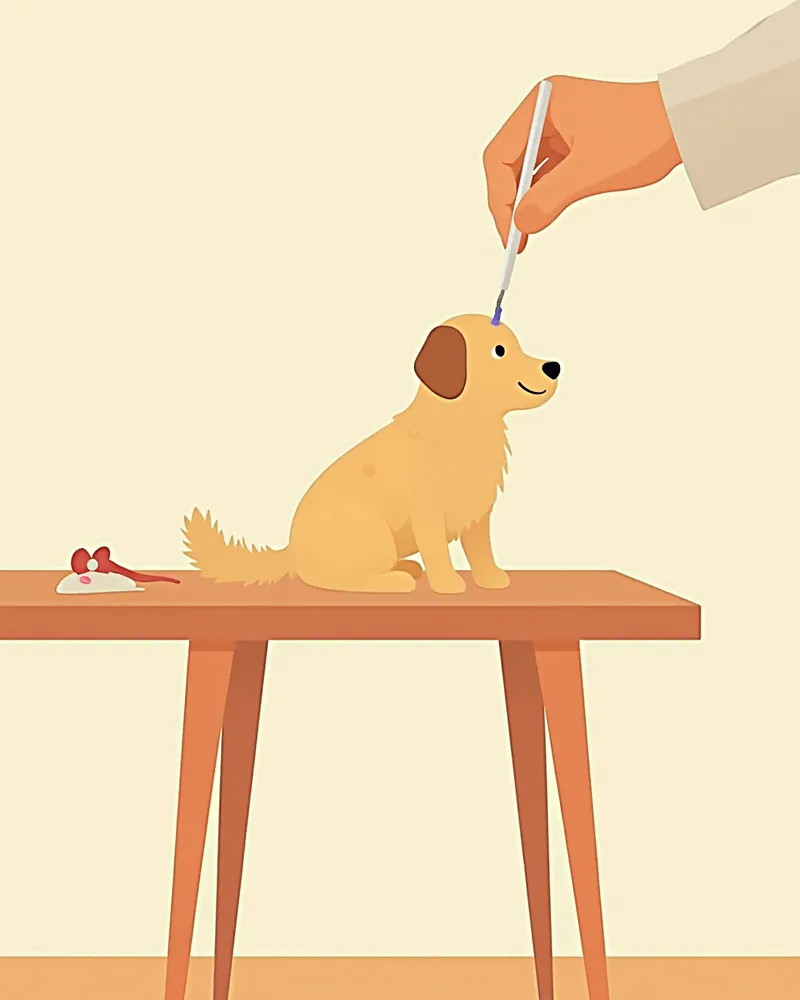
Close-up of the Parvo SNAP test kit on the examination table
The Parvo SNAP test is a rapid diagnostic kit used in veterinary clinics to detect parvovirus antigens in a puppy’s feces within 10 minutes. Speed is truly critical. Parvovirus enteritis can deteriorate rapidly within one or two days, so if symptoms are suspected, testing should be performed immediately upon arrival at the clinic, and hospitalization with fluid therapy should begin based on the results. Puppies between 6 weeks and 6 months of age showing vomiting, bloody diarrhea, and decreased appetite should be tested immediately.

When Should You Get Tested?

If your dog exhibits any of the following symptoms, a Parvo SNAP test is necessary: - Acute vomiting: Vomiting three or more times a day - Bloody stool/diarrhea: Diarrhea containing blood with a distinctively foul odor - Loss of appetite: Refusing even their favorite food - Lethargy: Appearing weak, droopy, and unresponsive - Incomplete vaccination: Has not yet received the third dose of the core combination vaccine, or vaccination history is unknown The risk of exposure is particularly high in multi-dog households, for dogs from shelters, or if your dog has recently visited dog parks or pet-friendly cafes.

Test Principles and Procedure

The Parvo SNAP test is a fecal antigen detection assay based on enzyme-linked immunosorbent assay (ELISA) technology. If parvovirus antigens are present in the fecal sample, they bind to antibodies contained within the test kit, and a subsequent enzyme reaction produces a color change indicating a positive result. The procedure follows these steps: 1. The veterinarian collects a rectal fecal sample using a swab. 2. The sample is mixed with buffer solution and applied to the test kit. 3. Results are read after an 8- to 10-minute wait. No special pre-test preparation, such as fasting, is required. While costs vary by clinic, the test typically costs only a few tens of dollars.
A veterinarian collecting a stool sample from a puppy

Immediate Hospitalization is Required in These Cases

A positive result on the SNAP Parvovirus test usually means immediate hospitalization is recommended. This is because the condition can rapidly progress to dehydration, electrolyte imbalances, hypoproteinemia, and sepsis. If your dog is lethargic and unable to stand, vomiting persistently, or has pale or gray gums, it is an emergency that requires attention within minutes. Do not attempt to manage hydration at home; instead, take your pet to a 24-hour emergency animal hospital immediately.

Interpreting Positive and Negative Results

The test results are interpreted based on the appearance of lines. The meaning varies depending on the combination of the control line (C) and the test line (T). However, because the SNAP test is primarily a screening test, the results alone do not definitively determine the treatment plan. The veterinarian will make a final diagnosis by considering clinical signs, blood test results (such as leukopenia), and vaccination history. The table below summarizes the interpretation for each scenario.

Interpretation by Result and Next Steps

ItemPositive (T line appears)Negative (no T line)Invalid (no C line)
MeaningParvovirus antigen detectedNo antigen detectedTest error
Next stepImmediate isolation and hospitalizationRecheck within 24–48 hours if symptoms persistRetest with a new kit
Additional testingCBC, electrolytes, PCR recommendedConfirmation possible with PCRRetest required
Start of treatmentImmediate fluids, antibiotics, antiemeticsSupportive care with monitoringDecide after obtaining results

The final treatment plan is decided by the veterinarian based on both clinical signs and blood test results.

False Negatives and False Positives Can Occur
The Parvo SNAP test is fast, but it’s not perfect. According to veterinary internal medicine textbooks, false results can occur in the following situations: - False negatives: Early infection (before symptoms appear), insufficient viral shedding in feces, or intermittent shedding periods. - False positives: Temporary antigen detection may occur for a certain period immediately after administration of a modified live virus (MLV) vaccine. Therefore, if symptoms are clearly present but the test result is negative, retesting after 24–48 hours or performing a PCR test concurrently is recommended. Conversely, if a positive result occurs shortly after vaccination, the veterinarian will differentiate whether it is vaccine-related by considering clinical signs and white blood cell counts.
Conceptual illustration of parvovirus particles

Post-Test Care and Isolation Principles

Once a positive result is confirmed, strict isolation from other dogs is essential. Parvovirus is highly stable in the environment and is not effectively removed by regular detergents. Here are the key management points: - Isolation period: At least two weeks after symptoms resolve - Disinfectant: Use a diluted sodium hypochlorite (bleach) solution (follow your veterinarian’s guidance or the product instructions for the exact dilution ratio) - Waste disposal: Collect feces and urine immediately, seal them in a bag, and dispose of them - Monitoring cohabiting dogs: Check for fever, appetite changes, and bowel movements for 14 days - Vaccination schedule: Replan the vaccination timeline with your veterinarian after recovery Although the period of viral shedding is relatively short, the virus survives well in the environment, so you must consult your veterinarian before returning to walks.

This Test is Different from Feline Panleukopenia Testing

Feline panleukopenia is also caused by a parvovirus, but the SNAP test kits commonly used are designed for canine parvovirus (CPV-2). Some kits do cross-react with feline panleukopenia and can be used for its diagnosis. If you’re a cat owner and your pet is showing symptoms, be sure to ask your veterinarian whether this test is appropriate for your cat. Recommended tests can vary by species.

Reviewed by a veterinarian

Dr. Tony — Punnawat Phongkittirak

Dr. Tony — Punnawat Phongkittirak

Veterinarian

A veterinarian who majored in veterinary medicine at Khon Kaen University, Thailand, and completed the IVSA program at North Carolina State University in the United States. Drawing on clinical experience at animal hospitals, he works in the pet healthcare field and is dedicated to building a digital care environment that connects pet parents with veterinarians.

Frequently Asked Questions

How quickly do the results from the parvovirus SNAP test come back?
Results are read within 8–10 minutes after applying the sample. In most clinics, the results are checked during the same-day visit, allowing the veterinarian to determine the treatment plan right away.
I just got vaccinated, but the test came back positive. Does that mean I’m infected?
Not necessarily. For a certain period immediately after receiving a live attenuated vaccine (MLV), the antigen may be temporarily detectable. A differential diagnosis requires evaluating both clinical signs and white blood cell counts, so please consult your veterinarian.
The symptoms are severe, but the test came back negative. Is that okay?
Not necessarily. False negatives can occur in the early stages of infection or due to intermittent viral shedding. If symptoms persist, retesting should be done 24–48 hours later, or additional PCR testing should be performed.
Can I perform the test at home?
The SNAP kit is a veterinary diagnostic device intended for use in clinics. Although it can sometimes be purchased online, there is a risk of misinterpretation and improper sample collection, so it is safest to use it under the guidance of a veterinarian.
How much does the test cost?
Costs vary by clinic, but generally range in the tens of dollars. When symptoms are suspected, treatment is often offered as a package that includes a veterinary examination, intravenous fluids, and blood tests. For exact pricing, please contact your local clinic directly.

Share

Related Guides

References

[1] Greene, C.E. Infectious Diseases of the Dog and Cat, 4th ed., Chapter on Canine Parvoviral Enteritis

[2] Ettinger, S.J. & Feldman, E.C. Textbook of Veterinary Internal Medicine, 8th ed., Viral Diseases chapter

[3] Decaro, N. et al., Diagnostic tools for canine parvovirus infection, Veterinary Microbiology, 2020

This information is based on veterinary literature and does not replace diagnosis or treatment. Please consult a veterinarian for specific health concerns.

Metapet Co., Ltd. | CEO: Park Sung-yong | Business Reg. No. 417-88-02562 | Seoul, South Korea | Customer Center

Puppy Parvo SNAP Test: From Principles to Interpretation | Meongsiljang