Like
Share
멍실장
ACE 억제제, 강아지·고양이 신장 보호에 정말 효과 있을까?

Are ACE Inhibitors Really Effective for Protecting Dogs and Cats' Kidneys?

KidneyQ&AMeongsiljang Veterinary Advisory Board

ACE inhibitors are medications that lower pressure in the kidney’s filtering units, reducing protein in the urine and slowing the progression of chronic kidney disease. They are the first-line treatment for kidney disease with proteinuria in both dogs and cats.

Are ACE Inhibitors Effective for Kidney Protection?

An illustration depicting the action of ACE inhibitors in reducing glomerular pressure in the kidneys of dogs and cats.
ACE inhibitors (Angiotensin-Converting Enzyme Inhibitors) are medications that help reduce proteinuria by lowering intraglomerular pressure and slow the progression of chronic kidney disease. According to veterinary textbooks, ACE inhibitors are considered a cornerstone therapy for reducing proteinuria and are widely prescribed for chronic kidney disease accompanied by proteinuria. In particular, studies have shown that they can delay the progression of chronic kidney disease in cats, and they may also be beneficial in dogs. However, they are not universally indicated for all cases of kidney disease; instead, their use is determined based on the stage of kidney disease and the severity of proteinuria.

How Do ACE Inhibitors Protect the Kidneys?

Inside the kidneys, there are tiny filters called glomeruli that strain the blood. As chronic kidney disease progresses, the remaining glomeruli are overworked, leading to increased pressure and the leakage of protein into the urine (proteinuria). Each glomerulus has an incoming blood vessel (afferent arteriole) and an outgoing blood vessel (efferent arteriole). Normally, angiotensin II strongly constricts this outgoing vessel. ACE inhibitors block the production of angiotensin II, relaxing the efferent arteriole and lowering the pressure within the glomerulus. This reduced pressure decreases proteinuria and slows the rate of kidney damage. Veterinary textbooks refer to this mechanism as the "renoprotective effect."

Commonly Prescribed ACE Inhibitors in Dogs and Cats

The two most commonly prescribed ACE inhibitors at veterinary clinics are listed below. Reviewing the comparison chart will help you better understand which medication was prescribed for your pet.

Comparison of ACE Inhibitors for Dogs and Cats

ItemEnalaprilBenazepril
Primary target animalDogs firstBoth cats and dogs
Excretion routeMainly renalRenal + hepatic (dual excretion)
Safety in renal failureDose adjustment neededRelatively stable
Main effectsReduces blood pressure and proteinuriaReduces proteinuria and protects the heart
Dosing frequencyOnce or twice dailyOnce daily

The choice of drug is determined by the veterinarian based on kidney stage, degree of proteinuria, and liver function

When Are ACE Inhibitors Prescribed?

The International Renal Interest Society (IRIS) recommends ACE inhibitors when proteinuria exceeds a certain threshold or when kidney disease has progressed to stages 2–4. These medications are especially considered in the following situations:
Kidney disease with proteinuria: Urine protein-to-creatinine ratio (UPC) of 0.5 or higher in dogs, or 0.4 or higher in cats
With hypertension: When blood pressure is elevated due to kidney disease
Glomerulonephritis: When inflammation in the glomeruli causes significant protein leakage
With heart disease: In senior dogs with concurrent heart and kidney dysfunction
A veterinarian examining the kidney condition of an elderly cat.

When ACE Inhibitors Should Not Be Used

ACE inhibitors are not a one-size-fits-all solution. In the following situations, they can actually accelerate kidney damage and are either contraindicated or should be used with extreme caution: • During acute kidney injury (sudden kidney damage) • Severe dehydration • Hypotension (abnormally low blood pressure) • Pregnancy or lactation • Late-stage chronic kidney disease (Stage 4) If your pet develops dehydration due to vomiting or diarrhea, do not administer the medication on your own. Always consult your veterinarian first.

How to Monitor During Treatment

When starting an ACE inhibitor, your pet should be tested once within the first 1–2 weeks, and then regularly thereafter based on their clinical condition. The key is to confirm that the medication is working effectively and to ensure there is no sudden deterioration in kidney function.
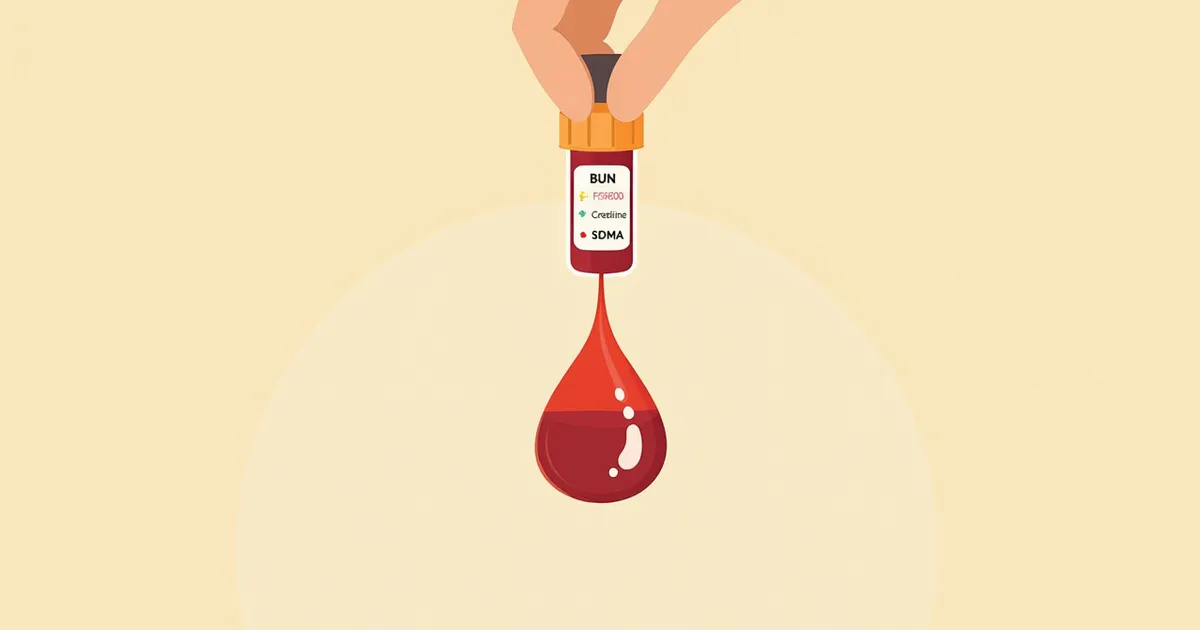
Essential tests: Kidney values (BUN, creatinine, SDMA), electrolytes (especially potassium), urine protein-to-creatinine ratio (UPC), and blood pressure.
Testing schedule: Check UPC, kidney values, electrolytes, and blood pressure 1–2 weeks after starting the medication or changing the dose, then continue testing periodically according to your pet’s condition.
Warning signs: If serum creatinine rises by 30% or more, or if significant hyperkalemia occurs, the dose may need to be reduced or the medication discontinued. Please contact your veterinarian immediately.
A medical graphic illustrating kidney function monitoring after administration of an ACE inhibitor.

Side Effects Owners Must Know

ACE inhibitors are generally safe medications, but contact your veterinarian immediately if you notice any of the following signs:
Loss of appetite or lethargy: May indicate excessively low blood pressure
Sudden vomiting or diarrhea: Early signs of dehydration and worsening kidney function
Sharp decrease in urine output: A warning that kidney function is deteriorating rapidly
Pale gums: Possible anemia or circulatory issues
Cats tend to be more sensitive to medication side effects than dogs, so monitor their condition closely during the first two weeks. If your cat already has elevated kidney values, also review our Guide to Managing Feline Chronic Kidney Disease.

Drug Combinations to Avoid

ACE inhibitors have a high potential for drug interactions. It is crucial that you do not administer any additional medications—especially human drugs or supplements—without veterinary guidance. • Non-steroidal anti-inflammatory drugs (NSAIDs): High risk of kidney damage • Diuretics (e.g., furosemide): Risk of dehydration and low blood pressure • Potassium supplements: Risk of hyperkalemia • Certain herbal remedies and health supplements: May affect blood pressure and kidney function If your pet is prescribed additional medications by another clinic, you must always inform the veterinarian that your pet is currently taking an ACE inhibitor.

Reviewed by a veterinarian

Dr. Tony — Punnawat Phongkittirak

Dr. Tony — Punnawat Phongkittirak

Veterinarian

A veterinarian who majored in veterinary medicine at Khon Kaen University, Thailand, and completed the IVSA program at North Carolina State University in the United States. Drawing on clinical experience at animal hospitals, he works in the pet healthcare field and is dedicated to building a digital care environment that connects pet parents with veterinarians.

Frequently Asked Questions

Do ACE inhibitors need to be given for life?
Because chronic kidney disease is difficult to cure, most pets require lifelong medication. However, the dosage or type of medication may be adjusted if the disease progresses to a more advanced stage or if side effects occur. Stopping the medication without veterinary guidance can cause proteinuria to increase again, leading to rapid deterioration of kidney function.
Do I need to give my pet an ACE inhibitor even in the early stages of kidney disease?
In Stage 1, the early phase without proteinuria, management typically involves dietary adjustments and regular check-ups. If proteinuria is detected or the condition progresses to Stage 2 or beyond, ACE inhibitors are often initiated at that point.
Since starting the medication, my pet’s kidney values have risen slightly. Is this normal?
A slight increase in creatinine levels of 30% or less within the first two weeks is a normal response to the medication, and levels typically stabilize. However, if the increase exceeds 30% or your pet's condition worsens, dosage adjustments may be necessary, so please contact your veterinarian immediately.
Which is better, enalapril or benazepril?
There is no single “best” medication. Benazepril, which is excreted through both urine and bile (via the liver), is often chosen for cats or patients with compromised kidney function. Both enalapril and benazepril are used to manage proteinuria and blood pressure in dogs and cats, and the choice of medication depends on the stage of kidney disease, the degree of proteinuria, and liver function, as determined by your veterinarian.
Can I give my pet kidney-support supplements alongside ACE inhibitors?
Omega-3 fatty acids, renal prescription diets, and phosphate binders can work synergistically with ACE inhibitors. However, potassium supplements and certain herbal supplements may pose risks, so always consult your veterinarian before adding them.

Share

Related Guides

References

[1] Langston CE, Eatroff AE. Chronic Kidney Disease. Small Animal Critical Care Medicine, 3rd Ed

[2] The Cat, Clinical Medicine and Management, 2nd Edition - Chronic Kidney Disease in Cats

[3] IRIS (International Renal Interest Society) Treatment Guidelines for CKD

[4] King JN, et al. Tolerability and Efficacy of Benazepril in Cats with Chronic Kidney Disease. JVIM, 2006

This information is based on veterinary literature and does not replace diagnosis or treatment. Please consult a veterinarian for specific health concerns.

Metapet Co., Ltd. | CEO: Park Sung-yong | Business Reg. No. 417-88-02562 | Seoul, South Korea | Customer Center

Do ACE Inhibitors Really Protect Dogs' & Cats' Kidneys? | Meongsiljang