Like
Share
멍실장
고양이 당뇨 합병증(신경병증·백내장) 자주 묻는 질문 Q&A — 보호자가 꼭 알아야 할 핵심

Cat Diabetes and Hind Limb Weakness? Early Signs and Management of Neuropathy and Cataracts

EndocrineQ&AMeongsiljang Veterinary Advisory Board

Feline diabetes can lead to complications such as neuropathy and cataracts. Early detection and proper management are crucial.

What Are Diabetic Complications in Cats (Neuropathy and Cataracts)?

Rear leg weakness in cats caused by diabetic neuropathy
Diabetic complications in cats are problems that arise when blood sugar levels remain elevated for extended periods. Chronic hyperglycemia can cause structural and functional damage to beta cells and insulin-target tissues, a phenomenon known as glucotoxicity. - Neuropathy (Peripheral Neuropathy): This is relatively common in diabetic cats. It primarily affects the tibial nerve in the lower leg, leading to hind limb weakness and a characteristic "plantigrade" stance, where the cat walks with its hocks touching the ground. - Cataracts (Lens Opacity): Clouding of the lens can impair vision. However, the frequency and progression of cataracts in cats may differ from those in dogs, so a veterinary ophthalmic evaluation is necessary. Furthermore, the most critical complications in untreated diabetes or cases with poor glycemic control are diabetic ketoacidosis (DKA) and hyperglycemic hyperosmolar syndrome (HHS). Therefore, early detection through regular check-ups and consistent management are of utmost importance.

Why Does Feline Diabetes Cause Complications?

Prolonged high blood sugar can lead to neurological and metabolic issues. Peripheral neuropathy typically arises from systemic diseases or metabolic disorders. - Glucotoxicity: Chronic hyperglycemia can cause structural and functional damage to beta cells and insulin-target tissues. - Nerve Damage: Diabetic polyneuropathy primarily affects the tibial nerve, leading to hind limb weakness and an unstable, plantigrade stance. - Cataracts: Clouding of the lens can impair vision, but individual ophthalmic evaluations are necessary to assess the condition in cats. This process progresses gradually, and if left untreated, recovery may be difficult. Therefore, blood sugar control is key to preventing and managing complications. Regular check-ups and a veterinarian’s treatment plan are essential.
Nerve damage caused by feline diabetes

What Are the Main Symptoms of Complications?
The key signs to watch for in diabetic complications in cats include the following:
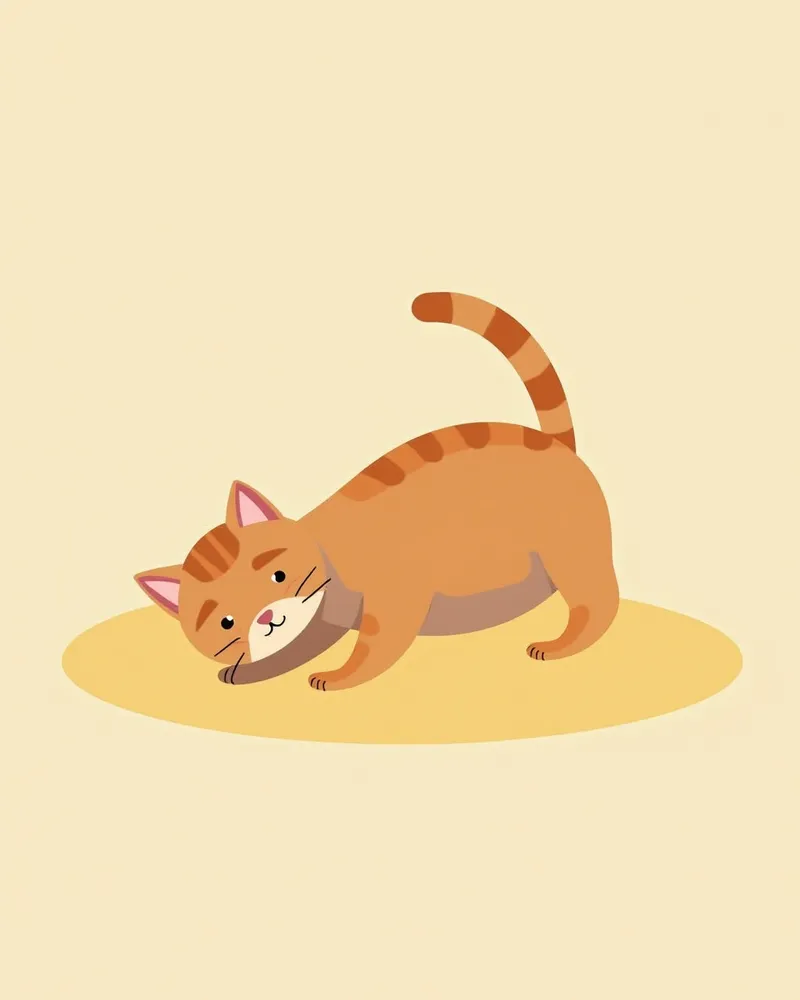
Hind limb weakness and plantigrade posture: Your cat may walk unsteadily or walk on its toes with its heels dragging on the ground.
Paw pain or sensitivity: Cats with neuropathy often become sensitive or uncomfortable when their paws are touched or handled.
Vision changes: Your cat may bump into objects or have difficulty seeing in low-light conditions.
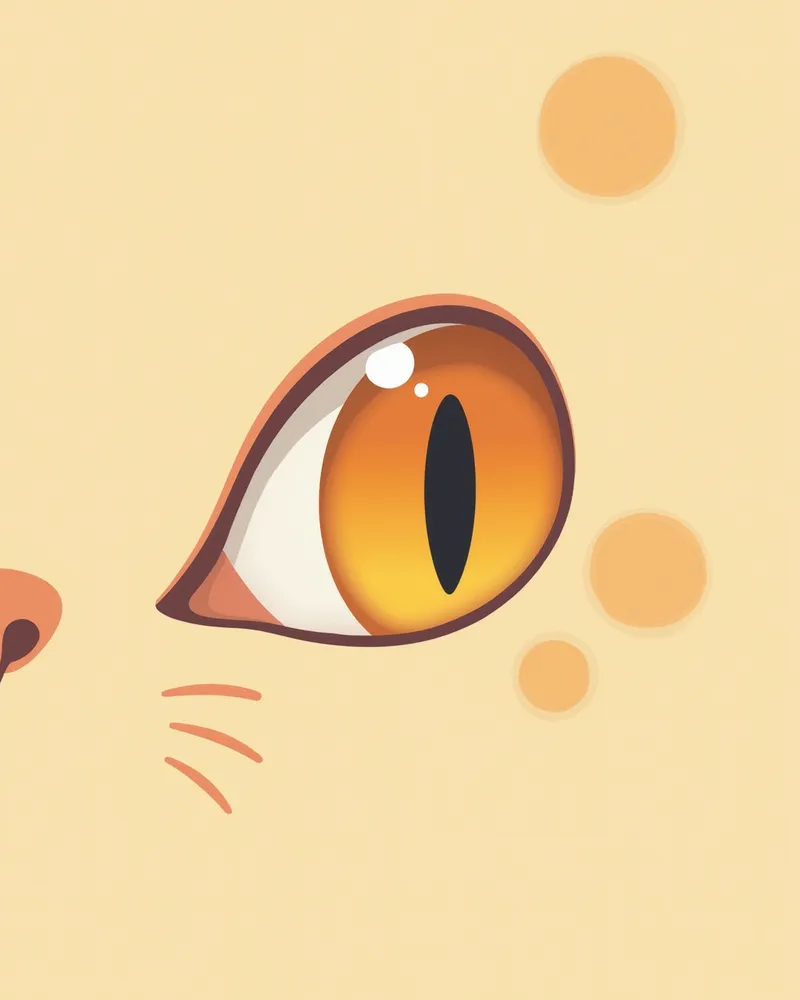
Cloudy eyes: The lens of the eye may appear cloudy, requiring an ophthalmic evaluation.
Decreased activity and lethargy: If your cat is less active or has a reduced appetite, other issues such as ketones should also be checked.
If you notice any of these signs, please consult your veterinarian immediately.
Symptoms of cataracts in cats

Signs Requiring Immediate Veterinary Visit

If your pet is barely using its hind legs or experiences a sudden, severe clouding of the eyes, seek veterinary care immediately. Additionally, lethargy, loss of appetite, vomiting, or rapid breathing may indicate a medical emergency such as diabetic ketoacidosis (DKA), requiring prompt treatment. Since eye cloudiness can progress rapidly, it is advisable to have a veterinarian perform an ophthalmic evaluation.

Step-by-Step Management of Complications
The approach to managing complications varies depending on the severity of the condition. - Mild: If hind limb weakness is mild, the primary focus should be on blood glucose control, with regular monitoring alongside your veterinarian. - Moderate: If gait is unstable, a safe environment and attentive care from the owner are essential. Your veterinarian may recommend additional management strategies, such as pain relief. - Severe: If the cat is nearly immobile or shows significant vision changes, your veterinarian will evaluate the case to discuss further diagnostics, long-term management, or potential ophthalmic surgery. Strict blood glucose control is so critical that it can even lead to diabetic remission in some cats. Early detection, consistent care, and a tailored plan developed with your veterinarian are the keys to managing complications effectively.
Physical therapy for diabetic neuropathy in cats

Home Care Management

The key to managing diabetic complications in cats is stabilizing blood sugar levels.
Regular feeding: Offer meals two to three times a day at the same time and in consistent portions. Discussing a low-carbohydrate, high-protein diet with your veterinarian may increase the likelihood of remission in some cats.
Encouraging exercise: Use small toys to encourage light play.
A safe environment: If your cat has weak hind legs, modify the home to limit access to stairs or high places.
Home blood glucose monitoring: After receiving training from your veterinarian, measuring blood glucose at home with a glucometer can aid in management.
These habits play a significant role in managing complications.
A safe environment for managing complications of feline diabetes

Comparison of Management by Complication Stage

ItemMain SymptomsMain ManagementPrognosis
MildSlight hind limb weakness and mild plantigrade stanceStrict blood glucose control + regular monitoringNeurological symptoms may improve with blood glucose control
ModerateUnstable gait, sensitivity when paws are touchedBlood glucose control + safe environment + veterinary managementProgression can be slowed, with individual variation
SevereBarely able to move or marked vision changesDiscuss additional care and ophthalmic surgery after veterinary evaluationLimited recovery, quality-of-life management needed

Stage-specific management may vary depending on the veterinarian's diagnosis.

Key Point: Blood Sugar Control Is Essential

To minimize complications, the most important step is to keep blood sugar levels under control. While you may need to administer insulin or adjust your pet’s diet at home, it is essential to do so under the guidance of a veterinarian. Arbitrarily increasing the insulin dose can cause hypoglycemia (blood glucose below 70 mg/dL), which is the most dangerous complication in diabetes treatment. Therefore, self-adjusting treatment can actually be risky.

Reviewed by a veterinarian

Dr. Tony — Punnawat Phongkittirak

Dr. Tony — Punnawat Phongkittirak

Veterinarian

A veterinarian who majored in veterinary medicine at Khon Kaen University, Thailand, and completed the IVSA program at North Carolina State University in the United States. Drawing on clinical experience at animal hospitals, he works in the pet healthcare field and is dedicated to building a digital care environment that connects pet parents with veterinarians.

Frequently Asked Questions

Can the complications of feline diabetes be cured?
Strict blood sugar control can improve neuropathy symptoms, and some cats may even achieve diabetic remission. However, once changes have progressed, they may be difficult to fully reverse, making early management essential.
Is cataract surgery possible?
While cataract surgery is performed by a veterinary ophthalmologist, whether your cat is a suitable candidate depends on their overall health and how well their blood sugar is controlled. Be sure to consult with your veterinarian and an ophthalmologist to make the best decision.
What happens if neuropathy worsens?
As diabetic neuropathy progresses, it primarily affects the tibial nerve, causing hindlimb weakness and a pronounced plantigrade stance where the hocks touch the ground. Since mobility may become impaired, it is important to prioritize quality-of-life management and consult with your veterinarian.
What should I do to prevent complications?
Regular check-ups, blood glucose monitoring, consistent feeding schedules, a low-carbohydrate, high-protein diet recommended by your veterinarian, and ongoing consultations can all be helpful. Signs such as lethargy, loss of appetite, and vomiting may indicate an emergency like diabetic ketoacidosis (DKA), so seek veterinary care immediately.
What should I do if my diabetic cat develops cataracts?
Please consult your veterinarian right away. Cloudiness in the eye requires an ophthalmic evaluation, and your vet will discuss whether surgery is needed and outline a management plan based on your cat’s overall health.

Share

Related Guides

References

[1] Plumb's Veterinary Drug Handbook, 9th Edition, 2022

[2] Clinical Medicine of the Cat, 3rd Edition, 2021

[3] BSAVA Manual of Feline Medicine, 2nd Edition, 2020

This information is based on veterinary literature and does not replace diagnosis or treatment. Please consult a veterinarian for specific health concerns.

Metapet Co., Ltd. | CEO: Park Sung-yong | Business Reg. No. 417-88-02562 | Seoul, South Korea | Customer Center

Cat Diabetes: Weak Hind Legs? Early Signs of Neuropathy & Cataracts | Meongsiljang