Like
Share
멍실장
강아지 반려동물 칫솔질 교육 자주 묻는 질문 Q&A — 보호자가 꼭 알아야 할 핵심

Dog Tooth Brushing Training FAQ — Key Points for Pet Owners

Oral HealthQ&AMeongsiljang Veterinary Advisory Board

Teaching your dog to accept tooth brushing is key to maintaining oral health. We’ve compiled practical tips based on the most common questions from pet owners.

Why is dog tooth brushing training important?

Healthy dog teeth and gums
Teaching your dog to accept tooth brushing is key to maintaining oral health. - Prevention of oral diseases: Dental and gum issues often go unnoticed or underestimated in their early stages. If left untreated, they can lead to periodontal ligament damage, tooth pain, and even tooth loss. - Plaque reduction: Regular brushing helps prevent plaque and tartar buildup, playing a major role in preserving long-term dental health. - Improved quality of life: Consistent brushing reduces bad breath and helps your dog stay comfortable even after meals. - Early detection opportunities: Making it a habit to check your dog’s mouth during brushing allows you to spot early signs of disease quickly. - Long-term health management: Brushing is more than just a routine—it’s an essential part of enhancing your dog’s overall quality of life.

When is the best time to start brushing your dog's teeth?

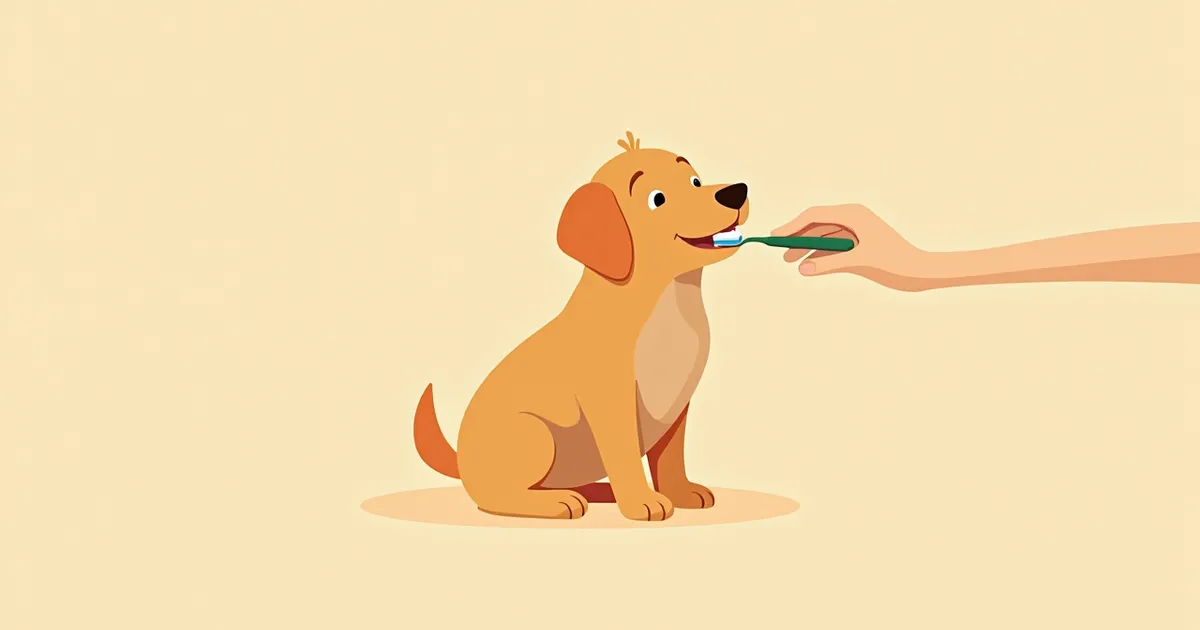
Starting to brush your puppy’s teeth around 3 to 6 months of age helps increase the success rate of training. During this period, deciduous teeth are erupting and teething is active, making it easier for puppies to become accustomed to a toothbrush. Since puppies typically grow their teeth between 3 and 7 months of age, this is an ideal time to help them get used to having their mouths touched, so regular familiarization is important. Begin with short sessions of about 10 seconds, repeating 2 to 3 times a day, and gradually extend the duration in a structured manner. The key is to introduce brushing tools into their mouth while creating positive experiences that respect your puppy’s reactions. If your puppy becomes tense or moves away, stop immediately and approach more gently when trying again. Early habit formation and gradual desensitization are essential for successful training.
A puppy starting to brush its teeth

What tools should you choose for brushing your dog's teeth?

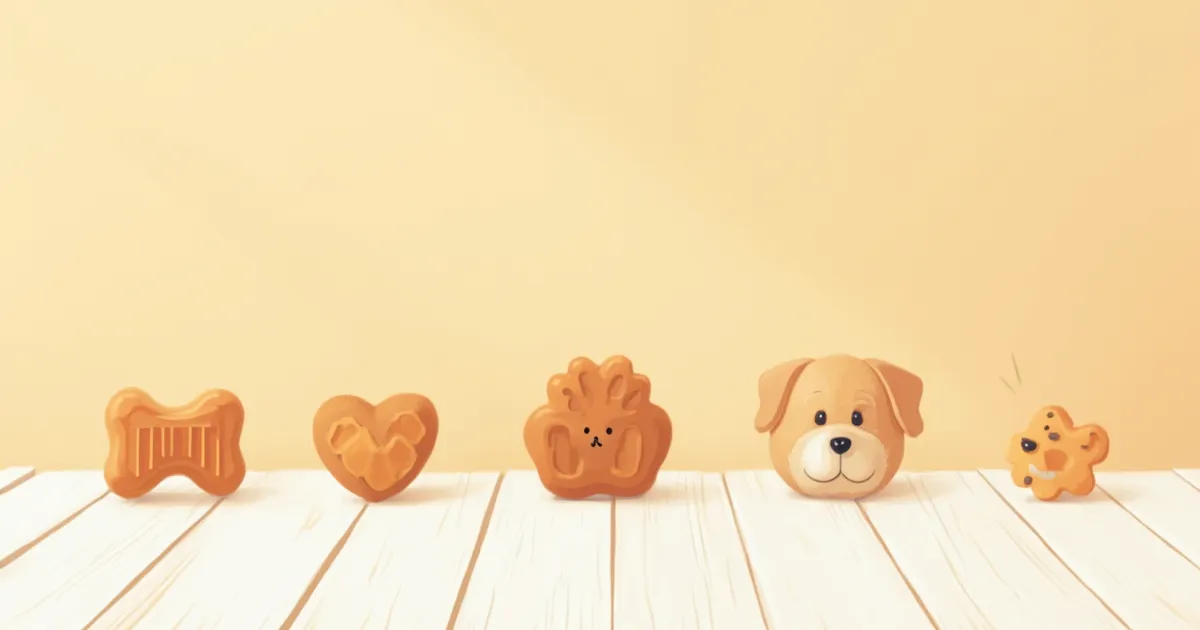
When brushing your dog’s teeth, choose a soft-bristled brush and toothpaste specifically formulated for dogs. - Choosing a brush: A small-sized brush fits comfortably inside the mouth and avoids irritating the gums. Finger brushes or small-headed brushes are ideal for beginners. - Choosing toothpaste: Always use toothpaste made specifically for dogs instead of human toothpaste. Dog-specific toothpastes are safe to swallow and come in appealing flavors that encourage positive responses. - Personalized tools: It’s important to select tools that suit your dog’s mouth size and tooth arrangement. - Replacement schedule: Replace the brush every 2–3 months to maintain hygiene. - Foundation for habit formation: Using the right tools makes brushing much easier and increases your dog’s cooperation.
Dog toothbrushes and toothpaste products

Common mistakes in dog tooth brushing training

The most common mistake in training dogs to accept toothbrushing is forcing the process. This can cause anxiety and fear, making long-term training more difficult. - Too frequent: Brushing multiple times a day or for too long can lead to stress buildup. - Ignoring reactions: If your dog pulls away or steps back, ignoring these signals can damage trust. - Insufficient rewards: Without treats or praise after brushing, your dog won’t associate the experience with something positive. - Unstable environment: A noisy or distracting setting with other animals can make it hard for your dog to focus. - Gradual approach is essential: Start with just 10 seconds at first and slowly increase the time — this is key to success.
A puppy receiving a treat after brushing its teeth.

Comparison of dog tooth brushing tools: Finger brush vs. Small brush vs. Electric toothbrush

ItemAdvantagesDisadvantagesRecommended Timing
Finger brushCan clean while feeling sensation directly with the finger, softThe dog may bite the finger, limited cleaning range3–6 months of age, the early acclimation period
Small brushCan clean precise locations, available in various sizesThe dog may bite backward, can be difficult because the brush is smallOver 6 months, after training has begun
Electric toothbrushFast cleaning, effective with automatic vibrationLoud noise, the dog may become anxious, high costOver 6 months, dogs that have completed brush training

Choose the tool based on your dog's reaction and age. A soft finger brush is safe at first, and gradual acclimation is important.

What to do if your dog dislikes tooth brushing?

If your dog dislikes brushing, don’t force it, as this can increase anxiety. Instead, let them get used to the brushing tool in their mouth first and create positive experiences with treats. You can also build positive associations by playing before brushing or offering rewards afterward.

Tips for successfully brushing your dog's teeth
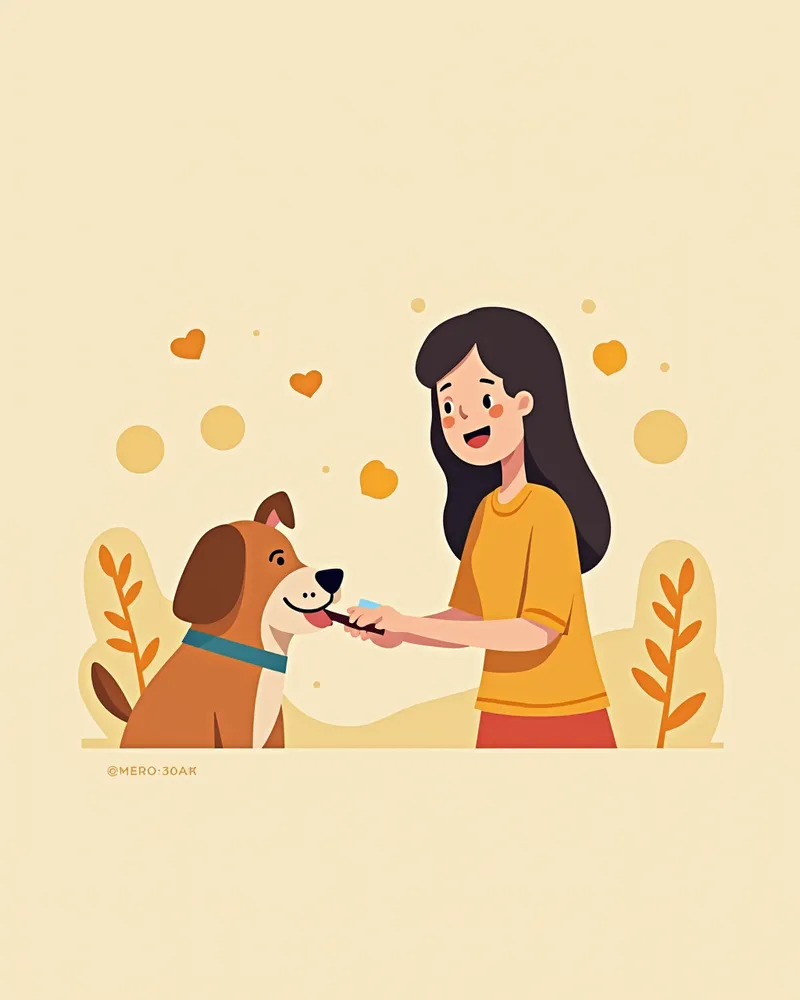
To successfully brush your dog’s teeth, consistency and patience are key. - Same time every day: Brushing at the same time each day helps establish a routine. - Check their state: Start when your dog is relaxed and able to focus. - Positive reinforcement: Offering treats or playtime after brushing creates a positive association. - Gradually increase duration: Begin with just 10 seconds, then slowly build up to 30 seconds or more. - Control the environment: A quiet, calm setting helps your dog stay focused. - Watch for reactions: If your dog becomes tense, stop immediately and try again later with a gentler approach. - Praise and affection: Reward cooperation with praise and affection to strengthen your bond.
Your dog calmly and comfortably accepting tooth brushing

Effects and long-term benefits of dog tooth brushing training
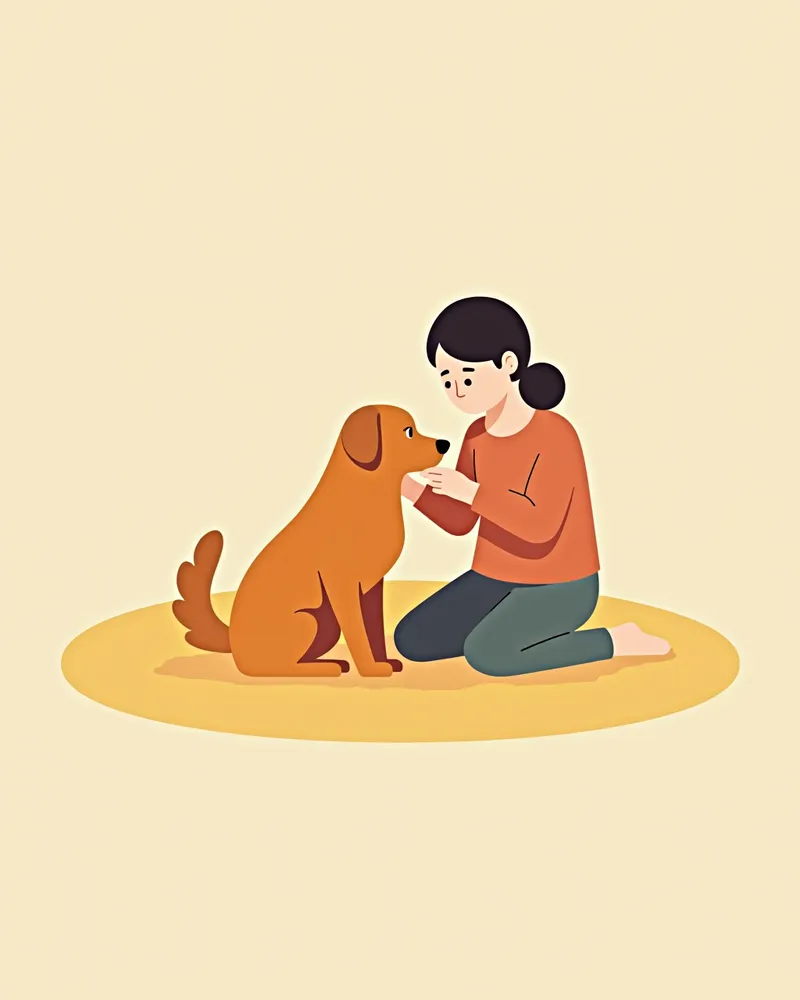
Teaching your dog to accept tooth brushing is more than just building a habit; it lays the foundation for a long, healthy life. - Prevention of tooth loss: Regular brushing significantly reduces the risk of losing teeth. - Reduction of gum disease: It helps prevent gum inflammation and bleeding, thereby reducing pain. - Decrease in oral bacteria: Consistent brushing removes food debris and plaque from the mouth, lowering the number of oral bacteria. Maintaining this oral hygiene routine helps preserve a healthy oral environment. - Early detection of disease: The habit of examining your dog’s mouth during brushing allows you to quickly spot early signs of illness. - Strengthening the bond with your dog: Brushing is not just a care routine; it is a valuable opportunity to build trust and strengthen the bond with you. - Improved quality of life: It reduces bad breath and helps your dog remain comfortable even after meals.
A heartwarming scene of a dog and its owner bonding while brushing the dog’s teeth.

Reviewed by a veterinarian

Dr. Tony — Punnawat Phongkittirak

Dr. Tony — Punnawat Phongkittirak

Veterinarian

A veterinarian who majored in veterinary medicine at Khon Kaen University, Thailand, and completed the IVSA program at North Carolina State University in the United States. Drawing on clinical experience at animal hospitals, he works in the pet healthcare field and is dedicated to building a digital care environment that connects pet parents with veterinarians.

Frequently Asked Questions

How many times a day should you brush your dog’s teeth?
It is recommended to do this at least once a day, and if possible, wiping twice a day—once in the morning and once in the evening—is more effective than just once. The most important thing is to maintain consistency.
What’s the most important thing to keep in mind when starting to brush your dog’s teeth?
Respecting your dog's reactions and creating positive experiences is the most important thing. Never force them to do anything.
What should I do if my dog hates brushing its teeth?
Don’t force it. Instead, let your pet explore the toothbrushing tools in their mouth first, and create positive associations by pairing the experience with treats.
Where can I purchase dog toothbrushing supplies?
You can easily find it at pet-specific pharmacies, online stores, and veterinary clinics. It's a good idea to get recommendations from professionals.
What problems can occur if you don’t brush your dog’s teeth?
This increases the risk of tartar buildup, gum disease (gingivitis), periodontal disease, bad breath, tooth pain, and tooth loss. While these issues may not be obvious in the early stages, they can progressively worsen if left untreated.

Share

Related Guides

References

[1] Logan, E.I. (2006) Dietary influences on periodontal health in dogs and cats. Veterinary Clinics of North America. Small Animal Practice 36, 1385–1401.

[2] Kustritz, M.V.R., Slater, M.R., Weedon, G.R. and Bushby, P.A. (2017) Determining optimal age for gonadectomy in the dog: A critical review of the literature to guide decision making. Clinical Theriogenology 9, 167–211.

[3] Hart, B.L., Hart, L.A., Thigpen, A.P. and Willits, N.H. (2014) Long-term health effects of neutering dogs: Comparison of Labrador retrievers with golden retrievers. PLOS ONE 9, e102241.

This information is based on veterinary literature and does not replace diagnosis or treatment. Please consult a veterinarian for specific health concerns.

Metapet Co., Ltd. | CEO: Park Sung-yong | Business Reg. No. 417-88-02562 | Seoul, South Korea | Customer Center

5 FAQs About Teaching Your Dog to Brush Its Teeth | Meongsiljang