Like
Share
멍실장
강아지 턱관절 탈구 자주 묻는 질문 Q&A — 보호자가 꼭 알아야 할 핵심

Dog Temporomandibular Joint Dislocation FAQ — Key Information Pet Owners Must Know

Oral HealthQ&AMeongsiljang Veterinary Advisory Board

Canine temporomandibular joint dislocation is a condition characterized by sudden pain and the inability to properly close the mouth. Here’s a summary of key information pet owners should know.

What Is Temporomandibular Joint Dislocation in Dogs?
Image of a dog's face near the temporomandibular joint dislocation area
Mandibular joint luxation in dogs occurs when the condylar process of the lower jaw dislocates from the articular surface of the temporal bone, preventing the mouth from opening or closing properly. The dislocation most commonly occurs in a rostrodorsal (forward and upward) direction, with sudden trauma accounting for nearly all cases. Typical causes include falls during walks or collisions while playing. According to veterinary textbooks, temporomandibular joint luxation is rare in dogs and uncommon in cats, and when it does occur, it is almost always traumatic. In some cases, the joint dislocates backward, accompanied by a fracture of the retroarticular process. This condition leads to malocclusion, where the upper and lower teeth abnormally interlock, making it difficult to close the mouth properly and causing trouble eating. Because delayed recovery can lead to chronic issues or recurrence, worsening the prognosis, early detection and appropriate veterinary treatment are key to a successful recovery.

What Causes Temporomandibular Joint Dislocation?
Mandibular joint luxation in dogs is most commonly caused by external trauma or sudden injury. Typical causes include falling during walks, colliding with other dogs while playing, or accidents such as traffic incidents. Veterinary textbooks describe mandibular joint luxation as typically resulting from trauma. When the joint dislocates anteriorly and superiorly, the lower jaw is pushed obliquely toward the unaffected side, causing abnormal occlusion between the upper and lower teeth. This type of dislocation is not associated with specific behaviors or psychological responses; physical trauma is the key cause. Although relatively uncommon in dogs according to textbook standards, it can occur in dogs of any size following trauma. To prevent it, minimize situations with high risk of injury, and avoid rough collisions during play or falls from heights.
Anatomy of a dog's temporomandibular joint

What Are the Main Symptoms of Dislocation?
A hallmark sign of temporomandibular joint dislocation in dogs is the inability to close the mouth properly. This condition causes malocclusion, where the upper and lower teeth do not align correctly, and the lower jaw may appear shifted diagonally toward the unaffected side. Because the mouth cannot close fully, dogs often struggle to eat or drink. They may also show signs of discomfort, such as anxiety or excessive attention to the face area. It’s important to note that this symptom can easily be confused with another jaw disorder called open-mouth jaw locking. Since the causes and treatments for these two conditions are entirely different, prompt veterinary evaluation is essential for accurate diagnosis. Early detection plays a crucial role in successful treatment.
Pain symptoms caused by temporomandibular joint dislocation in dogs

When to Seek Immediate Veterinary Care

If your dog is unable to close its mouth properly or is experiencing severe difficulty eating, seek veterinary care immediately. Temporomandibular joint dislocation can be mistaken for other conditions that prevent mouth closure, making an accurate diagnosis essential. If the dislocation persists and becomes chronic or recurs, the prognosis worsens and recovery becomes more difficult. Do not attempt to forcibly realign the jaw at home; instead, keep your dog calm and withhold food until you reach the clinic.

How Is Diagnosis Performed?
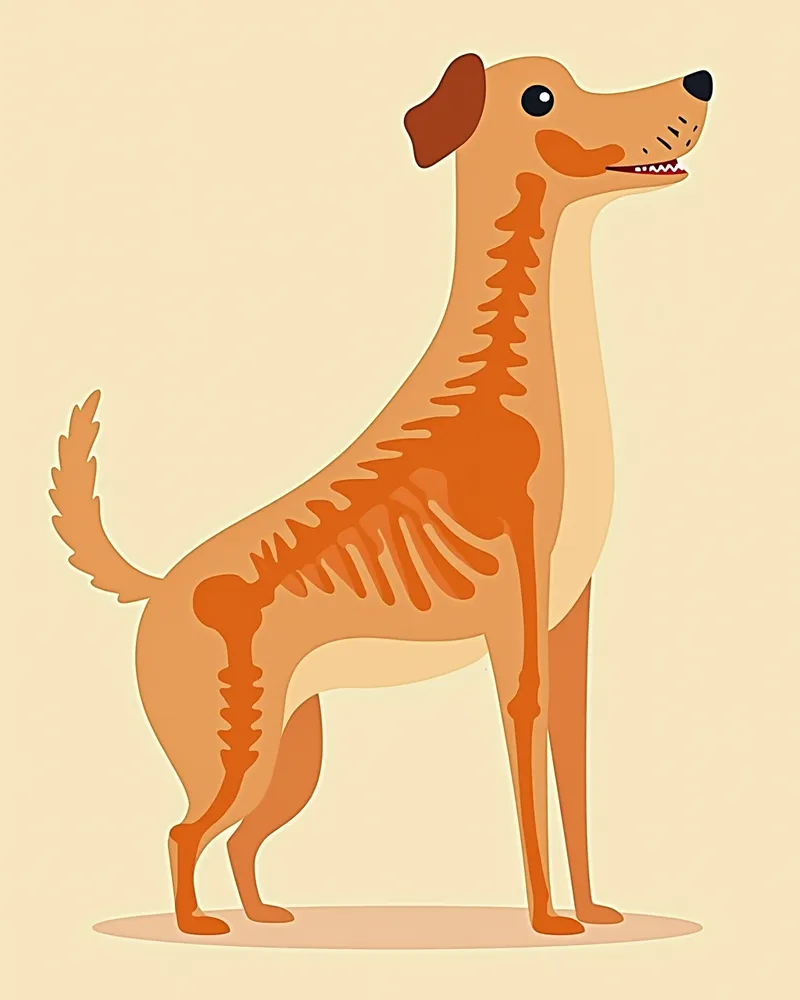
Based on your dog’s symptoms and history of trauma, the veterinarian may suspect a temporomandibular joint dislocation. An X-ray is then taken to assess the position of the jawbone and the extent of the dislocation, with a dorsoventral view (taken from top to bottom) being particularly helpful for diagnosis. If an X-ray alone is insufficient for a thorough evaluation, a CT scan is recommended. It is important to differentiate this condition from other disorders that prevent the mouth from closing, such as open-mouth jaw locking, by reviewing both clinical and imaging findings. Accurately identifying the specific condition is key to developing an effective treatment plan. When visiting the clinic, be sure to clearly describe when and under what circumstances the symptoms began.
X-ray image of a dog’s temporomandibular joint dislocation

What Are the Treatment Options?

Most cases of temporomandibular joint dislocation in dogs are treated with reduction, a procedure that repositions the displaced joint. Textbooks describe a non-surgical reduction technique involving the placement of a wooden stick or similar support between the upper and lower carnassial teeth, followed by closing the mouth to guide the joint back into place. This procedure is typically performed carefully under anesthesia or sedation. After reduction, the dog should be fed soft food for a specified period and kept from opening its mouth wide. However, if the condition has become chronic, recurs frequently, or is accompanied by fractures of the retroarticular process or underlying diseases, the prognosis is poor, and surgical intervention such as condylectomy may be necessary. Regular follow-up examinations are required during the treatment period, and care must be taken to avoid straining the jaw even after recovery.
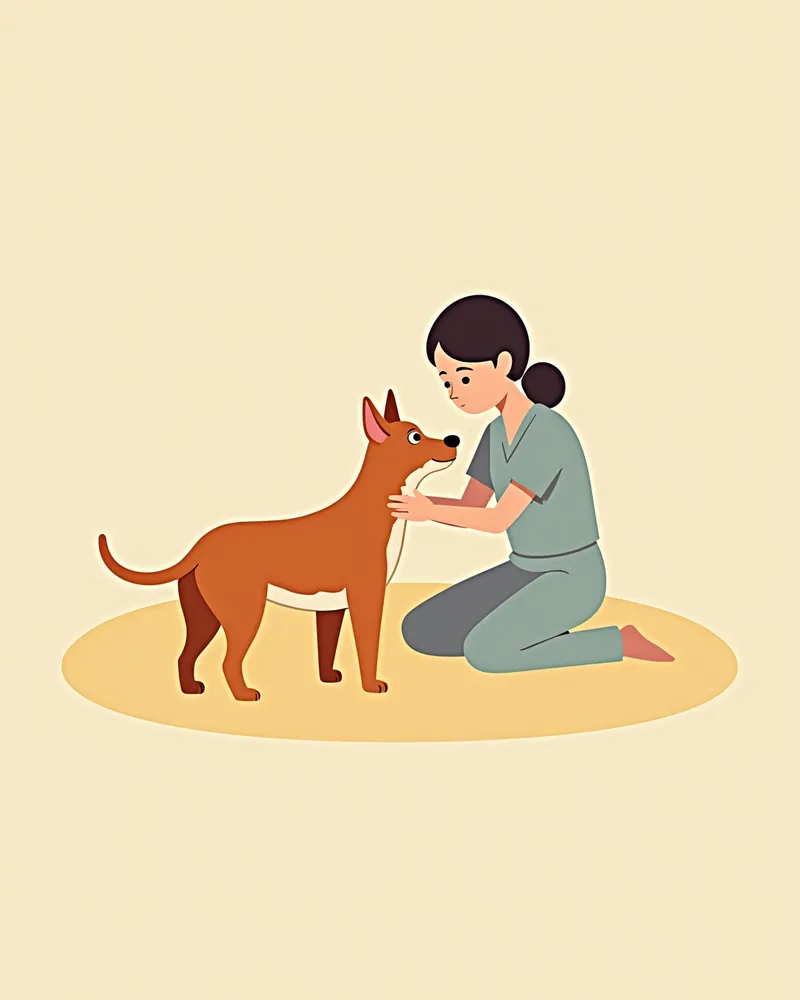
A veterinarian repairing a dog's temporomandibular joint

Home Care Management

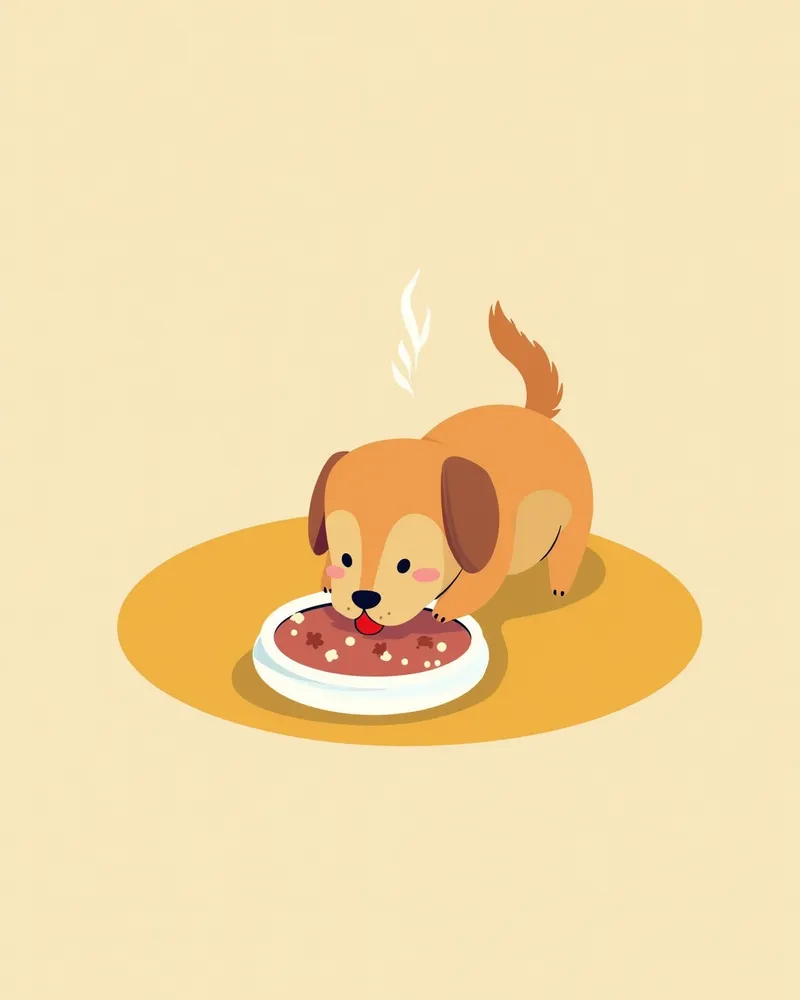
After the procedure, offering soft food is crucial for recovery. Use easily manageable options like minced meat or jelly-based diets, and ensure fresh water is always within easy reach. Adjust playtime to prevent your pet from opening their mouth wide, and take care to avoid any strain on the jaw. During the recovery period prescribed by your veterinarian, avoid toys that require biting down hard or putting direct pressure on the jaw. Minimizing jaw movement during this time will significantly aid healing. Do not attempt to manually adjust the jaw at home; following your veterinarian’s instructions precisely is the safest approach. Attend regular follow-up appointments to monitor progress and check for any signs of recurrence.
A puppy enjoying soft food

Comparison of Responses Based on Severity of Dislocation

ItemMildModerateSevere
SymptomsSlight difficulty closing the mouth, mild malocclusionUnable to fully close the mouth, difficulty eatingSeverely misaligned jaw, pronounced malocclusion
Treatment MethodNon-surgical reduction (using a prop between the molars) followed by observationReduction under anesthesia/sedation, soft food managementConsider surgery such as condylectomy if chronic, recurrent, or accompanied by fracture
PrognosisGood prognosis if properly reduced in acute/simple dislocationRecovery possible if properly reduced and managedPoor prognosis if chronic, recurrent, or accompanied by an underlying condition

The recovery period and treatment method may vary depending on the individual situation. The veterinarian's judgment is important.

Reviewed by a veterinarian

Dr. Tony — Punnawat Phongkittirak

Dr. Tony — Punnawat Phongkittirak

Veterinarian

A veterinarian who majored in veterinary medicine at Khon Kaen University, Thailand, and completed the IVSA program at North Carolina State University in the United States. Drawing on clinical experience at animal hospitals, he works in the pet healthcare field and is dedicated to building a digital care environment that connects pet parents with veterinarians.

Frequently Asked Questions

What should I do if my dog’s jaw is dislocated?
You should go to the vet immediately. Trying to push it back in at home can cause further damage. The vet will safely reduce it using methods like placing a support between the molars while the animal is under anesthesia or sedation.
Can temporomandibular joint dislocation recur?
Recurrence is possible, and the prognosis may be poor with a higher risk of relapse, especially in chronic cases or those complicated by fractures of the articular processes or underlying conditions. It is essential to strictly follow the management plan prescribed by your veterinarian.
Can I feed my pet if it can't close its mouth?
No. Feeding can strain the jaw and make recovery more difficult. Please offer soft food as directed by your veterinarian.
Can small dogs get temporomandibular joint dislocations?
While temporomandibular joint dislocation is considered relatively rare in dogs according to veterinary textbooks, it can occur in any dog regardless of size following trauma. Since the risk increases with exposure to injury, it’s important to be cautious of accidents during walks and playtime.
Can the jaw dislocate again after it has been reset?
Yes, it can recur if care is inadequate or if the area is exposed to trauma again. Be sure to follow the management period prescribed by your veterinarian and avoid opening the mouth wide.

Share

Related Guides

References

[1] Evans, H.E. (1993). The respiratory system. In Miller’s Anatomy of the Dog, 3rd edition, pp. 463–493.

[2] Withrow, S.J. & Holmberg, D. (1983). Mandibular osteotomy and reconstruction in dogs. Veterinary Surgery, 12(3), 145–152.

[3] Salisbury, J.L. & Lantz, J. (1988). Postoperative complications following mandibulectomy in dogs. Journal of the American Veterinary Medical Association, 193(5), 612–616.

This information is based on veterinary literature and does not replace diagnosis or treatment. Please consult a veterinarian for specific health concerns.

Metapet Co., Ltd. | CEO: Park Sung-yong | Business Reg. No. 417-88-02562 | Seoul, South Korea | Customer Center

Dog Temporomandibular Joint Dislocation: Owner FAQ | Meongsiljang