

Canine Oral Ulcers FAQ — Key Information Pet Owners Must Know
Canine oral ulcers can be a serious issue, causing pain and decreased appetite. Here’s a summary of key questions and management strategies that pet owners should know.
What Are Canine Oral Ulcers?

What Are the Main Causes of Oral Ulcers?

What Are the Main Symptoms of Oral Ulcers?

Signs That Require Immediate Veterinary Care
If your dog refuses to eat or drink, won’t open its mouth, or is drooling excessively, seek veterinary care immediately. Severe pain or rapid weight loss are also emergency signs.
How Are Oral Ulcers Diagnosed?
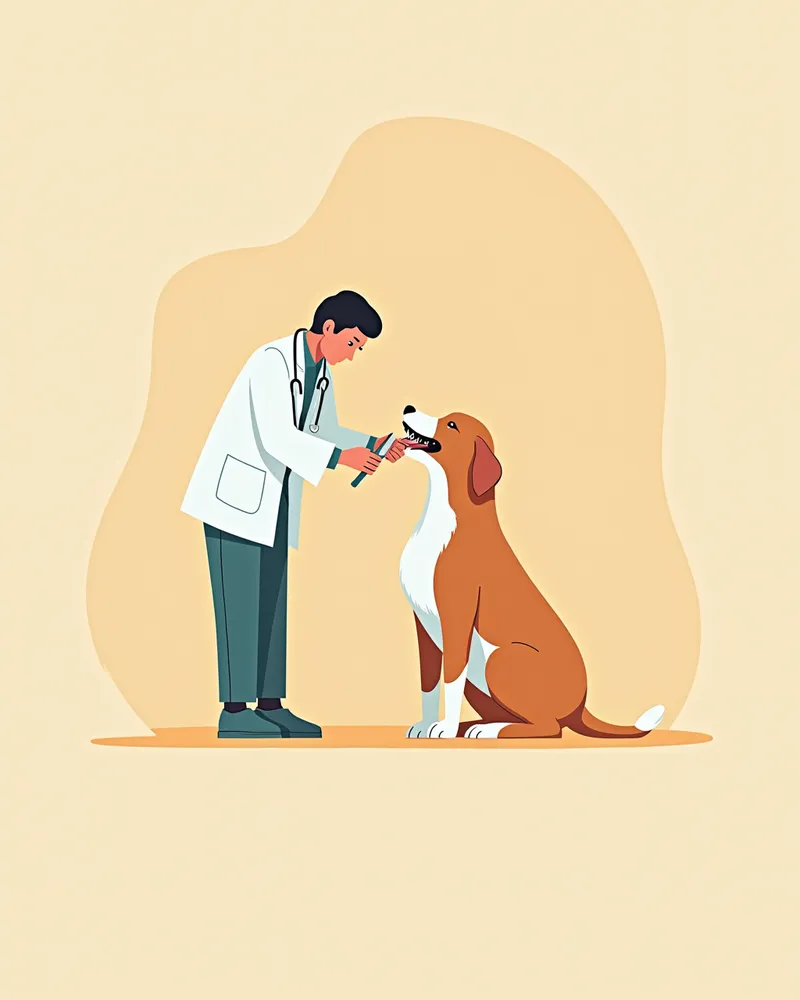
What Are the Treatment Options?
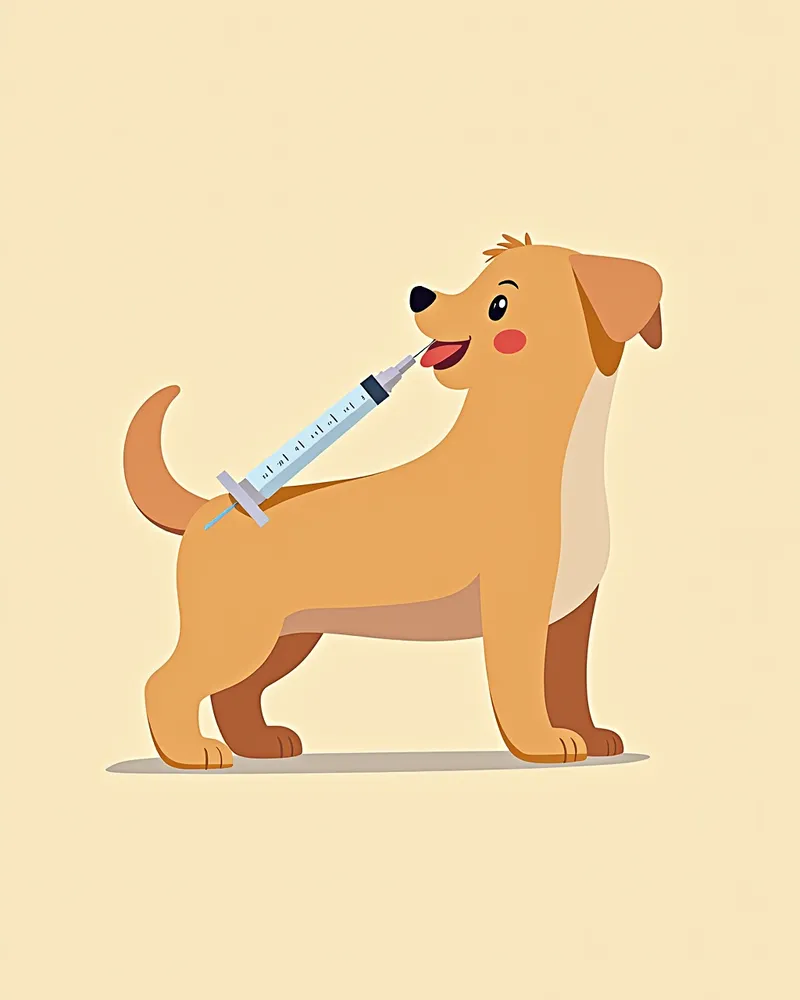
Home Care Management

Characteristics and Management by Type of Oral Ulcer
| Item | Cause | Main Symptoms | Management |
|---|---|---|---|
| Chronic ulcerative stomatitis | Immune system disorder (e.g., CCUS/CUPS) | Oral pain, excessive drooling, decreased appetite, reluctance to open the mouth | Immunosuppressants, antibiotics, oral rinses, surgical treatment including tooth extraction |
| Infectious ulcers | Bacterial or viral infection | Red spots, white spots, warmth, excessive drooling | Antibiotics, antivirals, bacterial culture and treatment based on the cause of infection |
| Traumatic ulcers | Trauma such as striking a tooth, hard treats, or bone fragments | Bleeding wounds, refusal to open the mouth, reaction when the mouth is touched | Disinfection, pain relief, surgical trauma assessment and recovery management |
An accurate diagnosis is essential because each type requires its own appropriate treatment.
Reviewed by a veterinarian

Dr. Tony — Punnawat Phongkittirak
VeterinarianA veterinarian who majored in veterinary medicine at Khon Kaen University, Thailand, and completed the IVSA program at North Carolina State University in the United States. Drawing on clinical experience at animal hospitals, he works in the pet healthcare field and is dedicated to building a digital care environment that connects pet parents with veterinarians.
Reviewed 2026-06-29
Frequently Asked Questions
Can oral ulcers in dogs be treated?
Can oral ulcers be transmitted to humans?
What kind of food should I give my pet if they develop oral ulcers?
Can oral ulcers recur?
Do oral ulcers occur more frequently in certain breeds?
Share
Related Guides

7 Best Cat Dental Chews for Tartar Prevention Recommended by Veterinarians and Selection Criteria

Top 5 Recommended Dental Treats for Dogs in 2026 — VOHC Certification Criteria

7 Criteria for Choosing Dog Tartar Prevention Dental Chews Recommended by Veterinarians

What is Patent Ductus Arteriosus (PDA) in Puppies? — Treatment and Surgical Timing

Dog Mitral Valve Disease (MVD) FAQ — Key Information Every Pet Owner Should Know
Frequently Asked Questions About Hypertensive Heart Disease in Dogs — Key Information Every Pet Owner Should Know

What are the stages of canine heart failure (ACVIM classification)? — At which stage is treatment necessary?
A Complete Guide to Dog ECG Tests: When to Get One and What It Reveals
Should Your Dog Have a Cardiac Ultrasound (Echocardiogram)? — Procedure and Result Interpretation

What is Canine Heart Surgery (Valve Repair and PDA Ligation)? — From Indications to Recovery
References
[1] Saito T., Chambers J.K., Nakashima K. et al. (2018) Histopathologic features of colorectal adenoma and adenocarcinoma developing within inflammatory polyps in Miniature Dachshunds. Vet Pathol 55(5):654–662.
[2] Taillieu E., Chiers K., Amorim I. et al. (2022) Gastric Helicobacter species associated with dogs, cats and pigs: Significance for public and animal health. Vet Res 53(1):42.
[3] Cochran L., Hill S., Lotti U. et al. (2021) Clinical characteristics and long-term outcome of E. coli-associated diseases in dogs. J Vet Intern Med 35(2):501–510.