Like
Share
멍실장
강아지 발치 후 관리 자주 묻는 질문 Q&A — 보호자가 꼭 알아야 할 핵심

Dog Tooth Extraction Aftercare FAQ — Key Points Pet Owners Must Know

Oral HealthQ&AMeongsiljang Veterinary Advisory Board

Proper care after your dog’s tooth extraction is essential for preventing infection and promoting healing. Here’s a summary of the key care instructions and precautions that pet owners should know.

Aftercare for Dog Tooth Extraction Is Key to Recovery
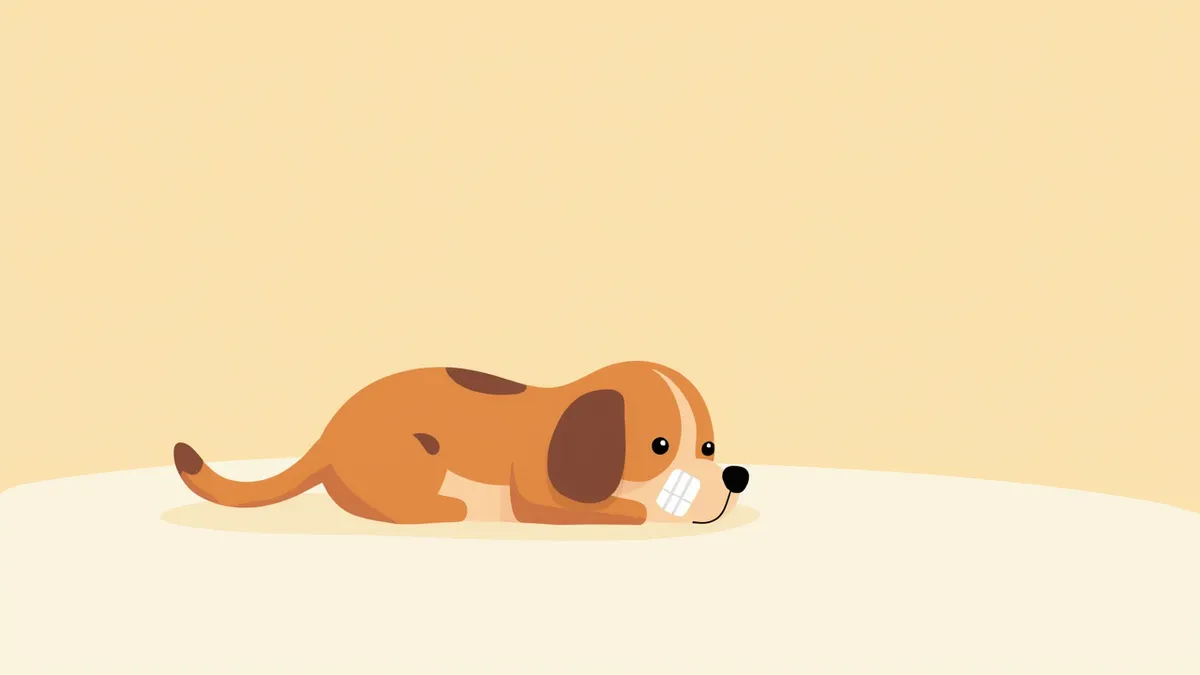
A dog resting after tooth extraction, lying comfortably on a soft bed.
Caring for your dog after a tooth extraction is essential to prevent infection and manage pain. Following surgery, you should determine when your dog can start eating based on your veterinarian’s instructions, as this will vary depending on their recovery progress and overall health. It’s best to gradually transition to warm water and soft food, and once your dog is able to eat, it’s recommended to offer small, frequent meals. - Food choices: Soups with broth, minced meat, and gelatin-based pet foods are suitable. Be sure to choose options that won’t irritate the mouth. - Feeding method: Using a straw or spoon can help minimize contact with the surgical site. - Hygiene: Discard any uneaten food after 30 minutes and replace it with fresh food. - Activity management: Limit physical activity during the recovery period and ensure your dog gets plenty of rest. - Medication: Administer medications exactly as prescribed by your veterinarian, including the correct dosage and timing. Be especially careful with pain relievers, particularly nonsteroidal anti-inflammatory drugs (NSAIDs), as exceeding the recommended dose can lead to side effects such as kidney damage. Always follow the prescribed regimen.

Core Principles of the Post-Extraction Recovery Process

After a tooth extraction, the wound site is prone to inflammation, so meticulous hygiene is essential. Bleeding from the surgical site should stop by the end of the procedure, though minor bleeding may occur temporarily during healing. Swelling and pain will vary depending on each pet’s recovery pace, and the antibiotics prescribed by your veterinarian play a crucial role in preventing infection. Effective pain management also supports faster healing, so please be mindful to limit excessive activity, which can strain the wound.
On the first day after the extraction, the wound area is clean with minimal swelling.

5 Warning Signs to Watch for After Tooth Extraction

Persistent bleeding: If bleeding doesn’t stop after 24 hours or continues to ooze, it may indicate a problem.
Fever and systemic symptoms: A noticeable increase in body temperature along with lethargy could suggest an infection.
Loss of appetite: Not eating for several days or refusing to drink water may be a concern.
Worsening breath odor: A foul smell coming from the wound area could be a sign of bacterial infection.
Swelling around the mouth: Some swelling of the face or jaw after tooth extraction is common and usually subsides within a few weeks, but if the swelling worsens or persists, veterinary evaluation is recommended.
Swelling in the jaw area of a puppy after tooth extraction

Situations Requiring Immediate Veterinary Visit

If bleeding doesn’t stop, a high fever persists, or your pet shows no appetite at all, please visit the vet immediately. These could be signs of infection or complications, so a veterinary examination is essential.

How to Feed Food and Water After Tooth Extraction
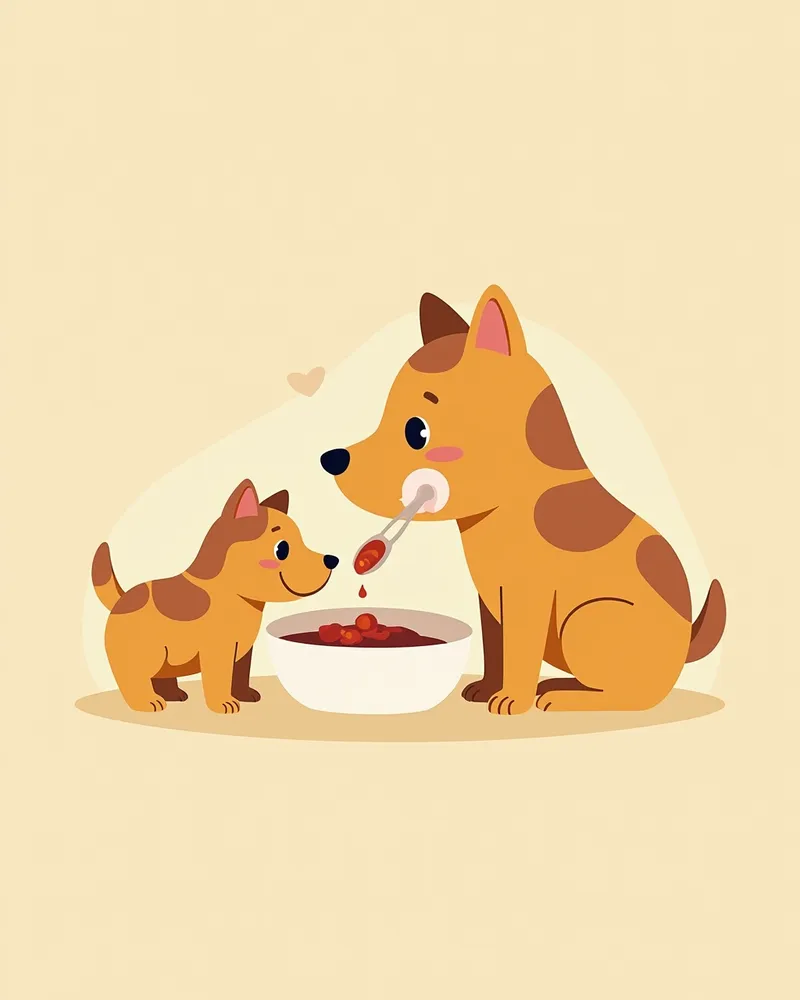
The timing for reintroducing food and water after tooth extraction depends on your dog’s level of anesthesia recovery and overall condition, so please follow your veterinarian’s specific instructions. Rather than keeping your dog fasting for too long after surgery, it is helpful for recovery to gradually offer small amounts of warm water and soft food once their condition has stabilized. - Food Selection: Soups with broth, minced meat, and jelly-type pet food are suitable options. Be careful to choose foods that do not irritate the mouth. - Feeding Method: Using a straw or spoon to feed directly can help minimize contact with the surgical site in the mouth. - Hygiene Management: Discard any uneaten food after 30 minutes and replace it with fresh portions. - Feeding Frequency: It is best to divide meals into 3–4 small servings per day. - Observation Points: Consult your veterinarian if your dog has difficulty eating or if there is an unpleasant odor coming from the mouth. - Activity Management: Ensure your dog maintains a comfortable posture while eating.
Feeding soft food to a puppy with a spoon

Pain Management and Medication Administration Guide
Pain medications prescribed by your veterinarian should be given at the correct dose and on schedule. In particular, nonsteroidal anti-inflammatory drugs (NSAIDs) can cause side effects such as kidney damage if the recommended dose is exceeded. - Timing of administration: It is best to give the medication with food, and it is safe to offer food within one hour after dosing. - Monitoring for side effects: Drowsiness, vomiting, and decreased appetite may indicate side effects. Contact your veterinarian immediately if you notice these signs. - Storage: Keep the medication out of reach of children and pets. - Administration log: Recording the daily time of administration and your pet’s condition will be helpful for future veterinary visits. - Medication details: Always verify the name and dosage of the medication being administered. Do not change or stop the medication without your veterinarian’s guidance.
The puppy takes the medicine, and it goes into its mouth.

Step-by-Step Checklist for Post-Extraction Care

ItemMain Care ItemsPrecautions
Day 1Provide food and water according to the veterinarian's instructions, check for bleeding, monitor painMaintain oral hygiene, do not provide any food other than what the veterinarian instructs
Days 2–3Start soft food, provide water frequently, transition slowlyAdhere to medication, monitor for swelling and bleeding
Days 4–7Assess whether a gradual transition to solid food is possibleMonitor for bad breath, appetite changes, and decreased activity
After 1 weekRegular oral inspection and recovery assessmentDecide on additional visits after consulting the veterinarian

Observe your dog's condition at each stage, and notify your veterinarian immediately of any abnormal signs.

Caution: Complications from Improper Care

Switching to solid food too quickly or allowing activity despite bleeding can cause wounds to reopen or become infected. Additionally, skipping doses or overdosing on medications can lead to side effects, so it’s essential to follow the prescribed instructions carefully.

Reviewed by a veterinarian

Dr. Tony — Punnawat Phongkittirak

Dr. Tony — Punnawat Phongkittirak

Veterinarian

A veterinarian who majored in veterinary medicine at Khon Kaen University, Thailand, and completed the IVSA program at North Carolina State University in the United States. Drawing on clinical experience at animal hospitals, he works in the pet healthcare field and is dedicated to building a digital care environment that connects pet parents with veterinarians.

Frequently Asked Questions

How many days after a tooth extraction should I feed my pet?
The timing for reintroducing food and water after tooth extraction is determined by your veterinarian based on your dog’s anesthesia recovery and overall condition. Rather than keeping your dog fasting for too long, start with small amounts of soft food once their condition stabilizes. Gradually transition to solid food as recovery progresses, and continue offering soft food until their overall condition is stable.
My dog has no appetite after having a tooth extracted. Is this normal?
It’s normal for your pet’s appetite to decrease for one to two days after tooth extraction. However, if they continue to refuse food or water for several days, please consult your veterinarian or visit the clinic immediately.
My pet has bad breath after a tooth extraction. Is it an infection?
A slight odor may be normal, but if the smell persists or becomes particularly foul, it could indicate an infection at the wound site, so it’s important to have your veterinarian examine it.
My pet vomited after taking the medication. What should I do?
If your pet vomits repeatedly after taking medication, contact your veterinarian right away. The dosage may need to be adjusted, or an alternative medication might be necessary.
Do I need to visit the vet one week after the tooth extraction?
The timing of your dog’s follow-up visit may vary depending on their recovery progress and how well the wound is healing. For suture removal or a recovery assessment, it’s safest to return at the time your veterinarian recommends.

Share

Related Guides

References

[1] Plumb's Veterinary Drug Handbook, 9th Edition, 2022

[2] BSAVA Manual of Canine and Feline Dentistry, 2nd Edition, 2019

[3] American Veterinary Dental College (AVDC) Guidelines for Post-Extraction Care in Dogs, 2021

This information is based on veterinary literature and does not replace diagnosis or treatment. Please consult a veterinarian for specific health concerns.

Metapet Co., Ltd. | CEO: Park Sung-yong | Business Reg. No. 417-88-02562 | Seoul, South Korea | Customer Center

5 Essential Questions for Post-Tooth Extraction Care in Dogs | Meongsiljang