Like
Share
멍실장
강아지 강박적 꼬리 쫓기 자주 묻는 질문 Q&A — 보호자가 꼭 알아야 할 핵심

Canine Tail Chasing: Play or Compulsion? — Key Facts for Pet Owners

Brain & CognitionQ&AMeongsiljang Veterinary Advisory Board

Canine compulsive tail chasing is a repetitive, excessive behavior that can signal stress or an underlying medical condition. Here’s a summary of key information every pet owner should know.

Canine Compulsive Tail-Chasing Is a Repetitive Behavior

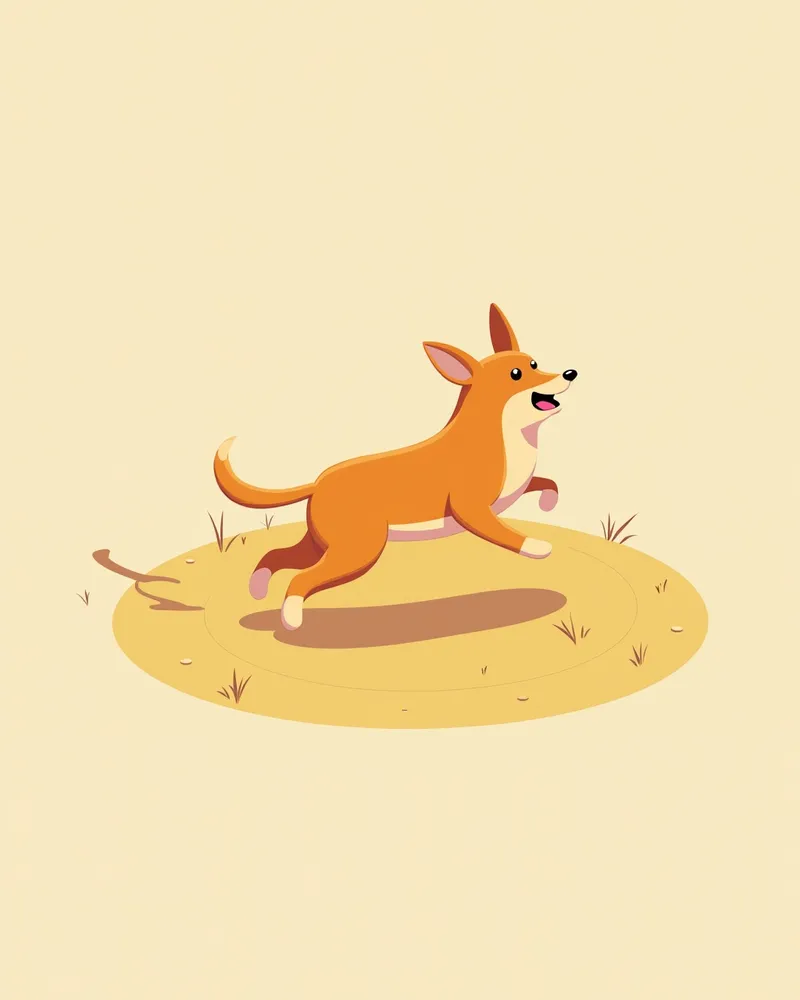
The sight of a puppy intently chasing its tail
Canine compulsive tail-chasing is a behavior that originates from normal actions but manifests inappropriately as repetitive and excessive movements. It is considered a form of obsessive-compulsive disorder (also known as stereotypic behavior disorder) and is often associated with anxiety or distress. Environmental changes or anxiety can serve as triggers, and unlike occasional playful behavior, it is characterized by ritualistic repetition.

Why Do Dogs Chase Their Tails?

Dogs may chase their tails due to a combination of behavioral and physical factors. Behaviorally, stress, boredom, anxiety, and genetic predispositions can contribute, with compulsive tail-chasing being more common in certain breeds. Physically, underlying issues such as anal gland inflammation, neurological problems involving the spinal cord, general inflammation, or pain and injury to the tail itself may be responsible. Therefore, it is important not to dismiss this behavior as merely a behavioral issue, but to also rule out any medical causes.
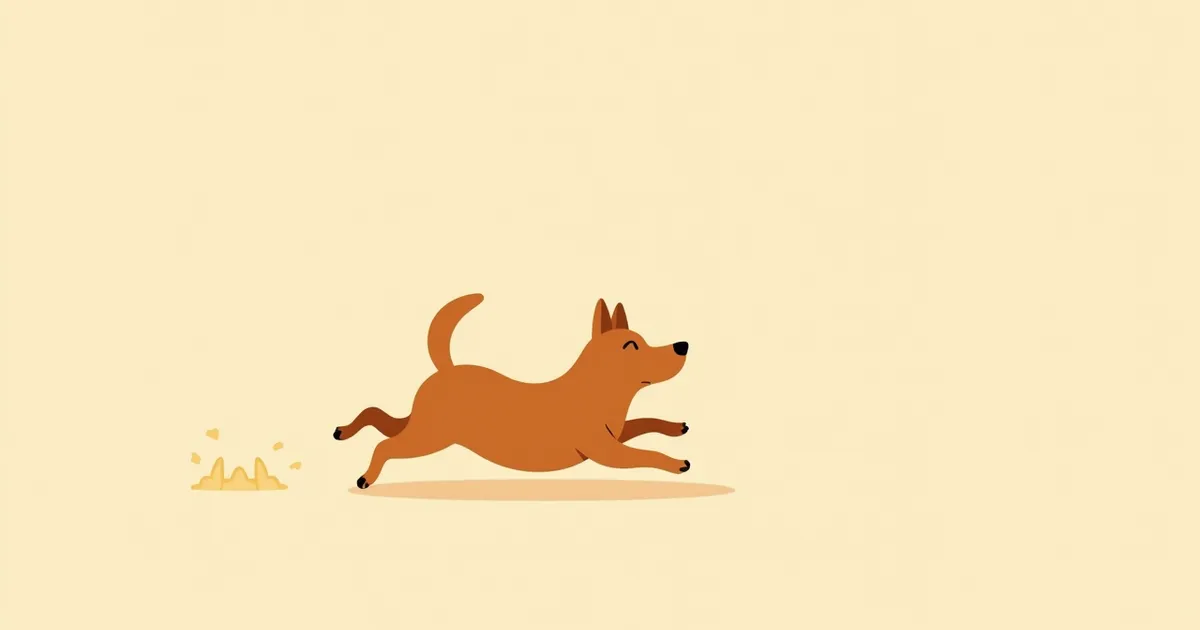
A puppy chasing its tail quickly

Key Characteristics of Canine Compulsive Tail-Chasing
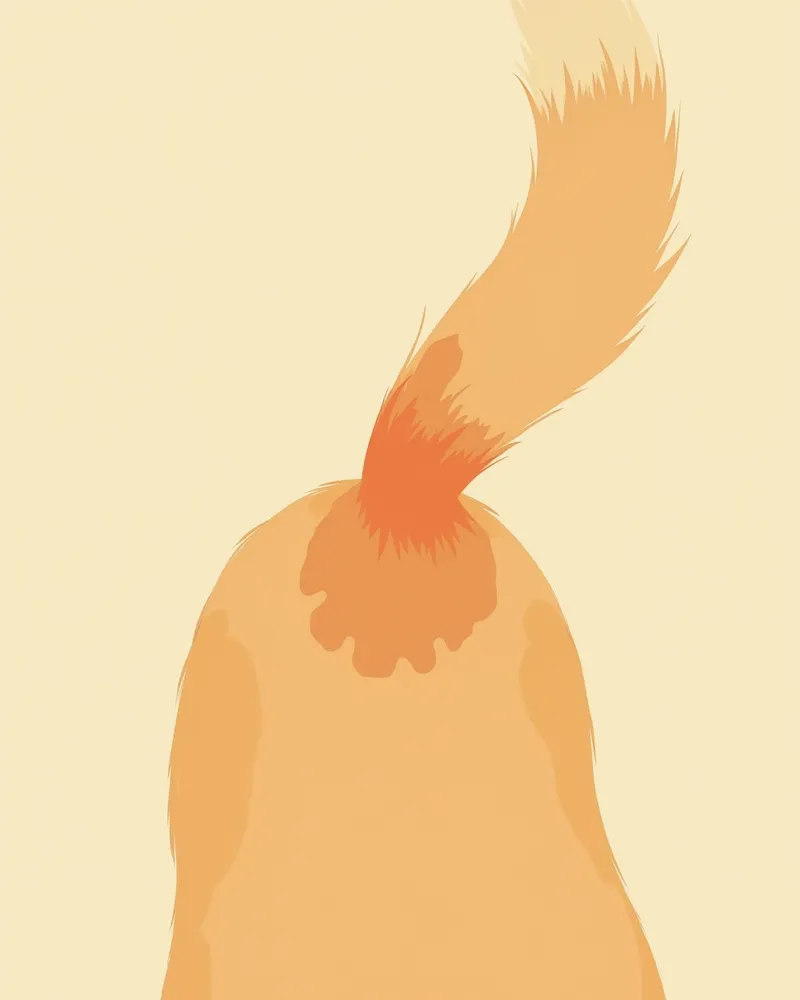
- Repetitiveness: The behavior is repeated dozens of times a day. - Excessiveness: The pet licks or bites its tail with such intensity that the skin becomes damaged. - Irresistibility: The behavior cannot be stopped, even when the owner tries to intervene. - Persistence: The behavior is not temporary but continues over a long period. This is not mere playfulness but a sign of a behavioral disorder.
A puppy’s tail that has become irritated and damaged from excessive licking

Immediate Veterinary Visit Required If Skin Damage Occurs

Repeatedly licking or biting the tail can cause the skin to become raw and lead to infection. If the skin breaks down or bleeds, the risk of infection increases significantly, so you should consult a veterinarian immediately. This is not simply a behavioral issue, but a sign that physical damage has occurred.

How to Manage Canine Compulsive Tail-Chasing

First, it's important to identify the cause. Remove stressors and provide plenty of walks and playtime. Changing the environment or redirecting the behavior through training can also help. It's effective to get a diagnosis from a veterinarian and, if necessary, combine medication or behavioral therapy.
A puppy playing with a puzzle toy.

Training Tips for Canine Compulsive Tail-Chasing

- Redirection techniques: When your pet starts chasing its tail, redirect its attention with a toy or a command. - Reward system: Reward your pet with treats or praise every time it engages in alternative behaviors. - Consistent routine: Maintaining regular feeding, walking, and sleeping schedules helps reduce stress. - Ongoing observation: Keeping track of behavioral changes can help identify the underlying cause.
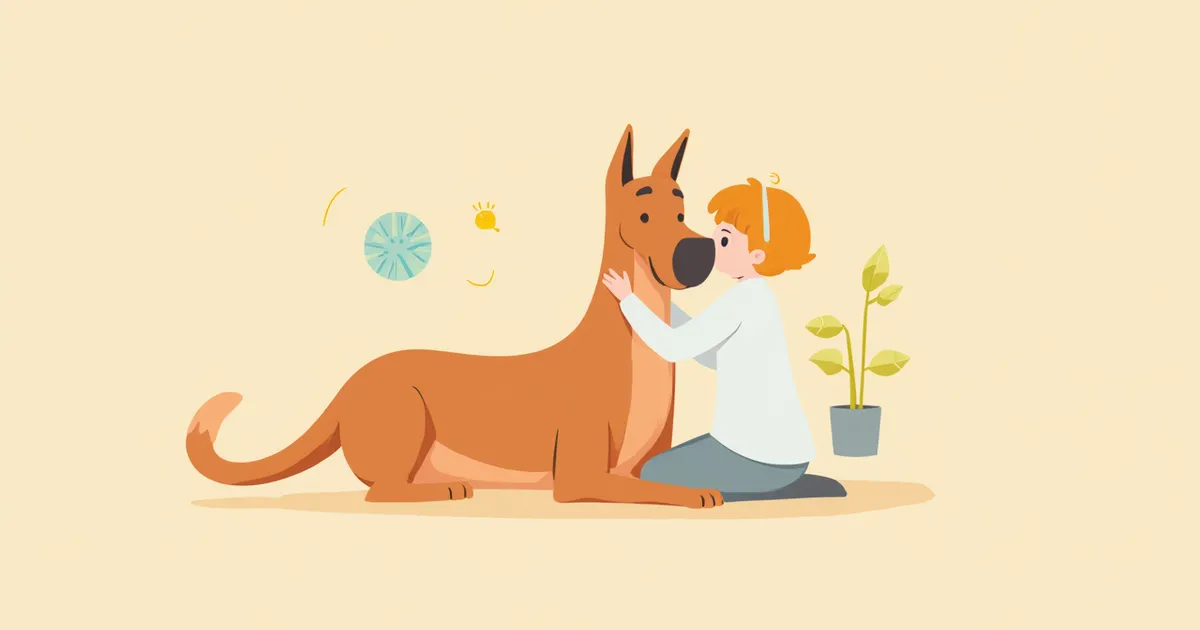
The sight of a puppy quietly sitting and gazing at its owner

Prevention Tips for Canine Compulsive Tail-Chasing

- Adequate exercise: Ensure your pet gets enough physical activity through daily walks and play sessions. - Regular mental stimulation: Periodically introduce new toys, puzzle feeders, or training exercises to keep their mind engaged. - A stable environment: Avoid frequent changes in their surroundings and maintain a consistent daily routine. - Skin health care: Monitor for early signs of skin issues such as parasites or allergies, and consult a veterinarian if an underlying physical cause is suspected.
A puppy comfortably chewing on a toy while lying on its bed.

Reviewed by a veterinarian

Dr. Tony — Punnawat Phongkittirak

Dr. Tony — Punnawat Phongkittirak

Veterinarian

A veterinarian who majored in veterinary medicine at Khon Kaen University, Thailand, and completed the IVSA program at North Carolina State University in the United States. Drawing on clinical experience at animal hospitals, he works in the pet healthcare field and is dedicated to building a digital care environment that connects pet parents with veterinarians.

Frequently Asked Questions

Is it normal for a puppy to chase its tail?
Occasional, brief chasing is normal. However, if the chasing becomes repetitive and excessive, it may indicate compulsive behavior. If the skin is damaged or the behavior doesn’t stop, a vet visit is necessary.
Can obsessive tail-chasing in dogs be treated?
Yes, it is possible. Most cases improve with a combination of behavioral therapy, environmental adjustments, and medication when necessary. However, since compulsive behaviors may not respond to training alone, it is important to work with your veterinarian to develop a tailored treatment plan.
When should I start training my dog to chase its tail?
Start treatment as soon as you notice repetitive behaviors or the beginning of skin damage. The earlier you intervene, the more beneficial it will be. Consistent monitoring, prompt action, and identifying any underlying physical causes are key.
Is there a genetic component to compulsive tail-chasing in dogs?
Yes, tail-chasing and spinning behaviors are more commonly reported in breeds such as Bull Terriers and German Shepherds. Cases of spinning have also been observed in Border Collies. Because there may be a genetic predisposition, it’s important to take preventive measures that consider breed-specific traits.
Should I give my dog medication because it chases its tail?
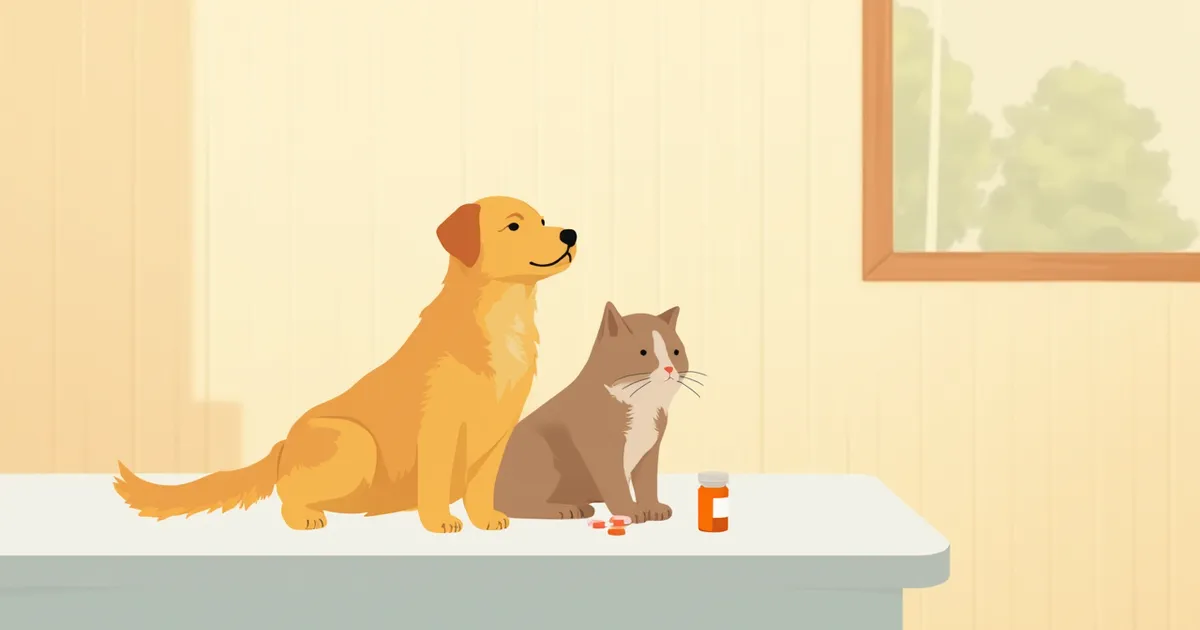
Medications are most effective when used alongside behavioral therapy. Your veterinarian will prescribe the appropriate dosage based on your pet’s weight and overall condition. We do not recommend using medication alone.

Share

Related Guides

References

This information is based on veterinary literature and does not replace diagnosis or treatment. Please consult a veterinarian for specific health concerns.

Metapet Co., Ltd. | CEO: Park Sung-yong | Business Reg. No. 417-88-02562 | Seoul, South Korea | Customer Center

Dog Tail Chasing: Play or Compulsion? Key Facts for Pet Owners | Meongsiljang