Like
Share
멍실장
고양이 백내장 수술(초음파유화술) 자주 묻는 질문 Q&A — 보호자가 꼭 알아야 할 핵심

What is Phacoemulsification? — Cat Cataract Surgery Cost, Recovery, and Success Rate Q&A

Eye HealthQ&AMeongsiljang Veterinary Advisory Board

Cataract surgery in cats is performed safely and effectively using phacoemulsification, with pre- and post-operative care being crucial. Here are the key questions and answers that pet owners should know.

What is cat cataract surgery (phacoemulsification)?
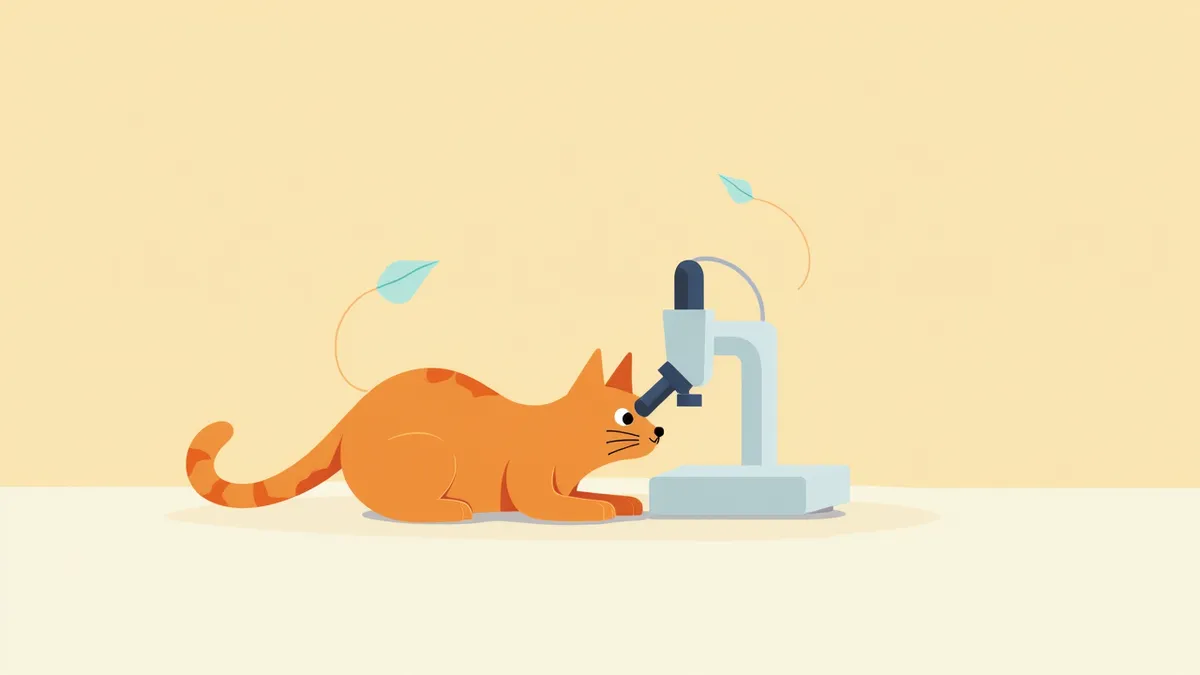
During cataract surgery in cats, a surgical microscope and ultrasound equipment are used.
Cataract surgery in cats is a precise procedure that uses ultrasound to break down and remove the clouded lens. - Phacoemulsification: High-frequency ultrasound is used to fragment the lens into tiny particles, which are then suctioned out of the eye. An artificial intraocular lens is implanted afterward to restore vision. - Pre- and Post-operative Care: General anesthesia is required, making pre-operative assessment and intra-operative monitoring essential. - Surgical Goal: Since cataracts do not resolve on their own with medication, surgery focuses on restoring vision and improving the cat’s quality of life. - Surgical Outcomes: Surgery is possible for mature and hypermature cataracts, but the long-term success rate (approximately 85–90%) is lower compared to immature, softer cataracts. Because complications can occur, evaluation and management by an experienced veterinarian are crucial.

What preparations are needed before surgery?

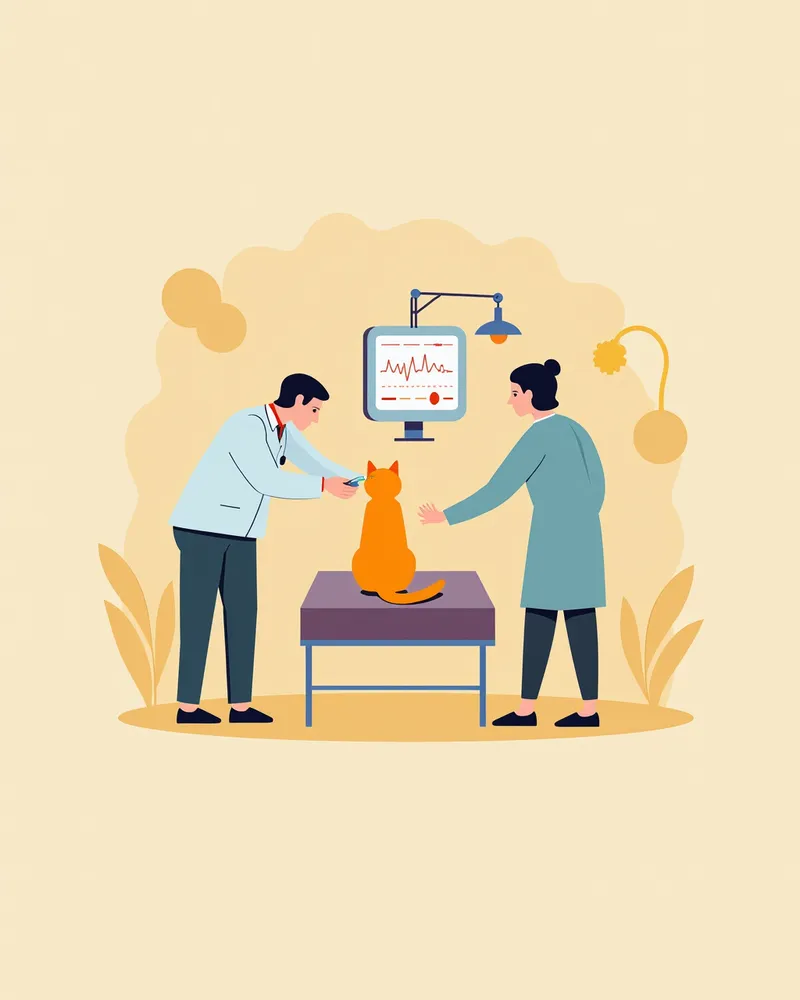
Before surgery, a pre-anesthetic evaluation is essential to ensure the safe administration of general anesthesia by assessing your cat’s overall health. - Pre-anesthetic testing: Basic tests, such as blood work, are performed to evaluate overall health and anesthesia safety. - Systemic health assessment: We confirm that your cat’s overall condition is stable enough to tolerate anesthesia and surgery. If underlying conditions such as diabetes or kidney disease are present, they must be managed and evaluated first. - Anesthesia risk assessment: Anesthesia risk is analyzed in advance based on your cat’s age and any underlying conditions. Older cats require more careful evaluation. - Fasting: Strictly follow the fasting instructions provided by your veterinarian before anesthesia. - Screening for concurrent ocular diseases: If conditions such as uveitis, glaucoma, or lens luxation are present, they can affect the surgical plan and prognosis, so a specialized ophthalmic evaluation is recommended. - Individualized planning: Your veterinarian will create a customized preparation plan tailored to your cat’s specific condition.
A veterinarian performing a blood test and electrocardiogram on a cat before surgery

How long is the recovery period after surgery?

The recovery period and schedule after surgery vary depending on the cat’s condition and the type of surgery performed, so it is important to follow your veterinarian’s guidance. - Eye drop administration: Administer eye drops as prescribed by your veterinarian, and use an Elizabethan collar or similar protective device to prevent the cat from scratching its eyes. - Inflammation management: To prevent uveitis associated with the lens, consistently use prescribed medications such as topical anti-inflammatory drugs without missing any doses. - Follow-up visits: Visit the clinic regularly according to the schedule set by your veterinarian to monitor the recovery progress. - Recovery rate: Vision recovery and the overall recovery period can vary significantly among individual cats, so it is best to rely on your veterinarian’s assessment of progress rather than fixed timelines. - Ongoing care: Your veterinarian will continuously evaluate the recovery status.
A cat wearing a mask to protect its eyes after surgery

What are the main risks of surgery?

The main risks of surgery include complications related to general anesthesia, intraocular damage during the procedure, infection, uveitis, and secondary glaucoma. - Anesthesia risks: It can be difficult to predict anesthesia responses in older cats or those with underlying health conditions. - Intraoperative complications: Damage to internal eye structures may occur during the process of breaking down and aspirating the lens. - Inflammation and glaucoma: Lens-associated inflammation (uveitis) can develop; if left uncontrolled, it may lead to secondary glaucoma, making anti-inflammatory treatment essential. - Infection risk: Although rare, intraocular infections (such as endophthalmitis or septic implant syndrome) can occur after surgery, making strict hygiene management crucial. - Long-term complications and care: Since long-term complications may arise after surgery, success depends on thorough preoperative examinations, intraoperative monitoring, and meticulous care before and after the procedure.
A veterinarian monitoring a cat’s vital signs during surgery

Comparison of pre- and post-operative care

ItemBefore SurgeryImmediate Post-Surgery RecoverySubsequent Management Period
MedicationsAntibiotics, eye dropsEye drops and antibiotics (frequency prescribed by the veterinarian), anti-inflammatory if neededMaintenance eye drops (prescribed by the veterinarian)
Visit Frequency1 pre-evaluationSchedule set by the veterinarianSchedule set by the veterinarian
Protective Collar (Cone) UseNoneRequiredAt the veterinarian's discretion
Activity RestrictionNo restrictionRestrictedGradual return to daily life

The management plan and duration for each stage are adjusted by the veterinarian according to the cat's condition.

What is the approximate cost of surgery?
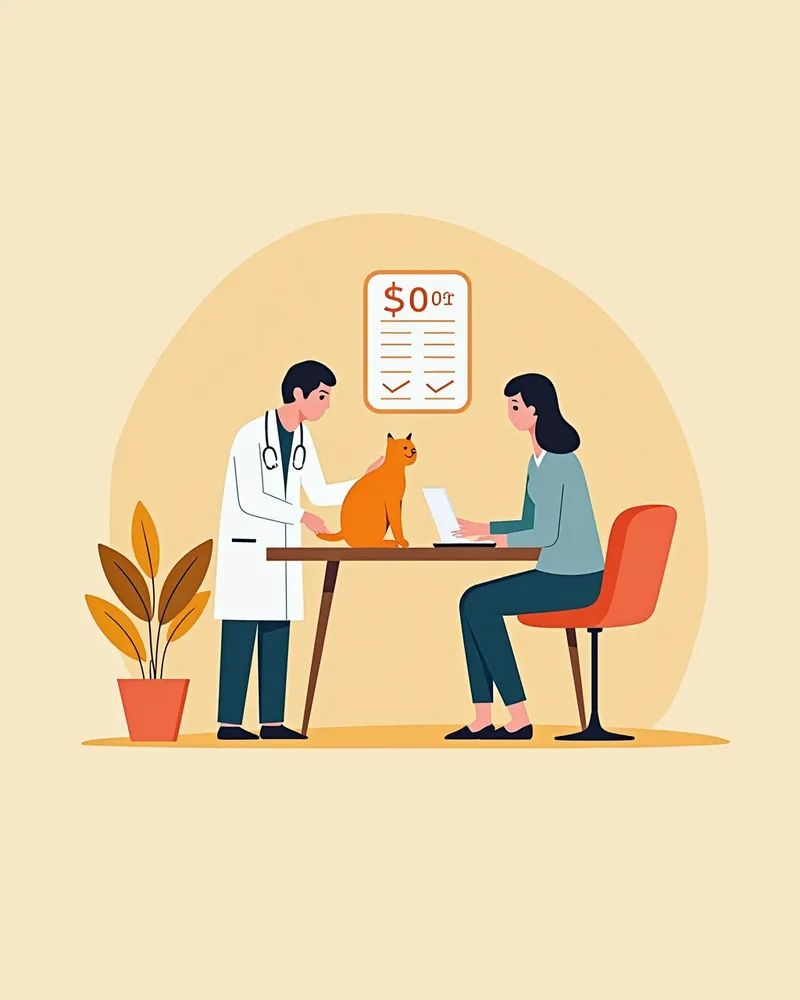
The cost of cataract surgery for cats varies depending on the clinic, location, and complexity of the procedure. - Cost range: Typically between $700 to $2,000. - Included items: Surgery fee, anesthesia fee, medication costs, examination fees, and post-operative care costs are all included. - Payment options: Some clinics offer insurance coverage or installment payment plans. - Cost reduction: It is advisable to consult with your veterinarian to set a budget and compare options. - Additional costs: If complications arise, additional treatment fees may be incurred.
A veterinarian explaining the cost of cat surgery to a pet owner.

Post-operative precautions

Scratching the eyes or making sudden movements after surgery can cause the incision to reopen. Wearing an Elizabethan collar is essential, and if your cat tries to remove it, you should intervene immediately. Additionally, eye drops must be administered at the exact prescribed times; missing a dose increases the risk of infection.

What results can be expected after surgery?

If the surgery is successful, many cats can regain their vision. - Vision Recovery: The intraocular lens helps focus light properly on the retina, which can improve object recognition and obstacle avoidance. - Improved Quality of Life: Daily activities become smoother, and cats often participate more actively in play and environmental adaptation. - Individual Variations: Complete vision recovery may be difficult in cases of mature or hypermature cataracts or other eye conditions (such as uveitis), but quality of life can still improve. - Regular Check-ups: After surgery, the veterinarian will regularly monitor for complications like uveitis or glaucoma. - Long-term Care: Since there is a risk of complications over time, consistent follow-up monitoring is more important than setting a fixed timeframe.
A cat that has regained its vision after surgery safely navigating an obstacle course.

Reviewed by a veterinarian

Dr. Tony — Punnawat Phongkittirak

Dr. Tony — Punnawat Phongkittirak

Veterinarian

A veterinarian who majored in veterinary medicine at Khon Kaen University, Thailand, and completed the IVSA program at North Carolina State University in the United States. Drawing on clinical experience at animal hospitals, he works in the pet healthcare field and is dedicated to building a digital care environment that connects pet parents with veterinarians.

Frequently Asked Questions

Can a cat with cataracts still undergo surgery?
Cats with advanced (mature or hypermature) cataracts can also undergo surgery. However, the long-term success rate is generally lower than for immature cataracts in younger cats, and the cat must be in stable overall health, with the veterinarian determining surgical suitability.
Will vision fully recover after surgery?
In most cases, vision can improve. However, complete recovery may be difficult in older pets or those with other eye conditions, such as uveitis.
Will my pet’s eyes become cloudy again after surgery?
After surgery, the lens capsule may become cloudy again due to posterior capsule opacification. Depending on the severity, additional management or treatment may be necessary, so please consult with your veterinarian.
Should my cat fast before surgery?
Before surgery, it is important to follow the fasting guidelines provided by your veterinarian to ensure anesthesia safety. The duration of fasting and water restriction varies depending on the hospital's instructions, so be sure to confirm the specific details.
How should I care for my pet at home after surgery?
Eye drops, protective eyewear, restricted activity, and regular veterinary check-ups are essential. Please follow your veterinarian's instructions carefully.

Share

Related Guides

References

[1] Fossum TW. Preoperative and intraoperative care of the surgical patient. In: Fossum TW, Duprey LP, O’Connor D, editors. Small animal surgery. 3rd ed. Boston, MA: Elsevier; 2007.

[2] Hosgood G, Scholl DT. Evaluation of age as a risk factor for perianesthetic morbidity and mortality in the dog. J Vet Emerg Crit Care. 1998;8(3):222-36.

[3] Small Animal Anesthesia and Pain Management A Color Handbook, 3rd Edition. Elsevier; 2020.

This information is based on veterinary literature and does not replace diagnosis or treatment. Please consult a veterinarian for specific health concerns.

Metapet Co., Ltd. | CEO: Park Sung-yong | Business Reg. No. 417-88-02562 | Seoul, South Korea | Customer Center

What Is Phacoemulsification? Cat Cataract Surgery Q&A | Meongsiljang