Like
Share
멍실장
고양이 각막 부종 자주 묻는 질문 Q&A — 보호자가 꼭 알아야 할 핵심

If Your Cat’s Eyes Look Cloudy — Causes of Corneal Edema and When to Visit the Vet

Eye HealthQ&AMeongsiljang Veterinary Advisory Board

Feline corneal edema is an urgent ophthalmic condition that can cause vision loss and pain. Here’s a Q&A summary of the key information pet owners should know.

What Is Feline Corneal Edema?
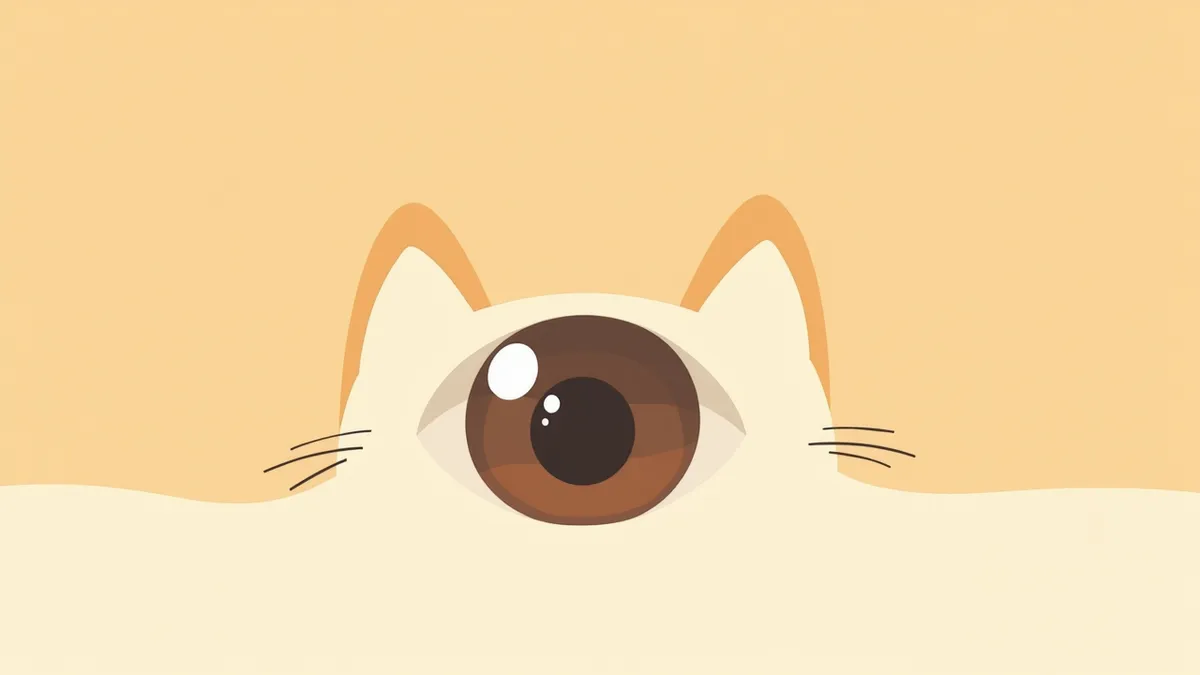
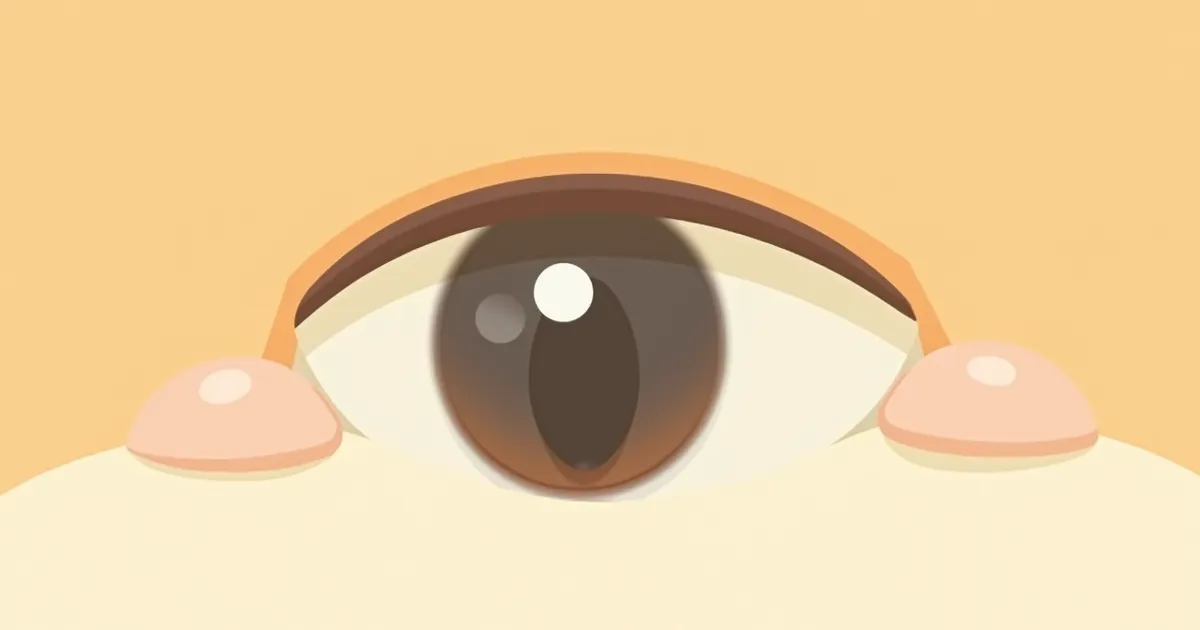
Appearance of corneal edema in a cat’s cloudy eye
Feline corneal edema occurs when the cornea retains excess fluid, causing it to lose transparency and appear cloudy. This condition can lead to vision impairment and severe pain, often resulting in light sensitivity or frequent squinting. - Corneal injury: Scratches or trauma to the eye can disrupt the cornea’s ability to regulate fluid, making edema more likely. - Increased intraocular pressure: Elevated eye pressure can stress the cornea and trigger swelling. - Inflammatory response: Inflammation from infections or autoimmune reactions is also a common cause. If not detected and treated early, it can lead to permanent vision loss, so prompt veterinary care is essential.

Why Do Cats Develop Corneal Edema?

There are many possible causes of corneal edema in cats. - Trauma: Scratches or bite wounds can damage the cornea, making it prone to swelling. - Infection: Viral or bacterial infections that penetrate the cornea can cause inflammation and swelling. - Abnormal intraocular pressure: Elevated intraocular pressure, such as from glaucoma, is also a major cause of corneal edema. - Genetic predisposition: Certain breeds have weaker corneal structures, making them more susceptible to swelling. - Inflammatory diseases: Chronic inflammation from conditions like autoimmune disorders can also be a contributing factor. Early diagnosis and treatment of the underlying cause are key to recovery.
Corneal edema in cats caused by eye injuries

What Are the Main Symptoms of Corneal Edema?

The main symptoms of corneal edema in cats include a cloudy appearance of the eye, light sensitivity, and frequent squinting or rubbing of the eyes. You may also notice increased tearing and redness around the eye area. In severe cases, pain can lead to a loss of appetite or reduced activity.
Cloudy eyes: The cornea loses its transparency, causing blurred vision.
Light sensitivity: The cat may avoid light or squint more often.
Increased tearing: Irritation causes excessive tearing.
Redness around the eyes: Blood vessels dilate due to inflammation.
Pain response: The cat may rub its eyes or face against objects.
A cat with its eyes closed due to pain

When to Visit the Vet Immediately

If your cat keeps its eyes closed, frequently rubs them, or experiences excessive tearing, you should visit a veterinary clinic immediately. These signs may indicate progressing corneal damage or infection, and delayed treatment can lead to vision loss.

How Is Corneal Edema Diagnosed?
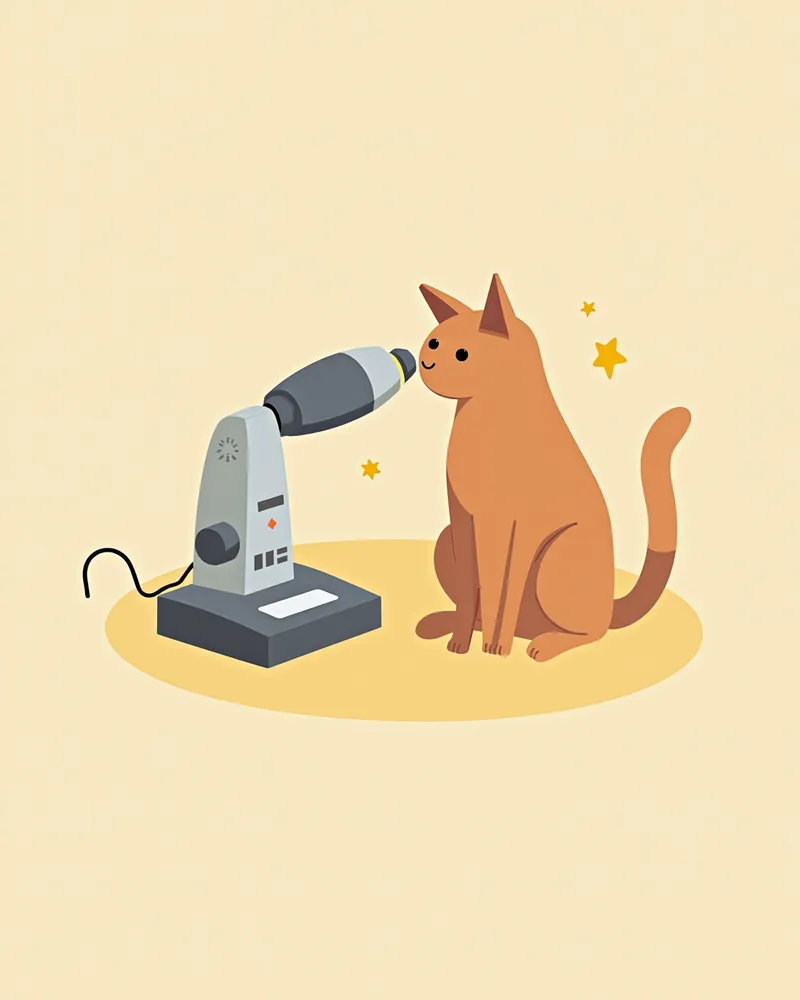
Veterinarians perform several tests to carefully evaluate your cat’s eye condition. - Slit-lamp biomicroscopy: This allows the vet to examine the cornea’s thickness and clarity in detail, checking for swelling and identifying the location of any lesions. - Tonometry: This measures intraocular pressure to determine if it is elevated and to assess for the presence of glaucoma. - Cytology and histopathology: If needed, cells or tissue samples are taken from the corneal surface to accurately identify underlying causes such as eosinophilic keratoconjunctivitis or corneal sequestrum. - Tear testing (Schirmer tear test): This helps evaluate tear production and check for accompanying infection or inflammation. To minimize stress, all examinations are conducted in a quiet, calm environment. Early diagnosis significantly improves treatment success rates.
A veterinarian examining a cat's eye with a slit-lamp microscope

What Are the Treatment Options?

Treatment for corneal edema depends on the underlying cause. - Infectious causes: If the cause is a bacterial infection, antibiotics are prescribed; if it’s a viral infection such as feline herpesvirus (FHV-1), antiviral medications are used alongside other treatments. - Inflammatory response: Steroids may be used to reduce inflammation, but in cats, they must be used cautiously and only under veterinary supervision. When feline herpesvirus is involved or when corneal ulcers are present, steroids can trigger viral recurrence, worsen ulcers, and delay wound healing. - Intraocular pressure management: If intraocular pressure is elevated, medications are prescribed to lower it. - Surgical intervention: In severe cases, corneal transplantation or other corneal surgeries may be considered. - Ongoing care: Regular check-ups are necessary during medication, and vigilance is required to prevent recurrence of the edema. Early, cause-specific treatment significantly improves the chances of recovery.
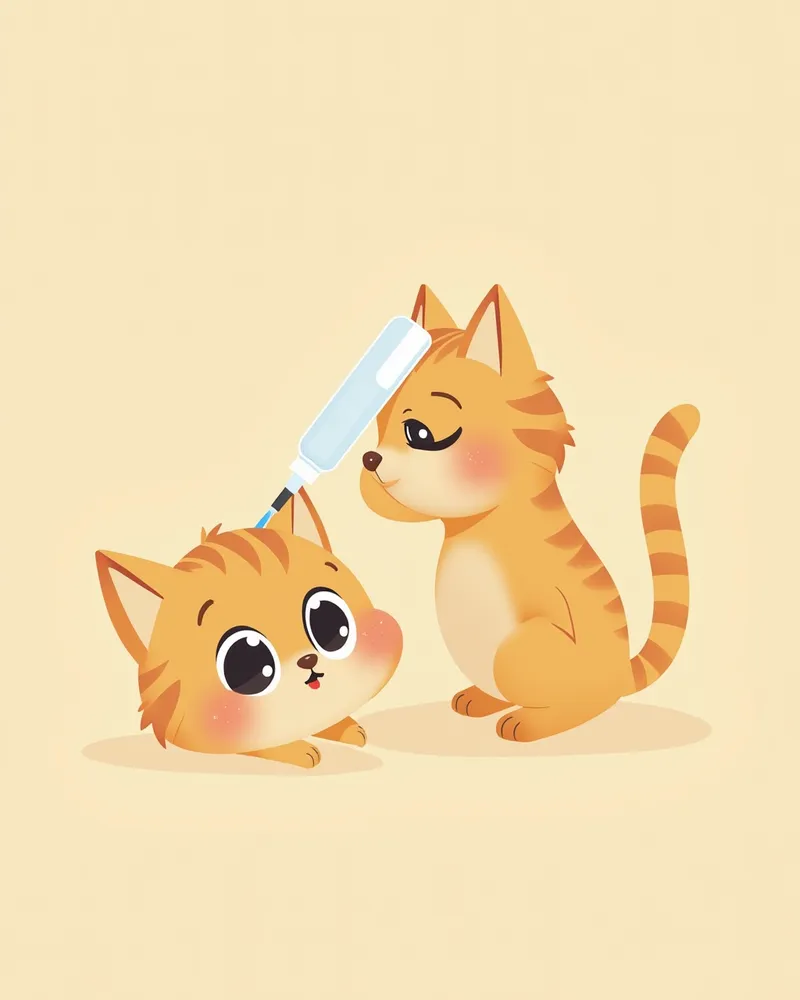
A veterinarian administering eye drops to a cat.

Home Care Tips

Gently clean your cat’s eyes regularly, but avoid rubbing them directly with your hands or a cloth. When administering eye drops, do so slowly in a quiet environment to keep your cat still. If the area around the eyes becomes soiled, gently wipe it with sterile water. It is essential to strictly adhere to the medication schedule during treatment.
Medication Compliance: Administer medication at the prescribed times.
Eye Area Cleaning: Gently wipe with sterile water.
Environment Adjustment: Allow rest in a quiet, dimly lit room.
Stress Reduction: Provide an environment with minimal noise and separation from other animals.
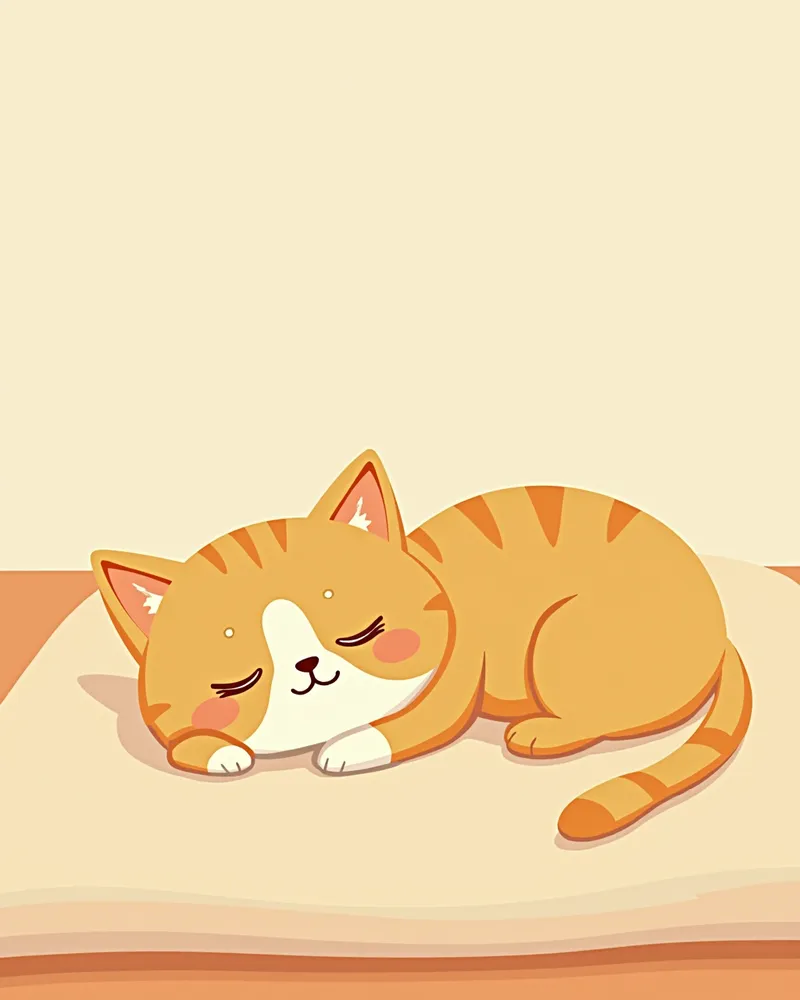
A cat resting in a quiet environment

Comparison of Responses Based on Severity of Corneal Edema

ItemMildModerateSevere
SymptomsEye slightly cloudy, mild aversion to lightExcessive tearing, frequent eye closingKeeps eye closed and doesn't move, painful response
TreatmentMay improve with eye drops and observation aloneRequires cause-specific medication and frequent rechecks (use steroids with caution)Surgery considered, hospitalization needed
PrognosisHigh chance of recovery with early treatmentVaries by treatment response; consistent management is importantPossibility of corneal scarring or vision loss

If symptoms worsen, an immediate visit to the clinic is recommended.

Precautions and Contraindications

When applying eye drops to your cat, make sure that your fingers or cloth do not come into direct contact with the eye. Improper administration can cause eye damage. Additionally, stopping the medication or reducing the dosage increases the risk of recurrence.

Reviewed by a veterinarian

Dr. Tony — Punnawat Phongkittirak

Dr. Tony — Punnawat Phongkittirak

Veterinarian

A veterinarian who majored in veterinary medicine at Khon Kaen University, Thailand, and completed the IVSA program at North Carolina State University in the United States. Drawing on clinical experience at animal hospitals, he works in the pet healthcare field and is dedicated to building a digital care environment that connects pet parents with veterinarians.

Frequently Asked Questions

Can corneal edema in cats recur after treatment?
Yes, if the underlying cause isn’t addressed or proper care isn’t maintained, it can recur. The risk is especially high with repeated infections or injuries.
Can corneal edema lead to permanent vision loss?
With early treatment, most cases can be fully recovered. However, if treatment is delayed, it may result in corneal scarring or permanent vision loss.
How can I learn how to administer eye drops at home?
The veterinarian will demonstrate the procedure in person or provide a video guide. It’s best to start by practicing slowly in a quiet environment to help your cat stay calm and relaxed.
If my cat has corneal edema, should I keep it with other animals?
It is best to minimize contact with other animals. Be especially cautious with active animals, as they may scratch your cat's eyes.
Can corneal edema be prevented?
Yes, you can help prevent eye injuries by protecting your pet’s eyes, avoiding trauma, and scheduling regular veterinary eye exams. It’s especially important to minimize contact with outdoor cats.

Share

Related Guides

References

[1] Clinical Atlas of Canine and Feline Ophthalmic Disease, 2nd Ed. 2020

[2] Feline Emergency and Critical Care Medicine, 2nd Ed. 2018

[3] The Cat, Clinical Medicine and Management, 2nd Edition. 2021

This information is based on veterinary literature and does not replace diagnosis or treatment. Please consult a veterinarian for specific health concerns.

Metapet Co., Ltd. | CEO: Park Sung-yong | Business Reg. No. 417-88-02562 | Seoul, South Korea | Customer Center

Cat's Eyes Look Cloudy? Corneal Edema Causes & Vet Timing | Meongsiljang