Like
Share
멍실장
고양이 백내장 자주 묻는 질문 Q&A — 보호자가 꼭 알아야 할 핵심

If Your Cat’s Pupil Looks Cloudy — Key Q&A on Cataract Causes and When to Treat

Eye HealthQ&AMeongsiljang Veterinary Advisory Board

Feline cataracts are an eye condition that can lead to vision loss, making early detection and management crucial. Here’s a summary of key information every pet owner should know.

What Are Feline Cataracts?

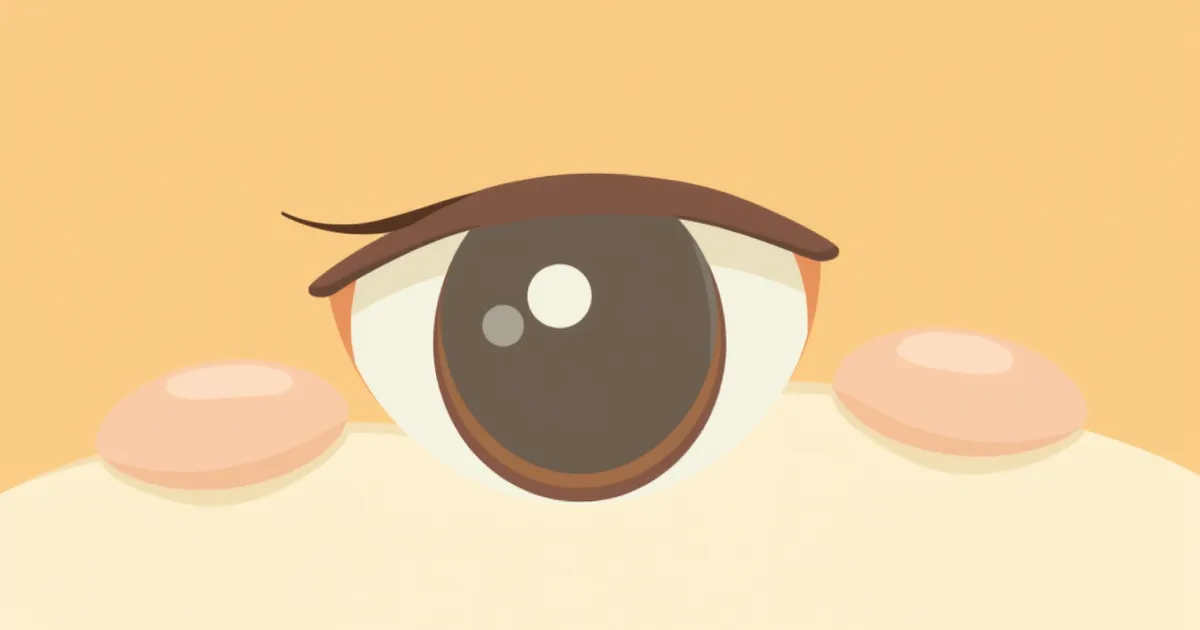
A cat’s eye clouded by cataracts
Feline cataracts are a condition in which the lens of the eye becomes cloudy, leading to a gradual decline in vision. - Vision loss: Cats may struggle with spatial awareness, having difficulty locating toys or food bowls, and may bump into walls or misstep on stairs. - Cloudy eyes: The lens turns white or gray, causing the area behind the pupil to appear hazy. - Poor night vision: Reduced ability to see in low light can make cats move more cautiously and decrease their overall activity levels. - Discomfort in bright light: In bright environments where the pupil constricts, vision may temporarily become even blurrier. - Gradual progression: Cataracts develop slowly and can affect one or both eyes. Early detection and proper management are key to preserving vision.

What Are the Main Causes of Cataracts?

There are various causes of cataracts in cats. - Aging: As cats grow older, the lens gradually becomes clouded, increasing the likelihood of cataract development. - Diabetes: High blood sugar levels can cause sugar to accumulate in the lens, leading to rapid clouding. - Trauma: Direct impact to the eye can damage the lens. - Inflammation: Persistent inflammation within the eye can trigger cataract formation. - Genetic predisposition: Certain breeds, such as Persians and British Shorthairs, are more susceptible to hereditary cataracts. Regular eye examinations are important for early diagnosis.
Causes of cataracts: aging, diabetes, genetic factors

5 Main Symptoms of Cataracts

Feline cataracts cause the eyes to become cloudy, leading to gradual changes in behavior. - Vision loss: Cats may misjudge directions, bump into walls, or struggle to locate objects like toys. - Cloudy eyes: The lens turns white or gray, making the inside of the pupil appear hazy. - Reduced night vision: Poor visibility in dim light makes movements more cautious. - Decreased activity: Play, hunting, and general movement decline. - Gradual progression: Symptoms worsen slowly and can affect one or both eyes. However, if redness, pain, or excessive tearing accompanies the cloudiness, it may indicate an inflammatory condition such as uveitis rather than cataracts, requiring immediate veterinary examination. Early detection is key to preserving vision.
Symptoms of cataracts: decreased vision, fear response, and tearing

When to Seek Immediate Veterinary Care

If your cat suddenly appears to go blind, or if its eyes become swollen, painful, or red and bloodshot, seek veterinary care immediately. These symptoms may indicate serious eye conditions such as uveitis or glaucoma, rather than cataracts, and a blind, painful eye constitutes a medical emergency. Cats with systemic diseases like diabetes are at higher risk of developing cataracts, so regular ophthalmic examinations are essential.

How Is the Diagnosis Made?

The veterinarian will perform an ophthalmic exam after fully dilating the pupil (mydriasis) to inspect the lens and internal eye structures. - Ophthalmic examination: With the pupil dilated, we carefully assess the degree of lens opacity and evaluate the internal structures of the eye. - Blood tests: We check for systemic conditions that can cause cataracts, such as diabetes, to identify the underlying cause. - Ultrasound examination: This is helpful when the lens is completely opaque, obscuring the view of internal structures. - Intraocular pressure measurement: This is necessary to differentiate cataracts from other eye diseases, such as glaucoma, which may occur alongside them. - Comprehensive evaluation: We assess the pet’s overall health status in conjunction with the symptoms. An accurate diagnosis is the foundation for developing an effective treatment plan.
A veterinarian examining a cat's eyes

What Are the Treatment Options?

Cataracts are difficult to cure with medication or reverse in their progression, and surgery is the only way to fundamentally restore vision. - Surgical treatment: The most effective approach involves removing the clouded lens (phacoemulsification) and implanting an artificial lens, which often restores vision after surgery. - Non-surgical management: If intraocular inflammation (uveitis) accompanies cataracts, anti-inflammatory medications (topical or systemic) can help reduce discomfort and manage complications. Since medications alone cannot eliminate cataracts, it is important to consult with your veterinarian to develop a personalized treatment plan and schedule regular check-ups. Early diagnosis and appropriate intervention play a significant role in preserving vision.
A cat recovering from cataract surgery

Home Care Tips

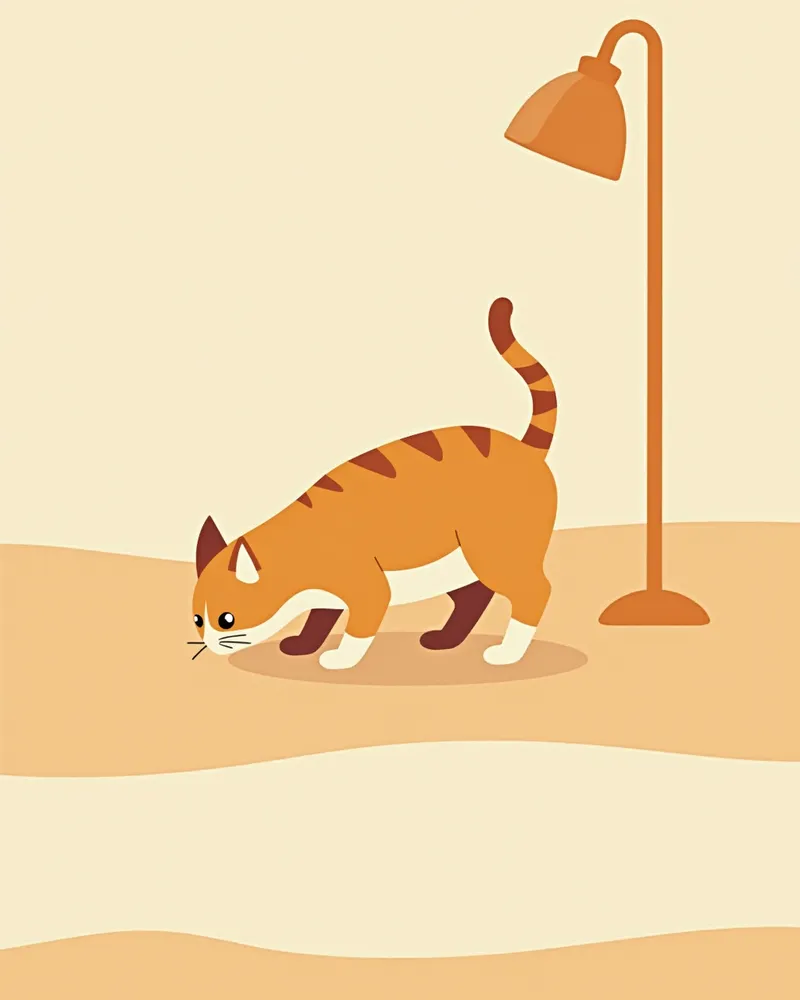
After surgery, it’s important to tidy up your home to keep your cat safe. - Secure furniture in place: Avoid moving furniture and restrict access to stairs or high places. - Ensure adequate lighting: Keep lights on at night and help your cat avoid dark areas. - Keep food, water, and litter box locations consistent: Place food, water, and the litter box in fixed, familiar spots. - Manage medication carefully: Administer post-surgery medications exactly as scheduled. - Schedule regular check-ups: Visit the clinic regularly, such as one week, one month, and three months after surgery. - Monitor behavior closely: If your cat appears disoriented or shows signs of severe fear, seek veterinary care immediately.
Creating a Safe Home Environment After Cataract Surgery

Comparing Cataract Treatments: Surgery vs. Non-Surgical

ItemSurgicalNon-Surgical
EffectivenessHighLow
CostHigh ($700 to $1,000)Low ($40 to $70 per month)
Recovery Period1–2 weeksOngoing management required
Suitable ForWhen vision recovery is desiredCats with high surgical risk

Surgery is the most effective for vision recovery, but whether it is possible depends on the cat's health condition.

Reviewed by a veterinarian

Dr. Tony — Punnawat Phongkittirak

Dr. Tony — Punnawat Phongkittirak

Veterinarian

A veterinarian who majored in veterinary medicine at Khon Kaen University, Thailand, and completed the IVSA program at North Carolina State University in the United States. Drawing on clinical experience at animal hospitals, he works in the pet healthcare field and is dedicated to building a digital care environment that connects pet parents with veterinarians.

Frequently Asked Questions

Is surgery always necessary for cats with cataracts?
Not all cases of cataracts require surgery. Surgery is typically considered when there is significant vision loss or a decline in quality of life. It’s best to discuss the situation with your veterinarian before making a decision.
Can cataracts be prevented?
While it’s difficult to completely prevent, you can reduce the risk through diabetes management, injury prevention, and regular check-ups. For breeds prone to hereditary cataracts, regular check-ups are especially important.
Can cataracts recur in cats after surgery?
Recurrence after surgery is rare, but in some cases, cloudiness may develop around the artificial lens. This can be managed with medication or additional surgery.
Can a cat with cataracts go outside?
Because their vision is declining, going outside can be dangerous. It’s best to keep play and exercise safe indoors. If an outdoor trip is necessary, a caregiver must always accompany them.
Is there a special diet for cats with cataracts?
While there’s no specific food that directly treats cataracts, diets rich in antioxidants can support eye health. It’s best to choose a food recommended by your veterinarian.

Share

Related Guides

References

[1] Olivry T and Linder KE (2009) Dermatoses affecting desmocollin-1 in cats. Veterinary Dermatology 20, 123-130.

[2] Miller WH, Griffin CE and Campbell KL (2013) Sterile granuloma/pyogranuloma syndrome. In: Muller & Kirk’s Small Animal Dermatology, 7th edn. Elsevier, St. Louis.

[3] Nishifuji K, Sugai M and Amagai M (2008) Staphylococcal exfoliative toxins: ‘molecular scissors’ of bacteria that attack the cutaneous defense barrier in mammals. Journal of Dermatological Science 49, 21-31.

This information is based on veterinary literature and does not replace diagnosis or treatment. Please consult a veterinarian for specific health concerns.

Metapet Co., Ltd. | CEO: Park Sung-yong | Business Reg. No. 417-88-02562 | Seoul, South Korea | Customer Center

Cloudy Cat Pupils: Cataract Causes and When to Seek Treatment | Meongsiljang