
Cat Ear Cleaning FAQ — Key Points Every Owner Must Know
Cleaning your cat's ears is a key part of preventive care. Knowing the proper technique and precautions can help you effectively prevent ear diseases.
Why is cat ear cleaning important?

When and how often should you clean your cat's ears?

What products should you use?

What to do if your cat feels pain during ear cleaning?

Signs requiring immediate veterinary visit
If your cat’s ears emit a foul odor or produce black or brown, pus-like discharge, seek veterinary care immediately. Swelling of the ears, along with frequent scratching or head shaking, also warrants attention. These symptoms may indicate otitis, parasitic infections such as ear mites, or, in some cases, tumors or polyps within the ear canal. Therefore, professional veterinary diagnosis and treatment are far safer than attempting home remedies. In particular, if your cat is experiencing significant pain or itching in the ears, applying topical medications or cleaning the ears may worsen the condition. It is essential to consult a veterinarian to develop an appropriate treatment plan.
What is the correct method for cleaning your cat's ears?
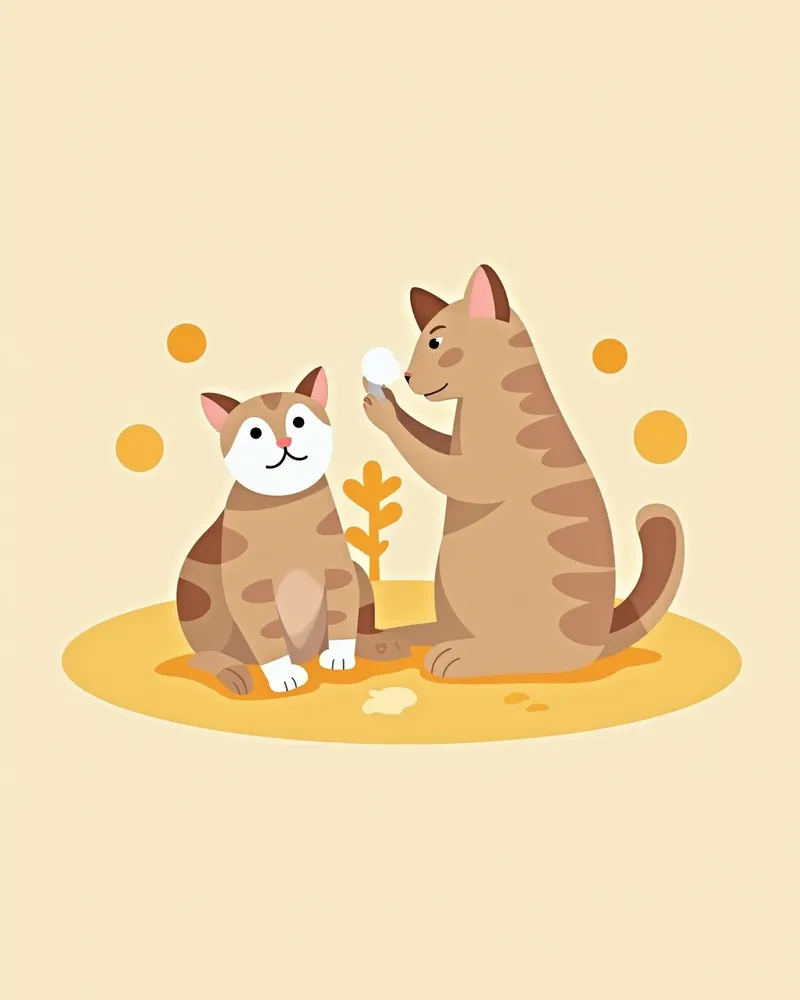
Precautions after ear cleaning
Comparison of cat ear cleaners by type
| Item | Type | Main Ingredients | Suitable Situation | Precautions |
|---|---|---|---|---|
| Products Containing Antibacterial/Disinfectant Ingredients | Chlorhexidine, Tris-EDTA, acetic acid | When bacterial/yeast (Malassezia) infection is suspected or confirmed | When infection risk is high or discharge is abundant | Do not use if the eardrum (tympanic membrane) is ruptured; cats are sensitive to topical agents, so use caution |
| Cerumen (Earwax) Dissolvent | Propylene glycol, glycerin, lanolin, mineral oil | Ears with sticky, clumped earwax or lightly dirty ears | When gently dissolving and removing foreign material/earwax | Foam types (carbamide peroxide) may cause irritation/anxiety, so use caution |
| Cleaning/Drying Agent (Astringent) | Isopropyl alcohol, boric acid | When keeping the inner ear dry after removing discharge | For routine maintenance or use after bathing | Cats are sensitive to topical agents, so use with care |
Use products recommended by a veterinarian. All products must be cat-specific, and for cats, warmed physiological saline is considered a relatively safe cleaning solution.
Reviewed by a veterinarian

Dr. Tony — Punnawat Phongkittirak
VeterinarianA veterinarian who majored in veterinary medicine at Khon Kaen University, Thailand, and completed the IVSA program at North Carolina State University in the United States. Drawing on clinical experience at animal hospitals, he works in the pet healthcare field and is dedicated to building a digital care environment that connects pet parents with veterinarians.
Reviewed 2026-06-29
Frequently Asked Questions
When should you start cleaning your cat’s ears?
My cat hates having its ears cleaned. What should I do?
Is it okay if my cat licks its ears after cleaning?
What problems can occur if you don’t clean your pet’s ears?
Should a veterinarian clean my pet's ears?
Share
Related Guides
Top Recommendations and Selection Criteria for Cat FIV and FeLV Testing
Top Microchip Implantation Management Recommendations for Dogs and Key Selection Criteria
Complete Guide to Choosing, Comparing, and Managing the Best Heartworm Preventives for Dogs
Frequently Asked Questions About Pyelonephritis in Dogs — Key Information for Pet Owners
Dog Proteinuria FAQ — Key Information Every Pet Owner Should Know
Frequently Asked Questions About Urinary Incontinence After Spaying in Dogs — Key Information Every Pet Owner Should Know

Dog Pollakiuria and Urinary Urgency FAQ — Key Information Every Pet Owner Should Know
Dog Difficulty Urinating (Stranguria) FAQ — Key Information for Pet Owners
Dog Calcium Oxalate Uroliths FAQ — Key Information Every Pet Owner Should Know

Dog Bladder Transitional Cell Carcinoma FAQ — Key Information Every Pet Owner Should Know
References
[1] BSAVA Manual of Canine and Feline Dermatology, 4th Ed, 2023
[2] Harvey, J. W., & Haar, G. M. (2017). Veterinary Dermatology. Elsevier.
[3] Nuttall, T. F., & Cole, L. (2004). Topical ear treatments in cats. Veterinary Clinics of North America: Small Animal Practice, 34(5), 1051–1067.