Like
Share
멍실장
고양이 혈당 곡선 모니터링 자주 묻는 질문 Q&A — 보호자가 꼭 알아야 할 핵심

What is a cat blood glucose curve monitoring? How to measure and interpret it at home

EndocrineQ&AMeongsiljang Veterinary Advisory Board

Monitoring a cat’s blood glucose curve is essential for effective diabetes management. Based on frequently asked questions from pet owners, we’ll guide you toward a clear understanding and practical steps for care.

Cat blood glucose curve monitoring is the key to diabetes management
A veterinarian measuring a cat's blood sugar, with the cat appearing comfortable.
Monitoring a cat’s blood glucose curve is the most important tool in managing diabetes. This curve allows you to accurately assess the appropriateness of insulin timing and dosage. Visualizing blood sugar changes over 24 hours helps reduce the risk of hypoglycemia and enables more precise adjustments to the treatment plan. It is essential to take measurements that account for the interval between meals and insulin administration. Analyzing the curve with your veterinarian allows you to develop a customized management strategy tailored to your individual cat. Regular monitoring greatly supports long-term health maintenance.

Why should you measure a blood glucose curve?
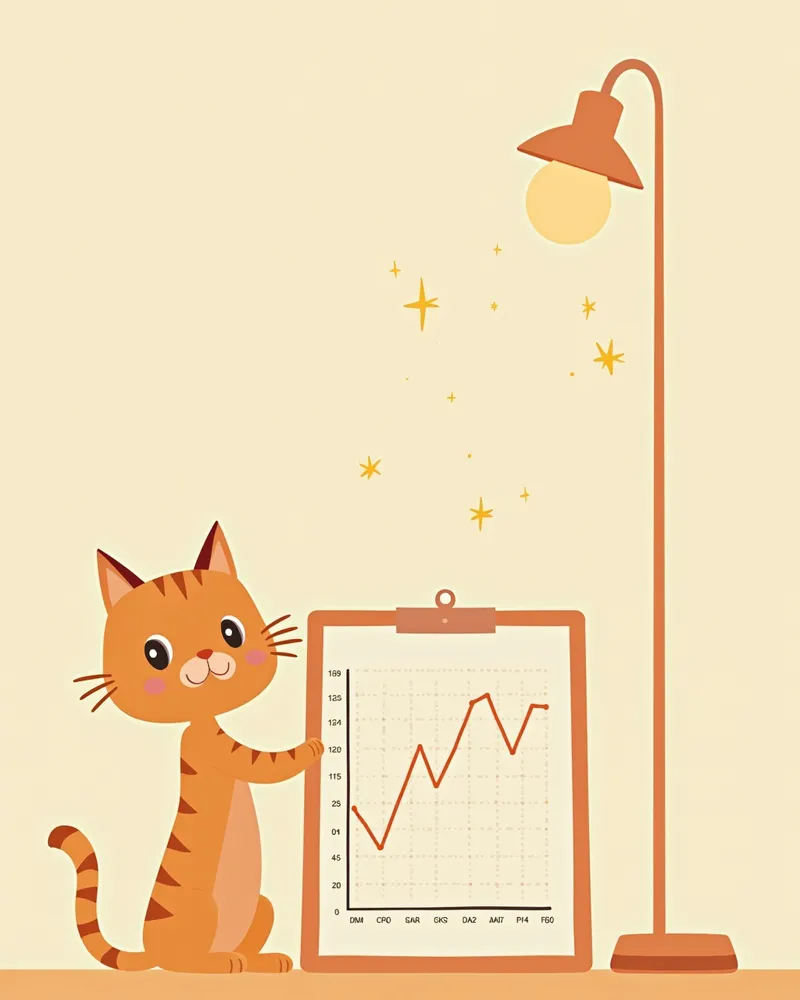
A cat’s blood sugar levels can fluctuate rapidly due to stress, meals, exercise, and the timing of insulin administration. A single reading is often insufficient to accurately assess their true condition. By visualizing blood sugar changes throughout the day with a blood glucose curve, you can precisely evaluate the effectiveness of the insulin. This is especially helpful for identifying when blood sugar peaks after meals and when insulin activity reaches its highest and lowest points. These insights provide direct evidence for adjusting insulin dosages and planning meals. Regularly monitoring these curves helps ensure stable and effective diabetes management.
A graph showing the curve of blood sugar changes in cats over a 24-hour period.

5 most important tips for measuring a blood glucose curve

- Consistency in measurement timing: Measure at the same time intervals throughout the day. Minimize stress and changes in diet. - Record meals and insulin administration: Accurately record the amount of food and the time of insulin administration. Without this information, interpreting the curve becomes difficult. - Frequency of measurements: Ideally, measure 6 to 8 times a day. This increases the reliability of the curve. - Equipment maintenance: Regularly replace the meter and reagents, and calibrate before use. This is crucial for reducing errors. - Check the cat's condition: Ensure the cat is comfortable before measuring. Stress can elevate blood sugar levels.
Tips for Measuring Blood Glucose Curves: A Checklist

Key points for interpreting blood glucose curve results
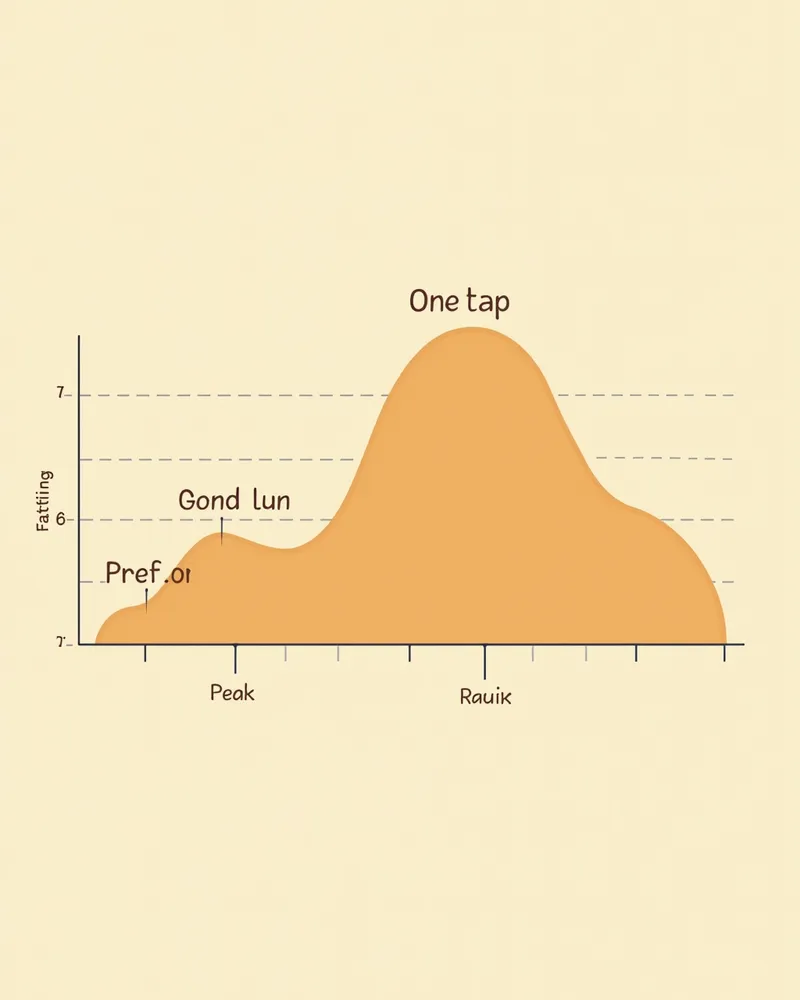
- Target blood glucose range: For diabetic cats, the goal is for the lowest point of insulin action (nadir) to be around 180 mg/dL (10 mmol/L). The closer the value is to this target, the more likely the insulin dosage is appropriate. - Consider renal threshold: When blood glucose exceeds approximately 288 mg/dL (16 mmol/L), glucose begins to spill into the urine. It is best to manage levels so they remain below this threshold as much as possible throughout the day. - Timing of the nadir: Ideally, the lowest blood glucose level occurs 4 to 6 hours after insulin administration. If the nadir arrives too early, within 3 hours, the risk of hypoglycemia increases, and you may need to switch to a longer-acting insulin or adjust the dosing interval. - Beware of rebound hyperglycemia: Be aware of the Somogyi effect, where blood glucose spikes sharply after a hypoglycemic episode. Simply increasing the dosage based on high readings can be dangerous. - Consult with your veterinarian: Always analyze curve results with your veterinarian. Do not make judgments on your own; it is important to follow professional advice.
A line graph clearly showing blood sugar changes before and after meals

Comparison of response strategies based on blood glucose curve results

ItemSituationRelevant SymptomsManagement Method
Risk of HypoglycemiaBlood glucose drops to 60 mg/dL or below on the curveDrowsiness, trembling, seizures occurImmediately supplement with glucose, adjust insulin after consulting a veterinarian
Excessive Blood Glucose RiseBlood glucose persists at 300 mg/dL or aboveDecreased energy, reduced appetite (ketone assessment needed)Check for ketones and diabetic ketoacidosis (DKA), inspect for concurrent diseases, then adjust insulin with a veterinarian
Unstable CurveBlood glucose rises and falls sharplyMismatch between meal and insulin administration timesReset the measurement schedule, standardize daily patterns

Each situation requires adjustment together with a veterinarian.

Immediate veterinary visit is necessary if hypoglycemia is suspected from the blood glucose curve

If a cat’s blood sugar drops below 60 mg/dL, it is considered hypoglycemia, and prompt action is essential. In severe cases, seizures or loss of consciousness may occur. Immediately administer glucose solution into the mouth or contact your veterinarian right away.

Tips for selecting equipment for blood glucose curve monitoring
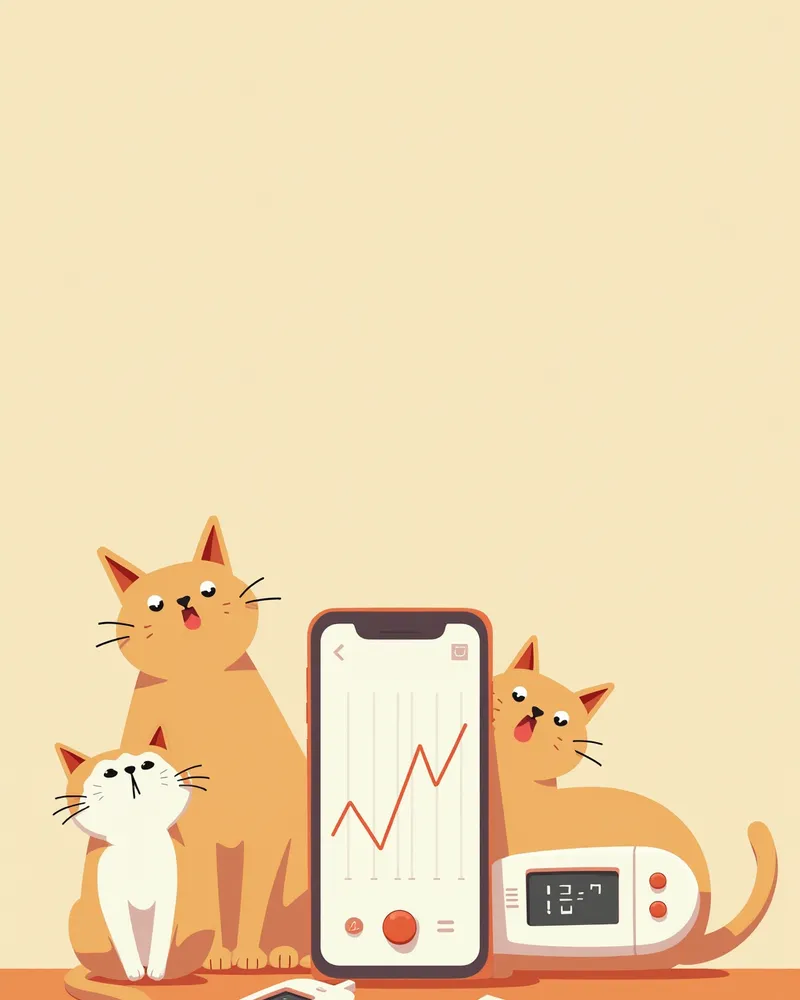
- Accuracy is paramount: The accuracy of a blood glucose meter is the most critical factor. Choose products that are FDA-approved or recommended by veterinarians. - Cat-friendly design: Devices that minimize skin irritation and require only a small sample size reduce stress for your cat. - Data synchronization: Models that connect to smartphone apps can automatically generate trend curves, making record-keeping much easier. - Long-term costs: Check the replacement schedule and cost of test strips and tools in advance to ensure the device is cost-effective for long-term use. - Ease of use: Compact, portable devices are easy to use indoors and help reduce the burden on pet owners.
Feline blood glucose monitoring devices connected to a smartphone app

4 common mistakes in blood glucose curve management
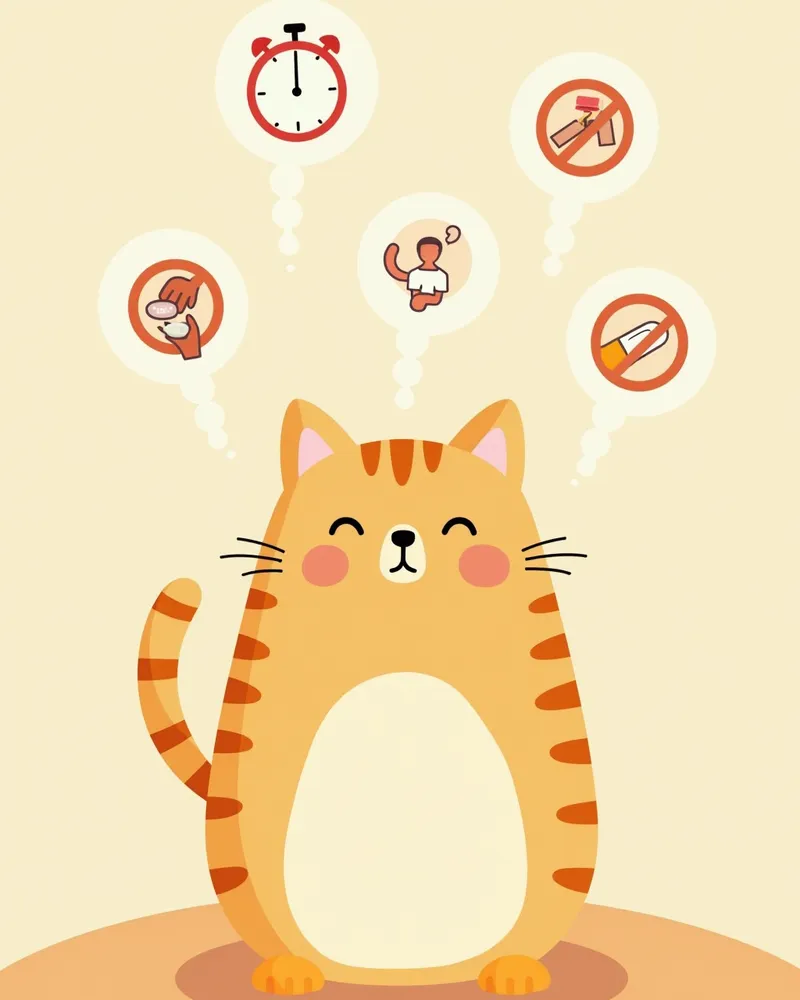
- Inconsistent measurement timing: Randomly varying the times you take readings throughout the day makes it difficult to interpret the glucose curve. Measure at consistent intervals. - Arbitrary insulin adjustments: Increasing or decreasing the dose without reviewing the results can be dangerous. Always consult your veterinarian. - Incomplete records: The glucose curve loses its meaning if you don’t record food intake or insulin administration times. Keep a record every time. - Neglected equipment maintenance: Ignoring reagent expiration dates or replacement schedules can lead to measurement errors. Perform regular checks.
A cartoon-style image of a cat contemplating its mistake

Reviewed by a veterinarian

Dr. Tony — Punnawat Phongkittirak

Dr. Tony — Punnawat Phongkittirak

Veterinarian

A veterinarian who majored in veterinary medicine at Khon Kaen University, Thailand, and completed the IVSA program at North Carolina State University in the United States. Drawing on clinical experience at animal hospitals, he works in the pet healthcare field and is dedicated to building a digital care environment that connects pet parents with veterinarians.

Frequently Asked Questions

How often should blood glucose curves be measured?
During the initial phase of adjusting insulin dosage, blood glucose curves are typically measured every one to two weeks. Once blood sugar levels stabilize, the testing interval can be extended; however, additional measurements are necessary if symptoms change or after any insulin adjustments. It is best to consult with your veterinarian to determine the specific testing schedule.
Isn't it difficult to measure blood sugar at home?
It may feel a bit awkward at first, but once your cat gets used to it, the process is quite simple. The specialized equipment is compact, causes minimal discomfort, and provides results in under 10 seconds.
If the blood glucose curve is abnormal, can I skip a vet visit?
Absolutely not. The blood glucose curve is a critical tool for your veterinarian to establish a diagnosis and develop a treatment plan. It is essential that you share the results and discuss any necessary adjustments together.
What should I do if my cat becomes stressed while we’re measuring its blood glucose curve?
Stress can elevate blood sugar levels, so it’s important to keep your cat calm before testing. Choose a quiet location and have a familiar person nearby to help ease their anxiety.
Does a normal blood glucose curve mean that the diabetes is improving?
Even if the blood glucose curve is stable, diabetes itself is not cured. Ongoing management is essential, and it’s important to use the curve to monitor how well the condition is being managed.

Share

Related Guides

References

[1] Fundamentals of Veterinary Clinical Pathology, 3rd Edition, 2023

[2] The Cat, Clinical Medicine and Management, 2nd Edition, 2021

[3] Advanced Monitoring for Small Animal Emergency and Critical Care, 2nd Ed, 2022

This information is based on veterinary literature and does not replace diagnosis or treatment. Please consult a veterinarian for specific health concerns.

Metapet Co., Ltd. | CEO: Park Sung-yong | Business Reg. No. 417-88-02562 | Seoul, South Korea | Customer Center

What Is a Cat Blood Glucose Curve? How to Measure & Read at Home | Meongsiljang