Like
Share
멍실장
강아지 성호르몬 관련 피부 질환 자주 묻는 질문 Q&A — 보호자가 꼭 알아야 할 핵심

Why Is My Dog Losing Hair Symmetrically? — Symptoms and Treatment of Sex Hormone-Related Skin Conditions

EndocrineQ&AMeongsiljang Veterinary Advisory Board

Skin conditions related to sex hormones in dogs are caused by hormonal imbalances, leading to hair loss and flaky skin. We’ve compiled the essential information every pet owner should know in a Q&A format.

What Are Sex Hormone-Related Skin Conditions in Dogs?
Hair loss on the back, a primary symptom of skin diseases related to sex hormones
Hormone-related skin conditions in dogs are chronic, non-inflammatory alopecias caused by disrupted hair growth cycles due to hormonal imbalances. In males, this can result from excessive estrogen production, such as from testicular tumors, or from imbalances in sex hormones secreted by the adrenal glands (a condition known as Alopecia X). Hair loss typically appears symmetrically on both sides of the body and is often not accompanied by itching. - Hair Loss: It usually begins around the perineum, genital area, flanks, or trunk, gradually spreading in a symmetrical pattern. - Skin Condition: The affected areas may develop hyperpigmentation, causing the skin to darken. - Hormonal Cause: Unlike simple stress or allergies, the primary driver is an imbalance in sex hormones. - Breed Predisposition: The adrenal-related form is relatively common in Nordic breeds and Poodles.

What Is the Main Cause of This Condition?
The root cause of this condition is an imbalance in sex hormones. In male dogs, excessive estrogen—often due to testicular tumors—can disrupt the hair growth cycle, leading to symmetrical hair loss on both sides of the body. - Hormonal Imbalance: Symptoms may arise when the balance of sex hormones, such as testosterone and estrogen, is disrupted. - Adrenal Sex Hormone Abnormalities: An imbalance in sex hormones produced by the adrenal glands (known as Alopecia X) can also be a contributing factor. - Genetic Predisposition: Susceptibility varies by breed; the adrenal form is relatively common in Nordic breeds and Poodles. - Effect of Neutering: When the cause is clearly identified, such as a testicular tumor, neutering surgery to remove the source can lead to symptom improvement.
The impact of excess male hormones on hair follicles

What Are the Main Symptoms?

The hallmark sign of sex hormone-related skin conditions in dogs is gradual hair loss that appears symmetrically on both sides of the body. - Hair loss pattern: Hair loss typically begins around the perineum and genital area or along the flanks and trunk, then slowly spreads in a symmetrical pattern. - Skin changes: The affected areas may develop hyperpigmentation, making the skin appear darker. - Itching: This is usually a non-inflammatory alopecia without itching. If significant itching is present, secondary infection or another underlying condition should be suspected. - Progression: Symptoms generally develop gradually and follow a chronic course. - Differentiation: Unlike simple stress or allergies, it is important to recognize that hormonal imbalances may be the underlying cause.
Symmetrical hair loss, a hallmark sign of skin disorders linked to sex hormones

When to Visit the Vet Immediately

If your pet’s skin becomes severely flaky, develops scabs, or experiences intense itching, consult a veterinarian immediately. These could be signs of a secondary infection. Delaying treatment can worsen skin damage and make recovery more difficult.

How Is It Diagnosed?
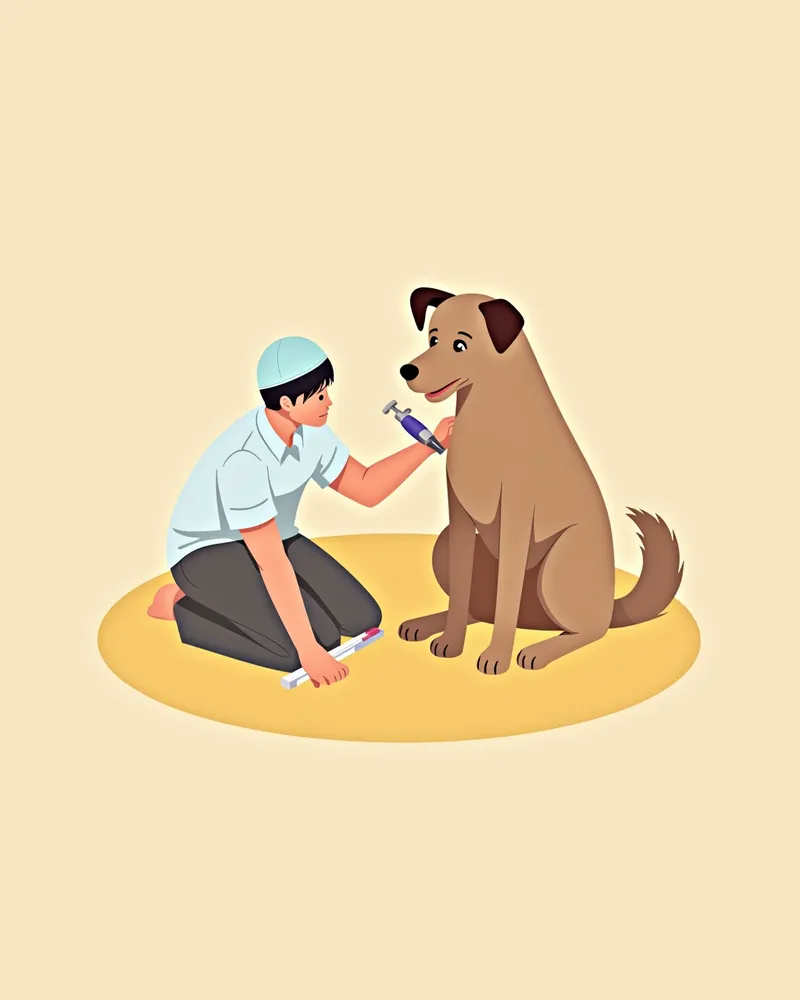
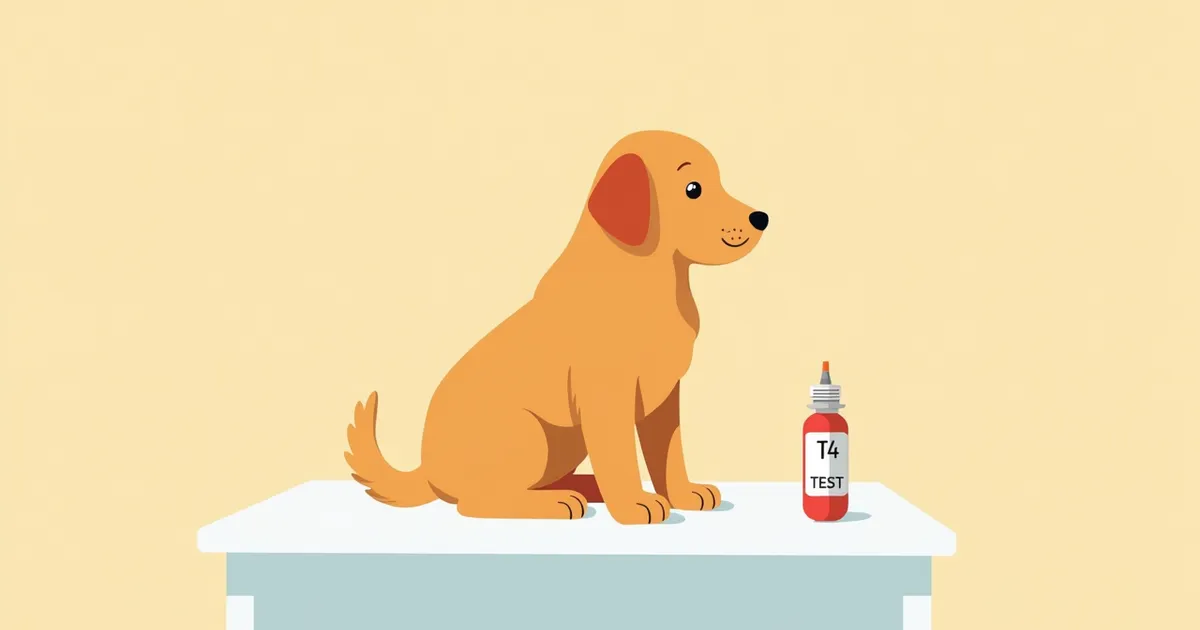
Veterinarians identify the cause of hair loss through a step-by-step diagnostic process. - Ruling out parasites and fungi: First, a hair pluck (trichogram) and skin scraping are performed to check for demodex mites, while a Wood’s lamp examination and fungal culture are used to rule out dermatophytosis (ringworm). - Skin cytology: Skin cytology is conducted to confirm the presence of bacterial or yeast infections. - Hormonal testing: If an endocrine disorder is suspected, hormonal tests such as a reproductive hormone panel (including pre- and post-ACTH stimulation) are performed. - Skin biopsy: If necessary, a skin tissue sample is taken to histopathologically analyze changes in the hair follicles. - Comprehensive diagnosis: Results from all tests are integrated to rule out other conditions and establish a final diagnosis.
Skin biopsy procedure for diagnosing sex hormone-related skin diseases

What Are the Treatment Options?

The key to treatment is correcting the underlying hormonal imbalance. - Neutering surgery: In cases with a clear cause, such as testicular tumors, removing the cause through neutering surgery can allow hair to regrow. - Medication: Depending on the cause and diagnosis, hormone-related medications or skin protectants may be used. - Treatment response: The speed and extent of hair regrowth vary depending on the cause and individual animal, so it’s important to monitor progress together with your veterinarian. - Ongoing care: Even after treatment, regular check-ups of the skin condition are necessary. - Accurate diagnosis first: For effective treatment, an accurate diagnosis that rules out other causes of hair loss is essential.
Recovery stages after neutering for the treatment of skin diseases related to sex hormones

At-Home Care Methods

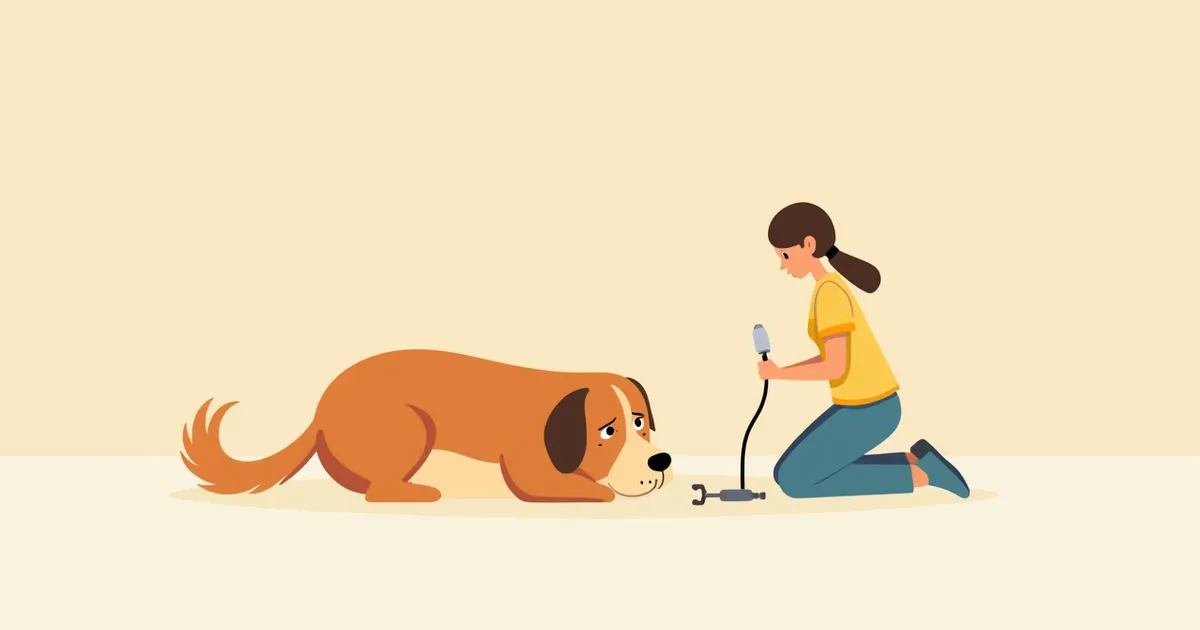
You can also support your dog’s skin health with some simple at-home care. - Shampoo selection: Use a gentle, medicated shampoo recommended by your veterinarian to minimize skin irritation and secondary infections. - Skin protection: Keep the skin well-moisturized to prevent dryness and flaking. - Balanced nutrition: Provide a balanced diet to support overall skin and coat health, and consult your veterinarian before choosing any supplements. - Environmental management: Create a stable, comfortable environment where your dog can relax. - Regular check-ups: Monitor your dog’s skin regularly and consult your veterinarian if you notice any abnormalities.
Gentle brushing for managing skin conditions related to sex hormones

Neutering vs. Medication: A Comparison

ItemNeutering surgeryDrug therapy
Durability of effectLong-term if the cause is clearOften symptomatic and temporary
CostHigh initial costOngoing costs incurred
Possibility of side effectsRisks associated with general anesthesia and surgeryVaries depending on the medication used
Restoration of hormone balanceFundamental improvement possible by removing the causeOften does not resolve the underlying cause

When the cause is clear, such as a testicular tumor, neutering surgery can be a curative treatment, and medication is used supportively depending on the diagnosis. Decide on treatment after an accurate diagnosis and consultation with your veterinarian.

Reviewed by a veterinarian

Dr. Tony — Punnawat Phongkittirak

Dr. Tony — Punnawat Phongkittirak

Veterinarian

A veterinarian who majored in veterinary medicine at Khon Kaen University, Thailand, and completed the IVSA program at North Carolina State University in the United States. Drawing on clinical experience at animal hospitals, he works in the pet healthcare field and is dedicated to building a digital care environment that connects pet parents with veterinarians.

Frequently Asked Questions

Are skin conditions related to sex hormones untreatable?
It depends on the underlying cause. In cases with a clear cause, such as testicular tumors, neutering can remove the cause and allow the hair to regrow and recover. It is important to establish an accurate diagnosis and then determine the treatment plan with your veterinarian.
Will my pet’s fur grow back after spaying or neutering?
If the cause is confirmed to be a sex hormone imbalance, fur may regrow as hormonal balance is restored after neutering. However, the speed and extent of recovery can vary depending on the underlying cause and individual differences.
Can it be treated with medication?
Depending on the diagnosis, medications can help manage symptoms, but they often don’t address the underlying cause. If the cause is clear, treatments like neutering may be more effective.
Which breeds are more commonly affected by sex hormone disorders?
Adrenal sex hormone imbalance (alopecia X) is relatively commonly reported in Nordic breeds and Poodles. In some breeds, such as Weimaraners, genetic abnormalities in hair follicle formation are also known to occur.
What should I pay attention to before and after neutering surgery?
Before and after surgery, minimize stress and avoid stimulating environments. After surgery, regulate activity levels and provide thorough skin care.

Share

Related Guides

References

[1] Frank LA. Comparative dermatology — canine endocrine dermatoses. Clin Dermatol 2006;24(4):317-25.

[2] Miller WH, Griffin CE and Campbell KL (2013) Sterile granuloma/pyogranuloma syndrome. In: Muller & Kirk’s Small Animal Dermatology, 7th edn. Elsevier, St. Louis.

[3] Laffort-Dassot C, Beco L and CGarlotti D (2002) Follicular dysplasia in five Weimaraners. Veterinary Dermatology 13, 253-257.

This information is based on veterinary literature and does not replace diagnosis or treatment. Please consult a veterinarian for specific health concerns.

Metapet Co., Ltd. | CEO: Park Sung-yong | Business Reg. No. 417-88-02562 | Seoul, South Korea | Customer Center

Why Is My Dog Losing Hair Symmetrically? Sex Hormone Skin Disease | Meongsiljang