Like
Share
멍실장
강아지 계절성 탈모(성장호르몬 반응성) 자주 묻는 질문 Q&A — 보호자가 꼭 알아야 할 핵심

If Your Dog’s Flank Hair Falls Out Seasonally — Key Q&A on Seasonal Alopecia

EndocrineQ&AMeongsiljang Veterinary Advisory Board

Seasonal alopecia in dogs is a chronic hair loss condition caused by hormonal imbalances due to abnormal responses to growth hormones. Here’s a summary of key information pet owners should know.

What Is Canine Seasonal Alopecia (Growth Hormone Responsive)?
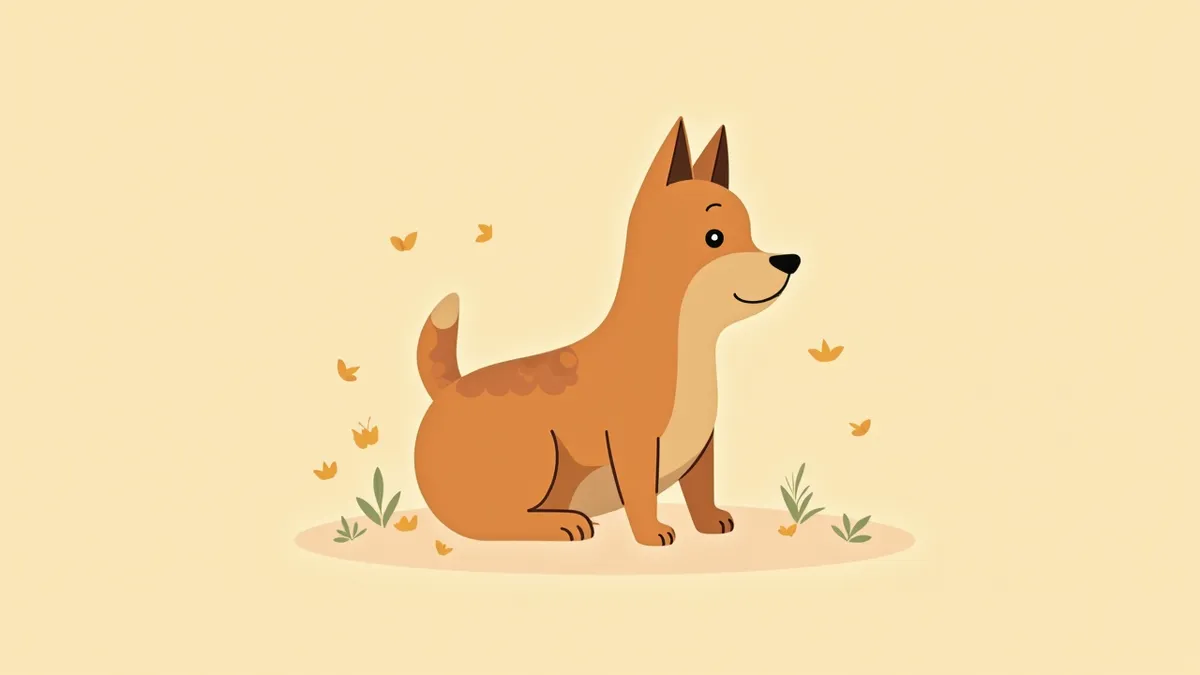
Symptoms of seasonal hair loss in dogs on the hind legs and sides
Canine recurrent flank alopecia, also known as seasonal flank alopecia, is a non-inflammatory, non-pruritic condition characterized by periodic hair loss on the trunk and flanks. Hair loss typically occurs symmetrically on both flanks and is often accompanied by hyperpigmentation, where the skin darkens. Although the exact cause remains unknown, the seasonal and recurrent nature of the condition suggests a link to changes in daylight exposure (photoperiod). It is frequently confused with "growth hormone-responsive alopecia," but this condition has not been definitively proven to result from growth hormone abnormalities. The skin itself is generally healthy, so it is important to distinguish this condition from other endocrine disorders such as hypothyroidism and hyperadrenocorticism.

Why Does Seasonal Alopecia Occur?

The exact cause of seasonal flank alopecia in dogs remains unknown. However, given its recurring nature across seasons, changes in daylight exposure (photoperiod) are suspected to be the primary factor. - Changes in photoperiod (daylight exposure): The condition tends to occur when days grow shorter, suggesting that shifts in light exposure affect the hair growth cycle. - Influence of latitude: Incidence rates are higher in regions near or above 45 degrees north latitude, while onset timing is reversed in the Southern Hemisphere. - Genetic predisposition: Certain breeds show higher incidence rates, and familial patterns have been reported, indicating a genetic component. Cases have been documented in Boxers, Airedale Terriers, English Bulldogs, and Affenpinschers. - Non-inflammatory nature: Although there is no skin inflammation or itching, hair loss occurs in the affected areas, often accompanied by hyperpigmentation. - Overall health: Dogs with this condition are generally healthy, with no systemic health issues.
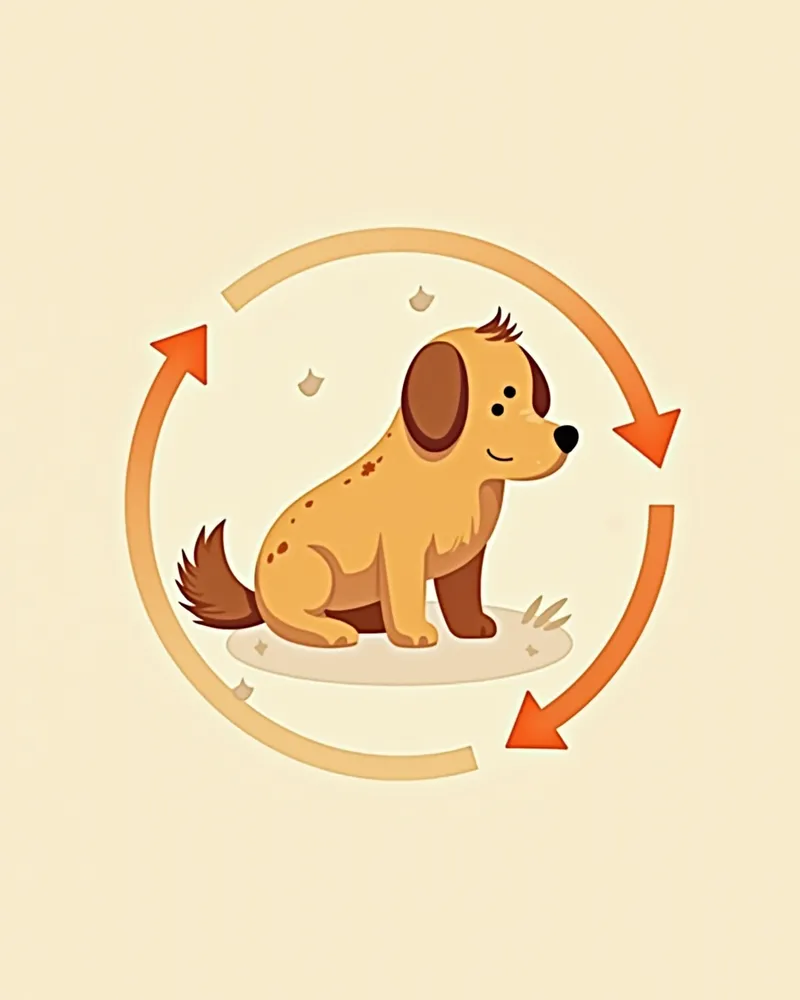
Abnormal hair growth cycles in dogs with seasonal shedding

Main Symptoms and Early Signs

The most telling sign of seasonal flank alopecia in dogs is symmetrical hair loss on the trunk and sides. - Symmetrical hair loss: Hair falls out in a similar pattern on both sides, with relatively well-defined borders. - Accompanying hyperpigmentation: It is common for the skin in the hairless areas to darken (hyperpigmentation). - Skin condition: The affected areas show no redness, rash, odor, or itching, indicating non-inflammatory hair loss. - Seasonal recurrence: This condition typically recurs in cycles, often coinciding with shorter daylight hours. - Natural regrowth and relapse: Hair often grows back over time, but it commonly falls out again the following year. Because it can be easily confused with other hair loss conditions, a veterinary consultation is recommended.
The symmetrical hair loss pattern seen in seasonal shedding in dogs

When to Visit the Vet Immediately

If you notice itching, rashes, redness, or an unpleasant odor in the bald patches, it’s likely due to another underlying condition, such as parasites or an infection. In such cases, consult your veterinarian right away. Also, be cautious if the hair loss spreads rapidly or extends to other areas of the body.

Methods for Accurate Diagnosis
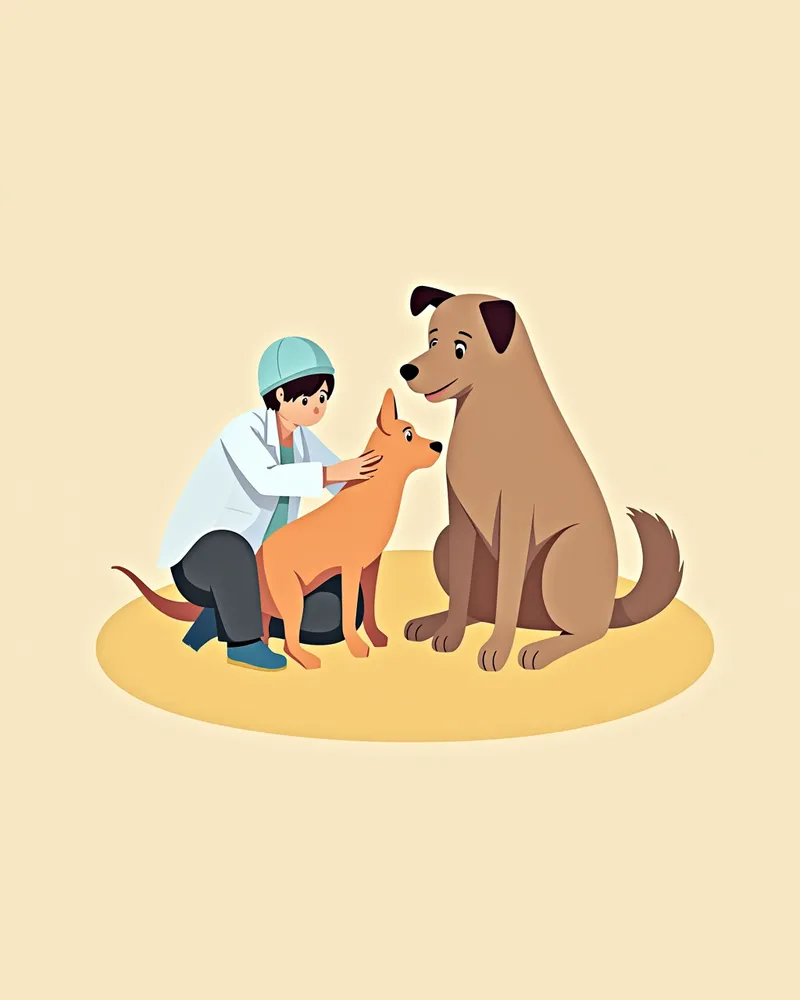
An accurate diagnosis is made by combining the medical history, clinical signs, and test results. - Review of medical history and seasonal patterns: The fact that symmetrical flank hair loss recurs every year during the same season is itself an important clue for diagnosis. - Skin biopsy (histopathology): This confirms characteristic changes in the hair follicles and rules out other causes such as parasites or infections. - Ruling out other conditions: It is essential to clearly differentiate this condition from endocrine disorders that cause symmetrical hair loss, such as hypothyroidism and hyperadrenocorticism (Cushing’s disease). - Comprehensive assessment: The veterinarian makes a diagnosis by considering the breed, age, symptoms, and test results together. - Importance of differential diagnosis: Distinguishing this condition from other similar hair loss disorders is the starting point for appropriate management.
Skin biopsy for diagnosing seasonal hair loss in dogs

Treatment Options and Long-Term Management Strategies
In many cases, hair regrows on its own within a few months without specific treatment, so intervention isn’t always necessary. - Monitoring the course (watchful waiting): Since systemic health issues are uncommon, simply monitoring the condition without aggressive treatment is often a good option. - Melatonin use: Under veterinary guidance, oral melatonin may be tried either before the expected onset of symptoms or shortly after hair loss begins. - Natural regrowth: Hair often grows back on its own within a few months, even without treatment. - Risk of recurrence: Regardless of treatment, the annual recurrence rate is relatively high, so it’s helpful to view recurrence as a natural part of the condition’s course. - Environmental and nutritional care: Maintaining a balanced diet and a stable environment supports skin and coat health. - Regular check-ups: Consult your veterinarian to assess your pet’s condition whenever you notice changes.
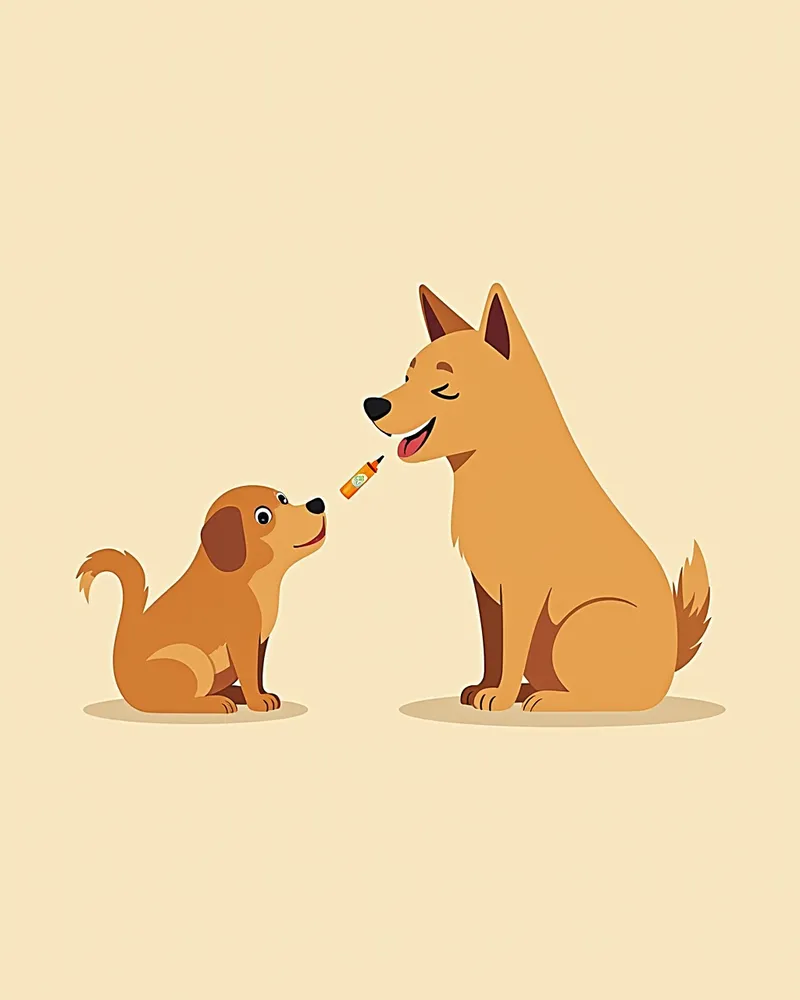
Medication for treating seasonal hair loss in dogs

Home Care Points

Monitor the progression: This condition often resolves on its own with hair regrowth, so in many cases, simply monitoring the situation in consultation with your veterinarian is sufficient.
Follow the prescribed treatment: If your veterinarian has recommended medications such as melatonin, use them exactly as directed in terms of timing and dosage. Do not start or change medications without professional guidance.
Reduce environmental stress: Maintain a consistent routine and a stable environment. Managing your pet’s living conditions in a calm and predictable way can be very helpful.
Maintain a healthy diet: Feed a nutritionally balanced diet to support overall skin and coat health.
Skin care: Avoid soaps or products that may cause irritation, and only use those recommended by your veterinarian.
Provide a nutritious diet to help manage your dog's seasonal shedding.

Breeds and Ages to Watch Out For

This condition is more commonly reported in certain breeds, such as Boxers, Airedale Terriers, English Bulldogs, and Affenpinschers. The higher incidence in some breeds and the presence of familial patterns suggest a genetic predisposition. Since dogs that have had this condition are prone to recurrence in subsequent years, proactive seasonal monitoring and preventive care are recommended.

Reviewed by a veterinarian

Dr. Tony — Punnawat Phongkittirak

Dr. Tony — Punnawat Phongkittirak

Veterinarian

A veterinarian who majored in veterinary medicine at Khon Kaen University, Thailand, and completed the IVSA program at North Carolina State University in the United States. Drawing on clinical experience at animal hospitals, he works in the pet healthcare field and is dedicated to building a digital care environment that connects pet parents with veterinarians.

Frequently Asked Questions

Can seasonal shedding in dogs be treated?
This condition often resolves on its own, with hair regrowing within a few months, so treatment isn't always necessary. Since systemic health issues are uncommon, we may simply monitor the situation or, if needed, use melatonin after consulting with a veterinarian.
Can hair loss recur?
Yes, it tends to recur at the same time each year. The likelihood of recurrence is relatively high regardless of whether treatment is administered, so it's best to view recurrence as a natural course of this condition.
What are the possible side effects of the medication?
This condition doesn’t always require medication, and melatonin, which is commonly used, generally has few side effects. For safety, always consult your veterinarian before using any medication and strictly follow the prescribed dosage.
Will switching to a different food solve the problem?
Changing your pet’s food alone won’t resolve this condition. However, in many cases, the hair will grow back on its own without additional treatment. It’s always best to consult with your veterinarian for an accurate diagnosis and proper management.
Can this condition be genetic?
Yes, certain breeds have a higher incidence rate, and because family history has been reported, it is believed that genetic predisposition plays a role. Checking the breed and family history before adoption can be helpful.

Share

Related Guides

References

[1] Hill, P. (2023). 100 Top Consultations in Small Animal General Practice. Wiley-Blackwell.

[2] BSAVA Manual of Canine and Feline Dermatology, 4th Ed. (2022). BSAVA Publications.

[3] Plumb's Veterinary Drug Handbook, 9th Ed. (2023). Wiley-Blackwell.

This information is based on veterinary literature and does not replace diagnosis or treatment. Please consult a veterinarian for specific health concerns.

Metapet Co., Ltd. | CEO: Park Sung-yong | Business Reg. No. 417-88-02562 | Seoul, South Korea | Customer Center

Dog's Flank Hair Falls Out Seasonally? Seasonal Alopecia Q&A | Meongsiljang