
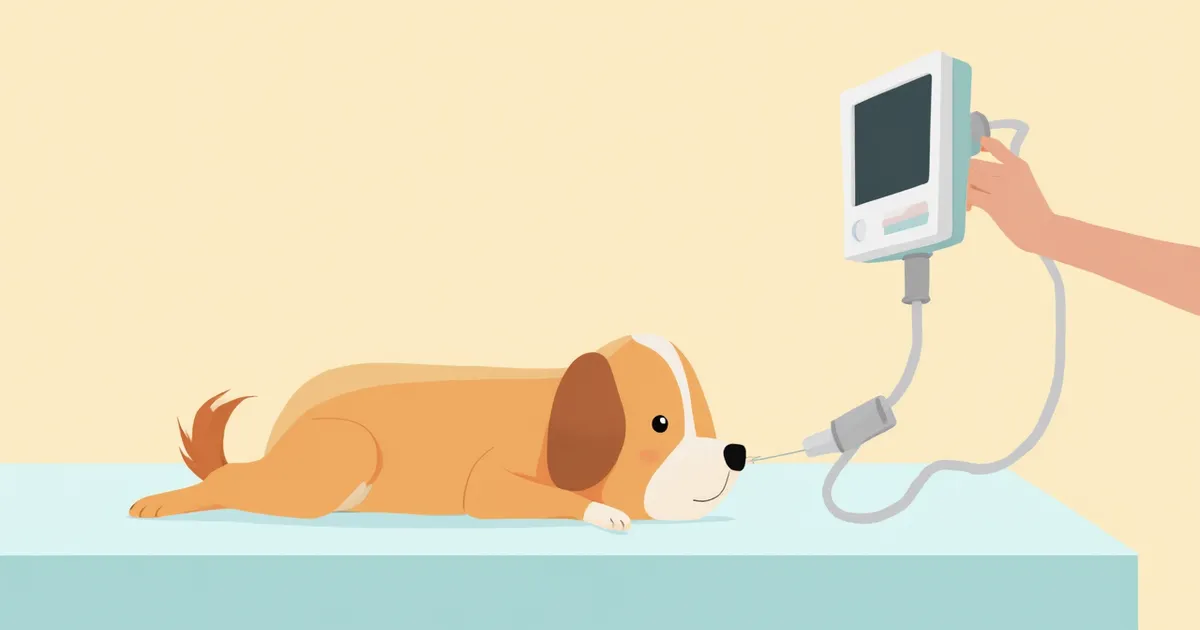
When Is a Kidney Biopsy Essential for Cats? — Key Points on Procedure and Indications
We’ve summarized the key points every pet owner should know about kidney biopsies, including their purpose, procedure, indications, and potential complications.
What Is a Renal Biopsy and Why Is It Necessary?

In What Cases Is a Renal Biopsy Necessary?
Comparison of Three Biopsy Methods
| Item | Ultrasound-Guided Needle Biopsy | Laparoscopic Biopsy | Open (Laparotomy) Biopsy |
|---|---|---|---|
| Anesthesia Method | General anesthesia | General anesthesia | General anesthesia |
| Tissue Size | Small (relatively) | Medium | Large |
| Bleeding Risk | Moderate | Low | Low |
| Recovery Period | 1–2 days | 2–3 days | 5–7 days |
| Indications | Diffuse cortical disease (AKI, glomerulonephritis) | Most cases | When performed alongside other surgery |
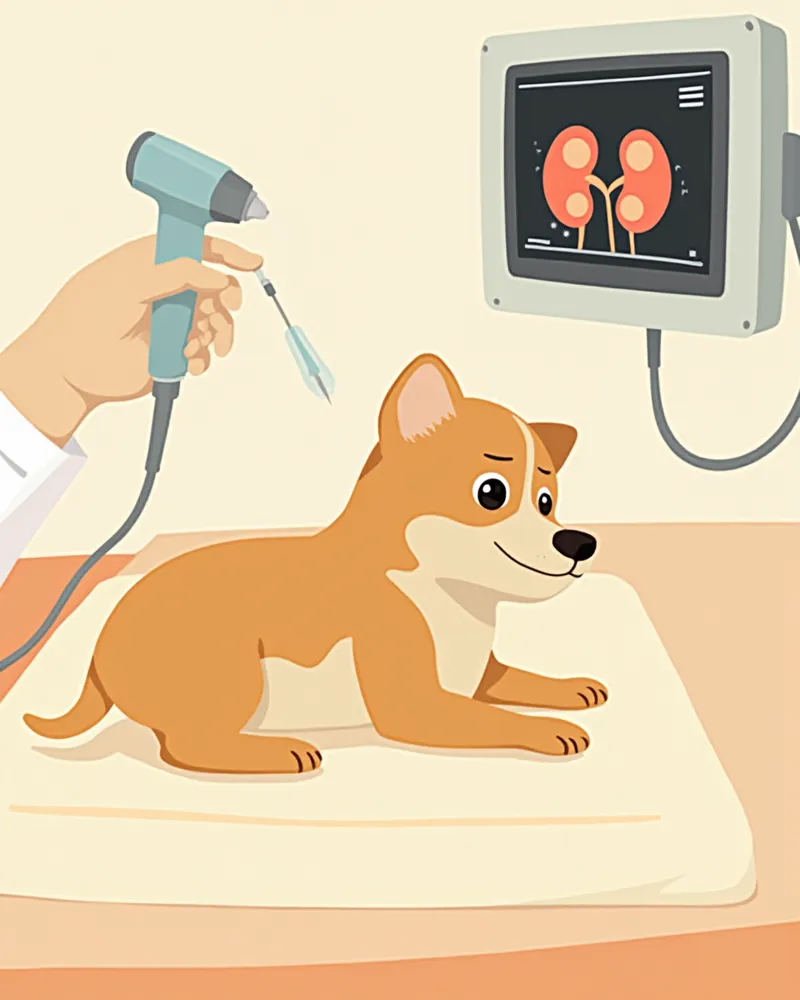
All techniques require general anesthesia for comfort and immobilization, and the veterinarian decides by comprehensively considering the patient's size, coagulation status, and kidney status.
How Is the Procedure Performed on the Day of the Biopsy?
Items to Check Before the Biopsy
A kidney biopsy is an invasive procedure that carries a risk of bleeding. If any of the following conditions apply, you should thoroughly discuss the risks and benefits with your veterinarian: - Coagulopathy (clotting disorders) or severe anemia - Uncontrolled hypertension - Cystic kidney disease, such as renal cysts - Moderate to severe hydronephrosis - Renal or perirenal abscesses, or pyelonephritis - End-stage (IRIS Stage IV) chronic kidney disease, characterized by small, fibrotic, and atrophic kidneys - Pregnancy In these situations, consider alternative diagnostic methods such as urinalysis, blood tests, and imaging studies instead of a biopsy. Particularly in cases of chronic kidney disease where the kidneys have shrunk, ultrasound-guided biopsy is generally contraindicated due to the risk of bleeding.
Post-Biopsy Complications and Recovery Care

When and How Are Biopsy Results Available?
Go to the Hospital Immediately If These Symptoms Appear
If you notice any of the following symptoms at home after a biopsy, it is an emergency. You must go to a 24-hour veterinary hospital immediately, even at night. - Bright red blood in the urine occurring two or more times - Pale gums or a pale tongue - Rapid breathing and lethargy - Repeated vomiting or refusal to eat for more than 12 hours - A hard, distended abdomen (suspected intra-abdominal bleeding) Cats, in particular, tend to hide pain, so please contact us right away if you notice even a slight decrease in activity or appetite.
Reviewed by a veterinarian

Dr. Tony — Punnawat Phongkittirak
VeterinarianA veterinarian who majored in veterinary medicine at Khon Kaen University, Thailand, and completed the IVSA program at North Carolina State University in the United States. Drawing on clinical experience at animal hospitals, he works in the pet healthcare field and is dedicated to building a digital care environment that connects pet parents with veterinarians.
Reviewed 2026-04-29
Frequently Asked Questions
How much does a kidney biopsy cost?
Is a biopsy necessary for older cats with chronic kidney disease?
Is it safe to perform a biopsy on just one kidney?
Can a biopsy be replaced with another type of test?
Does lifelong care change after a biopsy?
Share
Related Guides

Top 5 Prescription Diets for Cats with Chronic Kidney Disease — Stage-Specific Protein Adjustment

7 Emergency Signs and Causes of Acute Kidney Failure in Dogs You Must Not Miss

Top 5 Cat Kidney Supplements Recommended for 2026

Cat FVRCP Combination Vaccine FAQ — Key Information Every Pet Owner Must Know

Frequently Asked Questions About Your Cat’s First Vet Visit — Key Information Every Owner Must Know

Dog Scabies (Mange) FAQ — Key Information Every Pet Owner Should Know

Puppy Deworming Schedule FAQ — Key Information Every Owner Should Know

Dog Internal Parasite Symptoms and Differentiation: Frequently Asked Questions (Q&A) — Key Points Every Pet Owner Should Know

Dog Heartworm Prevention and Treatment FAQ — Key Information Every Pet Owner Must Know

Canine Giardiasis FAQ — Key Information Every Pet Owner Should Know
References
[1] Langston CE, Eatroff AE. Chronic Kidney Disease. In: Small Animal Critical Care Medicine, 3rd Edition
[2] The Cat, Clinical Medicine and Management, 2nd Edition — Urinary Tract Disease chapter
[3] The Veterinary Workbook of Small Animal Clinical Cases — Renal disease case studies