Like
Share
멍실장
강아지 중성화 후 요실금 자주 묻는 질문 Q&A — 보호자가 꼭 알아야 할 핵심

Frequently Asked Questions About Urinary Incontinence After Spaying in Dogs — Key Information Every Pet Owner Should Know

UrinaryQ&AMeongsiljang Veterinary Advisory Board

Urinary incontinence is a common side effect after spaying in dogs, but most cases are treatable. Here’s a summary of the key information every pet owner should know.

Urinary Incontinence After Spaying Is a Common Side Effect
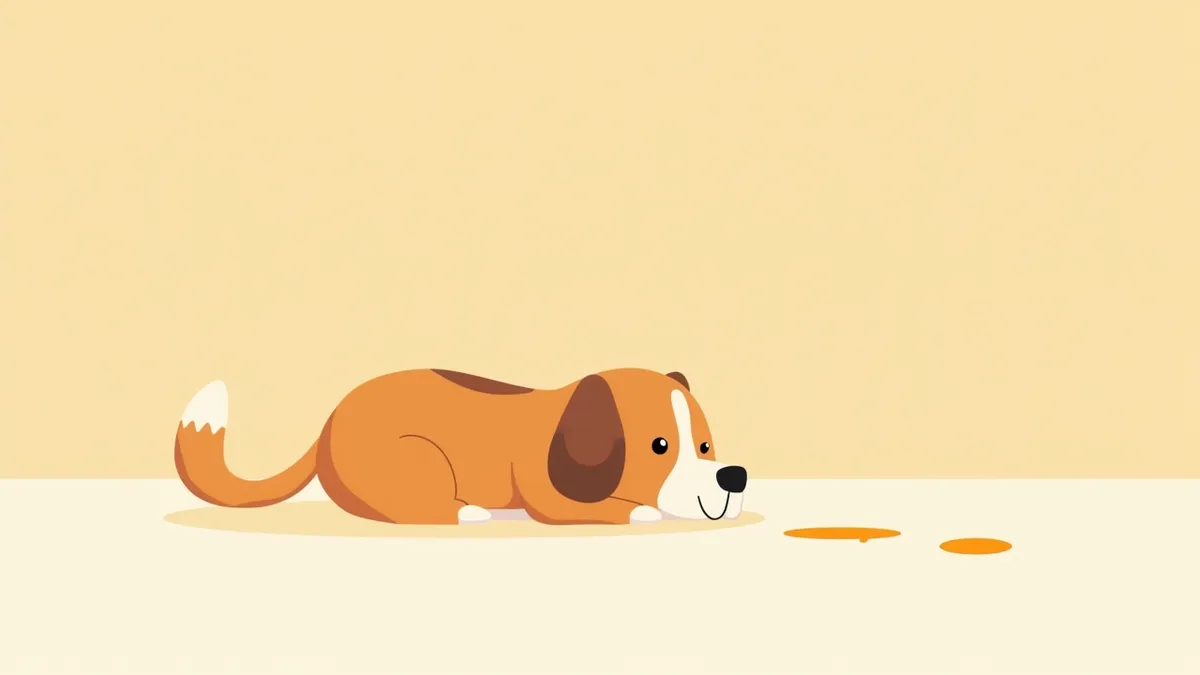
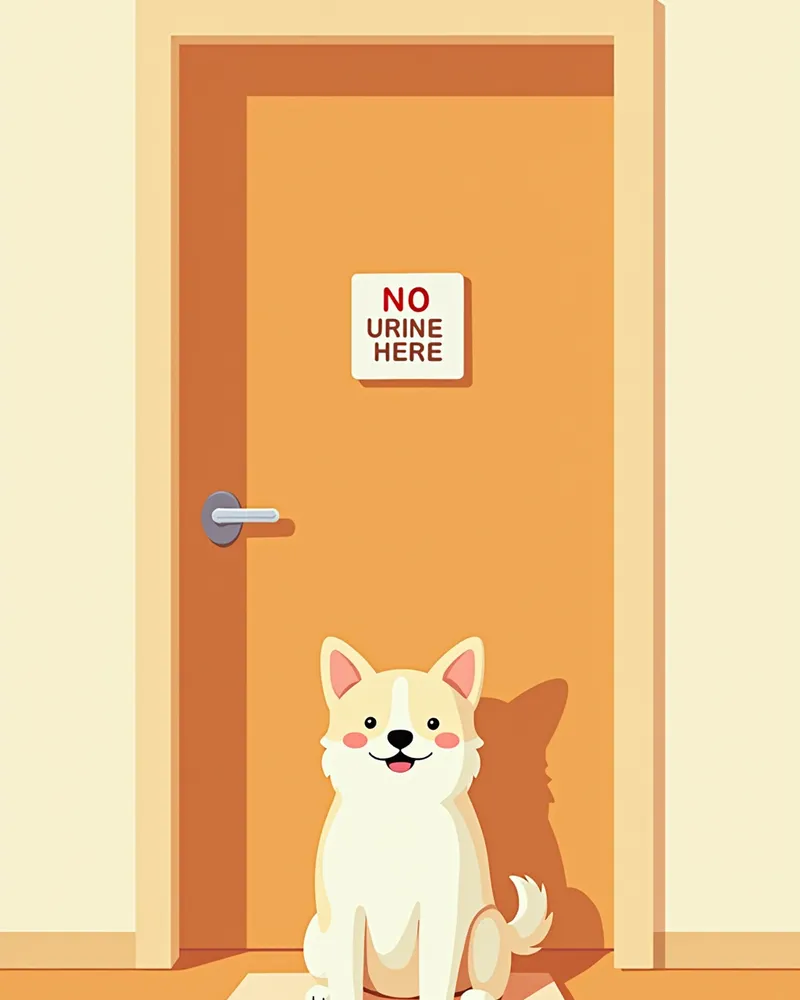
Dogs that developed urinary incontinence after neutering
Urinary incontinence after spaying is a relatively common change in female dogs, known to be associated with decreased function of the urethral sphincter (urethral sphincter mechanism incompetence, USMI). It is observed more frequently in females that have undergone ovariohysterectomy, and is reported to occur in approximately 20% of spayed females. The onset varies by individual; rather than appearing immediately after surgery, it often develops about two to three years post-surgery, though it can occur at any point afterward. However, it does not affect all dogs. While this may be a physiological change, it can be confused with diseases such as urinary tract infections, so identifying the exact cause is important. Although this is not an immediate emergency, consult your veterinarian if symptoms persist. Early management can positively influence the prognosis.

The Main Cause of Urinary Incontinence Is Hormonal Imbalance
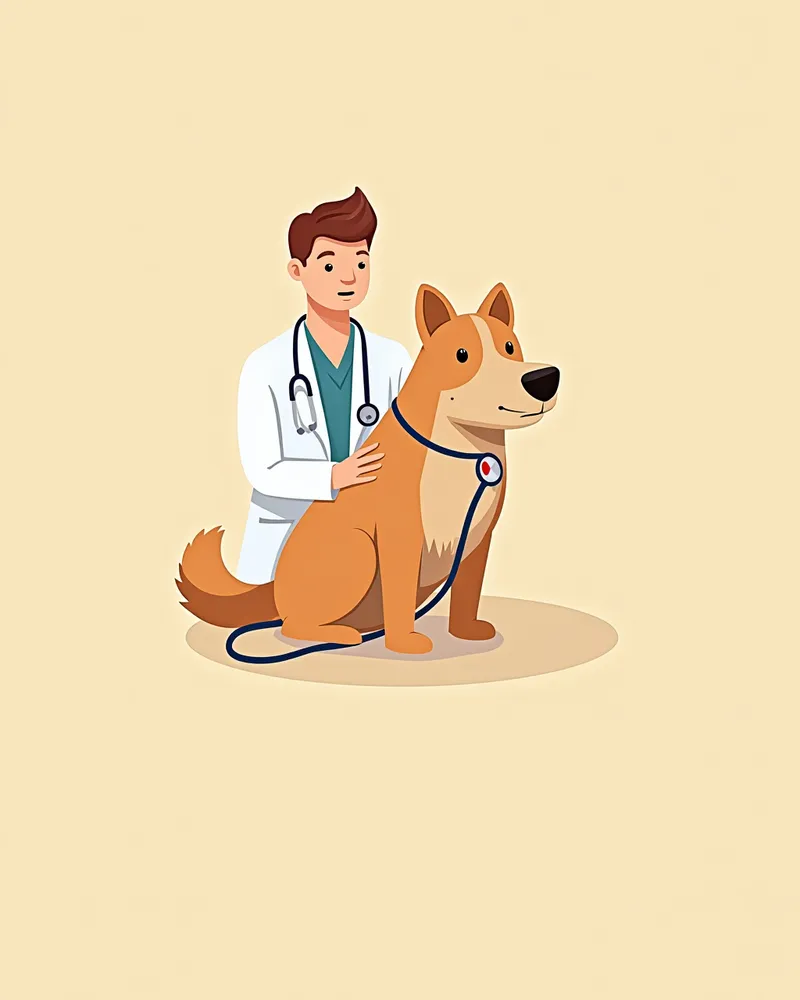
The most common cause of urinary incontinence in spayed females is urethral sphincter mechanism incompetence (USMI), as the drop in estrogen levels after spaying can affect urethral tone and sphincter function. However, this does not always lead to incontinence, as susceptibility varies by individual constitution and sex, with females being more commonly affected. A veterinarian can determine the underlying cause through a review of medical history and diagnostic tests. If symptoms are mild, monitoring may be sufficient, but persistent cases require management. Treatment approaches depend on the cause and may include medication.
The veterinarian is diagnosing the cause of urinary incontinence after neutering.

Signs to Check When You Suspect Urinary Incontinence
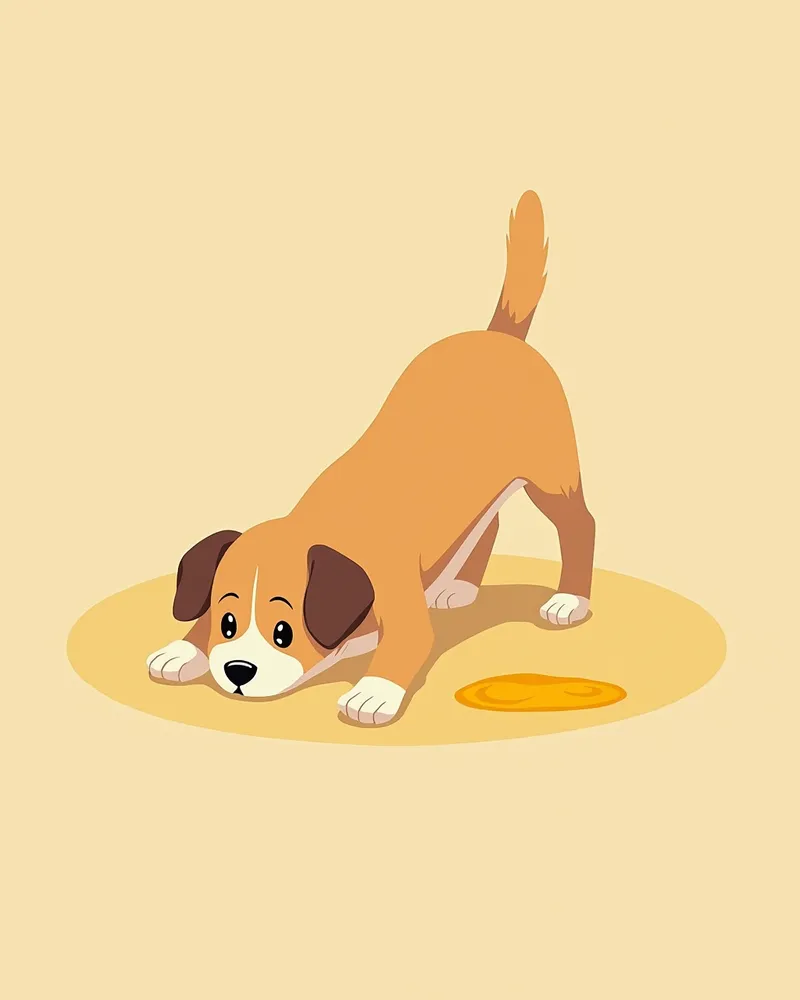
Frequent urination: Your pet urinates multiple times a day or appears to make frequent attempts to urinate.
Accidents on the bed or carpet: You notice urine stains on their resting or sleeping area, even though they didn’t intend to go there.
Urinary leakage during sleep: Small amounts of urine leak involuntarily while deeply asleep — this is one of the most characteristic signs of urethral sphincter incompetence.
Involuntary dribbling: Urine leaks out gradually without your pet’s control or intention.
Anxiety-related behavior: Your pet shows unusual tension or anxiety due to wet spots or frequent urination.
If these signs persist, consult your veterinarian.
Checking for signs of urinary incontinence in your dog

When Immediate Veterinary Visit Is Necessary

If your pet shows signs of pain while urinating, or if the urine appears red or cloudy, it could indicate a urinary tract infection or kidney issue, so a veterinary visit within 24 hours is necessary. Additionally, if incontinence persists more than a year after surgery, the underlying cause should be reevaluated.

Treatment Involves a Combination of Medication and Lifestyle Improvements

After identifying the cause of urinary incontinence, your veterinarian will determine the appropriate treatment plan. If the condition is related to hormonal changes, estrogen preparations such as estriol or phenylpropanolamine (an alpha-agonist) may be considered. Estriol is typically administered once daily, starting at a higher dose that is gradually reduced to the lowest effective dose. Because individual responses vary, your pet’s progress will be evaluated after a period of treatment. Establishing a regular elimination routine and ensuring your pet urinates before bedtime can also be helpful. For overweight pets, weight loss is recommended, and thorough cleaning after elimination is essential. Regular check-ups are also important. The long-term success rate of medication is reported to be around 50%, and lifelong management may be necessary; however, with proper treatment and care, symptoms improve in many cases.
Your dog is currently taking medication prescribed by the veterinarian.

Home Care Tips

Set a consistent bathroom schedule: Encourage your pet to relieve themselves at the same times each day, typically two to three times.
Clean up immediately after urination: Wipe the area right away and use an odor eliminator.
Restrict access to beds and sofas: Prevent your pet from sleeping on beds or couches.
Maintain a healthy weight: Obesity can contribute to urinary incontinence, so keep your pet at an appropriate weight.
Schedule regular check-ups: Consult with your veterinarian for periodic urine tests and monitoring of your pet’s condition.
Provide a stable environment: Minimize stress by maintaining a consistent and calm living space.
Tips for managing your puppy at home

Comparison Table of Urinary Incontinence Treatments

Item약물효과 기간부작용비용
에스트로겐 유사제(에스트리올)개별 반응에 따라 다름식욕 감소, 구토, 과도한 음수, 외음부 부종(대개 빠르게 호전)월 3만 원
요도 지지대(요도 occluder)장기적 효과 가능성감염 위험, 수술 부작용50만 원
생활 습관 개선지속적 효과부작용 없음무료

약물은 개별 반응에 따라 효과가 다를 수 있으며, 장기간 복용 시 수의사와 상의해 경과를 확인하는 것이 좋아요. 생활 습관 개선은 비용이 들지 않지만, 꾸준한 노력이 필요해요.

Precautions When Taking Medication

Estrogen preparations like estriol may cause side effects such as decreased appetite, vomiting, excessive thirst, and vulvar swelling during the initial stages of treatment, but these symptoms typically improve quickly in most cases. Unlike older estrogen medications, estriol is known to have a lower association with bone marrow suppression. Nevertheless, it’s important to follow your veterinarian’s instructions for regular monitoring and to inform them of all medications your pet is taking, as drug interactions may occur.

Reviewed by a veterinarian

Dr. Tony — Punnawat Phongkittirak

Dr. Tony — Punnawat Phongkittirak

Veterinarian

A veterinarian who majored in veterinary medicine at Khon Kaen University, Thailand, and completed the IVSA program at North Carolina State University in the United States. Drawing on clinical experience at animal hospitals, he works in the pet healthcare field and is dedicated to building a digital care environment that connects pet parents with veterinarians.

Frequently Asked Questions

Will urinary incontinence be completely cured after spaying or neutering?
Treatment for urinary incontinence depends on the underlying cause. If it is related to hormonal changes, symptoms may improve with medication or lifestyle adjustments, but many cases require lifelong management. Urethral sphincter mechanism incompetence typically appears about two to three years after neutering, and because there is significant individual variation, consistent care and ongoing monitoring are essential.
Can urinary incontinence be predicted before surgery?
Urinary incontinence tends to be more common in spayed female dogs, but because there’s significant individual variation, it’s difficult to predict exactly which dogs will be affected.
If my pet develops urinary incontinence, do they need to be spayed or neutered again?
No. Repeating the surgery won’t help. In fact, being spayed or neutered is already known to increase the risk of urinary incontinence, so another surgery won’t address the underlying cause. It’s more appropriate to manage the condition with medication and lifestyle adjustments.
How long should my pet take the medication for incontinence?
The duration of medication varies depending on your pet’s individual response and the underlying cause. Typically, after a set period of treatment, we evaluate its effectiveness. If symptoms improve, we may gradually reduce the dose to the lowest effective level or discuss with your veterinarian whether to continue the medication. In many cases, however, lifelong management may be necessary.
How can I help my pet at home if they develop urinary incontinence?
Setting a consistent schedule for bathroom breaks, cleaning up immediately after urination, and restricting access to the bed can be helpful. If your pet is overweight, weight management is important, and any therapeutic interventions should be determined in consultation with your veterinarian.

Share

Related Guides

References

[1] The Dog Care Handbook, Things I Wish My Vet Had Told Me, 2024

[2] Handbook on Field Veterinary Surgery, Ch19: Ovariohysterectomy in Canines and Felines, 2023

[3] Plumb's Veterinary Drug Handbook, 10th Edition, 2022

This information is based on veterinary literature and does not replace diagnosis or treatment. Please consult a veterinarian for specific health concerns.

Metapet Co., Ltd. | CEO: Park Sung-yong | Business Reg. No. 417-88-02562 | Seoul, South Korea | Customer Center

Dog Incontinence After Spaying? 5 Key Questions Answered | Meongsiljang