Like
Share
멍실장
반려동물 약보관법과 유효기간 완벽 가이드

The Complete Guide to Pet Medication Storage and Expiration Dates

ImmunityQ&AMeongsiljang Veterinary Advisory Board

To keep your pet’s medications safe, store them in a controlled environment with proper temperature, humidity, and light protection, and always monitor both the expiration date and the in-use period after opening. Here’s a complete guide to storage methods and disposal guidelines for different types of medications.

Why Is Storing Pet Medications So Tricky?
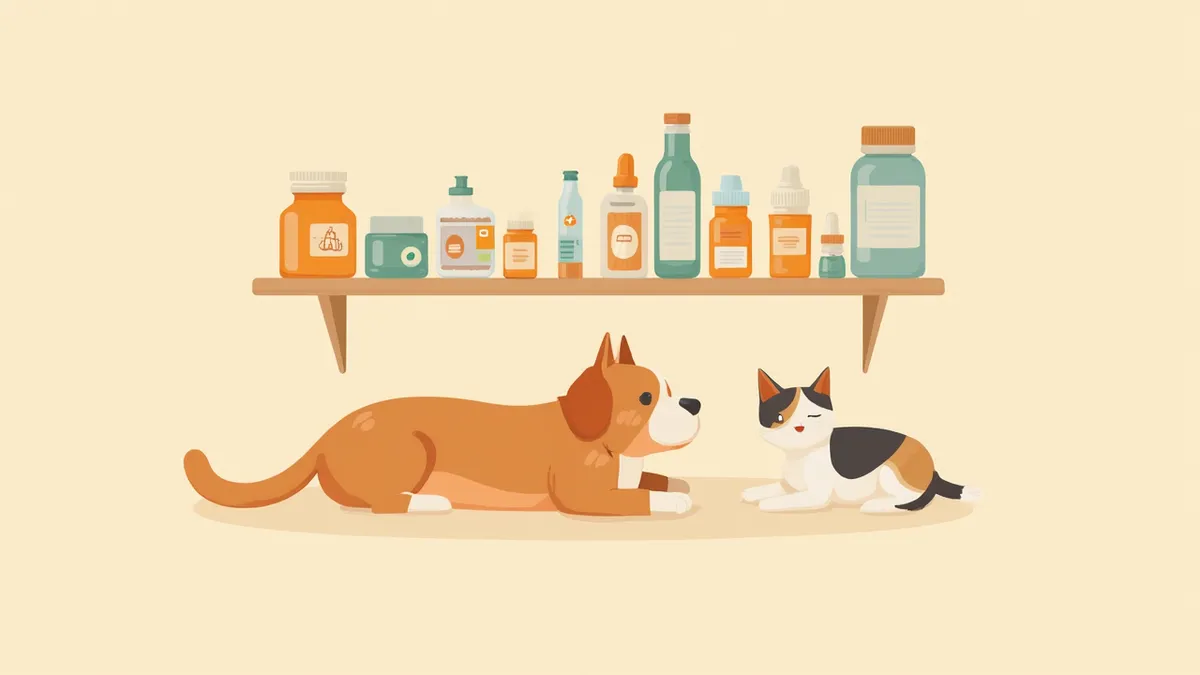
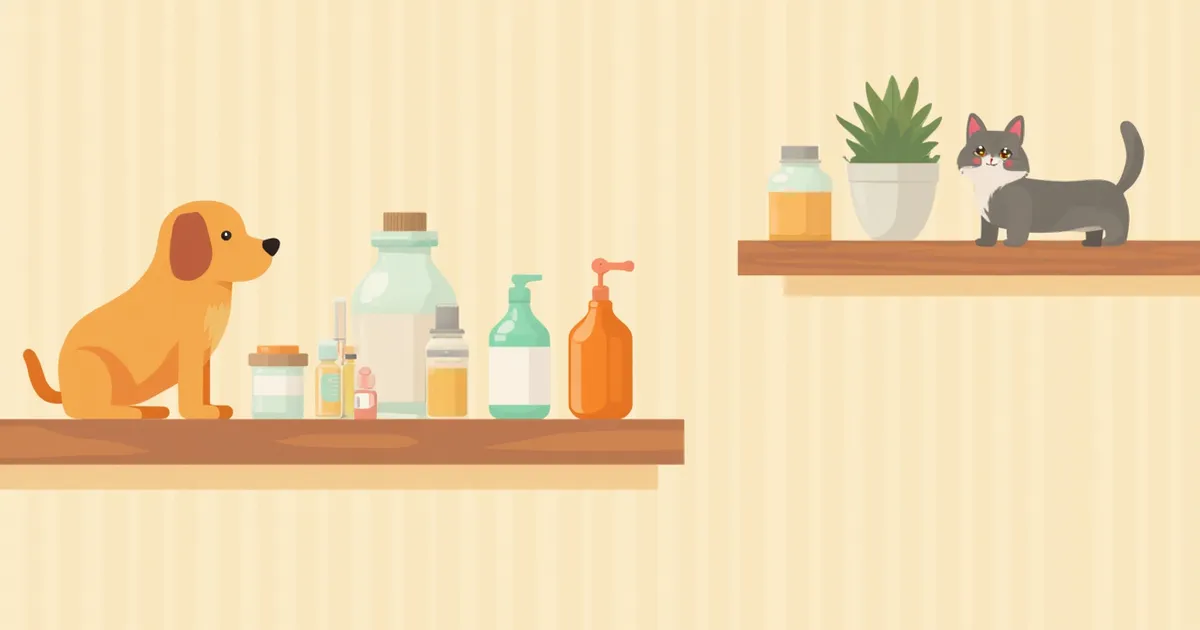
A home medicine cabinet neatly organized with pet medications.
Proper storage of pet medications is essential for maintaining their efficacy and safety, requiring careful attention to temperature, humidity, light exposure, and the expiration date after opening. What truly matters is not just checking the printed expiration date, but also adhering to the "use-by" period once the package is opened. Even for the same medication, many products must be used within days or weeks after opening or after mixing the powder with water, as specified in the product instructions. If medications are not stored according to the conditions listed on the label, their stability may degrade, potentially reducing their effectiveness. Let’s go through each storage guideline step by step, based on the manufacturer’s instructions.

Problems Caused by Improper Medication Storage

A medication’s stability can vary depending on its exposure to heat, humidity, and light, as well as how it’s stored. That’s why veterinary pharmacology textbooks recommend storing all medications according to the instructions on their labels. Some drugs need to be kept in light-resistant containers, while water-based preparations like syrups and suspensions should be refrigerated to maintain stability—but only used within the specified timeframe. In fact, some compounded medications remain stable for just a few days to a few weeks, even when refrigerated. Improper storage can reduce a drug’s effectiveness. If you notice any unusual odor, color change, or clumping, do not use the medication.

Storage Methods by Medication Type at a Glance

ItemRoom-Temperature StorageRefrigerated StorageLight-Protected Storage
Tablets & Capsules✅ 20–25℃❌ Not needed✅ Needed
Powders & Split Tablets✅ Dry place❌ Beware of moisture✅ Needed
Liquid Syrups & SuspensionsSome only✅ 2–8℃ recommended✅ Needed
Eye & Ear DropsRoom temperature OK after opening (varies by product)✅ Some products require refrigeration before opening✅ Needed
Insulin & Vaccines❌ Prohibited✅ 2–8℃ required✅ Needed

The product label instructions take top priority. This table is only a general guideline—please always check each individual product's leaflet.

Expiration Date vs. Beyond-Use Date: What’s the Difference?
These two concepts are entirely different.
Expiration Date: This is the final date by which the manufacturer guarantees the product's quality, provided it remains unopened.
Beyond-Use Date: This refers to the period during which the medication remains usable after it has been opened for the first time or, in the case of powders, after being mixed with water.
For example, even if an antibiotic syrup has an expiration date of two years, it should be used up within a relatively short period after preparation or opening, as specified in the product instructions. In fact, some compounded medications maintain their stability for only a few days to a few weeks, even when refrigerated. Similarly, the beyond-use date for eye drops varies by product, so it is essential to check the duration indicated on the label. The same applies to refrigerated medications, including insulin; their beyond-use dates differ by product, so always refer to the guidelines printed on the label.
Checking the expiration date on the medicine bottle label.

Never Give Expired Medication

Medications past their expiration date are no longer guaranteed by the manufacturer to maintain their quality, so they may not work as expected. This is especially true for syrups mixed with water or light-sensitive drugs, which can lose stability quickly if stored outside the recommended conditions and timeframe. We do not recommend giving pets medications whose stability is no longer assured, so please don’t feed them just because it feels wasteful. Instead, dispose of any leftover medication in the collection bins provided at veterinary clinics or pharmacies. Avoid flushing them down the toilet or sink, as this can harm the environment.

Five Must-Follow Rules for Storing Medications at Home
Temperature: When a label says “room temperature,” it means 20–25°C. Never store medications in a car during the summer.
Humidity: Bathrooms are too humid and are the worst place to store medications.
Light: Avoid windowsills exposed to direct sunlight and keep medications in their original containers.
Containers: Do not transfer medications to different containers; keep them in their original packaging with the labels intact.
Separation: Always store human and pet medications separately to prevent dangerous mix-ups.
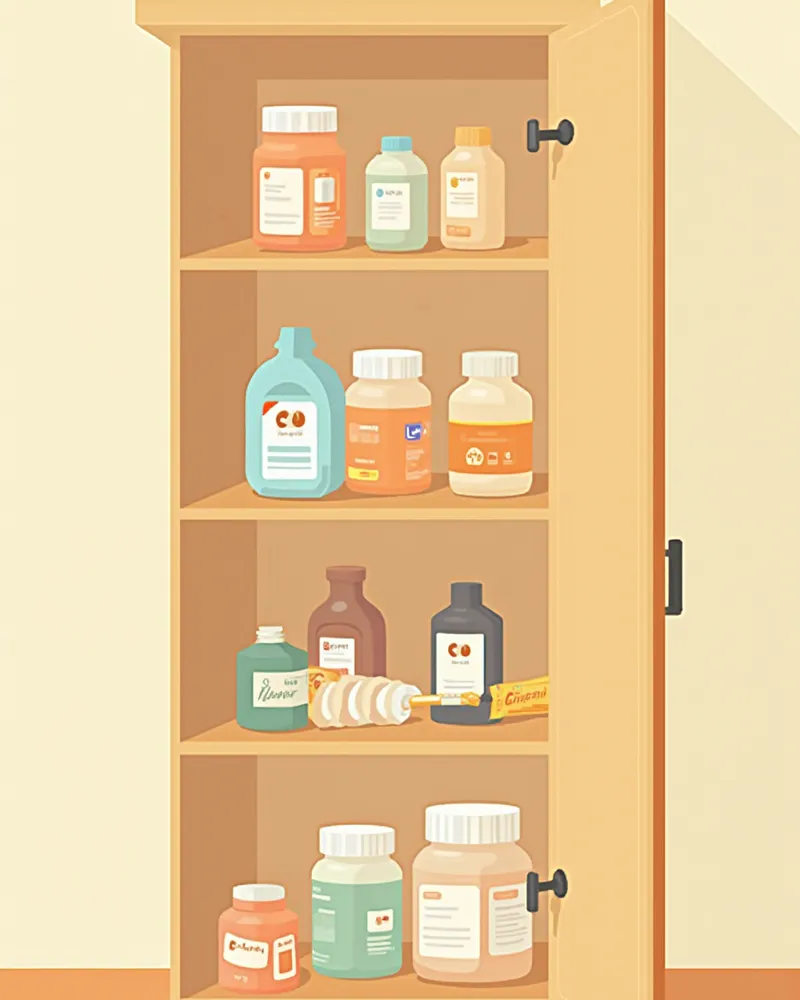
Pet medications stored in their original containers in a cool, dry cabinet

How to Handle Medications That Require Refrigeration

Some products, such as insulin, certain antibiotic syrups, and opened eye drops, need to be stored in the refrigerator at 2–8°C. For these medications, it’s most important to follow the storage temperature indicated on the label. However, freezing is not recommended, as the freeze-thaw cycle can compromise the drug’s stability and reduce its effectiveness. Since temperatures fluctuate more in the refrigerator door, it’s best to store these items on an inner shelf. When traveling or going out, use an insulated bag with ice packs, but wrap the medication in a towel to prevent direct contact with the ice packs.

Discard Immediately If You See These Signs

Even if the expiration date hasn’t passed, do not use the medication if you notice any of the following signs: • Tablets that have changed color, crumbled, or clumped into powder • Syrups or suspensions showing layer separation, clumps, or an unusual odor • Eye or ear drops that appear cloudy or contain visible particles • Creams or ointments that have separated into a watery consistency or hardened • Insulin that looks cloudy or has formed clumps (in the case of rapid-acting insulin) If you’re unsure, the safest approach is to send a photo to the veterinary clinic that prescribed the medication for guidance.

Can You Use Leftover Medication Next Time?

It’s risky to give leftover antibiotics on your own if the same symptoms recur. The underlying cause may have changed, and an insufficient dose can lead to antibiotic-resistant bacteria. Pain relievers and steroids also require dosage adjustments based on changes in your pet’s weight and liver or kidney function, so always consult your veterinarian before reusing them. On the other hand, non-prescription products like supplements and probiotics can be continued as long as they’re within their expiration date and have been stored properly.

Reviewed by a veterinarian

Dr. Tony — Punnawat Phongkittirak

Dr. Tony — Punnawat Phongkittirak

Veterinarian

A veterinarian who majored in veterinary medicine at Khon Kaen University, Thailand, and completed the IVSA program at North Carolina State University in the United States. Drawing on clinical experience at animal hospitals, he works in the pet healthcare field and is dedicated to building a digital care environment that connects pet parents with veterinarians.

Frequently Asked Questions

Can I split the medication in half and store it that way?
Split tablets degrade more quickly when exposed to air and moisture. Only split the dose for that day, and store the remaining tablets in their original form. For long-term storage, consider using a pill splitter and an airtight weekly case.
The label says to refrigerate, but I accidentally left it at room temperature. Should I throw it away?
A few hours is usually fine, but if the medication has been exposed to high temperatures or left out for more than a day, its effectiveness can't be guaranteed. Insulin, vaccines, and probiotics are especially temperature-sensitive. Please inform your prescribing clinic about the storage conditions and duration, and consult them about whether a replacement is needed.
Can I combine multiple medications into a single pill organizer?
No, that’s not safe. Medications can absorb moisture or react chemically with one another, and more importantly, mixing them increases the risk of accidental double-dosing due to confusion. For safety, keep each medication in its original container with the label intact, and use a weekly pill organizer clearly marked with the drug name, dosage, and administration times.
My pet swallowed human medication. What should I do?
Contact a 24-hour veterinary clinic immediately. Write down the medication name, ingredients, dosage, time ingested, and your pet's weight beforehand to expedite the response. Do not induce vomiting based on online information, as this can be dangerous; always follow your veterinarian's instructions.
How should I pack my pet’s medications when traveling?
Bring the original medication containers along with a copy of the prescription. Store refrigerated medications in a cooler bag, and divide pills into a weekly pill organizer. If you’re traveling abroad, check the airline and destination regulations in advance, and always carry medications in your carry-on luggage rather than checking them in.

Share

Related Guides

References

[1] Riviere JE, Papich MG, Veterinary Pharmacology and Therapeutics, 10th Edition, Wiley-Blackwell, 2018

[2] Plumb DC, Plumb's Veterinary Drug Handbook, 9th Edition, Wiley-Blackwell, 2018

[3] Maddison JE, Page SW, Church DB, Small Animal Clinical Pharmacology, 2nd Edition, Saunders Elsevier, 2008

This information is based on veterinary literature and does not replace diagnosis or treatment. Please consult a veterinarian for specific health concerns.

Metapet Co., Ltd. | CEO: Park Sung-yong | Business Reg. No. 417-88-02562 | Seoul, South Korea | Customer Center

Pet Medication Storage & Expiration Dates: Complete Guide | Meongsiljang