Like
Share
멍실장
강아지 신우신염 자주 묻는 질문 Q&A — 보호자가 꼭 알아야 할 핵심

Frequently Asked Questions About Pyelonephritis in Dogs — Key Information for Pet Owners

UrinaryQ&AMeongsiljang Veterinary Advisory Board

Pyelonephritis in dogs is a condition where inflammation spreads to the kidneys as cystitis progresses. Early detection and appropriate treatment are essential.

What is Pyelonephritis in Dogs?
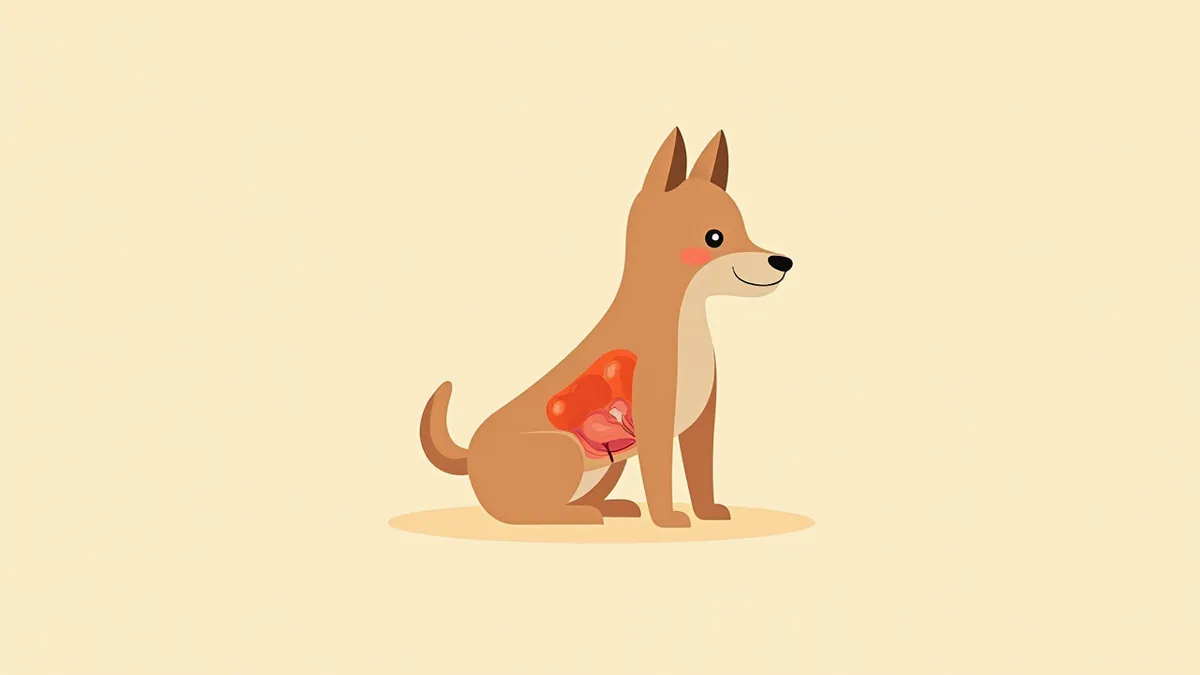
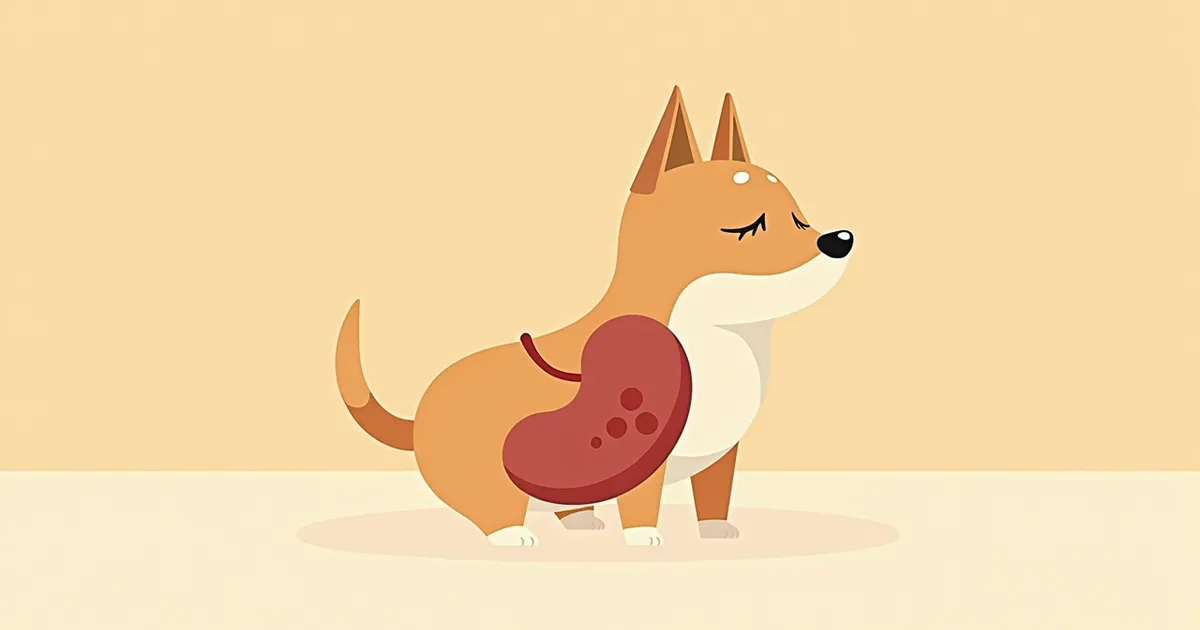
A diagram of the urinary system in dogs, including the kidneys and ureters.
Pyelonephritis in dogs is an inflammatory condition that occurs when a lower urinary tract infection ascends to the kidneys. It is primarily caused by bacteria, especially Escherichia coli, and commonly develops when cystitis progresses. - Kidney function damage: Because pyelonephritis directly affects the structure and function of the kidneys, early treatment is essential. - Importance of early detection: Although initial symptoms may be mild, ignoring them can lead to chronic kidney disease. - Treatment success rate: Most dogs recover with appropriate treatment, but delays increase the risk of complications. Since this condition can pose a serious health threat to dogs, consult your veterinarian immediately if you suspect any symptoms.

What are the Main Causes of Pyelonephritis?

The most common cause of pyelonephritis in dogs is bacterial infection, with Escherichia coli being the most frequently identified pathogen. - Ascending infection: Infections typically follow an ascending route, starting in the bladder or urethra and spreading upward to the kidneys, though they can rarely spread through the bloodstream. - Impact of underlying conditions: Diabetes, chronic diseases, immunosuppression, urinary tract obstructions, or anatomical abnormalities can increase the risk of infection. - Use of medical devices: The use of urinary catheters or the presence of urinary tract obstructions can elevate the risk of infection, so caution is necessary. - Preventive care: Maintaining a clean environment and ensuring adequate water intake can help prevent infections. Early diagnosis and appropriate management can reduce the risk of complications.
Microscopic image of E. coli found in a urine sample

What are the Main Symptoms of Pyelonephritis?

The main symptoms of pyelonephritis in dogs include fever, hind leg pain, difficulty urinating, frequent urination, and blood in the urine. - Sensitivity in the kidney area: The dog may react painfully when the kidney area is touched, or it may have weakened hind legs, making it difficult to walk. - Systemic symptoms: Loss of appetite, weakness, lethargy, and decreased activity levels are also common signs. - Abnormalities in urine: If a urinalysis shows an increase in white blood cells, protein, or bacteria, kidney inflammation should be suspected. - Need for early response: If symptoms appear, immediate veterinary care is necessary. Delaying treatment can worsen kidney function damage. Early detection is crucial for recovery.
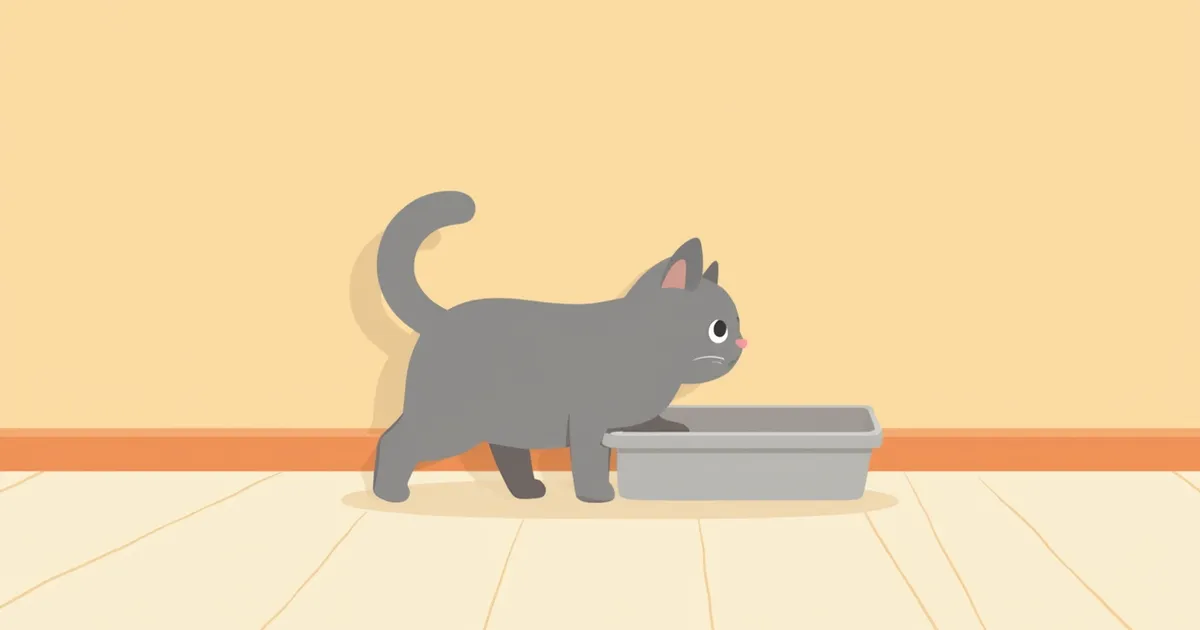
A dog adopting a hunched posture due to kidney pain

Signs Requiring Immediate Veterinary Care

If your dog is showing signs of severe pain, is unable to urinate at all, experiences persistent vomiting or fever, or becomes so weak that it cannot move, immediate veterinary care is necessary. This could indicate that pyelonephritis has worsened to a severe stage or that the infection has spread into the bloodstream (urosepsis). Delayed treatment can lead to kidney damage or chronic kidney disease.

What Tests are Needed for an Accurate Diagnosis?

Diagnosing pyelonephritis in dogs can be challenging because the clinical signs are often vague and there is no single definitive test. Therefore, veterinarians rely on a comprehensive evaluation of urine tests, urine cultures, blood work, and ultrasound imaging. - Urinalysis: Checks for increases in white blood cells, protein, and bacteria to determine if an infection is present. - Urine Culture and Sensitivity Testing: Recommended to identify the specific causative bacteria and select the most effective antibiotic. - Blood Tests: Elevated kidney function markers (creatinine and BUN) may indicate kidney damage, though these levels can remain normal in the early stages. - Ultrasound: Allows visualization of kidney size and structural changes, but ultrasound alone is insufficient for a definitive diagnosis. - Comprehensive Evaluation: Diagnosis and treatment plans are determined by synthesizing the results from all these tests.
Ultrasound image of a dog's kidney showing inflammation and fluid accumulation

What are the Treatment Methods?

Treatment for pyelonephritis in dogs begins with antibiotics. - Antibiotic therapy: Ideally, the medication is selected based on urine culture and sensitivity test results. When these results are unavailable, drugs such as amoxicillin or amoxicillin/clavulanate are commonly used. Because kidney infections require a relatively long course of medication, it is crucial to complete the full treatment. - Pain relief: Analgesics help reduce your dog’s discomfort but do not replace antibiotic therapy. - Management of underlying conditions: If your dog has diabetes or a compromised immune system, these conditions must be managed concurrently. - Hydration: Encourage adequate water intake and provide an environment that facilitates urination. If kidney function declines, drug excretion may decrease, potentially requiring dosage adjustments. - Regular check-ups: After treatment, repeat urine and blood tests to monitor recovery progress.
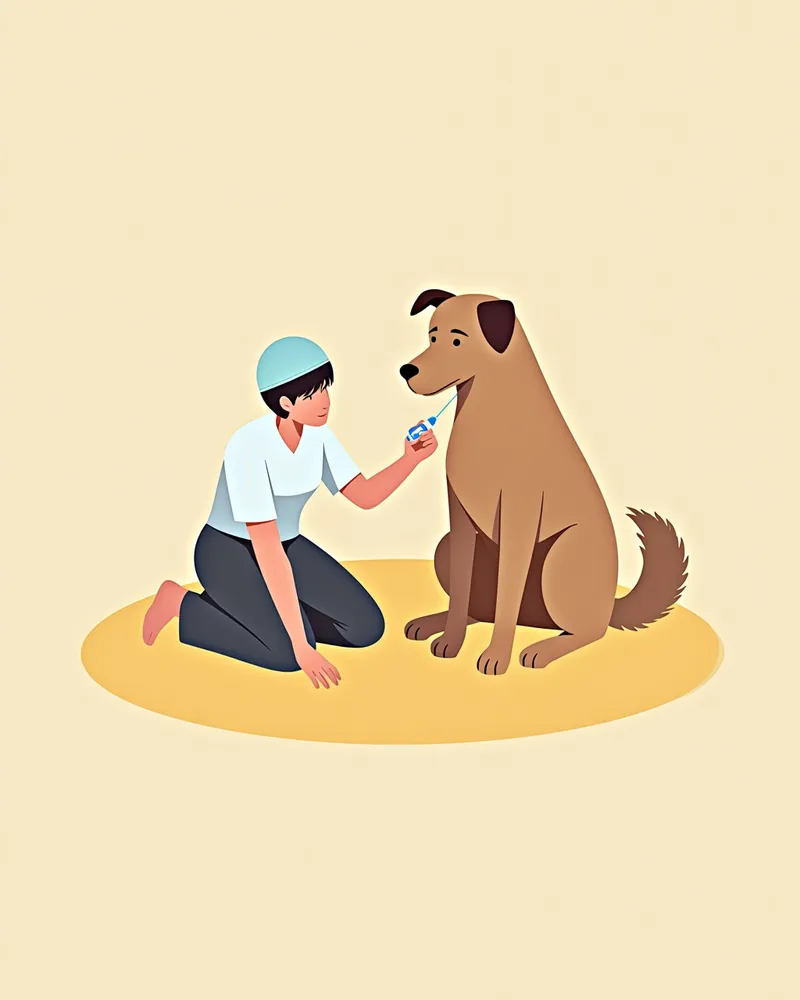
A veterinarian administering antibiotics to a puppy

Comparison of Management Strategies by Severity of Symptoms

ItemMain symptomsHow to respondWhether to visit the clinic
MildIncreased urination frequency, slight painAntibiotics prescribed after veterinary consultationManageable at home
ModerateFever, decreased appetite, hind leg painAntibiotics + pain relieversVisit the clinic within 24 hours
SevereVomiting, weakness, inability to urinateHospitalization, IV fluids, strong antibioticsImmediate clinic visit essential

If symptoms worsen or persist, an immediate clinic visit is necessary.

Points to Note: Preventing Recurrence and Managing Underlying Conditions

Pyelonephritis carries a high risk of recurrence in pets with underlying health conditions. Diabetes, chronic kidney disease, and immunosuppressed states increase susceptibility to infection, making regular veterinary check-ups essential. Incomplete antibiotic courses can lead to bacterial resistance and relapse, so it’s important to finish the full treatment duration and follow your veterinarian’s guidance for ongoing care.

Reviewed by a veterinarian

Dr. Tony — Punnawat Phongkittirak

Dr. Tony — Punnawat Phongkittirak

Veterinarian

A veterinarian who majored in veterinary medicine at Khon Kaen University, Thailand, and completed the IVSA program at North Carolina State University in the United States. Drawing on clinical experience at animal hospitals, he works in the pet healthcare field and is dedicated to building a digital care environment that connects pet parents with veterinarians.

Frequently Asked Questions

Can pyelonephritis in dogs be treated?
Yes, with early diagnosis and antibiotic treatment, most pets can make a full recovery. However, if treatment is stopped prematurely or underlying conditions aren't properly managed, the condition may recur.
How long does it take for antibiotics to start working?
The time it takes for symptoms to improve after starting antibiotics varies greatly from pet to pet. While fever and pain may ease within a few days, there is no set timeline. Because kidney infections often require a longer course of medication, it is crucial to administer the full course of antibiotics exactly as prescribed by your veterinarian.
Does pyelonephritis require lifelong precautions?
If there are no underlying conditions, a full recovery allows for a return to normal life. However, if there is a risk of recurrence, regular check-ups and proper hydration management are essential.
What preventive measures can I take at home?
Encourage your pet to drink plenty of water, promote regular urination, seek early testing if a urinary tract infection is suspected, and manage any underlying conditions—these steps are essential.
If your dog has had pyelonephritis, what should you be mindful of going forward?
Next, have regular urine and blood tests done, and consult your veterinarian immediately if fever or pain occurs. Improve daily habits to prevent recurrence.

Share

Related Guides

References

[1] Notes on Canine Internal Medicine, 4th Ed. (2023)

[2] Urinalysis in the Dog and Cat. (2022)

[3] Clinical Medicine of the Dog and Cat, 4th Ed. (2021)

This information is based on veterinary literature and does not replace diagnosis or treatment. Please consult a veterinarian for specific health concerns.

Metapet Co., Ltd. | CEO: Park Sung-yong | Business Reg. No. 417-88-02562 | Seoul, South Korea | Customer Center

Pyelonephritis in Dogs: FAQ and When to See a Vet | Meongsiljang