Like
Share
멍실장
고양이 요도 협착 자주 묻는 질문 Q&A — 보호자가 꼭 알아야 할 핵심

Feline Urethral Stricture FAQ — Key Information Pet Owners Must Know

UrinaryQ&AMeongsiljang Veterinary Advisory Board

Feline urethral stricture is a dangerous condition that can cause acute pain and urinary dysfunction. Here’s a summary of the key information pet owners should know.

What is feline urethral stricture?
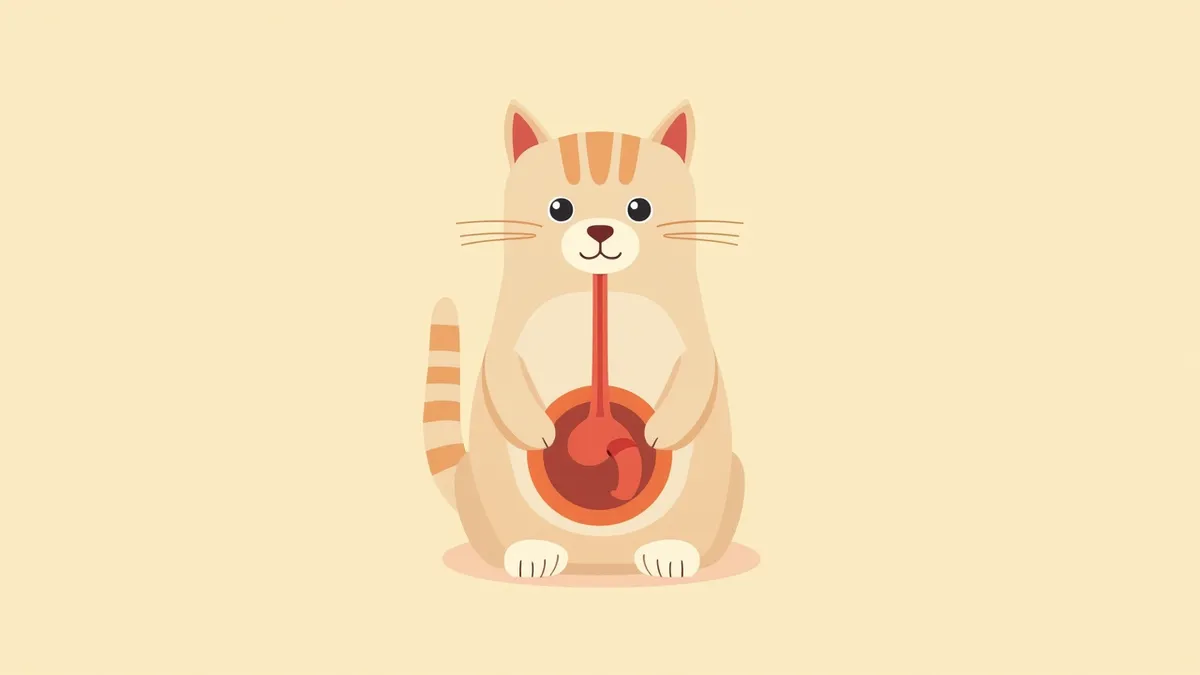
An anatomical illustration highlighting the area of urethral stricture in cats
Urethral stricture in cats is an emergency condition where the urethra narrows, preventing proper urine flow. It is more common in male cats because their urethra is thin and long, making it prone to narrowing. This condition causes acute pain, and if urine cannot be expelled, it can lead to kidney damage or even be life-threatening. Immediate veterinary care is essential. Early detection and treatment are key to preventing recurrence and ensuring recovery. Urethral stricture: A dangerous condition in which a cat’s urethra becomes blocked, preventing normal urination, and is considered a medical emergency.

What are the main causes of urethral stricture?
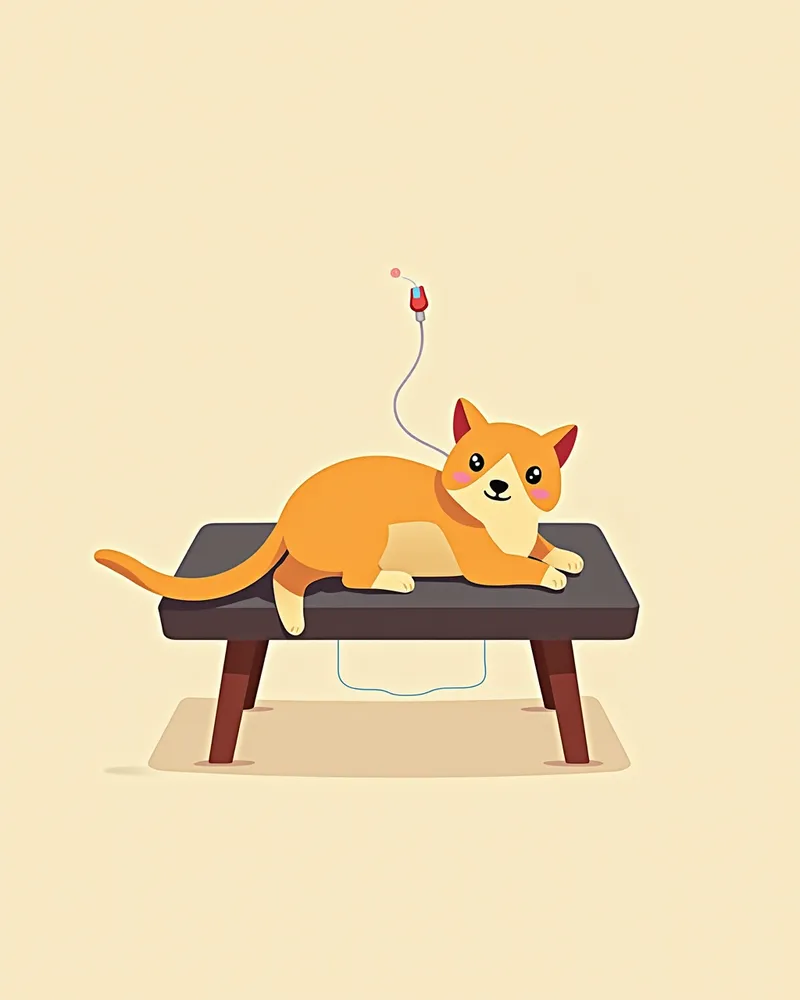
There are many reasons why the urethra can become blocked or narrowed. In cats, the most common cause is idiopathic (of unknown origin, such as idiopathic cystitis), which can be difficult to pinpoint. Urethral plugs and urinary stones that obstruct the urethra are also major causes. Other potential factors include inflammation, strictures from trauma, and, less commonly, tumors or congenital abnormalities. Among urinary stones, struvite and calcium oxalate are the most prevalent. Insufficient water intake and stress can worsen cystitis and stone formation, increasing the risk. Additionally, male cats are at higher risk for strictures and obstructions because their urethra is narrower and longer. - Urinary stones and urethral plugs: These are primary causes of urethral blockage, with struvite and calcium oxalate stones, as well as proteinaceous plugs, being common. - Stress factors: Environmental changes or discomfort with the litter box can trigger idiopathic cystitis, raising the risk of strictures and obstructions.
A veterinarian inserting a urinary catheter into a cat

What are the main symptoms of urethral stricture?

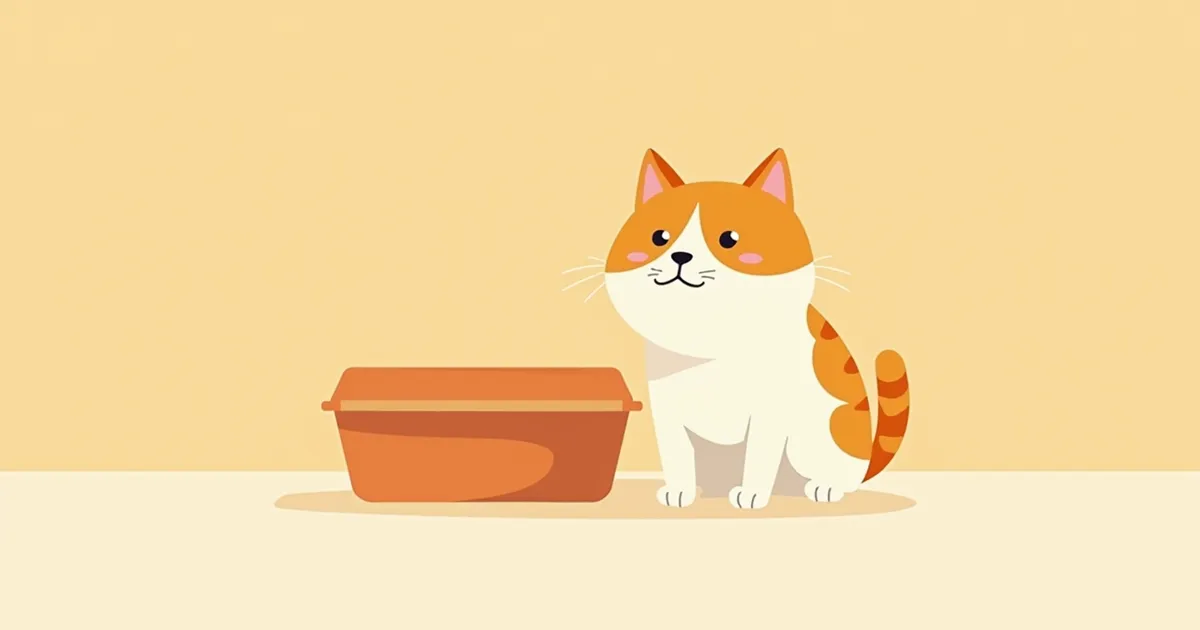
The main symptoms of urethral stricture include painful movements during urination, frequent trips to the litter box with little to no urine output, repeated attempts to urinate, restlessness, collapse, and vomiting. Male cats are especially at risk because their urethra is narrower; a stricture can quickly become a life-threatening emergency, so prompt action is essential. If you notice any of these signs, contact your veterinarian immediately and seek veterinary care as soon as possible. - Painful urination: Your cat may spend extended time in the litter box and show signs of discomfort or distress. - Reduced urine output: Urine production may be drastically decreased or completely absent. - Emergency warning signs: If your cat is unable to urinate at all or exhibits persistent vomiting and weakness, seek immediate veterinary attention. This is a serious, potentially life-threatening condition.
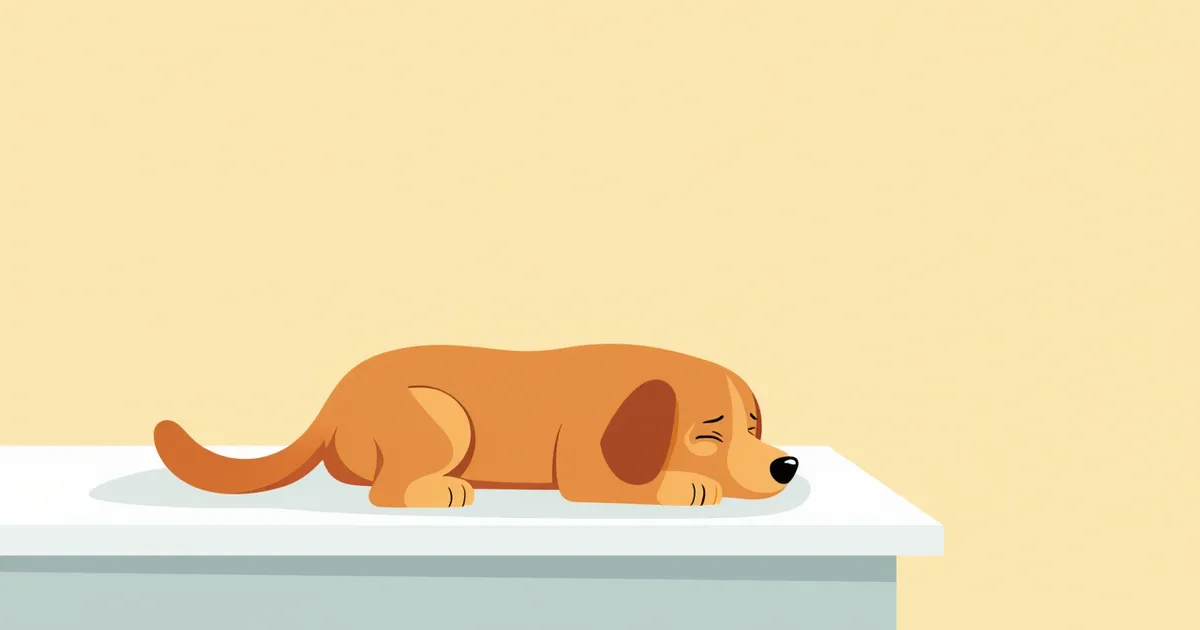
Facial expressions of a cat in pain

Signs requiring immediate veterinary visit

If your cat frequently visits the litter box but produces little to no urine, or shows signs of pain while urinating, seek veterinary care immediately. Inability to urinate for an extended period can lead to acute kidney damage and dangerous buildup of waste products and potassium in the blood. This is a life-threatening emergency.

How is urethral stricture diagnosed?
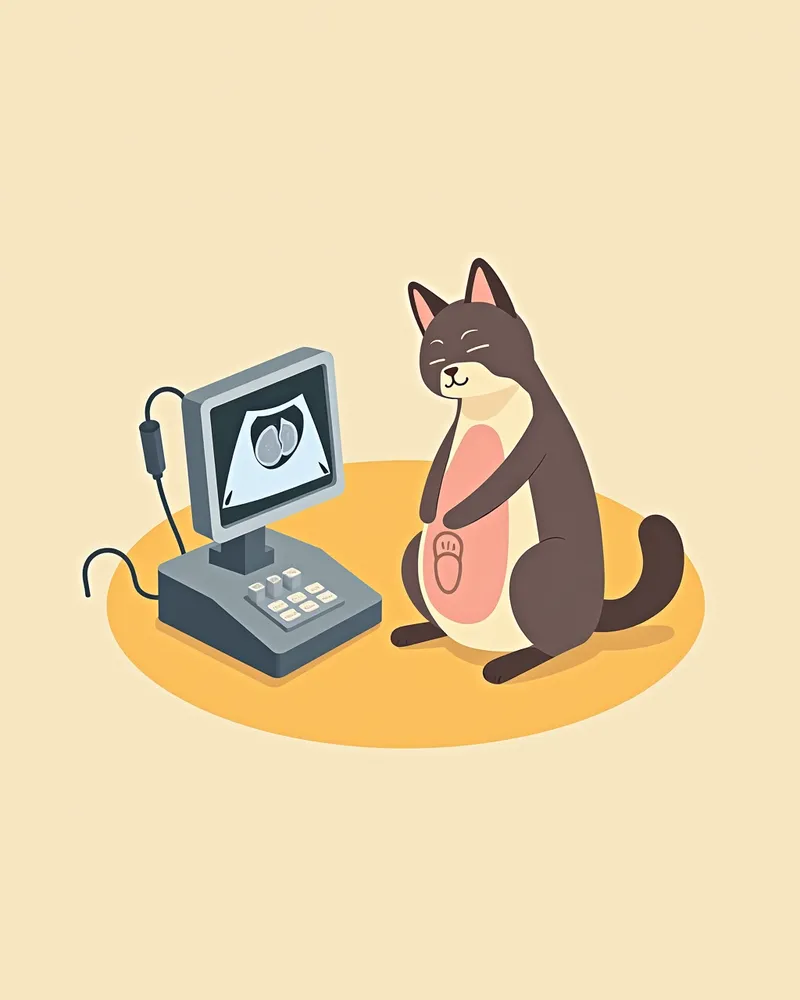
Diagnosing urethral stricture or obstruction involves a physical exam along with urinalysis, ultrasound, radiography, urethrography, and blood tests. Urinalysis and bacterial culture are basic tests to check for inflammation, infection, and the presence of crystals. Ultrasound is useful for visually identifying stones or abnormal structures within the urethra. Radiographs help determine the location and size of stones, while urethrography is used to observe narrowed areas and urine flow in the urethra. Blood tests are important for evaluating kidney function and electrolyte imbalances. - Urinalysis and Ultrasound: Urinalysis checks for infection and crystals, while ultrasound identifies stones or abnormal structures. - Blood Tests: Essential for detecting kidney dysfunction and electrolyte imbalances such as hyperkalemia.
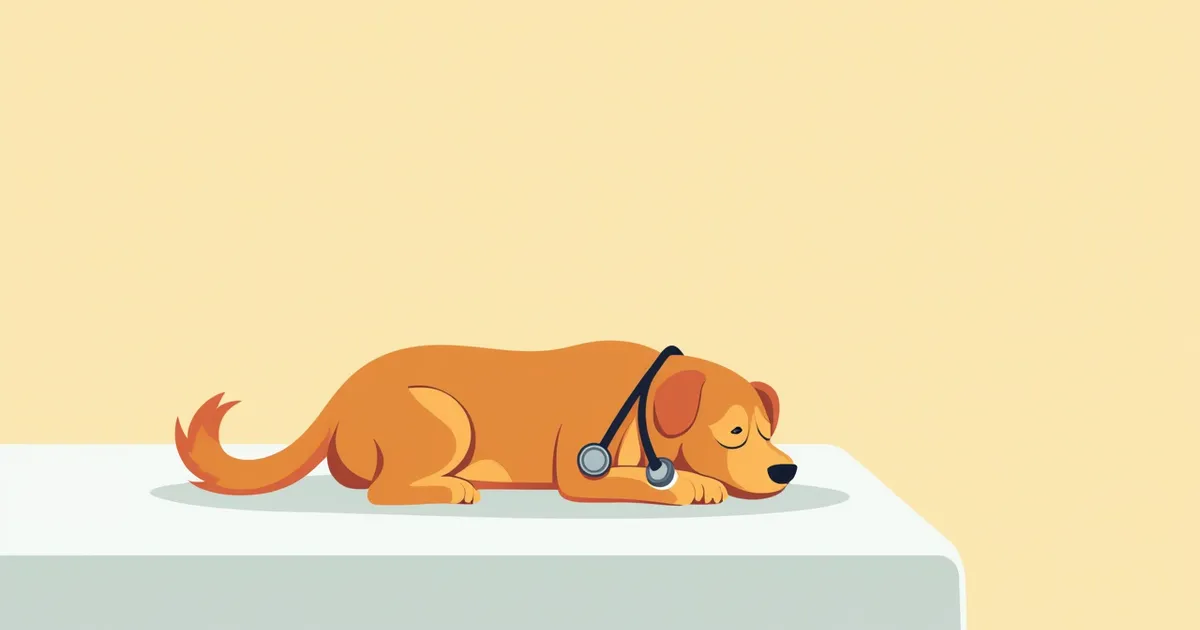
A veterinarian performing an abdominal ultrasound on a cat.

What are the treatment methods?

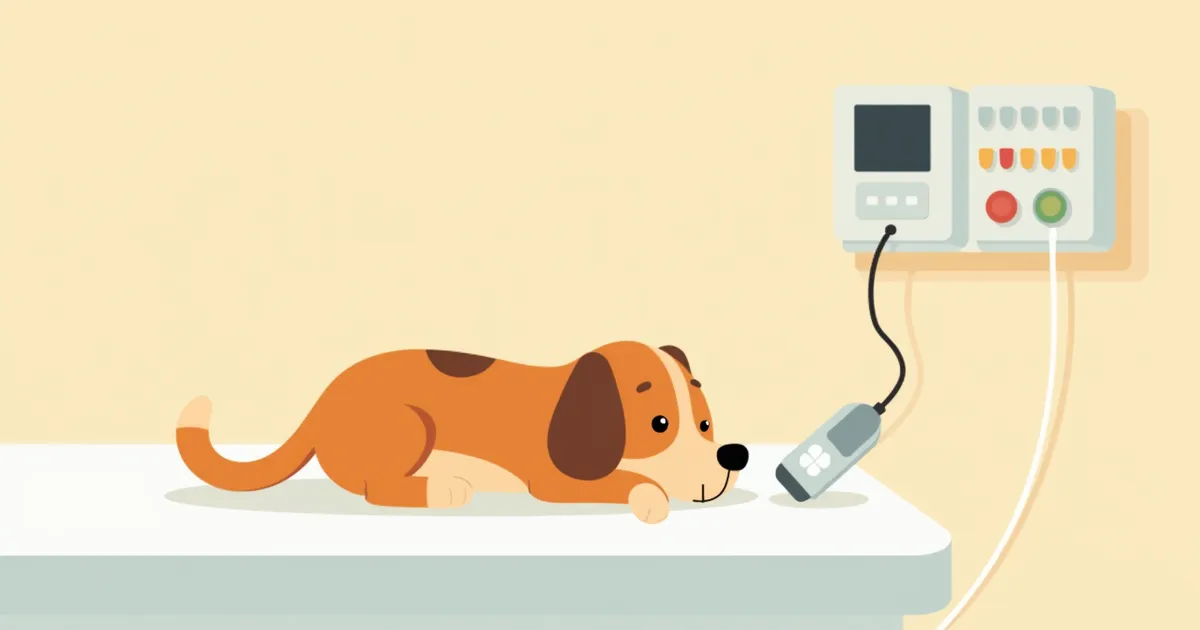
Treatment begins with inserting a urinary catheter. The catheter helps drain the blocked urine, pain medication is used to relieve discomfort, and fluid therapy is administered to correct dehydration and electrolyte imbalances. Antibiotics are only used if a bacterial infection is confirmed. In cases of recurrent blockages, surgery such as perineal urethrostomy may be necessary. After treatment, dietary management and increased water intake are essential to prevent recurrence. - Urinary catheter: An immediate measure to allow urine drainage, essential in emergency situations. - Dietary management: To prevent recurrence, it's important to adjust mineral balance using food recommended by your veterinarian.
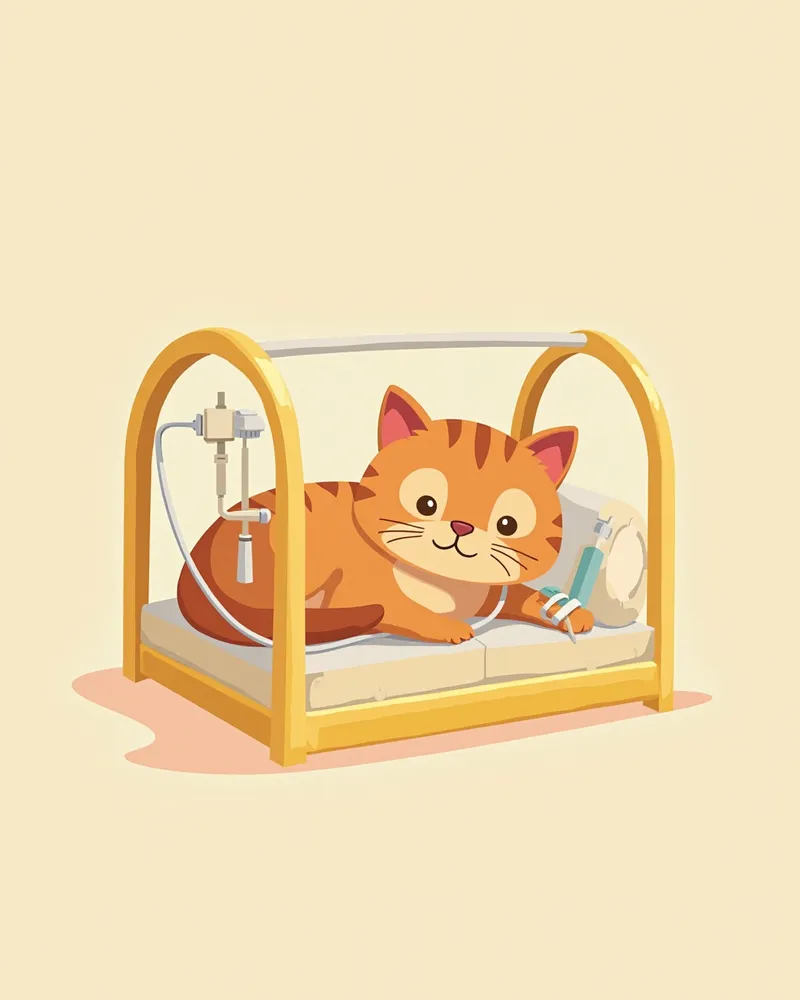
A cat recovering at the hospital, with a urinary catheter in place

Home care points

After a urethral stricture, it is essential to increase your cat’s water intake and provide moist food. Place the litter box in a clean, quiet area to minimize stress. Keep environmental changes to a minimum and monitor your cat’s health through regular veterinary check-ups. Strictly follow any dietary adjustments prescribed by your veterinarian, and transition to new food gradually. - Hydration: Encourage frequent drinking by using water fountains or dripping water features to help maintain hydration. - Environmental Stability: Maintain the litter box’s location and cleanliness to reduce stress for your cat.
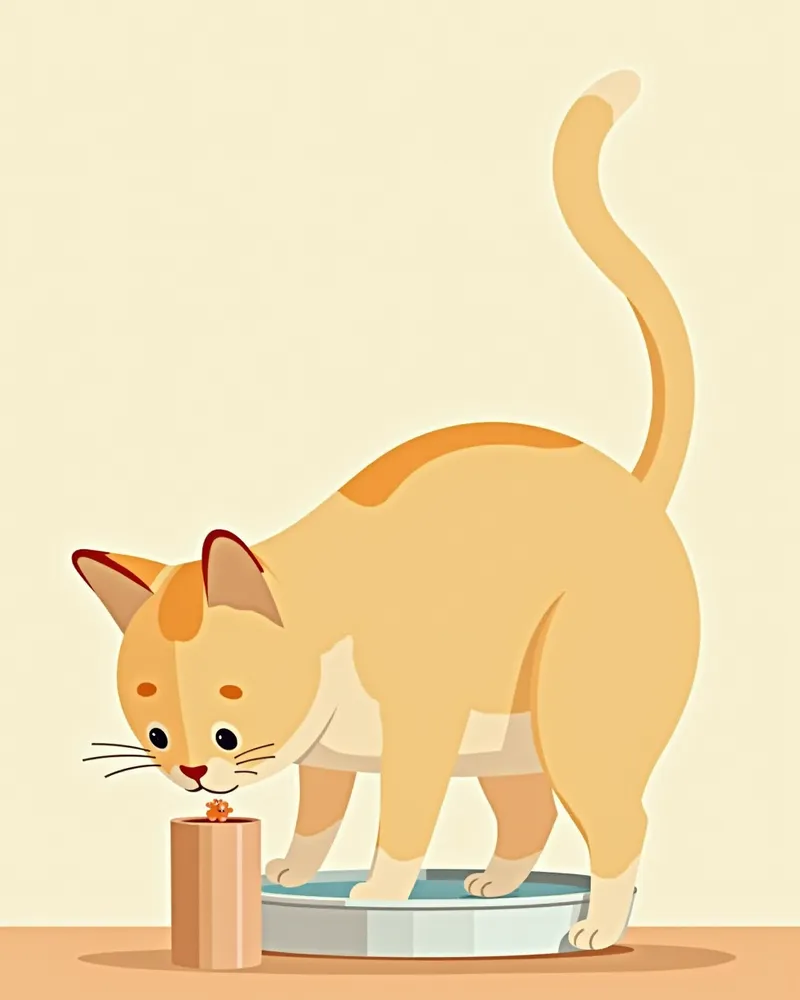
A cat drinking water from a fountain

Step-by-step comparison of urethral stricture management

ItemSymptomsEmergencyResponse
MildGoes to the litter box frequently but produces little urineNoVeterinary consultation needed
ModeratePain during urination, hunched backYesImmediate veterinary visit
SevereNo urine at all, vomiting, collapseYes (emergency)Immediate hospital → catheter insertion

The veterinarian's judgment takes top priority. If symptoms worsen, an immediate veterinary visit is recommended.

Reviewed by a veterinarian

Dr. Tony — Punnawat Phongkittirak

Dr. Tony — Punnawat Phongkittirak

Veterinarian

A veterinarian who majored in veterinary medicine at Khon Kaen University, Thailand, and completed the IVSA program at North Carolina State University in the United States. Drawing on clinical experience at animal hospitals, he works in the pet healthcare field and is dedicated to building a digital care environment that connects pet parents with veterinarians.

Frequently Asked Questions

Can feline urethral stricture be cured?
Urethral strictures are difficult to cure completely and carry a high risk of recurrence. However, you can help reduce the likelihood of recurrence by maintaining regular care and following your veterinarian’s instructions for dietary management and adequate hydration.
Does urethral stricture only occur in male cats?
While male cats are far more commonly affected, female cats can also develop urethral strictures. However, males are at higher risk because their urethra is narrower and longer, making strictures more likely to occur.
How can you prevent urethral stricture?
The key to prevention is increasing water intake, offering moist food, keeping the litter box clean, and reducing stress. Regular check-ups are also important.
What kind of diet should I feed my pet at home after urethral stricture treatment?
Vets recommend feeding a specially formulated diet as the safest option. This food contains ingredients that help prevent the formation of urinary stones. You should avoid regular pet food.
What should I do at home if my pet develops a urethral stricture?
You need to go to the vet right away. No matter how hard you try at home, urethral stricture requires professional veterinary treatment. Delaying care could be life-threatening.

Share

Related Guides

References

[1] The Cat, Clinical Medicine and Management, 2nd Edition, 2020

[2] Feline Urethral Obstruction: Diagnosis and Management, Journal of Feline Medicine and Surgery, 2021

[3] American Association of Feline Practitioners (AAFP) Feline Urinary Health Guidelines, 2022

This information is based on veterinary literature and does not replace diagnosis or treatment. Please consult a veterinarian for specific health concerns.

Metapet Co., Ltd. | CEO: Park Sung-yong | Business Reg. No. 417-88-02562 | Seoul, South Korea | Customer Center

Cat Urethral Stricture Q&A: Symptoms, Causes, and Treatment | Meongsiljang