Like
Share
멍실장
강아지 구리 축적성 간염 자주 묻는 질문 Q&A — 보호자가 꼭 알아야 할 핵심

What is Copper-Associated Hepatitis in Dogs? — Causes of Elevated Liver Enzymes and When to Visit the Vet

Liver HealthQ&AMeongsiljang Veterinary Advisory Board

Copper-associated hepatitis in dogs is a liver disease with a strong genetic component, making early detection and management crucial. Here’s a summary of the key information every pet owner should know.

What is Copper-Associated Hepatitis in Dogs?
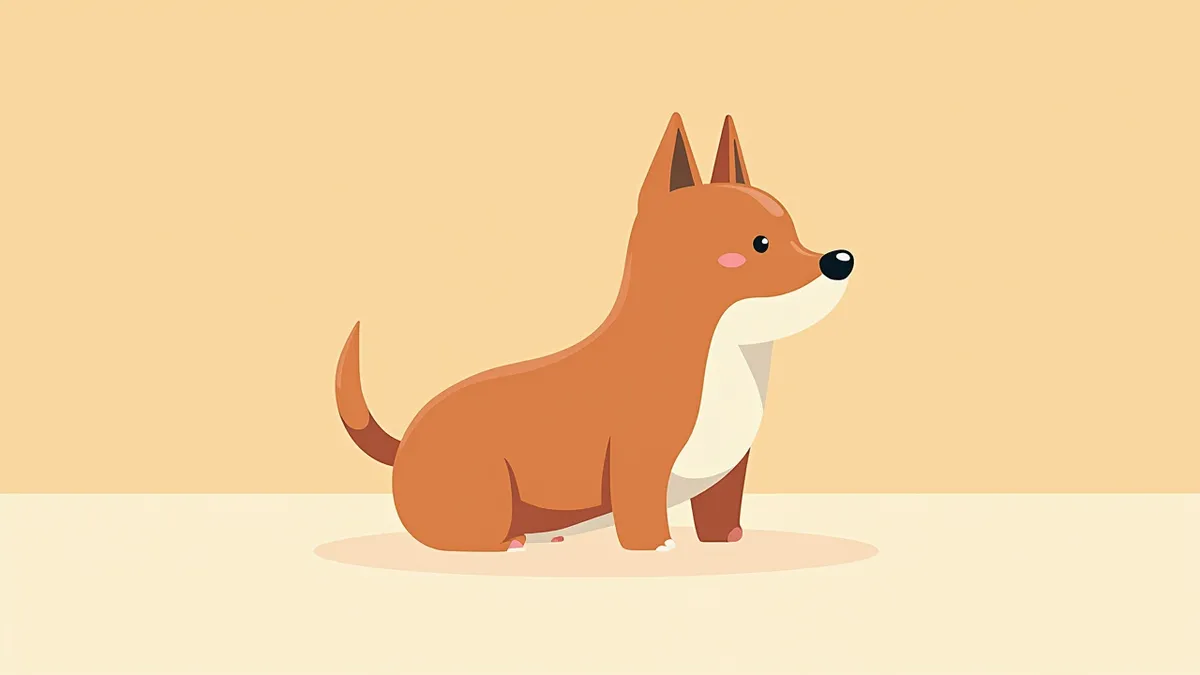
Accumulation of copper in liver tissue in copper-associated hepatitis
Copper-associated hepatitis in dogs is a condition in which impaired copper excretion leads to copper accumulation in the liver, causing hepatic damage. - Copper accumulation: Copper that builds up in the liver is potentially hepatotoxic and can damage liver cells. - Two pathways: In some breeds, impaired copper excretion is the primary cause, while in others, copper accumulates secondary to chronic cholestasis (impaired bile flow). - Genetic predisposition: In breeds such as the Bedlington Terrier, mutations in the MURR1/COMMD1 gene contribute to reduced copper excretion. - Disease progression: As copper gradually accumulates, it can lead to chronic hepatitis, which may progress to cirrhosis and end-stage liver failure. - Need for management: Lifelong management is required, and disease progression can be slowed through a low-copper diet and medication.

What are the Main Causes of This Condition?
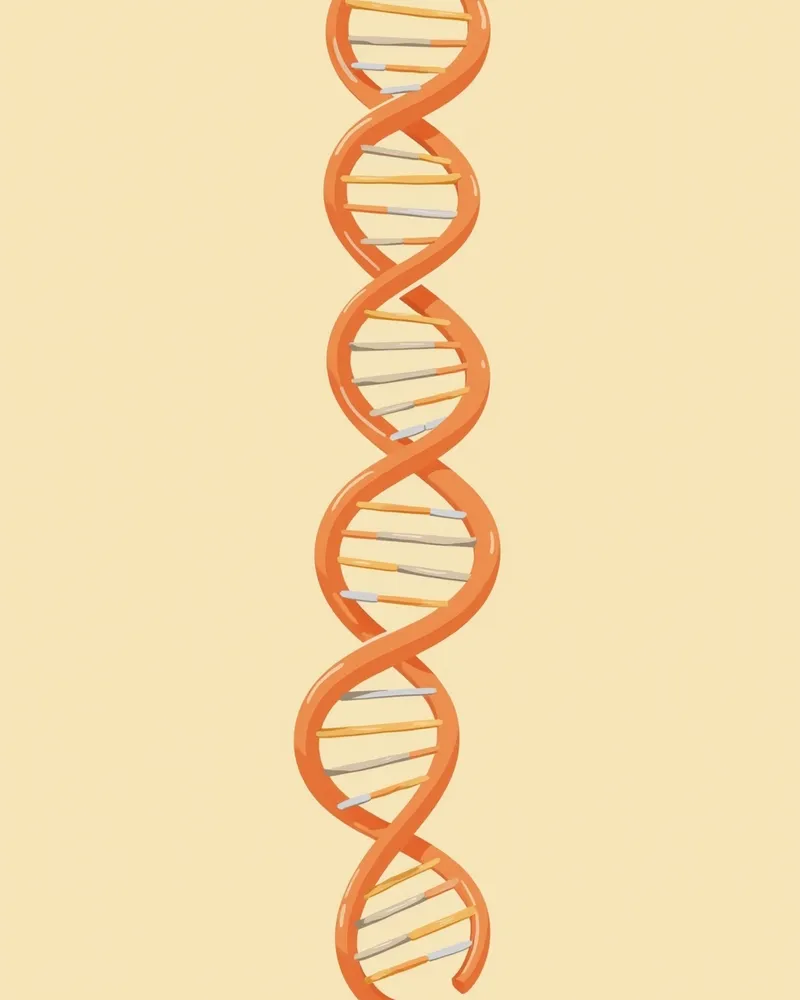
This condition is primarily caused by a failure in the liver’s ability to excrete copper into the bile, leading to copper accumulation. - Breed predisposition: Cases have been reported in Bedlington Terriers, Labrador Retrievers, Doberman Pinschers, West Highland White Terriers, and Dalmatians. - Genetic mutation: In Bedlington Terriers, a mutation in the MURR1/COMMD1 (COMMD1) gene impairs the excretion of copper into the bile. - Copper accumulation mechanism: Dietary copper accumulates in the liver, causing progressive damage; in Labrador Retrievers, there is a correlation between dietary copper intake and hepatic copper concentration. - Secondary accumulation: A secondary form of copper accumulation can also occur due to chronic cholestasis, even in dogs without genetic predisposition. - Importance of early management: For dogs with a family history, early risk assessment through genetic testing and other methods helps in developing an effective management plan.
Genetic mutations affecting copper metabolism

What are the Main Symptoms?

The main symptoms of copper-associated hepatitis in dogs include:
Loss of appetite: Liver dysfunction can cause appetite to fluctuate or drop sharply.
Vomiting: Vomiting may occur repeatedly.
Lethargy: Dogs often show signs of weakness, such as excessive sleepiness or reluctance to move throughout the day.
Jaundice: The whites of the eyes or gums may take on a yellowish tint.
Abdominal distension: If ascites (fluid accumulation in the abdomen) develops, the belly may appear swollen.
Weight loss and changes in urine color: In chronic cases, weight loss may occur, and if anemia or hemolysis is present, the urine may darken.
However, in the early stages, elevated liver enzyme levels may be the only indicator, and symptoms are often mild and easily overlooked. Therefore, it’s important to closely monitor dogs of breeds prone to this condition.
A puppy showing signs of jaundice

Signs Requiring Immediate Veterinary Care

If jaundice appears, or if persistent vomiting and loss of appetite last for more than two days, immediate veterinary care is necessary. A rapid decline in liver function can lead to liver failure, so early diagnosis and treatment are critical for survival.

How is Diagnosis Made?
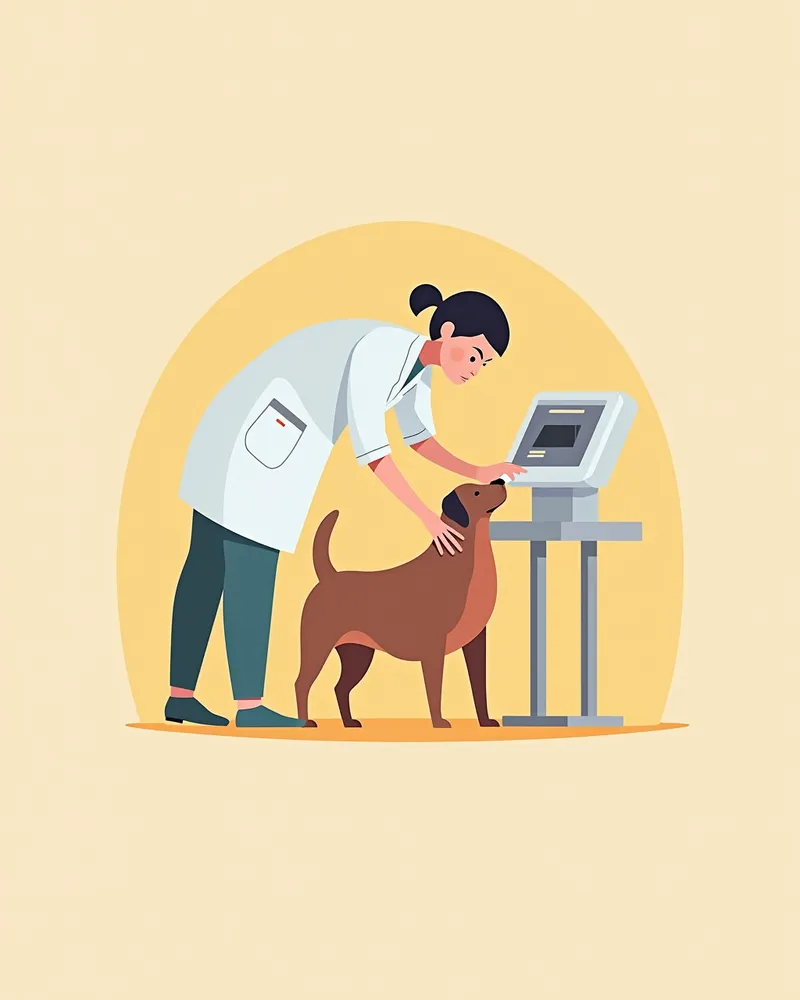
Diagnosis is made accurately through a combination of tests. - Blood tests: Check liver enzyme levels and signs of anemia to assess liver function. - Ultrasound: Visually evaluate the liver’s size, texture, and structural changes. - Liver biopsy: The most accurate diagnostic method, directly measuring copper concentration in tissue samples. - Genetic testing: Recommended as a preventive measure for pets with a family history, helping identify the risk of developing the condition early. - Comprehensive evaluation required: No single test is sufficient; a thorough assessment by a veterinary specialist is essential. - Value of early diagnosis: Detecting the condition early, even before symptoms appear, significantly improves treatment outcomes.
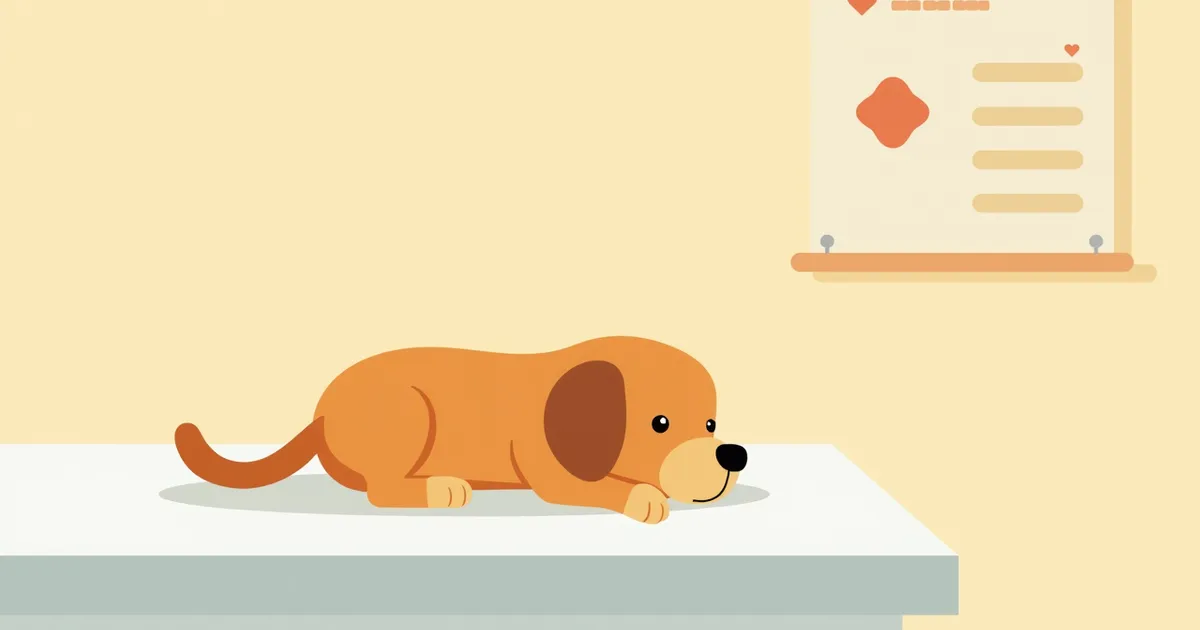
The process of a dog liver biopsy

How is Treatment Performed?

Treatment involves medications that help eliminate copper from the body, along with dietary management. - Copper chelators: Chelating agents such as D-penicillamine bind to free copper and facilitate its excretion through urine. They are typically administered twice daily with meals. - Zinc therapy: Zinc (e.g., zinc gluconate, zinc acetate) is also used as an anti-copper agent to reduce copper absorption. - Low-copper diet: Avoid foods high in copper and switch to a low-copper diet. Treatment is indicated if liver biopsy shows copper concentrations exceeding 1,000 µg/g (dry weight). - Regular monitoring: Liver function and copper levels should be checked regularly, and dietary response is assessed through repeat liver biopsies. - Long-term management: Lifelong care is required; however, due to a lack of controlled studies, the most effective treatment protocol has not yet been firmly established.
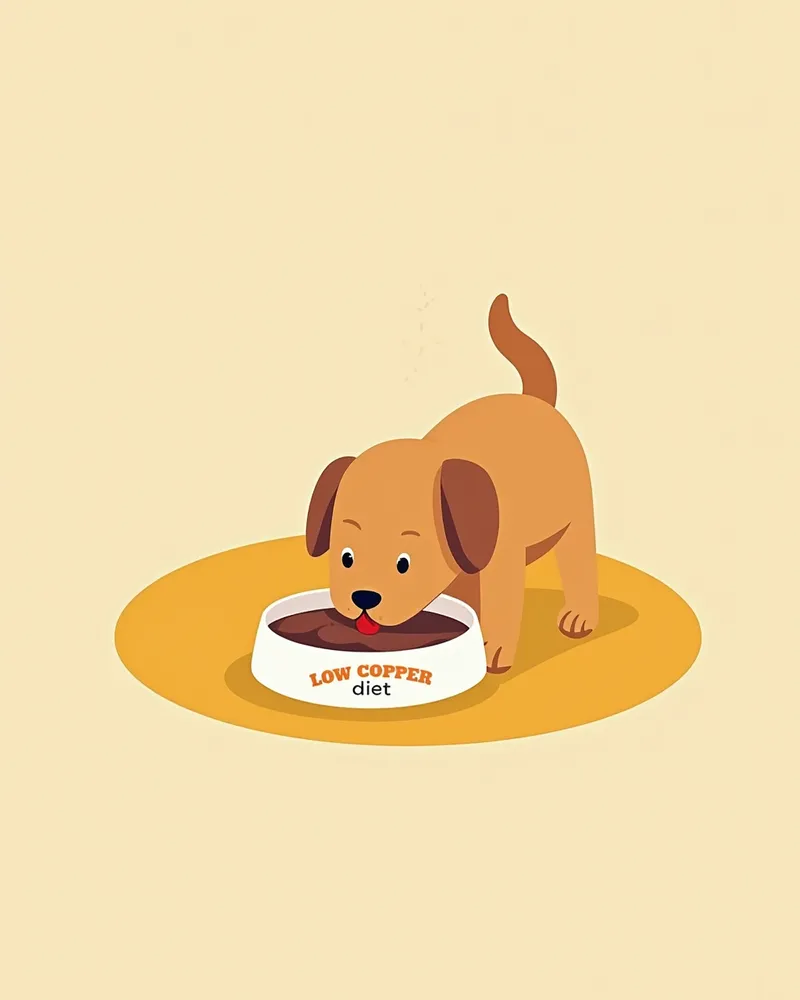
Puppy eating low-quality dog food

Management Strategies You Can Implement at Home
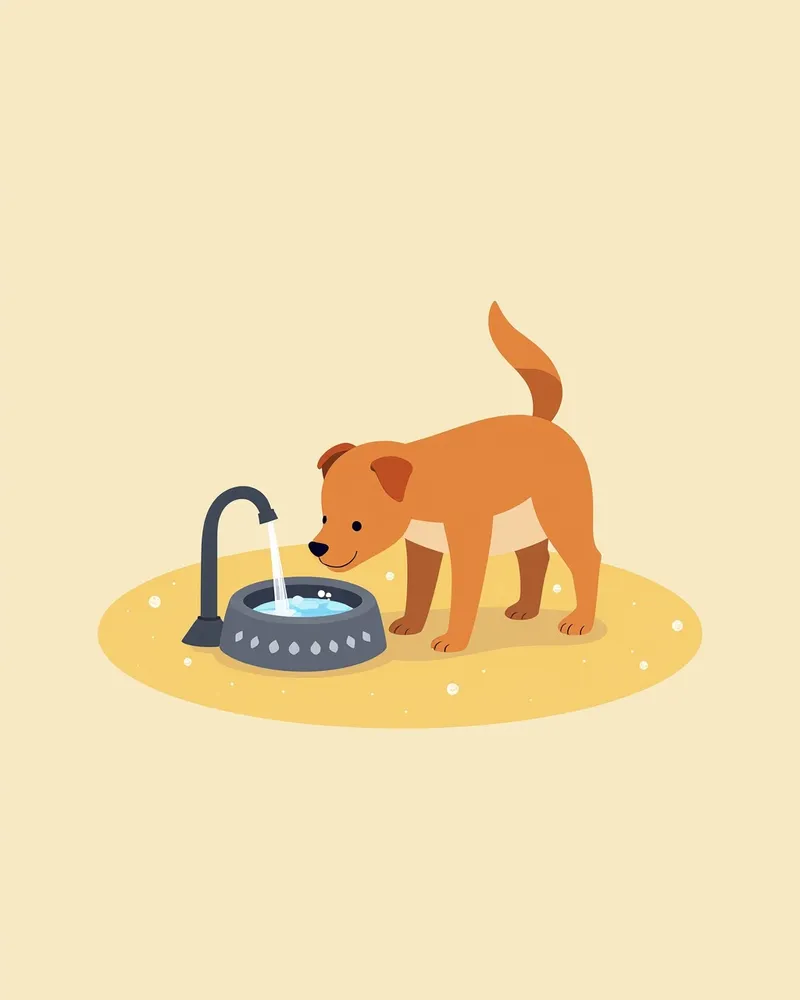
Here are some management strategies you can implement at home:
Provide a low-copper diet: Switch to a low-copper diet recommended by your veterinarian.
Medication management: Ensure your pet takes copper chelators at the prescribed times.
Regular check-ups: Have liver function tests and blood work done every 3 to 6 months.
Minimize stress: Avoid environmental changes and excessive exercise.
Ensure adequate water intake: Encourage your pet to drink plenty of water.
These management practices can significantly help slow disease progression and improve quality of life.
A puppy drinking water

Comparison of Symptoms and Management by Severity: Mild, Moderate, and Severe

ItemMain SymptomsMain ManagementPrognosis
MildDecreased appetite, mild fatigueSwitch to low-copper diet, regular testingGood (with early management)
ModerateRecurrent vomiting, early jaundiceBegin medication, biopsy testingFair (when treatment is started)
SevereAscites, hepatic encephalopathy, persistent vomitingInpatient care, aggressive medicationPoor (early detection is essential)

Because treatment strategies differ depending on the severity of symptoms, regular veterinary care is important.

Breed-Specific Precautions and Prevention Tips

Breed-specific predispositions are especially high in Bedlington Terriers, Labrador Retrievers, Doberman Pinschers, West Highland White Terriers, and Dalmatians, so extra caution is warranted. If there’s a family history, genetic testing or a liver biopsy can help assess the risk of copper accumulation, so it’s a good idea to consult with your veterinarian before and after adoption.

Reviewed by a veterinarian

Dr. Tony — Punnawat Phongkittirak

Dr. Tony — Punnawat Phongkittirak

Veterinarian

A veterinarian who majored in veterinary medicine at Khon Kaen University, Thailand, and completed the IVSA program at North Carolina State University in the United States. Drawing on clinical experience at animal hospitals, he works in the pet healthcare field and is dedicated to building a digital care environment that connects pet parents with veterinarians.

Frequently Asked Questions

Can copper-associated hepatitis in dogs be treated?
Yes, early diagnosis and consistent treatment can help slow the progression of the disease and maintain your pet’s quality of life. However, treatment must be continued for the rest of their life.
Is copper-accumulating hepatitis hereditary?
In breeds such as the Bedlington Terrier, genetic factors play a significant role, so testing is recommended if there is a family history. However, secondary copper accumulation resulting from chronic cholestasis can also occur.
Where can I find Jugeori pet food?
Purchase a veterinarian-recommended prescription diet or use a specialized liver disease formula provided by your veterinary clinic. Regular pet food may contain high levels of copper.
How accurate is genetic testing?
In well-documented cases, such as the COMMD1 mutation in Bedlington Terriers, genetic testing can help identify hereditary risk. However, it cannot replace a definitive diagnosis on its own for all breeds, so your veterinarian will interpret the results in conjunction with other diagnostic tools, such as a liver biopsy.
Is this condition contagious to other dogs?
No, this condition is a genetic and metabolic disorder, so it is not contagious to other dogs. Since it is not an infectious disease, you can rest assured.

Share

Related Guides

References

[1] Liu, Y. et al. (2020). Copper Storage Hepatopathy in Dogs: Clinical Features and Genetic Basis. Journal of Veterinary Internal Medicine, 34(3), 1122–1130.

[2] Hawkins, J. et al. (2018). Diagnosis and Management of Copper-Associated Hepatopathy in Canine Breeds. Veterinary Clinics of North America: Small Animal Practice, 48(4), 725–740.

[3] American College of Veterinary Internal Medicine (ACVIM). (2021). Consensus Statement on Copper-Associated Hepatopathy in Dogs. Journal of Veterinary Internal Medicine, 35(2), 456–465.

This information is based on veterinary literature and does not replace diagnosis or treatment. Please consult a veterinarian for specific health concerns.

Metapet Co., Ltd. | CEO: Park Sung-yong | Business Reg. No. 417-88-02562 | Seoul, South Korea | Customer Center

Copper-Associated Hepatitis in Dogs: Causes & Vet Timing | Meongsiljang