Like
Share
멍실장
고양이 폐부종 자주 묻는 질문 Q&A — 보호자가 꼭 알아야 할 핵심

Frequently Asked Questions About Feline Pulmonary Edema — Key Information Every Pet Owner Should Know

RespiratoryQ&AMeongsiljang Veterinary Advisory Board

Feline pulmonary edema is a dangerous condition that can cause acute respiratory distress. Here are the key questions and answers every pet owner should know.

What Is Feline Pulmonary Edema?
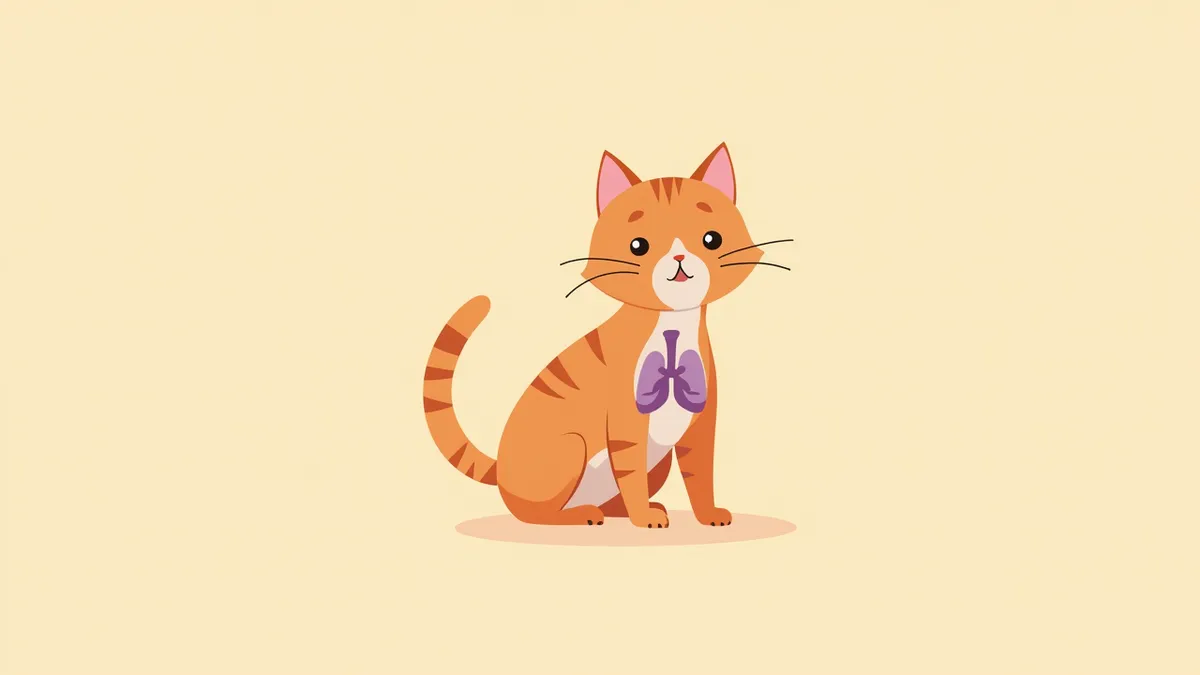
Anatomical diagram showing fluid accumulation in a cat’s lungs
Feline pulmonary edema is a condition in which excess fluid accumulates in the lungs, making breathing difficult. It can result from impaired heart function or damage to the pulmonary blood vessels. When the heart fails to pump effectively, blood backs up into the lungs, causing fluid to leak into the lung tissue. Because this condition can worsen rapidly, early detection is crucial. If symptoms appear, consult your veterinarian immediately. Pulmonary edema can be life-threatening and should never be ignored.

Why Does Feline Pulmonary Edema Occur?
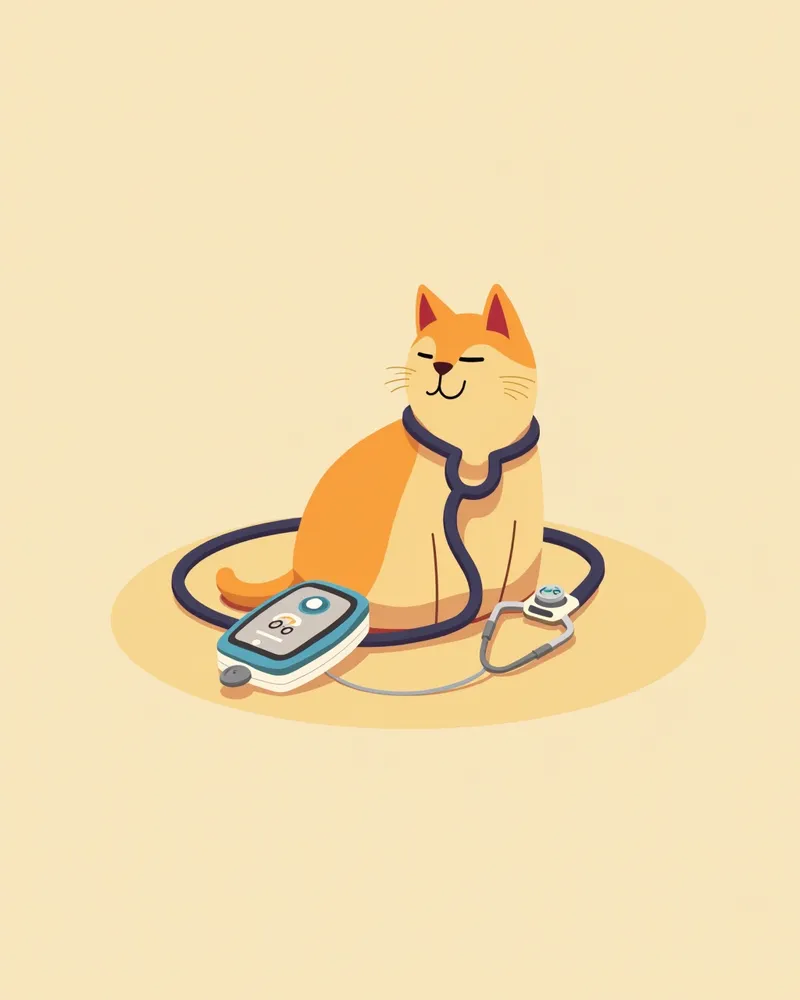
The primary cause of pulmonary edema in cats is heart disease, with hypertrophic cardiomyopathy (HCM) being the most common example. When the heart weakens, blood backs up into the lungs, causing fluid to accumulate in the lung tissue. This heart-related form is known as cardiogenic pulmonary edema and is the most prevalent type in cats. Another form, permeability-increased (non-cardiogenic) pulmonary edema, results from direct damage to the lung blood vessels and can be triggered by factors such as pneumonia, inhalation of toxins, or trauma. Older cats and those at risk for heart disease require particular attention. Veterinarians perform various diagnostic tests, including chest X-rays, to accurately identify the underlying cause, as determining the root cause is essential for effective treatment.
A cat with an irregular heartbeat being monitored

What Are the Main Symptoms of Feline Pulmonary Edema?
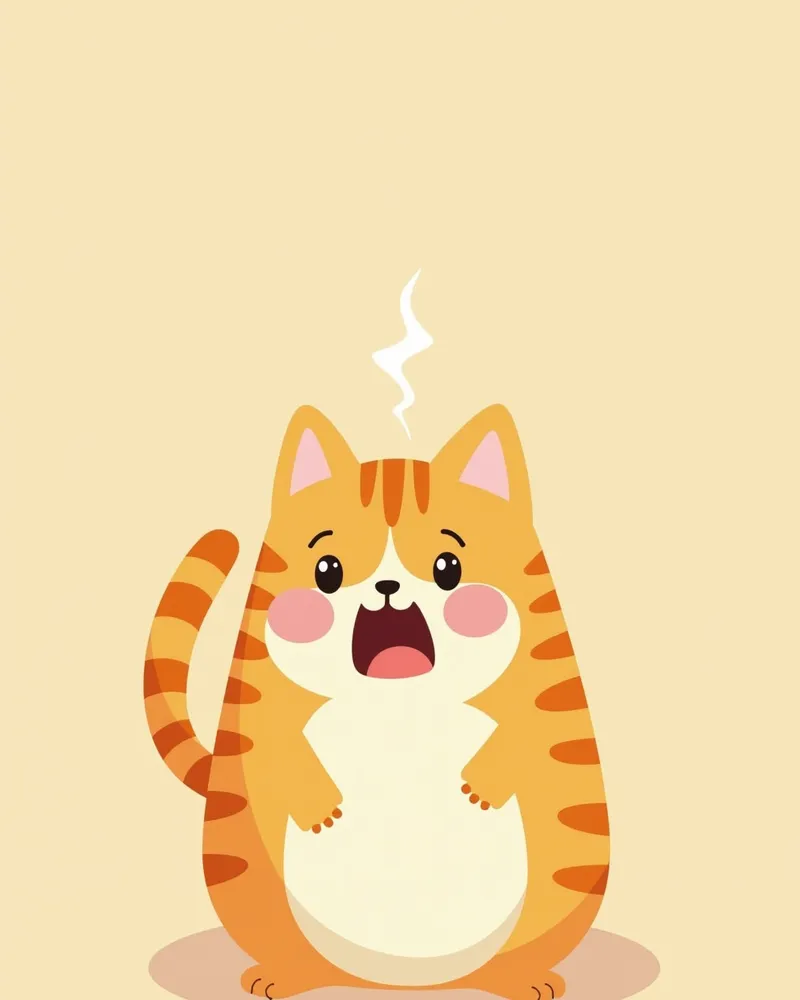
The hallmark sign of pulmonary edema in cats is difficulty breathing. You may notice rapid breathing, panting with the mouth open, or a widened chest posture as the cat struggles to breathe. Activity levels drop sharply, and the cat spends more time sitting and resting. In severe cases, the mouth may turn blue or bluish-gray, and the cat may collapse. This is a life-threatening emergency requiring immediate veterinary care. Early recognition significantly improves treatment outcomes.
A cat panting with its mouth open

Signs Requiring Immediate Veterinary Care

If your cat’s mouth turns blue or bluish, collapses, or shows extreme difficulty breathing, seek veterinary care immediately. These are signs of a life-threatening emergency.

Comparison of Responses Based on Symptom Severity

ItemMildModerateSeverity
Respiratory RateFaster than normalVery fastVery fast and irregular
PostureNormal postureSitting to breatheLying prone to breathe
Mouth ColorNormalSlightly blue or bluishSeverely bluish
Emergency ResponseSchedule a veterinary consultationVisit the hospital immediatelyVisit the emergency room

The more severe the symptoms, the more essential an immediate hospital visit becomes.

How Is Diagnosis and Treatment Performed?
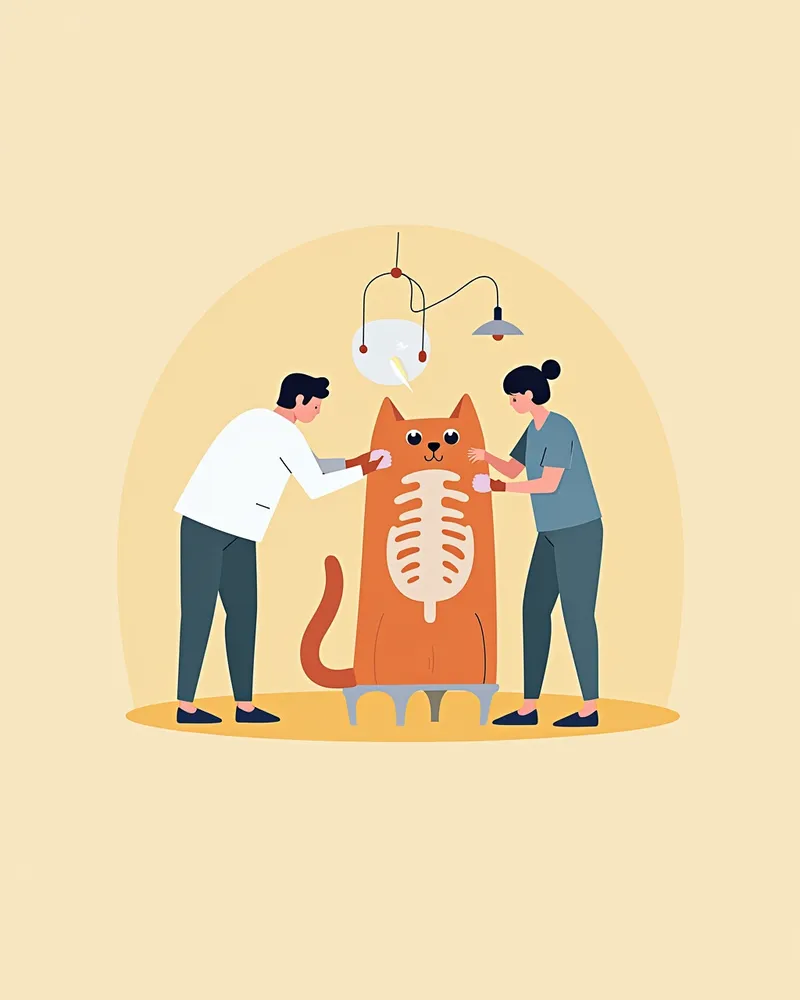
The veterinarian will use a chest X-ray to check for fluid accumulation in the lungs. An echocardiogram evaluates heart function and structure, while blood tests help identify the underlying cause. Treatment begins with oxygen therapy to support breathing. Diuretics are administered to remove excess fluid from the body, along with medications to improve heart function. A customized treatment plan is developed based on the underlying cause, requiring ongoing monitoring. Early treatment significantly aids recovery.
A veterinarian taking a chest X-ray of a cat

Home Care Management Methods

Feline pulmonary edema has a high likelihood of recurrence. Please administer all medications prescribed by your veterinarian at the exact times indicated. Keep your cat’s environment quiet and maintain appropriate humidity levels. Avoid excessive exercise, and follow a suitable diet to reduce the burden on the heart. Monitor your cat closely for any changes in condition, and contact us immediately if you notice any abnormal signs. Regular veterinary check-ups are essential. With proper medication and care, your cat’s quality of life can improve significantly.
A cat resting comfortably in a quiet indoor space.

Prevention and Daily Care Tips

Regular heart check-ups are essential for preventing pulmonary edema in cats, especially in senior cats or breeds at higher risk for heart disease. Reducing stress and maintaining a healthy weight can also help, as overfeeding and lack of exercise can strain the heart. Keeping the home environment stable and avoiding sudden changes is beneficial. Early detection and prevention are the most effective strategies, with healthy lifestyle habits being key to preventing pulmonary edema.
An elderly cat being examined by a veterinarian.

Reviewed by a veterinarian

Dr. Tony — Punnawat Phongkittirak

Dr. Tony — Punnawat Phongkittirak

Veterinarian

A veterinarian who majored in veterinary medicine at Khon Kaen University, Thailand, and completed the IVSA program at North Carolina State University in the United States. Drawing on clinical experience at animal hospitals, he works in the pet healthcare field and is dedicated to building a digital care environment that connects pet parents with veterinarians.

Frequently Asked Questions

Is feline pulmonary edema treatable?
Treatment is possible depending on the underlying cause. Cardiogenic pulmonary edema caused by heart disease typically responds well to medications such as loop diuretics, and outcomes tend to be better when detected early. However, the prognosis varies depending on the underlying disease.
Can feline pulmonary edema recur?
Yes, there is a possibility of recurrence. It is important to consistently manage the underlying heart condition and to detect any issues early through regular check-ups and monitoring your pet's resting respiratory rate at home.
Which cat breeds are more commonly affected by pulmonary edema?
It can occur more frequently in cats at higher risk for heart diseases such as hypertrophic cardiomyopathy. However, since it is not limited to specific breeds and can affect cats of all breeds and ages, it’s difficult to be completely reassured.
What should you do at home if your cat develops pulmonary edema?
Instead of trying to handle it at home, keep your cat calm in a quiet place with minimal stimulation and take them to the vet immediately. Avoid forcing a muzzle into their mouth or restraining them roughly, as this can cause stress and worsen their condition. Never leave them alone.
Do cats with pulmonary edema show symptoms similar to those in humans?
The symptoms share some similarities, such as difficulty breathing, panting with an open mouth, increased effort to breathe, and decreased activity levels. However, unlike dogs, cats rarely breathe with their mouths open and tend to hide their symptoms well, making early detection challenging.

Share

Related Guides

References

[1] The Cat, Clinical Medicine and Management, 2nd Edition, 2022

[2] Plumb's Veterinary Drug Handbook, 9th Edition, 2021

[3] American College of Veterinary Internal Medicine (ACVIM) Consensus Statement on Feline Pulmonary Edema, 2020

This information is based on veterinary literature and does not replace diagnosis or treatment. Please consult a veterinarian for specific health concerns.

Metapet Co., Ltd. | CEO: Park Sung-yong | Business Reg. No. 417-88-02562 | Seoul, South Korea | Customer Center

5 Questions About Feline Pulmonary Edema: Emergency Care and Causes | Meongsiljang