
Like
Share
멍실장
산소 포화도(SpO2)가 뭐예요? 정상 수치와 위험 기준

What is Oxygen Saturation (SpO2)? — Normal Ranges and Danger Thresholds

RespiratoryQ&AMeongsiljang Veterinary Advisory Board

Oxygen saturation (SpO2) is the percentage of hemoglobin in the blood that is bound to oxygen. We’ve put together an easy-to-understand guide covering normal ranges, danger thresholds, and measurement methods for pets.

What is Oxygen Saturation (SpO2)?

A veterinarian attaches a pulse oximeter to a puppy's paw to measure its oxygen saturation level.
Oxygen saturation (SpO2) is a percentage that shows how much oxygen is bound to hemoglobin in the blood. In simple terms, it’s an indicator of how well your pet’s blood is delivering oxygen throughout the body. For both dogs and cats, a reading of 95% or higher is considered normal, while a drop below 90% requires immediate veterinary attention. If you notice rapid breathing or a bluish-purple discoloration of the tongue or gums, suspect hypoxia and seek care right away.

Why is Oxygen Saturation Important?

Every cell in the body needs oxygen to produce energy. When oxygen levels drop (hypoxia), vital organs like the brain and heart are the first to suffer damage. Pets with heart or lung disease may appear perfectly fine on the outside, yet still be experiencing "hidden hypoxia" with low blood oxygen levels. Measuring SpO2 acts as a "biological traffic light," quickly indicating how critical your pet's condition is.

Meaning of Oxygen Saturation Levels

ItemValueStatusResponse
95–100%NormalContinue observation
90–94%Mild hypoxiaIdentify cause · prepare oxygen supply
85–89%Serious hypoxiaImmediately transport to hospital · oxygen therapy
84% or belowVery severe hypoxia (emergency)Secure airway · administer oxygen · immediate emergency care

Based on veterinary internal medicine textbooks. SpO2 below 90% represents serious, life-threatening hypoxia (Small Animal Critical Care Medicine, 3rd Ed). Errors possible depending on measurement conditions

How is it Measured? Pulse Oximeter
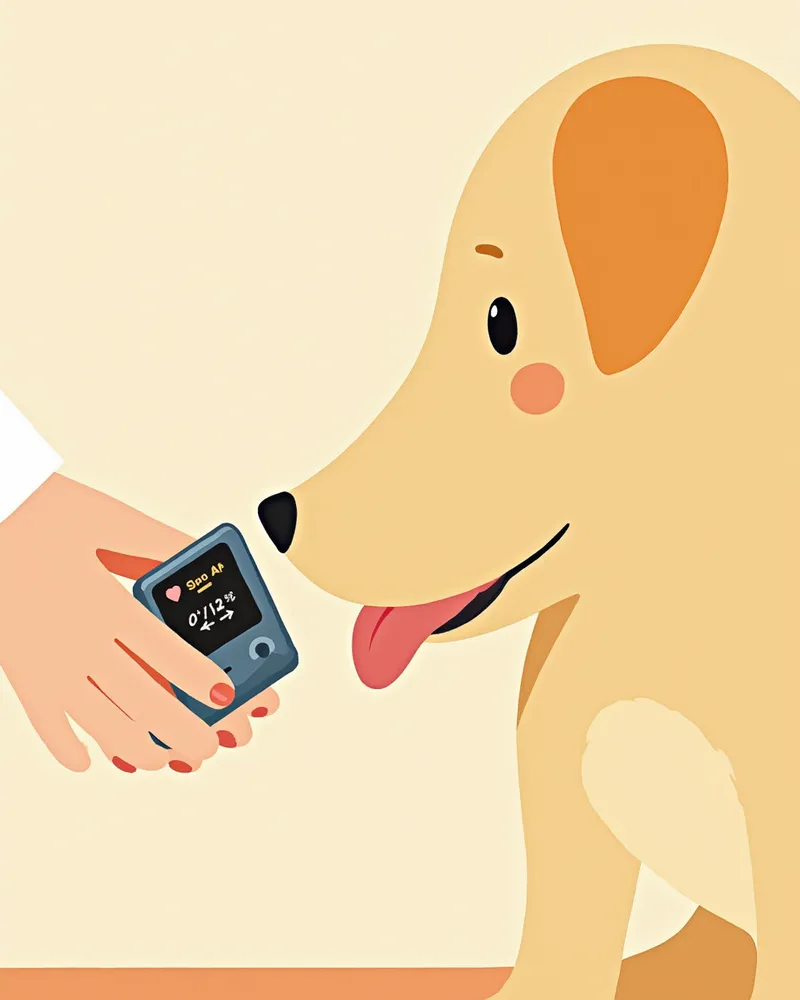
At the veterinary clinic, we use a device called a pulse oximeter, which looks like a small clip. It’s typically clipped onto the tongue, ear, toes, or base of the tail, where it measures oxygen levels by shining light through the tissue. The test takes only a few seconds and doesn’t require needles or blood draws, so your pet experiences minimal stress. However, if your pet has very thick fur or is shivering, it may affect the accuracy of the reading, so it’s important to keep them calm and still during the measurement.
A close-up illustration of a clip-style pulse oximeter attached to a puppy’s tongue

When to Seek Immediate Veterinary Care!

If you notice any of the following signs, your pet’s SpO2 may have dropped sharply. Do not wait at home; seek emergency veterinary care immediately. Changes in gum or tongue color: Turning purple, blue, or gray instead of pink Abnormal respiratory rate: Breathing noticeably faster and more labored than usual, even at rest Persistent open-mouth breathing: A cat breathing with its mouth open (highly dangerous) Ataxia or decreased consciousness: Staggering or responding slowly Abdominal breathing: Labored breathing with pronounced abdominal movement

Causes of Low Oxygen Saturation
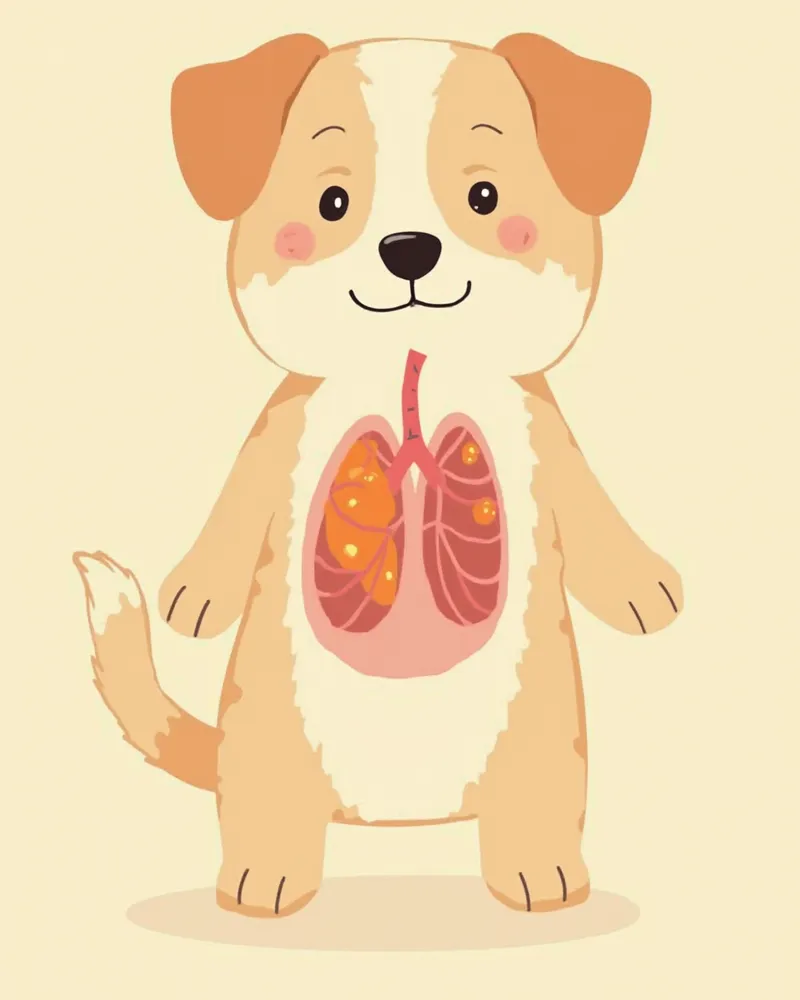
There are three main reasons why SpO2 levels drop.
Respiratory causes: pneumonia, bronchial stenosis, pulmonary edema, asthma (in cats), lung tumors
Cardiac causes: heart failure, mitral valve insufficiency, pulmonary hypertension
Airway and ventilation issues: brachycephalic syndrome, laryngeal paralysis, tracheal collapse, foreign body aspiration
In addition, SpO2 may decrease when oxygen supply is insufficient during recovery from anesthesia. On the other hand, in cases of severe anemia, even if the SpO2 reading appears normal, the total oxygen-carrying capacity of the blood (CaO2) may actually be reduced, leading to inadequate oxygen delivery to tissues. Since SpO2 alone cannot fully assess all conditions of oxygen deficiency, and treatment varies significantly depending on the underlying cause, accurate diagnosis is most important.
An educational illustration highlighting the key areas in a dog’s respiratory and cardiovascular systems that can cause hypoxia.

Can It Be Measured at Home?

We do not recommend using human pulse oximeters directly on pets. Pulse oximeters have inherent measurement limitations, and their accuracy can be compromised on darkly pigmented mucous membranes or hairy areas. Veterinary textbooks also advise against relying solely on pulse oximetry. Furthermore, because animals have different anatomical structures at measurement sites compared to humans, errors can be even greater. Instead, it is best to closely observe your pet’s breathing pattern and respiratory rate during rest, using their normal baseline as a reference. If their breathing appears noticeably faster or more labored than usual, it is safest to have them evaluated at a veterinary clinic for an accurate assessment.

Pay Special Attention to Brachycephalic Breeds and Senior Cats

Brachycephalic breeds like French Bulldogs, Pugs, and Shih Tzus have anatomically narrowed airways, which can result in lower baseline SpO2 levels. Their oxygen saturation can drop rapidly on hot days, during excitement, or when flying. Cats are prone to asthma and cardiomyopathy, conditions that often remain asymptomatic until they suddenly worsen. If your pet develops labored breathing or begins panting with an open mouth, seek emergency veterinary care immediately.

Reviewed by a veterinarian

Dr. Tony — Punnawat Phongkittirak

Dr. Tony — Punnawat Phongkittirak

Veterinarian

A veterinarian who majored in veterinary medicine at Khon Kaen University, Thailand, and completed the IVSA program at North Carolina State University in the United States. Drawing on clinical experience at animal hospitals, he works in the pet healthcare field and is dedicated to building a digital care environment that connects pet parents with veterinarians.

Frequently Asked Questions

What is the normal oxygen saturation level for dogs?
More than 95% is considered normal. If it drops below 90%, it indicates severe, life-threatening hypoxemia, and immediate veterinary care is necessary.
Can I use a human pulse oximeter on my dog?
We don't recommend it. Differences in fur and skin structure can lead to significant measurement errors, and relying on inaccurate readings may cause you to falsely feel reassured, delaying necessary treatment. For accurate results, measurements should be taken using equipment specifically designed for veterinary clinics.
What treatment is given if oxygen saturation is low?
Treatment depends on the underlying cause. In emergencies, oxygen is administered via an oxygen chamber or mask, while medications or surgery are used to address the root cause, such as pneumonia or heart failure.
Does a blue tongue always mean there’s an issue with oxygen saturation?
Most of the time, this is a sign of hypoxia (cyanosis). However, in cases of severe anemia, even if the SpO2 reading appears normal, the overall oxygen-carrying capacity of the blood may be reduced, leading to inadequate oxygen delivery to tissues. Other factors, such as hypothermia, can also cause changes in mucous membrane color. Therefore, if you notice any color changes, it’s essential to have your pet evaluated at a veterinary clinic to determine the exact cause.
Is oxygen saturation measurement included in the health checkup?
Although not typically included in a basic checkup, this measurement is essential when respiratory or heart disease is suspected, or before and after anesthesia. We recommend regular monitoring for brachycephalic breeds and senior pets.

Share

Related Guides

References

[1] Stockham SL, Scott MA. Fundamentals of Veterinary Clinical Pathology, 3rd Edition. Wiley-Blackwell

[2] Silverstein DC, Hopper K. Small Animal Critical Care Medicine, 2nd Edition. Elsevier

This information is based on veterinary literature and does not replace diagnosis or treatment. Please consult a veterinarian for specific health concerns.

Metapet Co., Ltd. | CEO: Park Sung-yong | Business Reg. No. 417-88-02562 | Seoul, South Korea | Customer Center

What is Oxygen Saturation (SpO2)? Normal Ranges and Danger Zones | Meongsiljang