Like
Share
멍실장
강아지 약물·독소 유발 간 손상 자주 묻는 질문 Q&A — 보호자가 꼭 알아야 할 핵심

Is the Medicine My Dog Ate Safe for the Liver? — Symptoms and Emergency Response for Drug-Induced Liver Injury

Liver HealthQ&AMeongsiljang Veterinary Advisory Board

When dogs are exposed to medications or toxins, it can lead to liver damage. Early detection and prompt action are crucial. Here’s a summary of key questions and answers that pet owners should know.

Drug- or toxin-induced liver injury in dogs is a condition where liver cells are damaged or function declines due to exposure to medications or toxic substances.
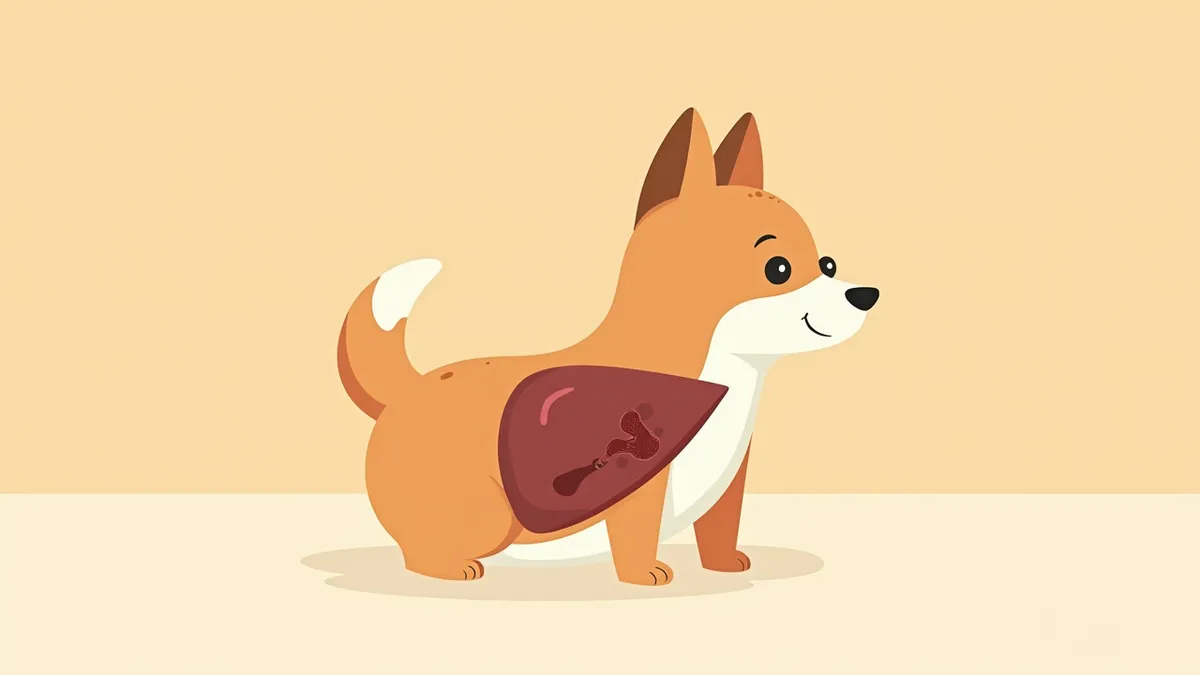
Image of the microscopic structure of a damaged dog liver
Drug- or toxin-induced liver injury in dogs can occur when they are exposed to human medications, certain toxic plants or molds, or chemicals. This happens because the liver produces toxic metabolites while breaking down absorbed substances, which can damage liver cells. Well-known causes include drugs such as acetaminophen (paracetamol) and nonsteroidal anti-inflammatory drugs (NSAIDs), as well as Amanita mushrooms, aflatoxin (a mold toxin), cyanobacteria (blue-green algae), sago palm, and xylitol. - Drug exposure: Human medications like acetaminophen and NSAIDs can place a heavy burden on a dog’s liver and should never be administered without veterinary guidance. - Plant and mold toxins: Onions destroy red blood cells, leading to hemolysis and jaundice, while toxins from poisonous mushrooms and molds like aflatoxin directly damage liver cells. - Prevention is key: Store medications in child-resistant containers out of reach, and never give your dog human drugs. Early detection and prompt intervention are critical for a favorable prognosis, so vigilance is essential.

The main causes of this condition are exposure to human medications, certain plants, and chemicals.
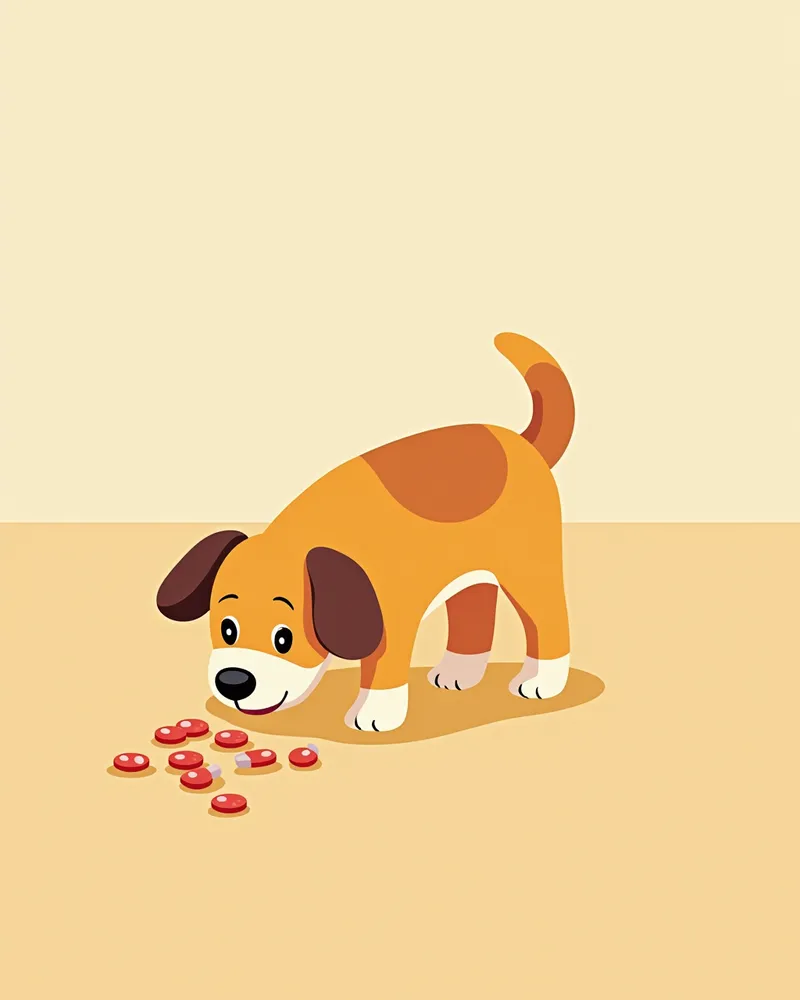
The primary cause of drug- or toxin-induced liver damage in dogs is the misuse of human medications. Drugs such as acetaminophen, nonsteroidal anti-inflammatory drugs (NSAIDs), phenobarbital, tetracycline-class antibiotics, and certain chemotherapeutic agents (e.g., lomustine) can strain hepatic metabolism or produce toxic metabolites that lead to liver injury. - Drug toxicity: Human medications are often incompatible with a dog’s unique hepatic metabolic pathways, which can result in liver damage. - Plant and fungal toxins: Even small amounts of onions can destroy red blood cells, causing hemolytic jaundice, while fungal toxins like those from poisonous mushrooms and aflatoxin directly damage the liver. - Environmental exposure: Chemical substances such as pesticides, heavy metals, and industrial solvents can also be hepatotoxic. Early prevention and blocking exposure are crucial.
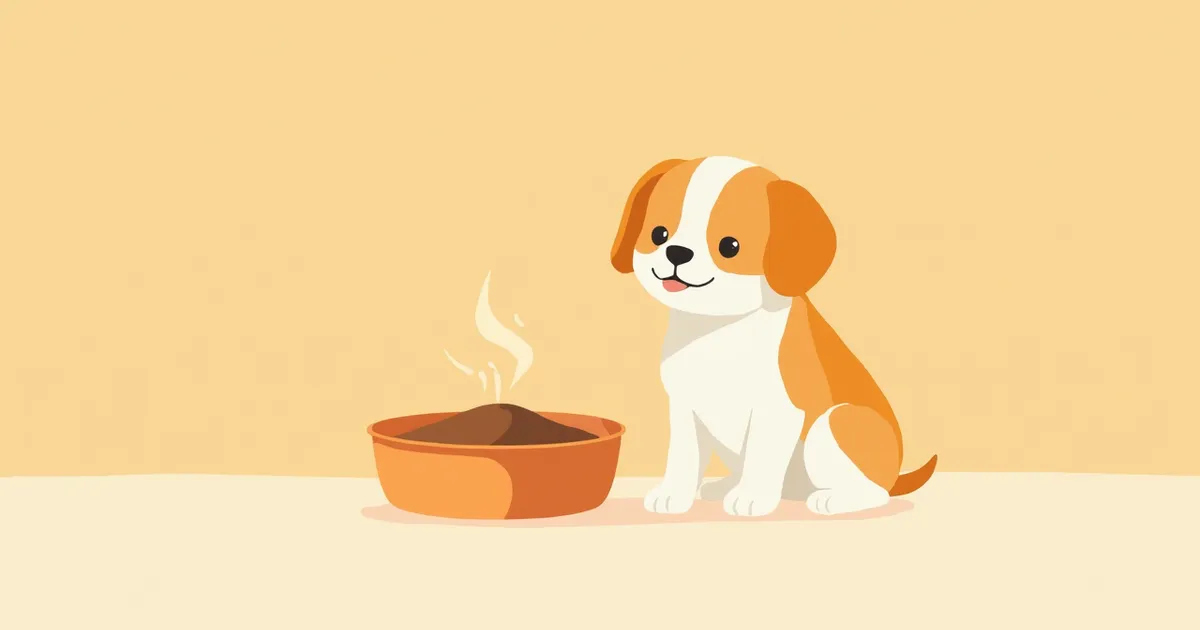
A scene where a puppy is sniffing human painkillers

Key symptoms include loss of appetite, vomiting, jaundice, lethargy, and abdominal pain.
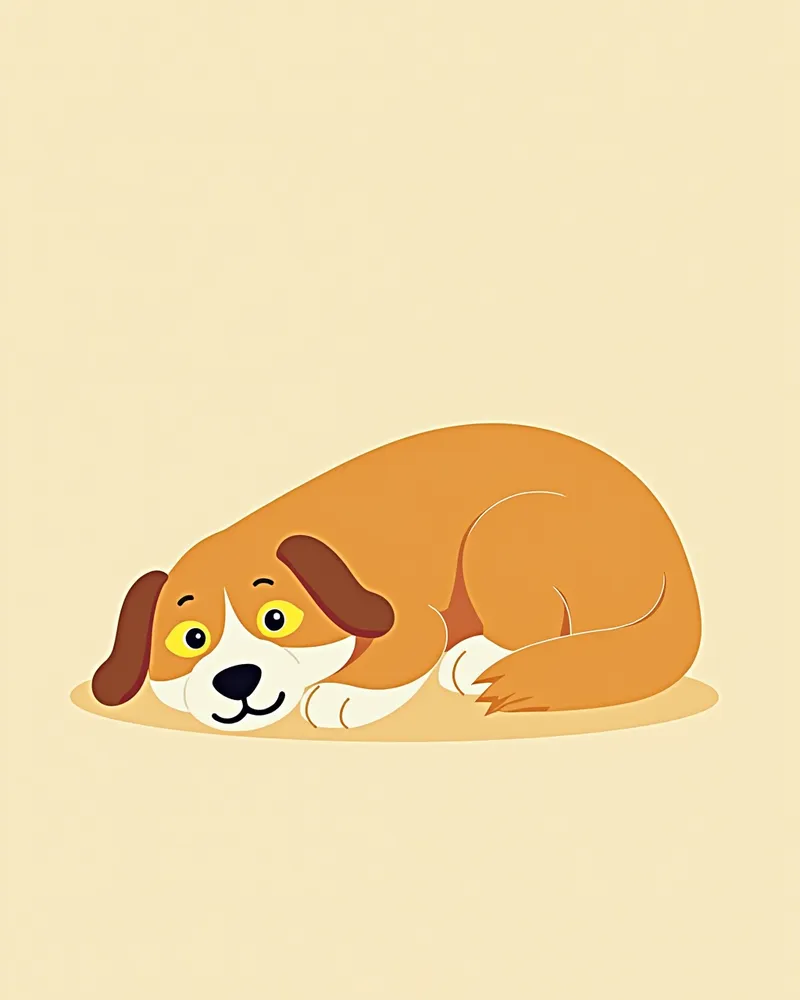
The primary symptoms of drug- or toxin-induced liver damage in dogs include a sudden loss of appetite and recurrent vomiting or diarrhea. If you notice jaundice, characterized by a yellowish discoloration of the eyes or lips, suspect liver dysfunction. Lethargy, where the dog remains inactive and collapses throughout the day, is also a common sign. Abdominal distension or pain upon palpation may also occur. - Jaundice: Yellow discoloration caused by elevated total bilirubin levels is the most critical indicator. - Gastrointestinal symptoms: Vomiting and diarrhea result from the accumulation of toxins due to impaired liver function. - Behavioral changes: Lethargy and shock are signs of acute liver injury, requiring immediate veterinary attention.
Image of a dog's face showing symptoms of jaundice

Emergency Signs Requiring Immediate Veterinary Visit

If your dog suddenly collapses, experiences severe and repeated vomiting, develops yellowing of the eyes or lips, or becomes disoriented, seek veterinary care immediately. These signs indicate serious liver damage, and delayed treatment can be fatal. In such emergencies, prompt veterinary intervention can save your pet’s life.

Diagnosis is confirmed through blood tests, liver function tests, and ultrasound.
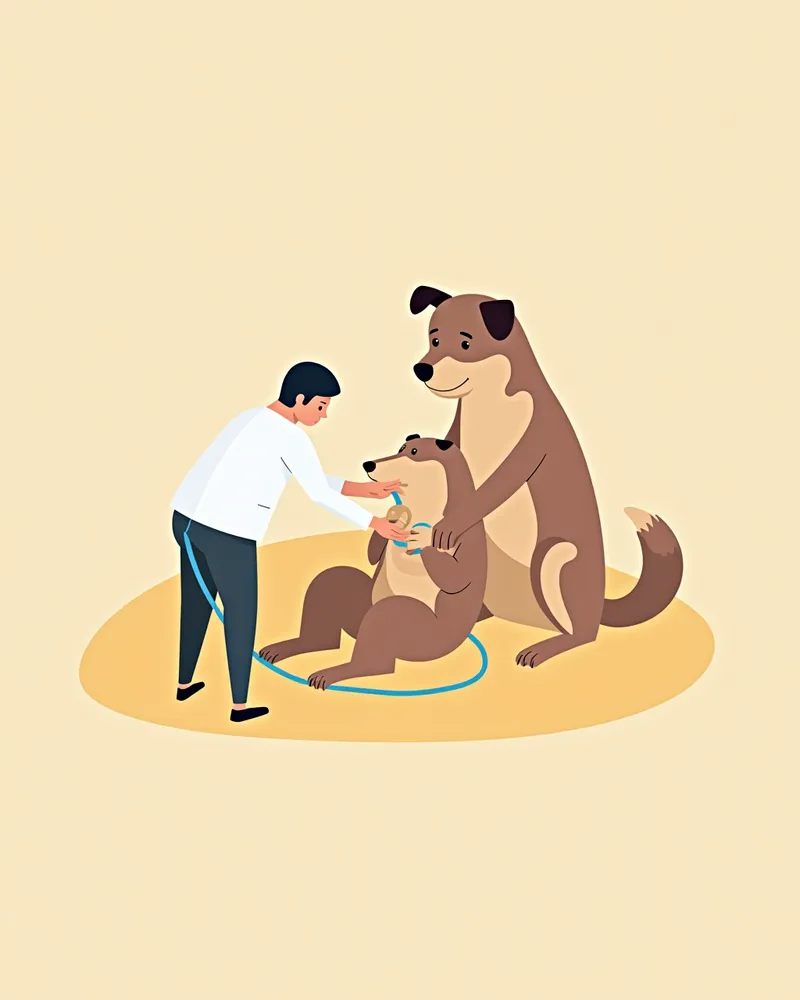
Drug- or toxin-induced liver damage in dogs is assessed by checking for elevated liver enzyme levels (ALT, AST, ALP) through blood tests. An increase in total bilirubin indicates the presence of jaundice. If necessary, an abdominal ultrasound is performed to evaluate structural changes or abnormal lesions in the liver, and a biopsy may be conducted in severe cases. - Blood tests: Elevated liver enzymes provide direct evidence of liver damage. - Ultrasound examination: This allows for visual assessment of the liver’s size, texture, and presence of lesions. - Biopsy: A tissue sample may be taken from the affected area to determine the exact cause. Visiting a veterinary clinic is essential for an accurate diagnosis.
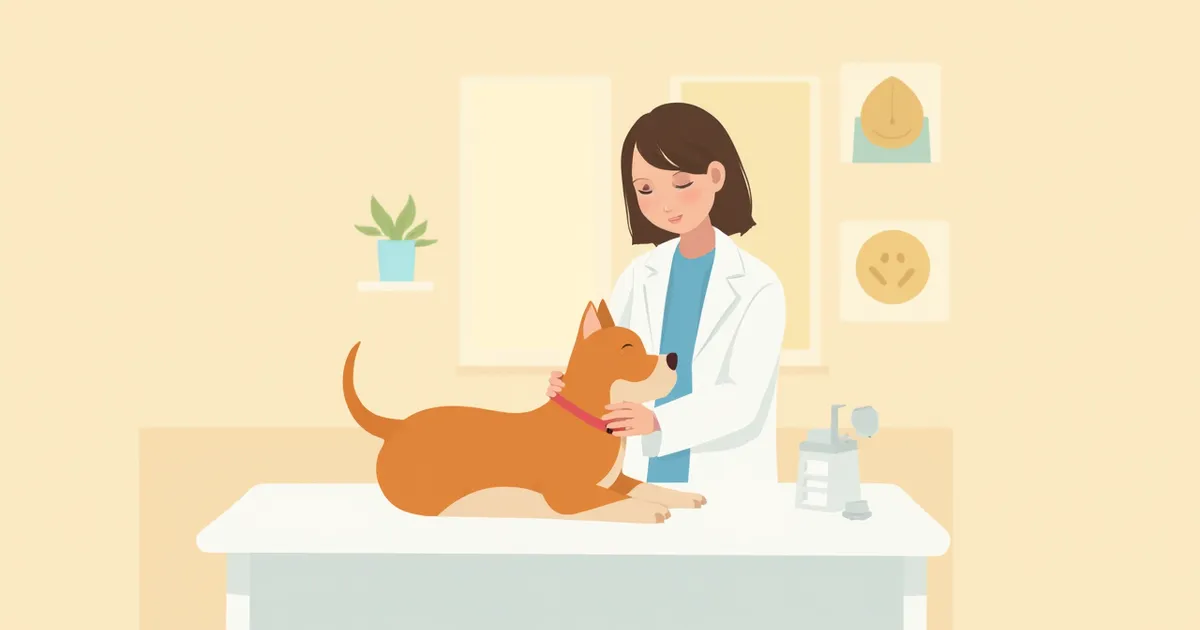
A veterinarian performing an abdominal ultrasound on a puppy.

Treatment involves toxin removal, administration of hepatoprotective agents, and supportive care.
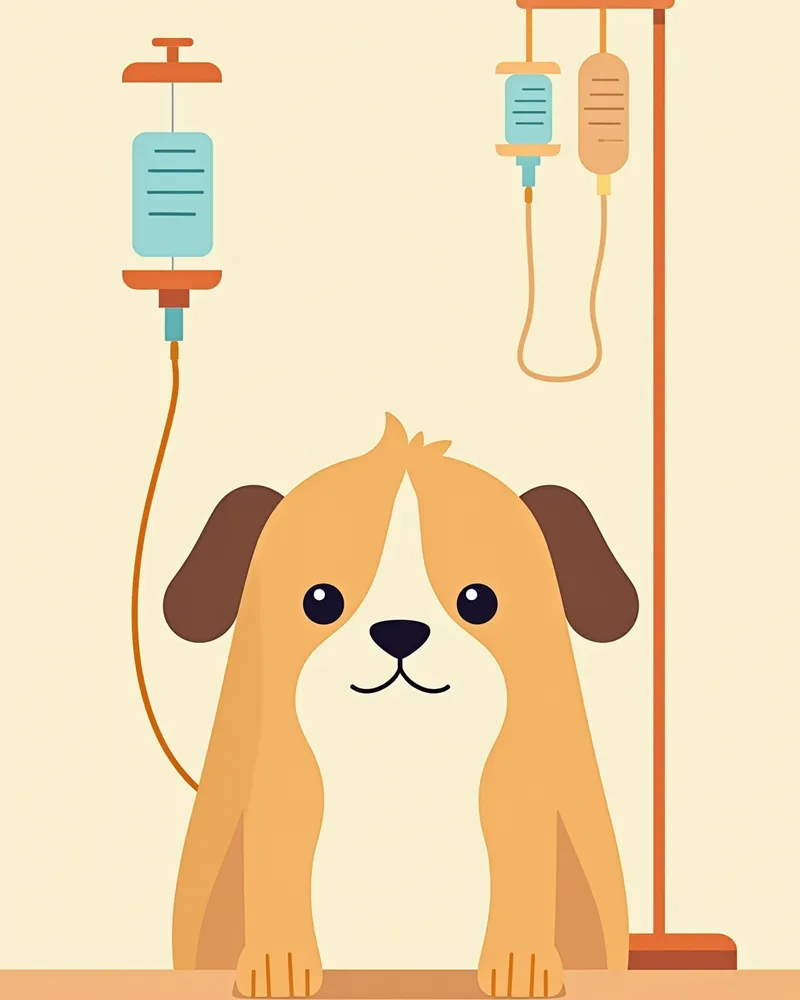
Treatment begins with decontamination, such as gastric lavage or activated charcoal administration, to prevent further absorption of the drug or toxin. This is followed by supportive care, including intravenous fluids to restore hydration and electrolyte balance, nutritional support, and therapies to support liver function. If blood pressure drops, vasopressors are used, and any coagulation abnormalities are managed concurrently. - Toxin removal: In the early stages of absorption, activated charcoal or gastric lavage is used to prevent further toxin uptake. - Hepatoprotection and supportive care: Adjunctive therapies that reduce oxidative stress and aid hepatocyte recovery are provided alongside fluid and nutritional support to stabilize the patient’s overall condition. - Management of complications: Hypotension, electrolyte imbalances, and bleeding tendencies (coagulopathies) are corrected as needed. Treatment duration ranges from several days to several weeks, depending on the severity of the injury, and consistent care is essential throughout the recovery period.
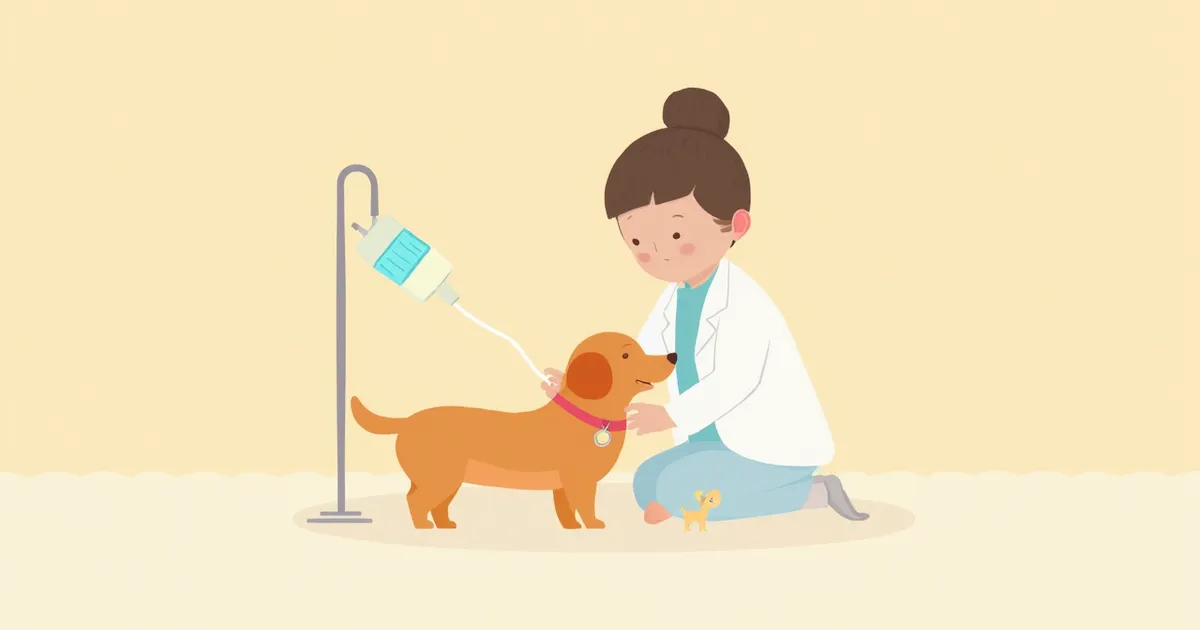
A veterinarian administering an intravenous injection to a puppy

Key aspects of home management include medication storage, dietary adjustment, and regular check-ups.
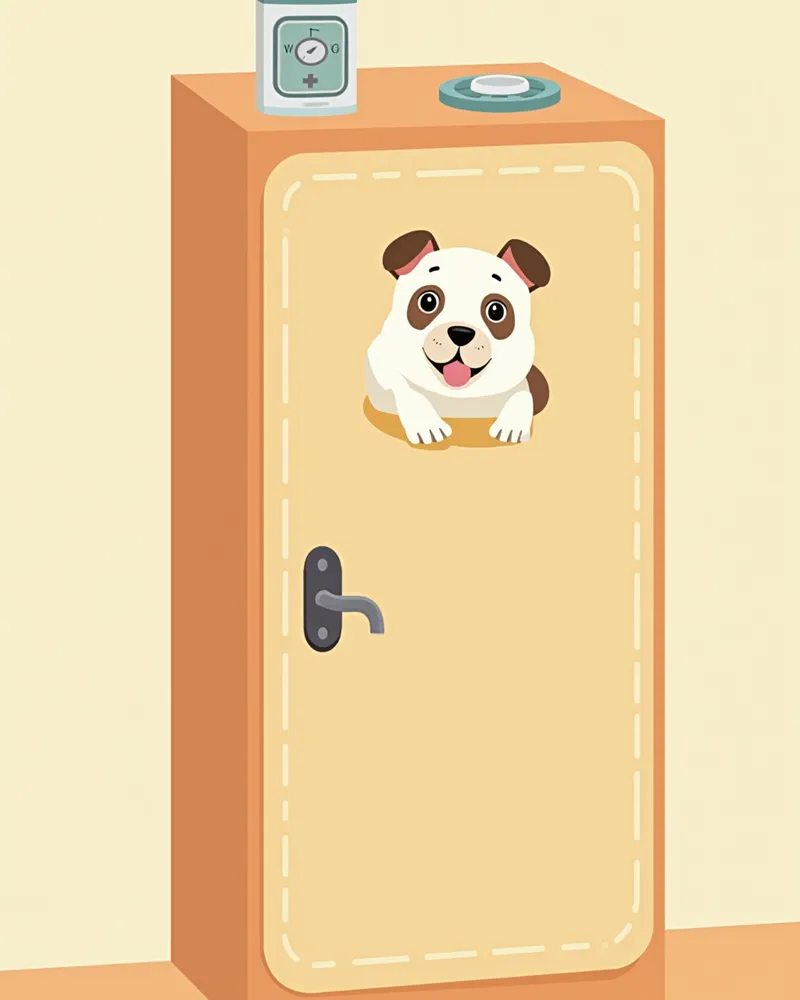
To prevent drug- or toxin-induced liver damage in dogs, always store medications in a place with child-resistant safety caps. Never give human medications to your dog. Work with your veterinarian to adjust your dog’s diet to a balanced, liver-friendly plan, and schedule regular liver function tests to detect any abnormalities early. - Medication storage: Keep medications out of reach by storing them on high shelves or in locked drawers to prevent your dog from accessing them. - Diet management: Avoid onions and garlic, which can destroy red blood cells and cause hemolysis, and do not casually feed human food to your dog. - Regular check-ups: Have your dog’s liver function regularly tested, including liver enzymes (ALT, AST, ALP) and bilirubin, to monitor their health. Prevention is key.
A secure medicine storage container that is out of your dog’s reach

Comparison of Management Strategies by Severity of Drug- or Toxin-Induced Liver Injury

ItemMildModerateSevere
Main SymptomsDecreased appetite, mild vomitingRecurrent vomiting, jaundice, lethargyDecreased consciousness, bleeding tendency, shock
Emergency ResponseConsult with hospital visitImmediate hospital visitTransport to emergency room
Treatment Duration1–2 weeks2–4 weeksSeveral weeks or more

The higher the severity, the more complex the treatment and the longer the recovery period. Early detection saves lives.

Reviewed by a veterinarian

Dr. Tony — Punnawat Phongkittirak

Dr. Tony — Punnawat Phongkittirak

Veterinarian

A veterinarian who majored in veterinary medicine at Khon Kaen University, Thailand, and completed the IVSA program at North Carolina State University in the United States. Drawing on clinical experience at animal hospitals, he works in the pet healthcare field and is dedicated to building a digital care environment that connects pet parents with veterinarians.

Frequently Asked Questions

My dog ate human medication. What should I do?
Please seek immediate veterinary care. Providing the exact medication name and amount ingested will enable prompt treatment. Do not attempt any home remedies.
Can the liver recover after damage?
In most cases, recovery is possible with proper treatment and care. However, severe damage can lead to chronic liver disease, so early intervention is crucial.
What precautions should you take to prevent it?
Store medications in a place with child-resistant caps, and never give toxic foods such as garlic, onions, or caffeine. Regular health check-ups are also essential.
What can you do at home if your dog shows signs of liver damage?
Even if your dog has no appetite, make sure they have access to water. Offer small amounts of food, but avoid giving any medications or special diets before visiting the vet.
Which medication is most harmful to the liver?
Acetaminophen (paracetamol), nonsteroidal anti-inflammatory drugs (NSAIDs), antibiotics (particularly tetracyclines), and chemotherapy agents place a significant burden on the liver.

Share

Related Guides

References

[1] Plumb's Drug Information for Veterinarians, 2023, 12th ed. Elsevier

[2] Blackwell's Five-Minute Veterinary Consult Clinical Companion, Small Animal Toxicology, 3rd ed. Wiley-Blackwell, 2021

[3] Clinical Medicine of the Dog and Cat, 4th ed. Elsevier, 2020

This information is based on veterinary literature and does not replace diagnosis or treatment. Please consult a veterinarian for specific health concerns.

Metapet Co., Ltd. | CEO: Park Sung-yong | Business Reg. No. 417-88-02562 | Seoul, South Korea | Customer Center

Is That Medicine Safe for Your Dog's Liver? Injury Signs & Care | Meongsiljang