

Feline Urethral Obstruction FAQ — Key Information Every Pet Owner Should Know
Feline urethral obstruction is a life-threatening emergency. Here’s a summary of the key questions and responses every pet owner should know.
Feline Urethral Obstruction Is a Life-Threatening Emergency

Why Are Male Cats at Higher Risk?
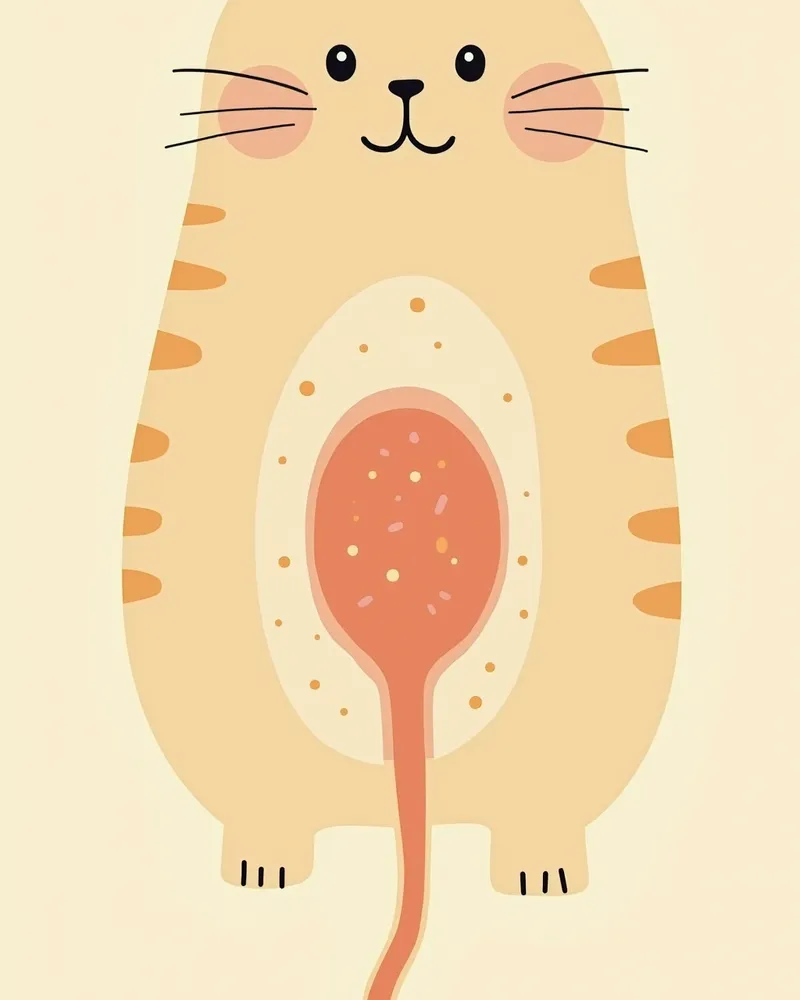
What Are the Main Symptoms of Urethral Obstruction?
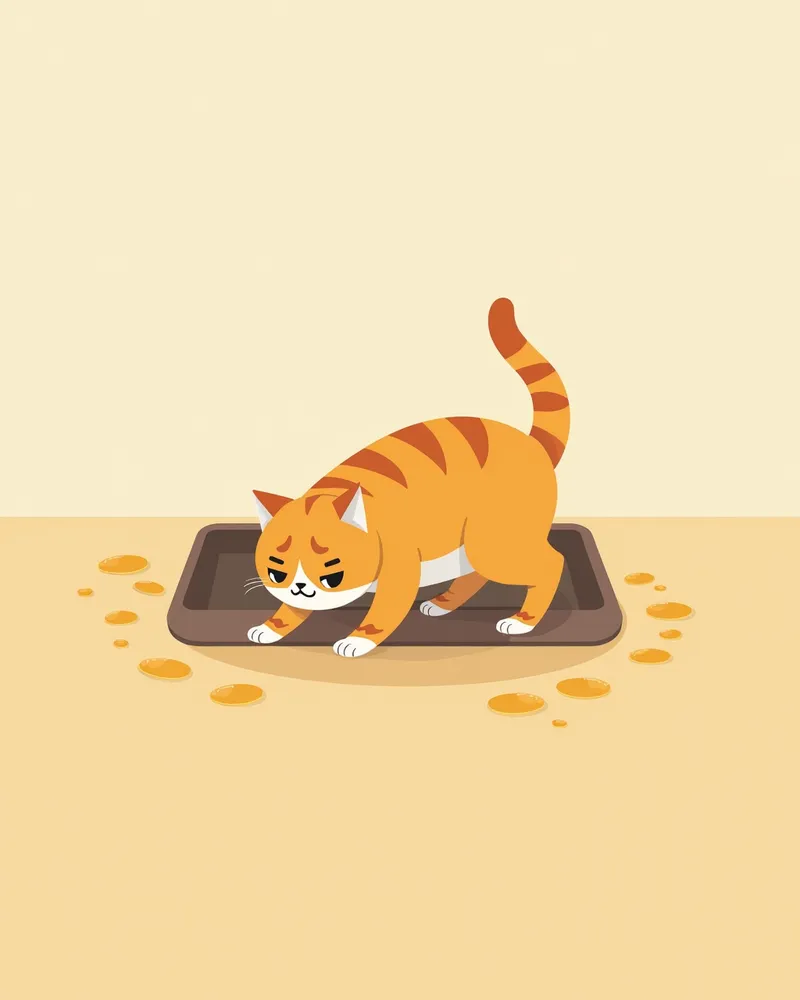
Emergency Signs Requiring Immediate Veterinary Visit
If your cat is unable to urinate, cries out in pain while attempting to urinate, or experiences repeated vomiting, you should go to the vet immediately. This condition can lead to kidney damage and electrolyte imbalances. - Urethral obstruction is a life-threatening emergency. If complete obstruction persists, it can cause hyperkalemia, decreased kidney function, and severe electrolyte imbalances. - Immediate diagnosis and treatment are essential. The first step should be an evaluation and examination by a veterinarian. - Early intervention is crucial for survival and recovery. Do not delay if you notice symptoms.
How Is Urethral Obstruction Diagnosed?
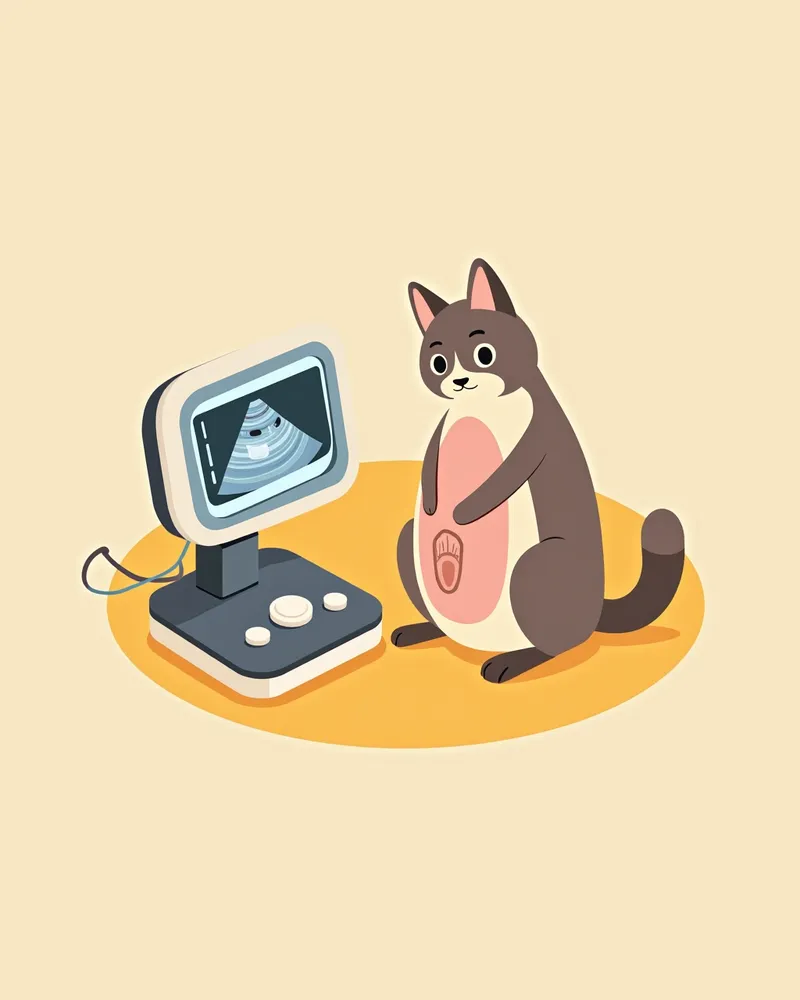
What Are the Treatment Methods?
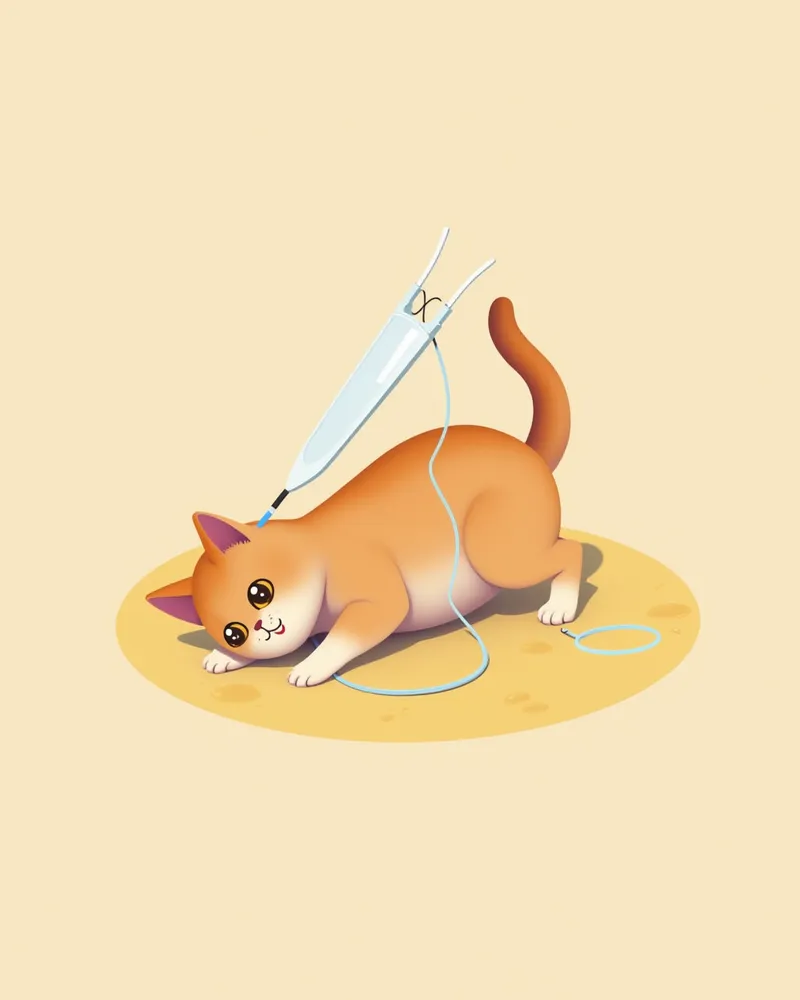
Home Care Management Tips

Precautions to Prevent Recurrence
Urethral obstruction has a high likelihood of recurrence. Dietary management, increased water intake, and stress reduction are essential for cats. In multi-cat households, it’s especially important to provide additional litter boxes and ensure each cat has its own personal space.
Reviewed by a veterinarian

Dr. Tony — Punnawat Phongkittirak
VeterinarianA veterinarian who majored in veterinary medicine at Khon Kaen University, Thailand, and completed the IVSA program at North Carolina State University in the United States. Drawing on clinical experience at animal hospitals, he works in the pet healthcare field and is dedicated to building a digital care environment that connects pet parents with veterinarians.
Reviewed 2026-06-29
Frequently Asked Questions
Can urethral obstruction be fatal in cats?
Can female cats also develop urethral obstruction?
Can urethral obstruction be completely cured?
What can be done to prevent urethral obstruction?
What should I do at home if I suspect my pet has a urethral obstruction?
Stage-by-Stage Symptoms and Responses for Urethral Obstruction
| Item | Main Symptoms | Emergency Response | Need for Veterinary Visit |
|---|---|---|---|
| Mild | Pain during urination, frequent attempts to urinate | Contact and consult a veterinarian without delay | A veterinary visit as soon as possible is recommended |
| Moderate | Unable to pass urine, vocalizing, vomiting | Transport to the hospital immediately | An immediate veterinary visit is essential |
| Severe | Decreased consciousness, bradycardia/circulatory collapse, difficulty breathing | Transport to the emergency room | Immediate emergency first aid and treatment are required |
Urethral obstruction becomes more dangerous as it progresses, so early detection and early treatment are important.
Share
Related Guides

Top 5 Prescription Diets for Feline FLUTD — Comparison by Struvite and Calcium Oxalate Stones

Top 7 Prescription Diets for Feline Bladder and Urinary Tract Health Recommended by Veterinarians — Including Selection Criteria

Top 5 Cranberry Urinary Supplements for Dogs — Preventing Cystitis

Canine Lymphoma FAQ — Key Information Every Pet Owner Should Know

What is Canine Fibrosarcoma? — Key Summary from Symptoms to Treatment and Recurrence
Managing Side Effects of Cancer Treatment in Dogs: Warning Signs to Watch for at Home

What Is Canine Chemotherapy? A Quick Guide to Protocols, Schedules, and Costs
What is CHOP Chemotherapy for Canine Lymphoma? — Key Points Pet Owners Must Know

What Should You Feed a Dog Undergoing Cancer Treatment? — Key Points on Nutritional Support for Tumors

What Are Adrenal Tumors in Dogs? — Essential Q&A on Symptoms, Diagnosis, and Treatment for Pet Owners
References
[1] Feldman EC, Nelson RW. Canine and Feline Nephrology and Urology. 4th ed. Philadelphia: Elsevier; 2017.
[2] Lloyd DH, et al. Feline urethral obstruction: a review of pathophysiology, diagnosis, and management. J Feline Med Surg. 2020;22(1):3-14.
[3] BSAVA Manual of Feline Medicine. 2nd ed. London: BSAVA Publications; 2018.