Like
Share
멍실장
고양이 요관 결석 고양이 자주 묻는 질문 Q&A — 보호자가 꼭 알아야 할 핵심

Feline Ureteral Stones: Frequently Asked Questions — Key Information for Pet Owners

UrinaryQ&AMeongsiljang Veterinary Advisory Board

Feline ureteral stones are a dangerous condition that can lead to acute pain and kidney damage. We’ve compiled the key questions and response strategies that pet owners need to know.

What are feline ureteral stones?
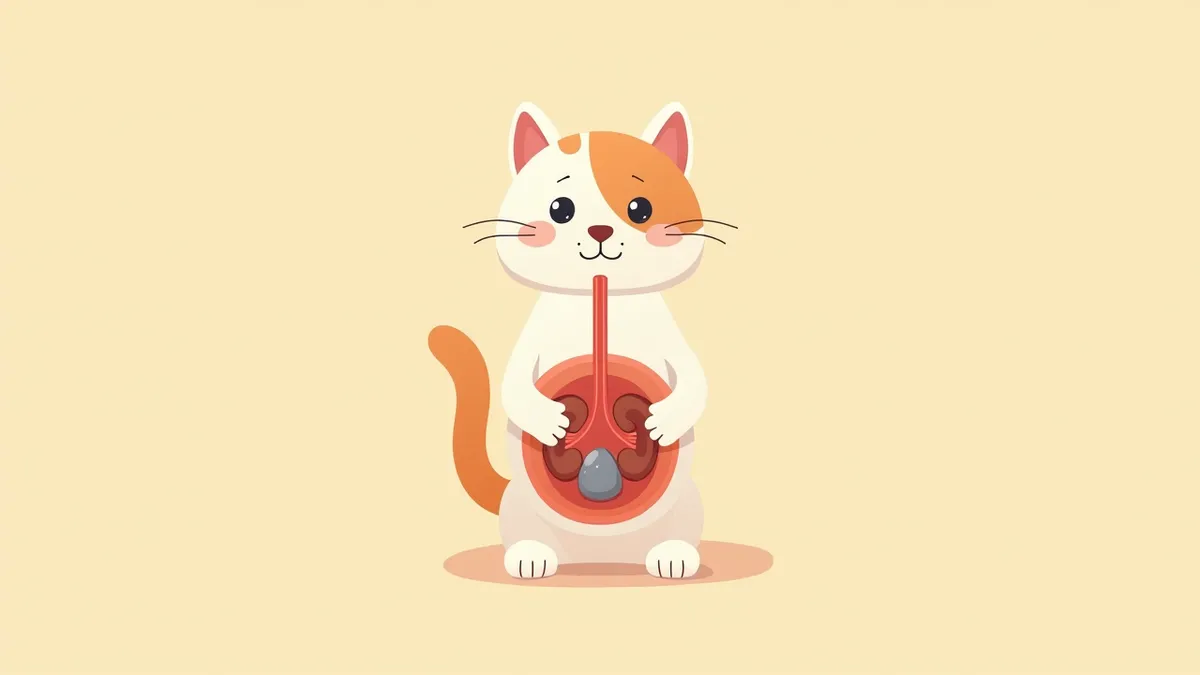
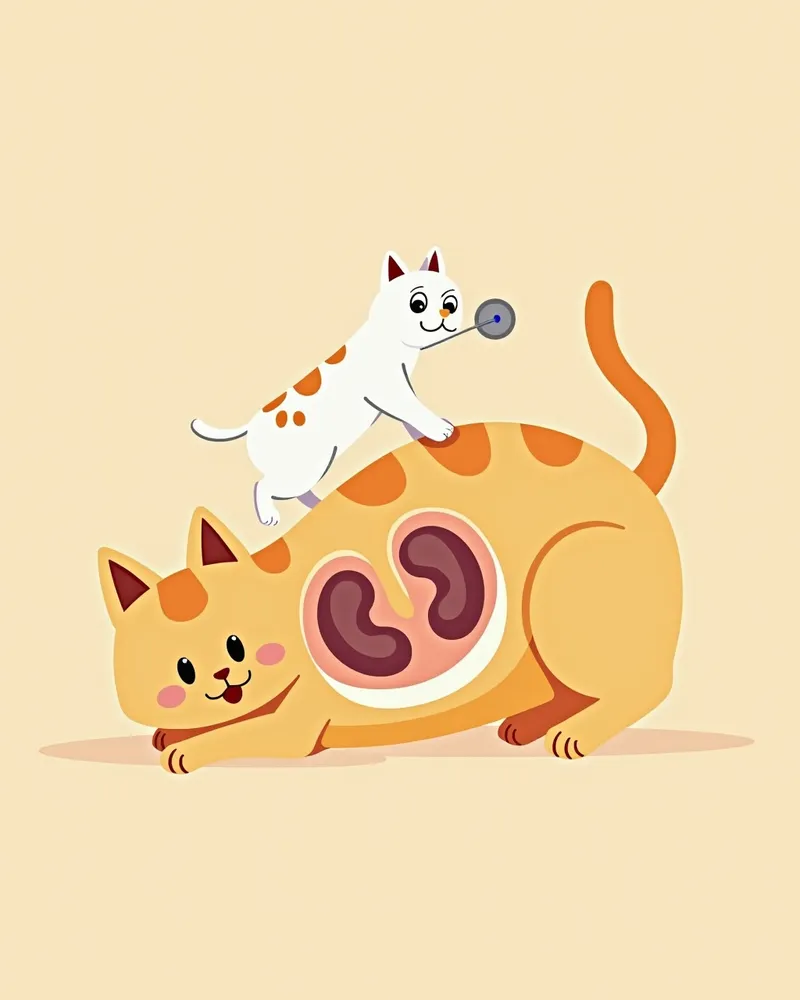
An anatomical diagram showing the location of urethral calculi in cats
Feline ureteral obstruction occurs when stones block the ureter, the tube that carries urine from the kidney to the bladder, preventing normal urine flow. This condition can lead to severe pain and kidney damage. Cats often experience intense discomfort, which may cause them to become immobile or vocalize in distress. These stones form when minerals such as calcium oxalate or struvite crystallize in concentrated urine. Calcium oxalate stones, in particular, are increasingly being identified in cats with obstructive urolithiasis. Since cats naturally produce highly concentrated urine, inadequate water intake can further concentrate the urine, creating an environment conducive to stone formation. Ureteral obstruction may be accompanied by pyelectasia or hydronephrosis, making immediate veterinary care essential. Early diagnosis and treatment are critical for preserving kidney function.

Why do cats develop ureteral stones?

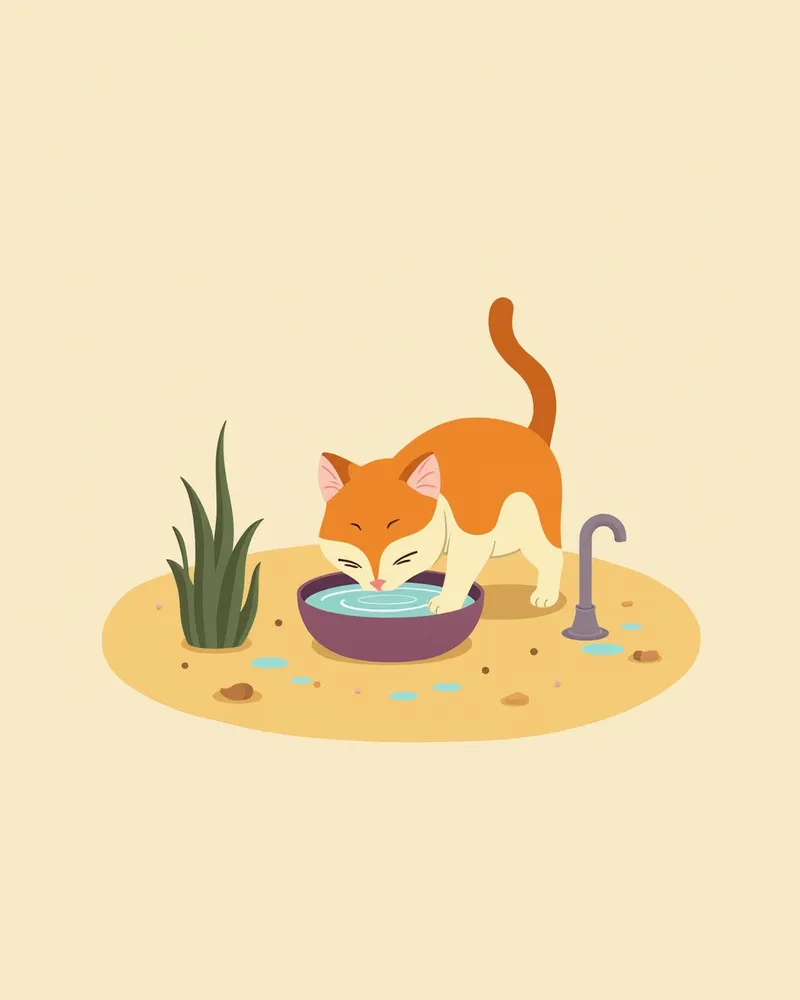
Feline ureteral stones form when urine becomes highly concentrated, causing certain minerals to crystallize. Cats naturally produce very concentrated urine, so inadequate water intake can easily lead to further concentration. In such conditions, stones such as calcium oxalate or struvite may develop. Additional risk factors include a diet primarily consisting of dry food, urinary tract infections, crystalluria, indoor living, and stress. It is also important to note that male cats are more susceptible to urinary obstruction due to their narrower urethra. Because ureteral stones and lower urinary tract diseases have a high likelihood of recurrence, it is essential to increase water intake and minimize environmental stress.
A cat drinking water

What are the main symptoms of ureteral stones?
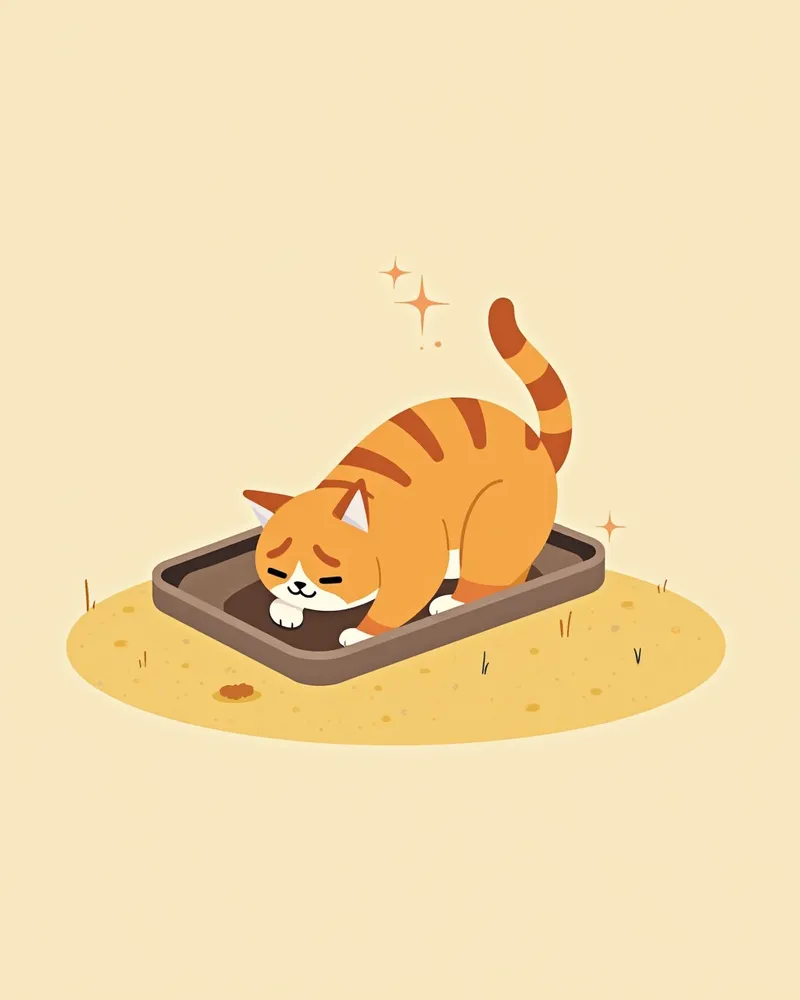
The most common signs of feline ureteral stones are sudden pain and abnormalities related to urination. However, if only one ureter is blocked, obvious symptoms may not appear, so it’s important to carefully watch for subtle signs that owners might easily miss.
Severe pain: Your cat may suddenly become immobile or cry out in pain when you touch its abdomen.
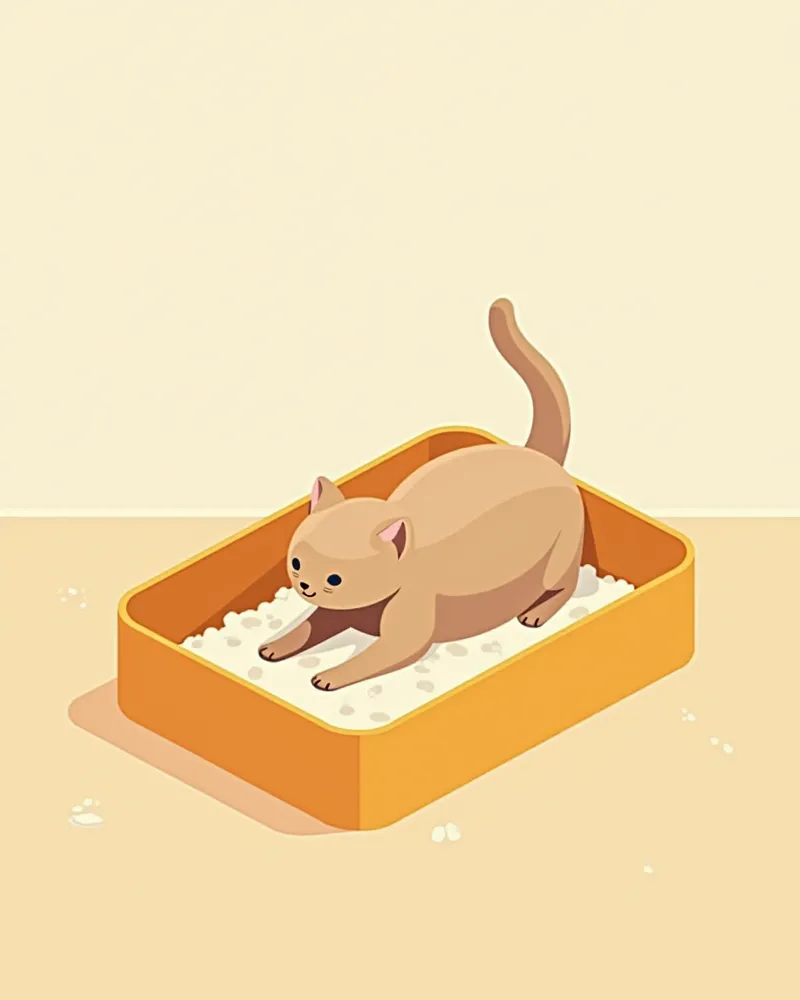
Difficulty urinating: Even when going to the litter box, little or no urine may come out, and your cat may show signs of distress.
Vomiting and lethargy: Due to pain and decreased kidney function, your cat may lose its appetite and remain inactive all day.
Pyelectasia (hydronephrosis): When the ureter is blocked, urine backs up and causes the renal pelvis in the kidney to expand. This is a key diagnostic finding visible on ultrasound.
Fever: If a urinary tract infection is present, your cat may develop an elevated body temperature.
A cat suffering from urethral stones

Signs requiring immediate veterinary visit

If your cat is experiencing pain due to ureteral stones, a veterinary visit within 24 hours is essential. If the pain persists or if vomiting and lethargy develop, seek emergency care immediately.

How are ureteral stones diagnosed?
Veterinarians diagnose ureteral stones in cats by comprehensively evaluating clinical signs, medical history, blood tests, urinalysis, ultrasound, and radiography. Ultrasound is particularly useful for determining the stone’s location and assessing for hydronephrosis, and it is generally considered to have higher diagnostic value than radiography for stone evaluation. While radiography helps identify high-density stones, such as those based on calcium, it may not clearly reveal radiolucent causes like firm blood clots. Blood tests are used to check for abnormalities in kidney function, and urinalysis helps detect inflammation, hematuria, and crystalluria. An accurate diagnosis forms the foundation for developing an effective treatment plan.
A veterinarian performing an ultrasound examination on a cat

What are the treatment options?

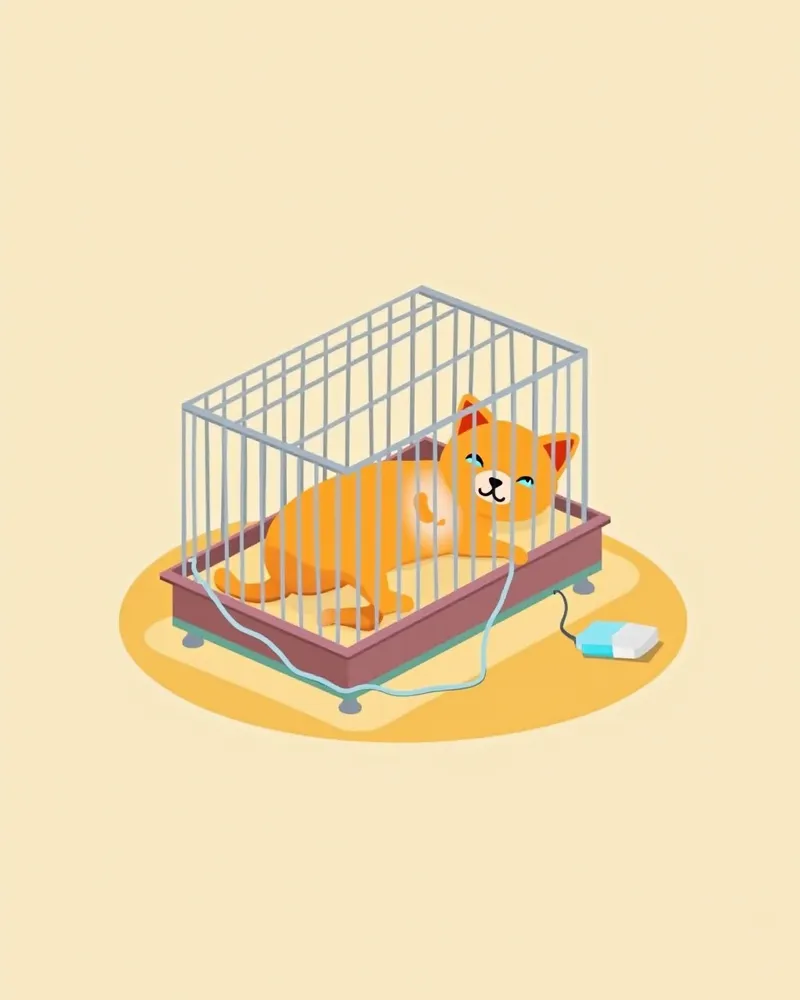
Treatment depends on the size and location of the stones, as well as your cat’s overall health. First and foremost, pain relief and hydration are key. To help with urination, fluids may be administered intravenously or via a catheter. Larger stones often require surgical or endoscopic removal. Medication focuses on preventing recurrence through dietary management and urine pH adjustment (e.g., potassium citrate), as drugs that directly dissolve stones are generally not used. Your veterinarian will determine a tailored treatment plan based on your cat’s weight and health status. Ongoing care remains essential even after treatment.
A cat recovering at the hospital

Key points for home care

After treatment, careful home care is essential. Please follow your veterinarian’s instructions closely for medication administration, hydration, and dietary management. Additionally, maintaining a stable litter box environment and minimizing stress will support your pet’s recovery.
Ensure adequate hydration: Place multiple water bowls around the house and keep the water fresh at all times.
Dietary management: Consistently feed the special diet recommended by your veterinarian.
Litter box care: Keep the litter box area clean and quiet.
Stress reduction: Avoid changes in your cat’s daily routine and maintain a calm, stable environment.
Regular check-ups: Continue with regular veterinary check-ups even after treatment is complete.
A stable environment for your cat

Precautions to prevent recurrence

Ureteral stones have a high likelihood of recurrence. It is essential to consistently follow your veterinarian’s guidance on dietary management and hydration. In particular, for calcium oxalate stones, it is important to keep the urine specific gravity (USG) below 1.030 and maintain the urine pH within the appropriate range of approximately 6.6 to 7.5. Additionally, promptly noticing any behavioral changes in your cat and taking early action is crucial.

Comparison of ureteral stone treatments

ItemMethodWhen to applyAdvantagesDisadvantages
Surgical removalWhen the stone is large or in a difficult locationWhen pain is severe or persistentAllows accurate removalLong recovery time and high cost
Endoscopic removalMedium-sized stonesWhen kidney damage is minimalLess pain and faster recoveryRequires specialized equipment and skills
Drug therapyWhen the stone is small and can pass through the urinePreventing stone recurrence and adjusting urine pHLow cost and non-invasiveStone removal is not guaranteed, and there is no direct dissolving effect

The veterinarian selects the optimal treatment based on the cat's condition.

Reviewed by a veterinarian

Dr. Tony — Punnawat Phongkittirak

Dr. Tony — Punnawat Phongkittirak

Veterinarian

A veterinarian who majored in veterinary medicine at Khon Kaen University, Thailand, and completed the IVSA program at North Carolina State University in the United States. Drawing on clinical experience at animal hospitals, he works in the pet healthcare field and is dedicated to building a digital care environment that connects pet parents with veterinarians.

Frequently Asked Questions

Can feline urethral stones be completely cured?
While the stones themselves can be removed, the likelihood of recurrence is high. Consistently following your veterinarian’s dietary recommendations and ensuring adequate hydration can help reduce the risk of recurrence.
Do only cats get ureteral stones?
While cats are most commonly affected, dogs can also develop urethral stones. Calcium oxalate stones, in particular, are becoming increasingly common in cats, and although they are relatively rare in dogs, they can still occur.
Can you prevent ureteral stones at home?
Yes, you can help by ensuring your pet stays well-hydrated, feeding the special prescription diet recommended by your veterinarian, maintaining a clean and comfortable litter box environment, and minimizing stress. The key is to dilute the urine and keep the pH within the proper range.
How soon should I take my pet to the vet if they develop a ureteral stone?
If pain begins, a veterinary visit within 24 hours is essential. Urinary tract obstruction is a life-threatening emergency, and the longer it goes untreated, the more severe the kidney damage can become.
How much does treatment for ureteral stones cost?
Treatment options and costs vary depending on the clinic. While surgical or endoscopic procedures can be more expensive, early intervention helps prevent complications.

Share

Related Guides

References

[1] The Cat, Clinical Medicine and Management, 2nd Edition. Elsevier, 2023.

[2] Feline Emergency and Critical Care Medicine, 2nd Ed. Wiley-Blackwell, 2021.

[3] Plumb's Veterinary Drug Handbook, 9th Edition. Wiley-Blackwell, 2022.

This information is based on veterinary literature and does not replace diagnosis or treatment. Please consult a veterinarian for specific health concerns.

Metapet Co., Ltd. | CEO: Park Sung-yong | Business Reg. No. 417-88-02562 | Seoul, South Korea | Customer Center

Feline Ureteral Stones: FAQ for Pet Owners | Meongsiljang